
Understanding the cost of life insurance in a bustling metropolis like New York can feel as complex as navigating its iconic streets. While the name “New York Life Insurance” might bring to mind a specific provider, the question of “how much does it cost?” is far broader, encompassing the various factors that influence premiums for any life insurance policy within the New York state. This guide delves into the intricate world of life insurance pricing, helping you to decipher the figures and make informed decisions for your financial future.
Life insurance is not a one-size-fits-all product. Its cost is meticulously calculated based on an individual’s risk profile, the type of coverage chosen, and the policy’s duration. For residents of New York, several unique elements can also play a role, from the cost of living to the specific regulatory environment. This article will break down these contributing factors, providing a transparent overview of what influences your life insurance premiums and how you can potentially manage them.
Understanding the Determinants of Life Insurance Premiums
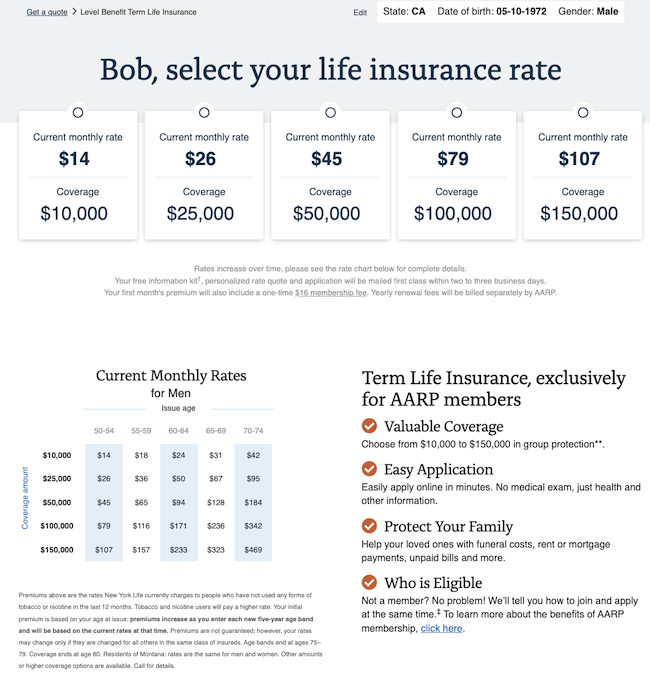
The price you pay for life insurance is a personalized calculation. Insurers assess your likelihood of making a claim and use this data to set premiums. This risk assessment involves a deep dive into several key areas, each carrying its own weight in the final cost.
Age and Health: The Cornerstones of Risk Assessment
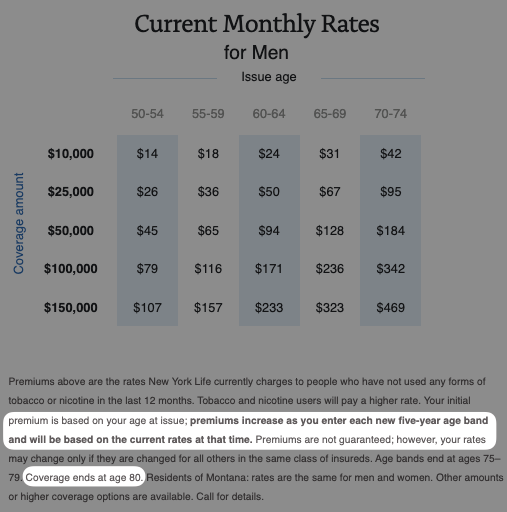
Your age is perhaps the most significant factor in determining life insurance costs. As individuals age, their risk of developing health complications and ultimately passing away increases. Consequently, younger applicants generally benefit from lower premiums compared to older individuals seeking the same coverage. When you apply for a policy, the insurer will conduct a thorough review of your current health status. This typically involves a medical examination, a review of your medical history, and questions about pre-existing conditions. Conditions such as heart disease, diabetes, cancer, or even high blood pressure can significantly increase your premium. Conversely, maintaining a healthy lifestyle, including regular exercise, a balanced diet, and avoiding smoking, can lead to more favorable rates.
Impact of Pre-existing Conditions
Pre-existing medical conditions are a critical consideration for life insurance underwriters. Insurers need to assess the potential impact of these conditions on your life expectancy. For some conditions, you might still qualify for coverage, but at a higher premium. In other cases, an insurer might impose a waiting period or exclude coverage for certain health-related issues. It is crucial to be upfront and honest about your health history during the application process. Any attempt to conceal information can lead to your policy being invalidated or a claim being denied.
Lifestyle Choices and Their Financial Implications
Beyond your medical history, your lifestyle choices play a substantial role. Smoking is a prime example; smokers typically pay two to three times more for life insurance than non-smokers due to the significantly increased health risks associated with tobacco use. Similarly, engaging in high-risk hobbies, such as skydiving, rock climbing, or piloting private aircraft, can also lead to higher premiums. Insurers view these activities as increasing the likelihood of accidental death. A history of DUIs or other legal issues can also affect your insurability and cost.
Policy Type and Coverage Amount: Tailoring Your Protection
The type of life insurance policy you choose and the amount of coverage you opt for are direct drivers of its cost. Life insurance generally falls into two main categories: term life insurance and permanent life insurance.
Term Life Insurance: Affordable Protection for a Set Period
Term life insurance provides coverage for a specified period, such as 10, 20, or 30 years. If the insured individual passes away within this term, the death benefit is paid to the beneficiaries. This type of insurance is generally more affordable than permanent life insurance because it does not build cash value. The premiums are typically fixed for the duration of the term. The longer the term and the higher the death benefit, the more expensive the policy will be. For example, a 30-year term policy with a $1 million death benefit will cost more than a 10-year term policy with a $500,000 death benefit.
Permanent Life Insurance: Lifelong Coverage with Cash Value Accumulation
Permanent life insurance, such as whole life or universal life policies, offers lifelong coverage and includes a cash value component that grows over time on a tax-deferred basis. While this provides a valuable savings or investment element, it also makes permanent life insurance significantly more expensive than term life insurance. The premiums are generally higher because the policy is designed to pay out a death benefit regardless of when the insured passes away, and because of the cash value accumulation. The specific type of permanent policy, the premium payment structure, and the growth rate of the cash value all influence the overall cost.
The Influence of Death Benefit Amount
The death benefit is the lump sum of money your beneficiaries will receive upon your death. Naturally, a higher death benefit will result in higher premiums. The amount of coverage you need depends on your financial obligations, such as outstanding debts, mortgage payments, and your dependents’ future financial needs. A common rule of thumb is to have coverage that is 10 to 15 times your annual income, but this should be adjusted based on your individual circumstances.
Factors Specific to New York and the Insurance Market
While the fundamental principles of life insurance pricing are universal, certain factors specific to New York can subtly influence costs. These can range from regulatory frameworks to the general cost of doing business within the state.
Regulatory Environment and Consumer Protections
New York has a robust regulatory framework for insurance, overseen by the New York State Department of Financial Services. These regulations are designed to protect consumers and ensure that insurance companies operate fairly and transparently. While these protections are invaluable, they can sometimes contribute to higher operating costs for insurers, which may indirectly be reflected in premiums. Strict solvency requirements and consumer advocacy can lead to a more stable, but potentially slightly pricier, insurance market.
Geographic Location and Local Demographics
While not as direct a factor as personal health, the general demographics and prevalence of certain health conditions within a specific geographic area can, in some aggregate underwriting models, play a minor role. However, for individual policies, the personal risk factors are overwhelmingly dominant. The cost of living in New York might also indirectly influence how much coverage individuals feel they need to secure, impacting the average policy size and, by extension, the total market spend on life insurance.
The New York Life Insurance Company vs. General Market Pricing
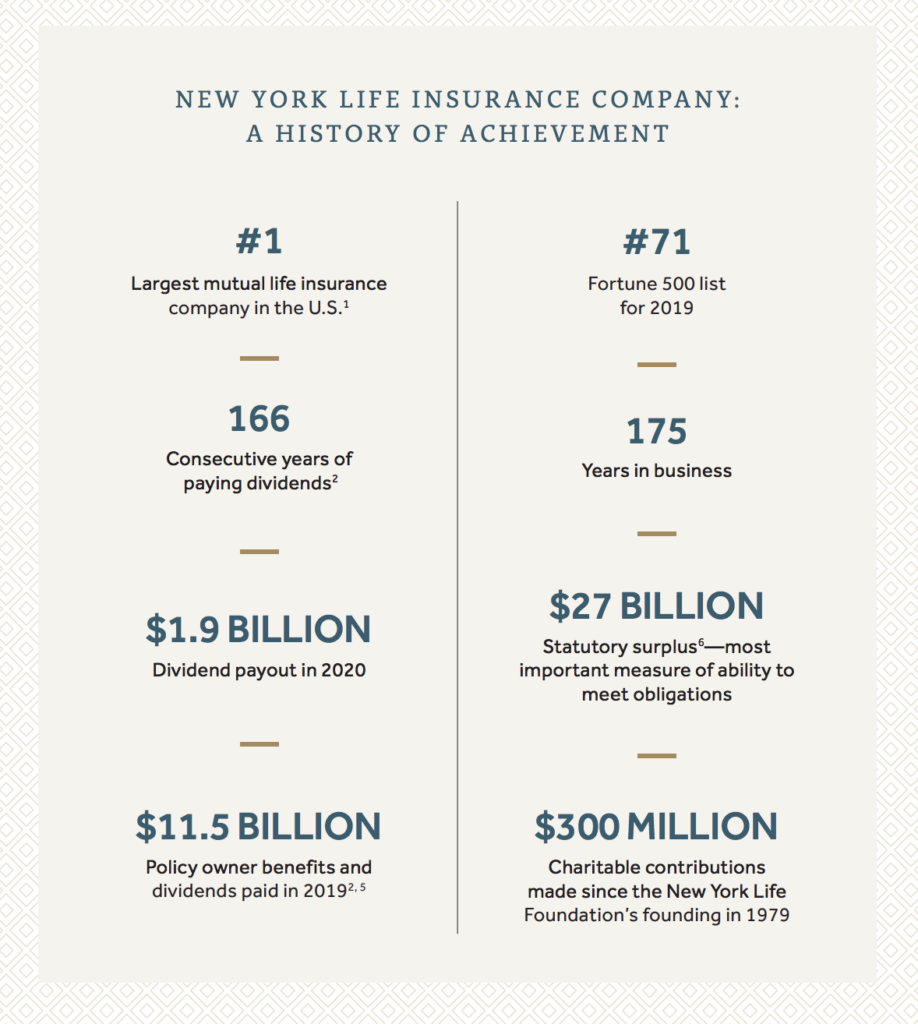
It’s important to distinguish between the general cost of life insurance in New York and the pricing offered by a specific company like New York Life Insurance. New York Life Insurance is a well-established mutual insurance company. Mutual companies are owned by their policyholders, which can sometimes lead to competitive pricing and dividend payments, although this is not guaranteed. When comparing quotes, it is essential to look at multiple providers, including New York Life Insurance, as well as other major insurers operating in New York, to ensure you are getting the best possible rate for your individual circumstances. The “cost” of life insurance is not a fixed number but a dynamic figure that varies from person to person and company to company.
Strategies for Managing and Potentially Reducing Life Insurance Costs
While you cannot change your age or inherent health risks, several strategic approaches can help you secure life insurance at a more affordable price. Proactive planning and informed decision-making are key to optimizing your coverage and expenditure.
Obtaining Multiple Quotes and Comparing Policies
One of the most effective ways to ensure you are not overpaying for life insurance is to obtain quotes from several different insurance companies. Each insurer has its own underwriting guidelines and pricing models, meaning that the cost of the same policy can vary significantly between providers. This is particularly true for individuals with certain health conditions or those who engage in higher-risk activities. Websites and independent insurance brokers can help you compare quotes from a wide range of companies, including established providers like New York Life Insurance, and smaller, specialized insurers.
The Role of Independent Insurance Agents
Independent insurance agents or brokers are licensed professionals who represent multiple insurance companies. They can assess your needs, compare policies from various insurers, and guide you through the application process. Their expertise can be invaluable in finding the right coverage at the most competitive price, especially if you have complex health or financial circumstances. They can also help you understand the nuances of different policy types and riders.
Maintaining a Healthy Lifestyle for Lower Premiums
As previously discussed, your health significantly impacts your premiums. Making conscious efforts to improve and maintain your health can lead to substantial savings over the life of your policy. Quitting smoking, maintaining a healthy weight, managing chronic conditions, and engaging in regular physical activity are not only beneficial for your overall well-being but can also result in lower life insurance costs. Some insurers even offer discounts or incentives for policyholders who participate in wellness programs.
The Long-Term Benefits of Preventive Care
Regular medical check-ups and adherence to preventive care recommendations can help manage existing health conditions and detect potential issues early. This proactive approach to health can demonstrate to insurers that you are committed to managing your well-being, potentially leading to better rates. For instance, keeping blood pressure or cholesterol levels within healthy ranges can significantly influence your risk assessment.
Reviewing and Adjusting Your Coverage Periodically
Life insurance needs are not static; they evolve as your life circumstances change. It is advisable to review your life insurance coverage every few years or after major life events, such as marriage, the birth of a child, purchasing a home, or changes in your financial situation. This review can help you determine if your current coverage is still adequate or if adjustments are needed. Sometimes, converting an existing term policy to a permanent one, or adjusting the death benefit amount, can be more cost-effective than purchasing an entirely new policy.
Understanding Policy Riders and Additional Benefits
Many life insurance policies offer optional riders, which are add-ons that provide additional benefits for an extra cost. These can include waiver of premium riders (which waive premiums if you become disabled), accelerated death benefit riders (allowing you to access a portion of the death benefit if you are diagnosed with a terminal illness), or child riders. While these can enhance your coverage, it’s important to weigh their added cost against the perceived benefit to ensure they align with your financial goals and risk tolerance. Carefully selecting only the riders you truly need can help keep your premiums more manageable.
In conclusion, understanding the cost of New York life insurance involves a multifaceted analysis of personal factors, policy specifics, and market dynamics. By diligently assessing your needs, comparing options from various providers like New York Life Insurance, and prioritizing a healthy lifestyle, you can secure the financial protection your loved ones deserve at a price that fits your budget.
LifeOutOfTheBox is a participant in the Amazon Services LLC Associates Program, an affiliate advertising program designed to provide a means for sites to earn advertising fees by advertising and linking to Amazon.com. Amazon, the Amazon logo, AmazonSupply, and the AmazonSupply logo are trademarks of Amazon.com, Inc. or its affiliates. As an Amazon Associate we earn affiliate commissions from qualifying purchases.