
Understanding the cost of a New York State vehicle inspection is a crucial part of vehicle ownership and maintenance, particularly for residents navigating the Empire State. While the inspection itself is a mandatory safety and emissions check, the associated cost can vary based on several factors. This guide delves into the specifics of these costs, helping you budget effectively and ensure compliance with New York State’s stringent automotive regulations.
The Official Fee Structure and What it Covers
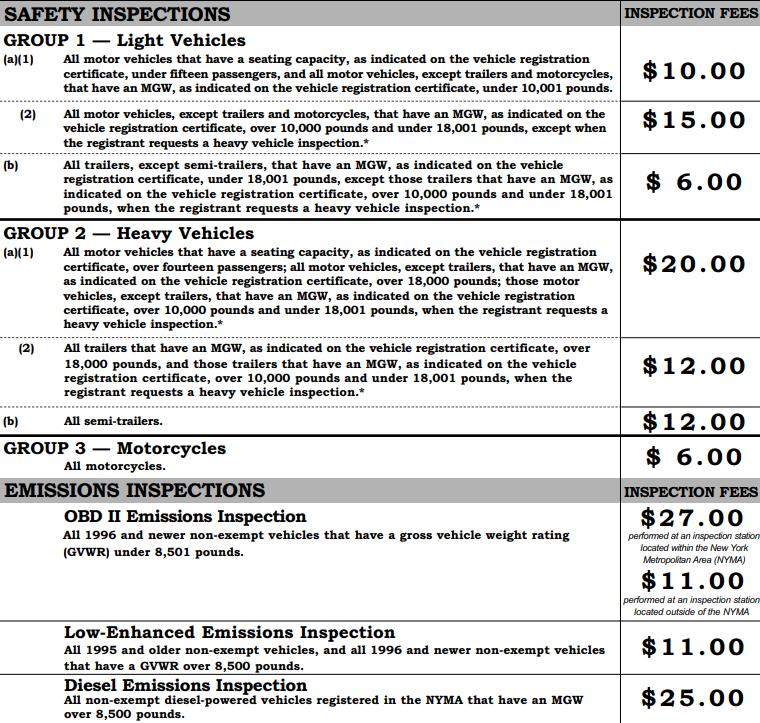
New York State law dictates a maximum allowable fee for the mandatory vehicle inspection. This fee is designed to be accessible while ensuring that garages can cover their operational costs and the expertise of their certified technicians.
State-Mandated Maximums
The New York State Department of Motor Vehicles (DMV) sets the upper limit for what an inspection station can charge. Currently, the maximum fee for a standard passenger vehicle inspection is $30.00. This fee covers both the safety inspection and the emissions test, which are combined into a single process for most vehicles. It’s important to note that this is a maximum, and some stations may choose to charge less. However, you should rarely encounter a station charging more than this amount for a routine inspection.
What Your Inspection Fee Entitles You To
When you pay the inspection fee, you are paying for a comprehensive check of your vehicle’s essential safety and environmental components. This typically includes:
- Brakes: Examination of brake pads, rotors, fluid levels, and overall braking system functionality.
- Steering and Suspension: Checking for worn or damaged components that could affect control.
- Tires: Ensuring proper tread depth and checking for any signs of damage or uneven wear.
- Lights: Verification that headlights, taillights, brake lights, turn signals, and other required lights are functioning correctly.
- Windshield and Wipers: Inspection of the windshield for cracks or chips that could impair visibility, and ensuring wipers are in good working order.
- Horn: Testing that the horn is audible and functional.
- Exhaust System: Checking for leaks or excessive noise, and ensuring the system is securely attached.
- Emissions Control System: For most vehicles, this involves an on-board diagnostic (OBD-II) scan to check for malfunctions in the emissions control system and ensure that the vehicle is meeting federal and state emission standards. Older vehicles that do not have OBD-II ports may undergo a visual inspection of their emissions control components.
The fee covers the labor involved in performing these checks and the use of specialized diagnostic equipment. If your vehicle fails the inspection, you will typically have to pay for a re-inspection after repairs have been made, though some facilities may offer a reduced fee for re-checks within a specific timeframe.
Factors Influencing the Actual Cost
While the $30.00 cap provides a clear ceiling, the actual amount you pay can be influenced by the specific service provider and any additional services you might require. Understanding these nuances can help you find the most cost-effective option.
Variations Among Inspection Stations
The primary reason for cost variation, even within the state-mandated limit, is the pricing strategy of individual inspection stations. These stations, which can range from large dealerships to independent repair shops and chain auto service centers, are privately owned businesses. As such, they have the discretion to set their prices, as long as they do not exceed the state maximum.
- Location: Stations located in high-cost-of-living areas, such as parts of New York City or affluent suburban communities, may charge closer to the $30.00 maximum to offset higher operating expenses, including rent and labor costs.
- Competition: In areas with a high concentration of inspection stations, competition might drive some businesses to offer lower prices to attract customers.
- Service Bundling: Some businesses might offer a slightly reduced inspection fee if it’s bundled with other services, such as an oil change or tire rotation. Conversely, some may advertise a lower inspection price to get you in the door, hoping you’ll opt for additional, revenue-generating services.
- Reputation and Amenities: Highly reputable shops with advanced diagnostic equipment, comfortable waiting areas, or convenient appointment scheduling might command prices closer to the upper limit, banking on their perceived quality and customer service.
It is always advisable to call a few different inspection stations in your vicinity to compare prices before you go.
Potential Additional Costs
The stated inspection fee covers the basic safety and emissions check. However, certain situations or vehicle conditions can lead to additional expenses beyond the initial inspection charge.
- Repairs: If your vehicle fails the inspection, the fee you paid covers the inspection itself, not the repairs. You will be responsible for the cost of any parts and labor needed to bring your vehicle up to standard. The inspection station is required to provide you with a written estimate for these repairs.
- Re-inspection Fees: After repairs are completed, your vehicle will need to be re-inspected. While some stations offer a free re-inspection within a certain timeframe (often 30 days), others may charge a reduced fee for the re-check. It’s crucial to clarify this policy with the station beforehand.
- Emissions Testing for Specific Vehicles: While most passenger vehicles are subject to the combined safety and emissions inspection, there are exceptions. For instance, vehicles that are more than 25 years old may be exempt from the emissions test. Conversely, certain heavy-duty vehicles or vehicles with specific engine modifications might have different or additional testing requirements that could incur separate fees.
- Specialty Inspections: If you are registering a vehicle that has been purchased out of state, or if your vehicle has undergone significant modifications, you might need a specific type of inspection that could have a different fee structure. Always confirm the exact type of inspection required and its associated costs with the New York State DMV or your chosen inspection station.
Navigating the Inspection Process in New York
Understanding the inspection process, from finding a certified station to what happens after a failed inspection, is key to a smooth experience.
Finding a Certified Inspection Station
In New York, only licensed stations are authorized to perform official vehicle inspections. These stations are easily identifiable by a blue and yellow sign that reads “Official New York State Inspection Station.” You can find these stations:
- Online: The New York State DMV website offers a locator tool where you can search for official inspection stations by zip code or city.
- Word of Mouth: Recommendations from friends, family, or trusted auto repair professionals can be invaluable.
- Local Directories: Local business directories or online mapping services will also typically list official inspection stations.
When choosing a station, consider not only the price but also its reputation, convenience, and the technician’s expertise.
What to Do After a Failed Inspection
If your vehicle fails the inspection, don’t panic. You have a grace period to make the necessary repairs and have the vehicle re-inspected.
- Understand the Reason for Failure: The inspection station is required to provide you with a detailed report outlining the specific reasons for the failure. Make sure you understand each point.
- Obtain Repair Estimates: Get quotes for the necessary repairs. You are not obligated to have the repairs done at the station that performed the inspection. You can take your vehicle to any mechanic you trust.
- Complete Repairs: Have the identified issues repaired.
- Schedule a Re-inspection: Once repairs are complete, you must have your vehicle re-inspected. If the re-inspection is performed at the same station within the specified timeframe, you may benefit from a reduced or waived re-inspection fee. If you take it to a different station, you will likely pay the full inspection fee again.
- Legal Operation During Grace Period: While your vehicle may have failed the inspection, it is generally legal to operate it for a limited time (usually 30 days) to allow for repairs, provided it is still roadworthy and you have proof of an attempted inspection. However, it’s best to clarify this with the DMV or your local authorities if you have concerns. Driving a vehicle with significant safety defects could still lead to citations.

Ensuring Compliance and Vehicle Longevity
Paying for and passing a New York State vehicle inspection is more than just a legal requirement; it’s an investment in your safety and the longevity of your vehicle. Regular inspections, even when not mandated, can help catch minor issues before they escalate into costly repairs or dangerous situations. By understanding the costs involved and the process, you can approach your New York State vehicle inspection with confidence, ensuring your vehicle remains safe, compliant, and road-ready for your journeys across the state, whether you’re heading to the vibrant streets of New York City, exploring the scenic Adirondacks, or visiting the historic Niagara Falls.
LifeOutOfTheBox is a participant in the Amazon Services LLC Associates Program, an affiliate advertising program designed to provide a means for sites to earn advertising fees by advertising and linking to Amazon.com. Amazon, the Amazon logo, AmazonSupply, and the AmazonSupply logo are trademarks of Amazon.com, Inc. or its affiliates. As an Amazon Associate we earn affiliate commissions from qualifying purchases.