
The allure of a perfectly cooked New York Strip steak is undeniable. Whether you’re enjoying it in a bustling steakhouse in New York City or preparing it at home, its rich flavor and satisfying texture make it a perennial favorite. Beyond its culinary appeal, the New York Strip is also a powerhouse of nutrition, particularly when it comes to protein. For those mindful of their dietary intake, understanding the protein content of this prime cut is essential for making informed choices, whether you’re a fitness enthusiast, a health-conscious diner, or simply curious about the nutritional value of your meal. This exploration delves into the protein composition of a New York Strip, examining the factors that influence it and its broader significance in a balanced diet.
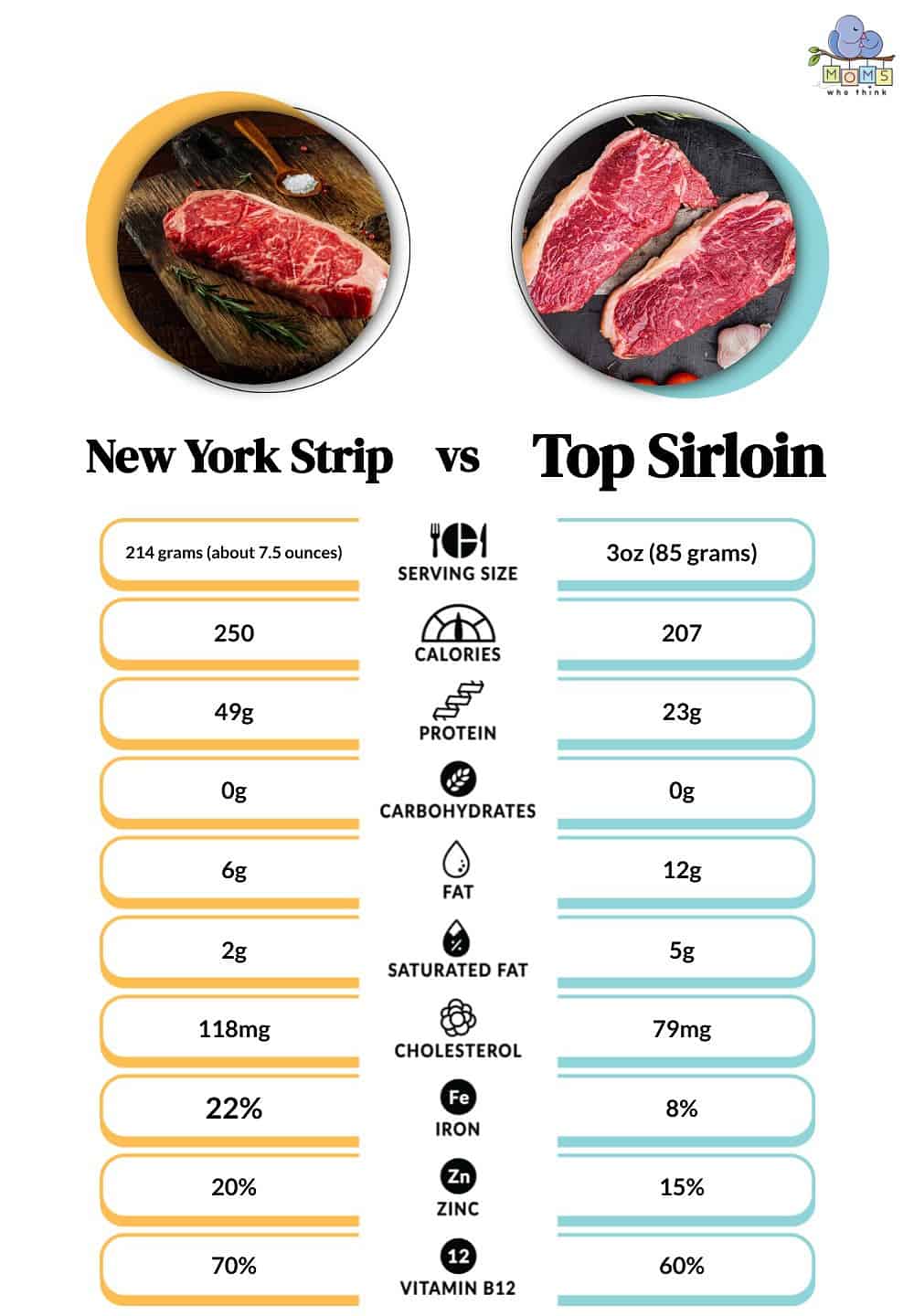
The Nutritional Profile of a New York Strip Steak
The New York Strip steak, also known as a strip loin or Kansas City strip, is a highly prized cut of beef derived from the short loin primal. Its characteristic marbling, a network of intramuscular fat, contributes to its tenderness and flavor. From a nutritional standpoint, it offers a concentrated source of several vital nutrients, with protein being a significant component.
Protein Content: A Closer Look
A standard serving of cooked New York Strip steak, typically around 3 ounces (85 grams), can provide a substantial amount of protein. On average, you can expect approximately 25 to 30 grams of high-quality protein per serving. This protein is complete, meaning it contains all nine essential amino acids that the human body cannot produce on its own and must obtain from the diet. These amino acids are crucial for muscle repair and growth, enzyme production, hormone synthesis, and overall bodily function.
The exact protein content can vary based on several factors. The size of the steak, its leanness, and the cooking method all play a role. For instance, a larger steak will naturally contain more protein, and a leaner cut, with less visible fat trimmed away, will have a higher protein-to-fat ratio. The cooking process itself, particularly methods involving grilling or pan-searing, can lead to some moisture loss, which may slightly concentrate the protein in the remaining mass.
Beyond Protein: Other Key Nutrients
While protein is a primary draw, the New York Strip also boasts a rich array of other essential nutrients. It is an excellent source of:
- Iron: Crucial for oxygen transport in the blood and energy production. Heme iron, found in red meat, is highly bioavailable and easily absorbed by the body.
- Zinc: Essential for immune function, wound healing, and cell growth.
- Vitamin B12: Vital for nerve function and the formation of red blood cells. It is predominantly found in animal products.
- Niacin (Vitamin B3): Plays a role in energy metabolism and maintaining healthy skin and nerves.
- Selenium: An antioxidant that helps protect cells from damage.
The fat content, particularly saturated fat, is also a consideration. While moderate consumption of marbled cuts like the New York Strip can be part of a healthy diet, it’s important to be mindful of overall intake, especially for individuals with specific dietary restrictions or health concerns.
Factors Influencing Protein Content in a New York Strip
The protein in a New York Strip is not a static figure; it’s influenced by several variables from the animal’s diet to the final preparation in your kitchen. Understanding these elements can help consumers make more informed purchasing and consumption decisions.
Animal Rearing and Diet

The quality of the beef, and by extension its nutritional composition, begins with the animal. Factors such as the breed of cattle, their diet, and their overall health can impact the meat’s nutrient density. For example, cattle raised on pasture, often referred to as grass-fed, may have a slightly different fatty acid profile and nutrient content compared to those fed a grain-based diet. While the protein content itself might not drastically differ, the ratios of other nutrients can be influenced. Higher quality beef, often found in well-regarded butcher shops or specialized meat purveyors, generally correlates with better muscle development and a more desirable nutrient profile.
Cut Size and Preparation Methods
The most direct influence on the protein content of the steak you consume is its size and how it’s prepared. A 6-ounce New York Strip will obviously contain double the protein of a 3-ounce portion, assuming similar leanness. When purchasing steak, whether from a local butcher in New York or a supermarket, the weight specified is key to estimating protein intake.
Preparation methods also play a subtle but important role. Grilling, broiling, pan-searing, and roasting are common ways to cook a New York Strip. During these cooking processes, some water evaporates from the meat. This reduction in water content can lead to a slight increase in the concentration of protein and other solids per unit of weight in the cooked steak compared to its raw state. For instance, a raw 3-ounce New York Strip might have slightly less protein than a cooked 3-ounce portion, as some water has been expelled. However, the overall mass of protein remains consistent, it’s just presented in a denser form. Conversely, methods like stewing, where meat is cooked in liquid for extended periods, can lead to different outcomes regarding nutrient concentration due to the addition of external liquids and potential nutrient leaching.
Trimming Fat
The visible fat cap and any excess marbling can be trimmed from a New York Strip before cooking. This significantly impacts both the protein and fat content of the final dish. A leaner steak, with more fat removed, will yield a higher percentage of protein by weight. This is a common practice for individuals looking to maximize their protein intake while minimizing fat consumption, aligning with dietary goals for muscle building or weight management. Conversely, leaving the fat on contributes to flavor and moisture but reduces the overall protein density.
Integrating New York Strip into a Balanced Diet
The New York Strip steak is a nutritious and flavorful addition to a balanced diet, providing high-quality protein and essential micronutrients. Its versatility allows it to be incorporated into various meals, catering to different tastes and dietary needs.
Protein for Muscle Growth and Repair
For individuals engaged in physical activity, especially strength training, adequate protein intake is paramount. The complete amino acid profile of New York Strip makes it an excellent choice for supporting muscle protein synthesis, the process by which muscles are repaired and built after exercise. Consuming steak post-workout can provide the necessary building blocks for muscle recovery and growth. This is particularly relevant for athletes or those following rigorous fitness regimens, whether training in a gym in Los Angeles or preparing for an outdoor adventure in the Rocky Mountains.
Satiety and Weight Management
Protein is known for its satiating properties, meaning it helps you feel fuller for longer. Incorporating protein-rich foods like New York Strip into meals can help manage appetite and reduce overall calorie intake, which can be beneficial for weight management. The slow digestion of protein contributes to sustained energy release, preventing sharp spikes and crashes in blood sugar levels. This makes it an excellent choice for a satisfying lunch or dinner that keeps you feeling full between meals.
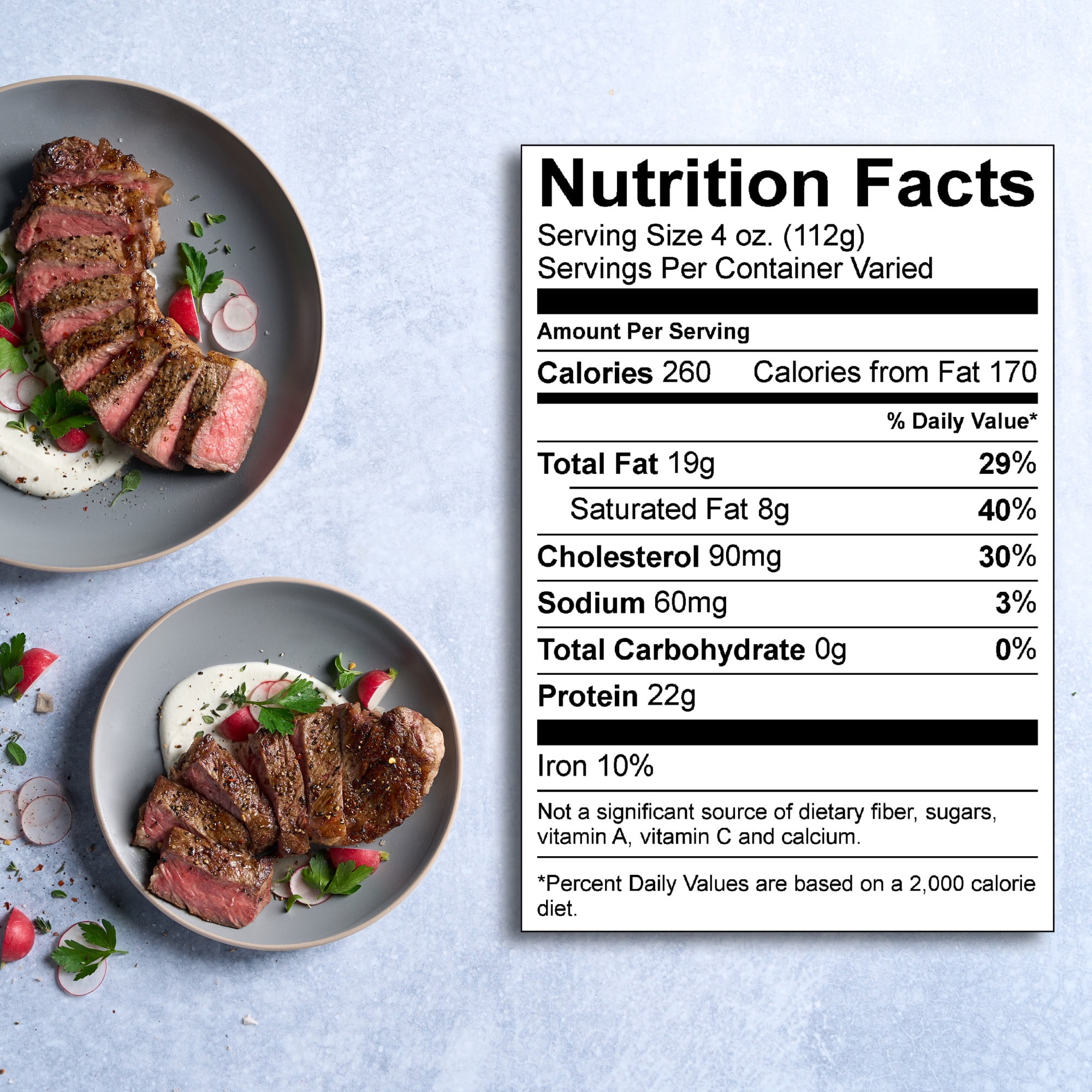
Meal Planning and Serving Suggestions
When planning meals around a New York Strip, consider pairing it with a variety of nutrient-dense sides to create a well-rounded meal. Roasted vegetables such as broccoli, asparagus, or Brussels sprouts offer fiber, vitamins, and minerals. A side of quinoa or sweet potatoes provides complex carbohydrates for energy. For a lighter option, a fresh salad with a vinaigrette dressing can complement the richness of the steak.
When dining out, especially in renowned culinary destinations like Chicago, many restaurants offer New York Strip prepared in various styles. Understanding its protein content can help you make informed choices on menus, allowing you to enjoy your meal while staying aligned with your nutritional goals. Whether you opt for a classic preparation or a more innovative dish, the New York Strip remains a testament to the satisfying and nourishing power of high-quality beef.
LifeOutOfTheBox is a participant in the Amazon Services LLC Associates Program, an affiliate advertising program designed to provide a means for sites to earn advertising fees by advertising and linking to Amazon.com. Amazon, the Amazon logo, AmazonSupply, and the AmazonSupply logo are trademarks of Amazon.com, Inc. or its affiliates. As an Amazon Associate we earn affiliate commissions from qualifying purchases.