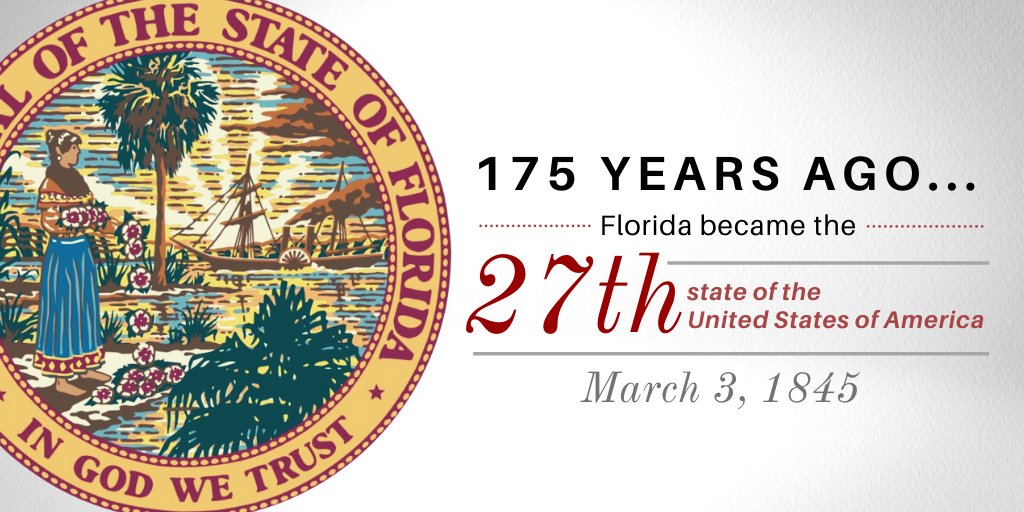
The sunshine state of Florida, renowned globally for its pristine beaches, vibrant cities, and world-class attractions, officially joined the United States as its 27th state on March 3, 1845. This pivotal date marked the culmination of centuries of complex history, rich cultural exchanges, and territorial disputes that ultimately shaped the diverse and captivating destination we know today. Understanding when and how Florida became a state not only offers a fascinating glimpse into American history but also enriches any traveler’s experience, revealing the deep historical layers beneath the modern tourist façade. From its early colonial roots under Spanish rule to its brief period as a British possession and finally its journey to statehood, Florida’s past is intricately woven into its present-day landmarks, local cultures, and unique appeal, making it a truly exceptional travel destination.
A Tapestry of Empires: Florida’s Colonial History and Path to Statehood
Long before it became the Florida we recognize, a beacon for travelers seeking sun and adventure, the peninsula was a coveted prize for European powers. Its strategic location, bordering the Gulf of Mexico and the Atlantic Ocean, made it a crucial gateway for trade and military operations. This tumultuous colonial past laid the groundwork for its eventual statehood, creating a legacy that continues to intrigue visitors.
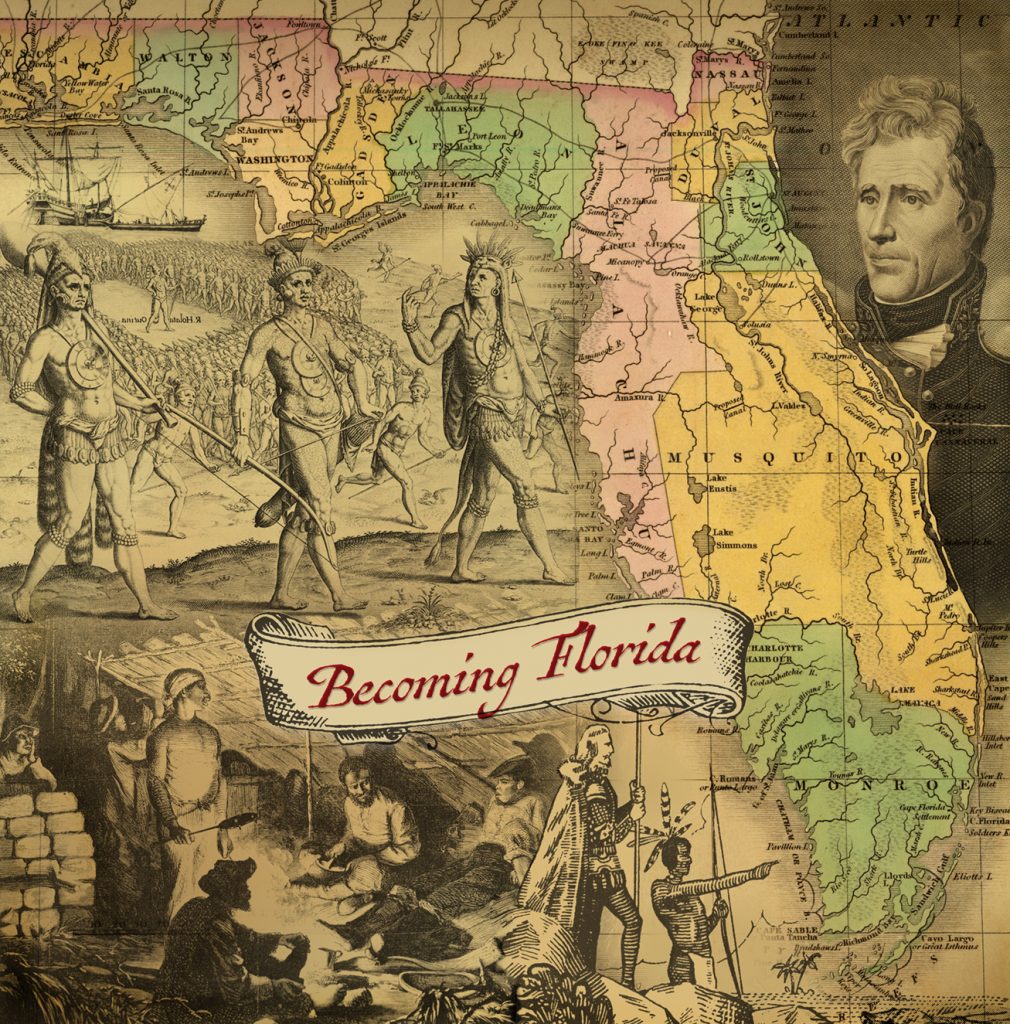
The story begins in 1513 when Juan Ponce de León landed near present-day St. Augustine, claiming the territory for Spain and naming it “La Florida” in honor of the Easter Pascua Florida (Festival of Flowers). This marked the beginning of Spanish Florida, a period characterized by the establishment of missions, military forts, and the earliest European settlements in what would become the United States. St. Augustine, founded in 1565, stands as the oldest continuously inhabited European-established settlement in the continental United States – a true landmark for any history enthusiast. Visitors today can explore its ancient streets, visit the formidable Castillo de San Marcos, and immerse themselves in the Colonial Quarter, experiencing firsthand the echoes of this foundational era.
However, Spanish control was not absolute or unchallenged. In 1763, following the French and Indian War, Spain ceded Florida to Great Britain in exchange for Havana, Cuba. For two decades, Florida was divided into British East Florida and British West Florida, with capitals in St. Augustine and Pensacola respectively. This period saw increased development, with British settlers establishing plantations and trade routes. Yet, the British tenure was relatively short-lived. During the American Revolutionary War, Spain, allied with France, recaptured Florida, and by the 1783 Treaty of Paris, Florida reverted to Spanish control. This second Spanish Florida period was marked by growing American encroachment and border disputes, culminating in ongoing tensions and eventually, the formal transfer of the territory to the United States.
From Territory to State: The American Acquisition
The path to American ownership and subsequent statehood was fraught with challenges. The early 19th century saw escalating conflicts, notably the Seminole Wars, between American forces and the Seminole people and their allies, many of whom were runaway slaves seeking refuge in Florida. These conflicts, combined with Spain’s weakening grip on its colonial possessions, led to the Adams-Onís Treaty of 1819. Under this treaty, Spain officially ceded Florida to the United States in exchange for $5 million and the relinquishment of American claims to Texas.
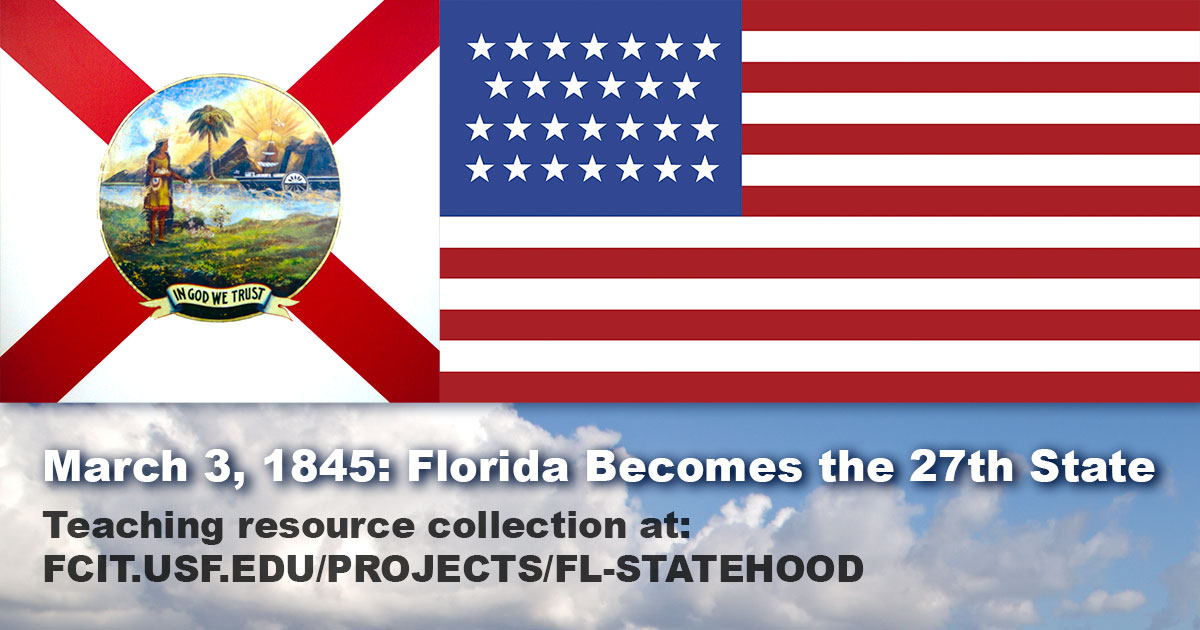
On July 17, 1821, Florida officially became a U.S. territory, with Andrew Jackson appointed as its first military governor. The capital was eventually established at Tallahassee, a central point between the former East and West Florida capitals of St. Augustine and Pensacola. As a territory, Florida began to develop its infrastructure, economy, and political identity, though debates over slavery and the rights of the Seminole people continued to shape its internal affairs. The desire for statehood grew, driven by increasing population and the aspiration for greater self-governance. After years of petitions and political maneuvering, often tied to the larger national debate over the balance of free and slave states, Florida was finally admitted to the Union. On March 3, 1845, it officially became the 27th state, entering alongside Iowa to maintain the delicate balance.
The Birth of a Tourist Paradise: Early Development and Iconic Landmarks
Florida’s journey to statehood laid the crucial foundation for its transformation into a global travel and tourism powerhouse. With stability came investment, and the unique climate and natural beauty of the region soon caught the attention of industrialists and developers with a vision.
One of the most influential figures in Florida’s early development was Henry Flagler. A co-founder of Standard Oil, Flagler visited Florida in the late 19th century and immediately recognized its potential as a winter resort destination for the wealthy. His ambitious project, the Florida East Coast Railway, extended rail lines down the Atlantic Coast, opening up previously isolated areas to development. Along this railway, Flagler built a series of opulent hotels that redefined luxury travel.
The Ponce de Leon Hotel in St. Augustine, completed in 1888, was a marvel of its time, featuring intricate Spanish Renaissance architecture and pioneering amenities like electricity. Today, this historic landmark serves as the centerpiece of Flagler College, inviting visitors to marvel at its grandeur. Further south, Flagler’s vision created new resort towns, including Palm Beach, where he built the magnificent Royal Poinciana Hotel and later The Breakers Palm Beach, which remains an iconic luxury resort. His railway eventually reached Key West, opening up the entire state to a new era of tourism.
Experiencing Florida’s Rich History Today: Travel and Accommodation
For travelers eager to delve into Florida’s past, the state offers a wealth of opportunities to explore its historical landmarks and cultural sites, often seamlessly integrated with modern amenities and vibrant local experiences.
-
St. Augustine: As the oldest city in the United States, St. Augustine is a living museum. Beyond the Castillo de San Marcos and the Colonial Quarter, visitors can explore the St. Augustine Pirate & Treasure Museum, climb the St. Augustine Lighthouse & Maritime Museum for panoramic views, or stroll down St. George Street with its charming shops and restaurants. Accommodation options range from historic bed and breakfasts in the Old City to modern hotels and luxurious resorts along the nearby beaches, blending historical charm with contemporary comfort.
-
Pensacola: Located in the panhandle, Pensacola boasts a rich history as Florida’s first Spanish settlement. The Historic Pensacola Village preserves a collection of beautifully restored homes and museums spanning centuries of occupation by five different flags. The National Naval Aviation Museum offers a fascinating look into military history, while the pristine Pensacola Beach provides a perfect blend of relaxation and historical exploration.
-
Tallahassee: As the state capital, Tallahassee is home to the Old Florida State Capitol Museum, a striking red-brick building that chronicles Florida’s political evolution. The nearby Mission San Luis de Apalachee offers a unique glimpse into 17th-century Spanish and Apalachee Indian life, a critical period during Florida’s territorial days. Tallahassee also features charming boutique hotels and modern accommodations suitable for both leisure and business travelers.
-
Key West: The southernmost point of the United States, Key West, offers a distinct historical and cultural experience. Its unique architecture, maritime heritage, and connection to literary giants like Ernest Hemingway make it a captivating destination. Visit the Ernest Hemingway Home and Museum, explore the Key West Shipwreck Museum, or simply wander through Old Town to soak in its bohemian atmosphere. Key West offers a range of accommodations, from historic guesthouses and boutique hotels to luxury resorts on the waterfront, catering to every travel style.
Beyond these well-known hubs, many other cities and towns across Florida offer glimpses into its past. From the antebellum charm of Fernandina Beach on Amelia Island to the historic districts of Tampa and Miami, the state’s history is ever-present. Travelers seeking a blend of history and luxury can find exceptional experiences at iconic establishments like The Breakers Palm Beach, an enduring symbol of Gilded Age grandeur, or the Mediterranean-inspired Don CeSar in St. Pete Beach, known as the “Pink Palace,” which has hosted celebrities and dignitaries since the 1920s. These historic hotels not only offer exquisite accommodation but also serve as living monuments to Florida’s glamorous past.
The Ever-Evolving Sunshine State: Lifestyle and Future Travel
Florida’s statehood in 1845 was more than just a political milestone; it was the genesis of a dynamic society and a burgeoning economy that would eventually become a global leader in tourism. The diverse influences of its colonial past – Spanish, British, and American – blended with the traditions of its indigenous populations, have forged a unique Florida lifestyle that celebrates cultural diversity, innovation, and an appreciation for its natural splendor.
Today, Florida caters to every conceivable travel desire and lifestyle. For families, the world-famous theme parks of Orlando, such as Walt Disney World Resort and Universal Orlando Resort, offer unparalleled entertainment and accommodation options ranging from budget-friendly suites to luxurious, themed resorts. Adventure seekers can explore the unique ecosystems of Everglades National Park, kayak through mangrove tunnels, or dive into the vibrant coral reefs of the Florida Keys.
Those seeking relaxation will find solace on the state’s endless stretches of coastline. From the bustling energy of South Beach in Miami to the tranquil, shell-laden shores of Sanibel Island and Captiva Island on the Gulf Coast, or the soft, white sands of Siesta Key Beach, Florida’s beaches are legendary. Coastal towns like Naples and Fort Lauderdale offer upscale shopping, fine dining, and sophisticated resort experiences, perfect for luxury travel.
Florida’s statehood also paved the way for its significant contributions to science and space exploration. A visit to the Kennedy Space Center Visitor Complex on the Space Coast offers an awe-inspiring look at humanity’s journey to the stars, connecting innovation with the state’s pioneering spirit. This blend of historical depth, natural wonders, and futuristic vision creates a multifaceted travel experience unmatched by many other destinations. The focus on preserving local culture, promoting sustainable tourism, and continuously enhancing visitor experiences means that Florida remains at the forefront of the global travel industry.
In conclusion, understanding “When Florida Became A State?” is much more than knowing a date on a calendar. It’s an invitation to explore the profound historical currents that have shaped this incredible destination. From the ancient stones of St. Augustine to the vibrant nightlife of Miami, every corner of the Sunshine State tells a story rooted in its rich past. Whether you’re planning a family trip, a luxury escape, a business stay, or an adventurous exploration, Florida’s history adds an invaluable layer to its already magnetic appeal, inviting travelers to not just visit, but to truly understand and appreciate its unique journey.