
The allure of a perfectly cooked New York strip steak is undeniable. It’s a classic for a reason: a robust beefy flavor, a satisfying chew, and a beautiful sear that promises a culinary delight. For travelers seeking to immerse themselves in the vibrant culinary scene of a destination, mastering a few key dishes can elevate any trip. Learning to prepare a signature dish, like a New York strip steak, allows you to recreate a taste of your travels long after you’ve returned home, or even to seek out the best versions while on the road. This guide will equip you with the knowledge to achieve steakhouse-quality results in your own kitchen, enhancing your appreciation for this iconic cut, whether you’re enjoying it in a bustling metropolis like New York City or a cozy trattoria in Italy.
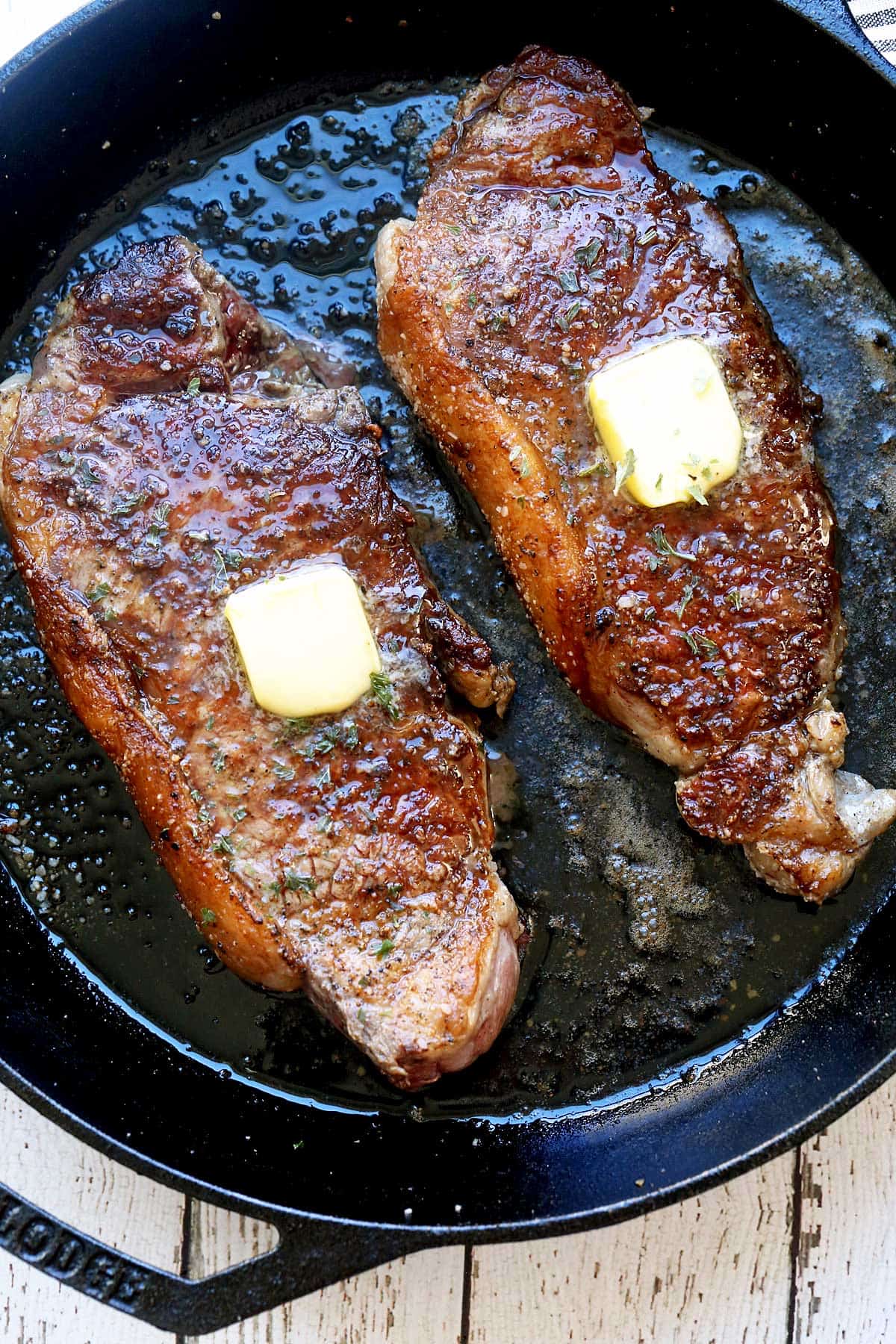
The Foundation: Selecting and Preparing Your New York Strip
The journey to a perfect New York strip steak begins long before it hits the heat. The quality of your ingredients and the meticulousness of your preparation are paramount. This stage is about respecting the steak and setting it up for success.
Choosing the Right Cut
When embarking on your culinary exploration, understanding the nuances of different cuts is key. The New York strip, also known as a Kansas City strip or top loin, is prized for its balance of tenderness and beefy flavor. Look for steaks that are at least 1 to 1.5 inches thick; thinner cuts are more prone to overcooking. The marbling – those flecks of intramuscular fat – is crucial for flavor and juiciness. Aim for a steak with consistent, even marbling throughout. The color should be a vibrant red, indicating freshness. Consider the origin of your beef; locally sourced or prime cuts from reputable butchers often offer superior quality. Whether you’re in the heart of Texas or exploring the vast ranches of Argentina, seeking out quality beef is a worthwhile pursuit.
Bringing the Steak to Room Temperature
This is a critical step often overlooked, but it’s essential for even cooking. A cold steak will cook unevenly, resulting in a seared exterior and a chilled interior. Remove your New York strip steak from the refrigerator at least 30-60 minutes before cooking. The exact time will depend on the thickness of the steak and the ambient temperature of your kitchen. Allowing the steak to reach room temperature ensures that the heat penetrates the meat more uniformly, leading to a more succulent and evenly cooked final product. This preparation is akin to acclimatizing yourself to a new destination; a gradual introduction leads to a more enjoyable experience.
Patting the Steak Dry
Moisture is the enemy of a good sear. Before seasoning, thoroughly pat the entire surface of the steak dry with paper towels. This removes any surface moisture that could steam the steak rather than sear it, preventing the development of that coveted golden-brown crust. A dry surface allows the Maillard reaction – the chemical process responsible for browning and flavor development – to occur efficiently. This meticulousness in preparation mirrors the attention to detail found in the world’s finest resorts, where every element is considered for optimal guest experience.
The Art of the Sear: Achieving a Perfect Crust
The sear is arguably the most visually appealing and texturally significant aspect of a well-cooked steak. It’s where flavor is locked in and a delightful contrast is created. This stage demands precision and an understanding of high-heat cooking.
High-Heat Searing Techniques
The key to a great sear is intense heat. A cast-iron skillet is the preferred tool for many chefs due to its excellent heat retention and distribution. Preheat your skillet over medium-high to high heat until it’s smoking hot. This high temperature is crucial for quickly developing a crust without overcooking the interior. You can also achieve a fantastic sear on a very hot grill. The goal is to create a rapid browning reaction on the surface of the steak. This is a technique honed by chefs in renowned steakhouses, much like the masterful craft of building iconic structures like the Eiffel Tower.
The Importance of Fat and Seasoning
Generously season your New York strip steak on all sides with coarse salt (like kosher salt) and freshly ground black pepper just before cooking. The salt helps to draw out moisture, which then reabsorbs into the steak, leading to a more tender and flavorful result. A high smoke point oil, such as canola, grapeseed, or avocado oil, should be added to the hot pan. Once the oil is shimmering and almost smoking, carefully place the steak in the skillet. Avoid overcrowding the pan, as this will lower the temperature and lead to steaming rather than searing. This seasoning and searing process is akin to experiencing the vibrant street food scene in Mexico City, where bold flavors and fresh ingredients come together to create something extraordinary.
Developing the Crust: Timing and Flipping
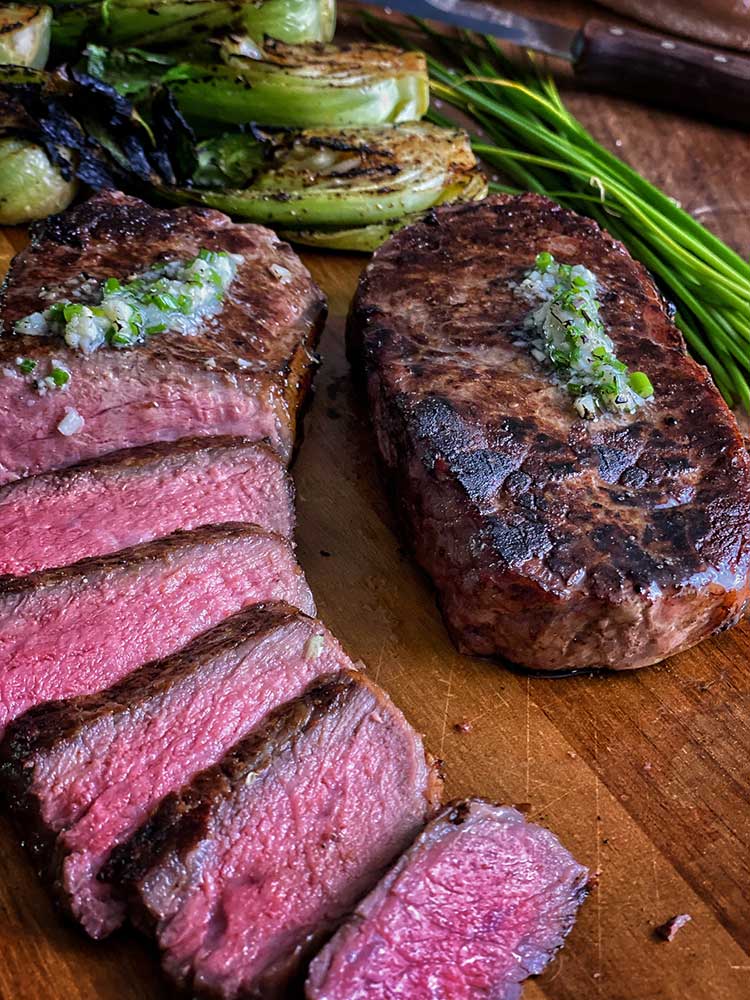
Sear the steak for 2-4 minutes per side, depending on its thickness and your desired level of doneness. Resist the urge to move the steak around too much during this initial searing period; let it develop a deep, golden-brown crust. You can also sear the edges of the steak by holding it with tongs for about 30 seconds each. For steaks thicker than 1.5 inches, you may need to transfer the skillet to a preheated oven (around 400°F or 200°C) to finish cooking after searing. This allows the interior to reach the desired temperature without burning the exterior.
Mastering Doneness: The Final Frontier of Perfection
Achieving the perfect level of doneness is a matter of personal preference, but it requires careful monitoring and understanding of internal temperatures. This is where precision truly shines.
Understanding Steak Temperatures
The most reliable way to gauge doneness is by using an instant-read meat thermometer. Insert the thermometer into the thickest part of the steak, avoiding any bone or fat pockets. Here are the general temperature guidelines for different levels of doneness:
- Rare: 120-125°F (49-52°C) – Cool to warm red center.
- Medium-Rare: 130-135°F (54-57°C) – Warm red center. This is often considered the ideal for New York strip.
- Medium: 135-140°F (57-60°C) – Warm pink center.
- Medium-Well: 140-145°F (60-63°C) – Slightly pink center.
- Well-Done: 150°F+ (65°C+) – Little to no pink.
Remember that the steak’s internal temperature will rise by a few degrees as it rests, so aim to pull it from the heat a few degrees below your target temperature. This meticulous attention to detail is reminiscent of the precise itineraries crafted for luxury tours, ensuring every moment is perfectly timed and executed.
The Crucial Rest: Allowing Juices to Redistribute
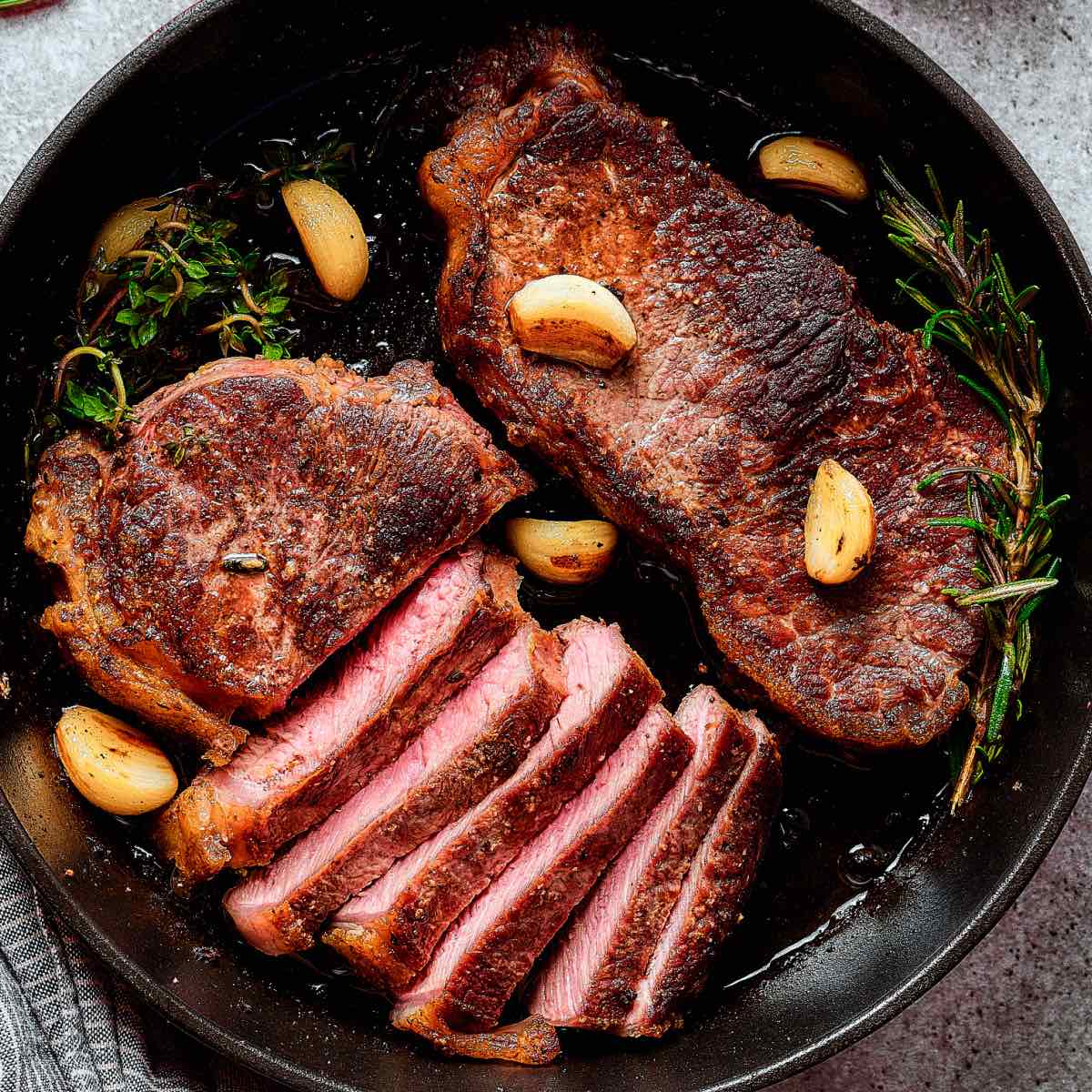
Once the steak reaches your desired temperature, remove it from the heat and transfer it to a clean cutting board or warm plate. Tent it loosely with aluminum foil and let it rest for at least 5-10 minutes. This resting period is absolutely crucial. It allows the muscle fibers to relax and the juices to redistribute throughout the steak. If you cut into the steak too soon, all those delicious juices will run out onto the plate, leaving you with a dry, less flavorful result. This patience and respect for the process is as important as the initial preparation, akin to the tranquility found in a serene Japanese garden.
Elevating the Experience: Serving and Enjoying Your Masterpiece
The final act of enjoying your New York strip steak is as important as its preparation. Presentation and complementary flavors can transform a great steak into an unforgettable culinary experience.
Slicing and Presentation
After resting, slice the New York strip steak against the grain. This is important because the grain refers to the direction of the muscle fibers. Cutting against the grain shortens these fibers, making the steak more tender and easier to chew. Arrange the slices on a warm plate. You can finish the steak with a drizzle of its own resting juices, a knob of compound butter (herbs and garlic, perhaps), or a sprinkle of flaky sea salt. The visual appeal of a perfectly sliced steak is a testament to the care taken.
Pairing with Sides and Beverages
A perfectly cooked New York strip steak is a star on its own, but it also pairs beautifully with a variety of accompaniments. Classic steakhouse sides like creamy mashed potatoes, crisp asparagus, or a fresh green salad complement the richness of the steak. For a truly elevated dining experience, consider what wines or other beverages would best enhance your meal. A bold Cabernet Sauvignon or a robust Merlot are traditional choices that stand up well to the steak’s flavor. If you prefer something lighter, a Pinot Noir can also be a delightful pairing. Exploring these pairings can be an adventure in itself, much like discovering the local wines in regions like Napa Valley or the celebrated vineyards of France. Whether you’re enjoying this steak at a Michelin-starred restaurant or recreating its magic at home after a memorable trip, the goal is to savor every bite.
LifeOutOfTheBox is a participant in the Amazon Services LLC Associates Program, an affiliate advertising program designed to provide a means for sites to earn advertising fees by advertising and linking to Amazon.com. Amazon, the Amazon logo, AmazonSupply, and the AmazonSupply logo are trademarks of Amazon.com, Inc. or its affiliates. As an Amazon Associate we earn affiliate commissions from qualifying purchases.