
The art of cooking a perfect New York steak is often elevated by its seasoning. A well-seasoned steak allows the inherent flavors of the high-quality beef to shine through, creating a culinary experience that is both satisfying and memorable. This guide delves into the essential techniques and considerations for seasoning a New York steak, transforming a simple cut of meat into a gourmet delight.
The Foundation: Understanding Your Steak and Salt
Before even reaching for the salt shaker, it’s crucial to understand the star of the show: the New York steak itself. Also known as a strip steak, Kansas City strip, or top loin steak, this cut is prized for its balance of tenderness and robust beefy flavor, attributed to its moderate marbling and a firm texture. The success of any seasoning lies in its ability to complement, not overpower, these natural qualities.
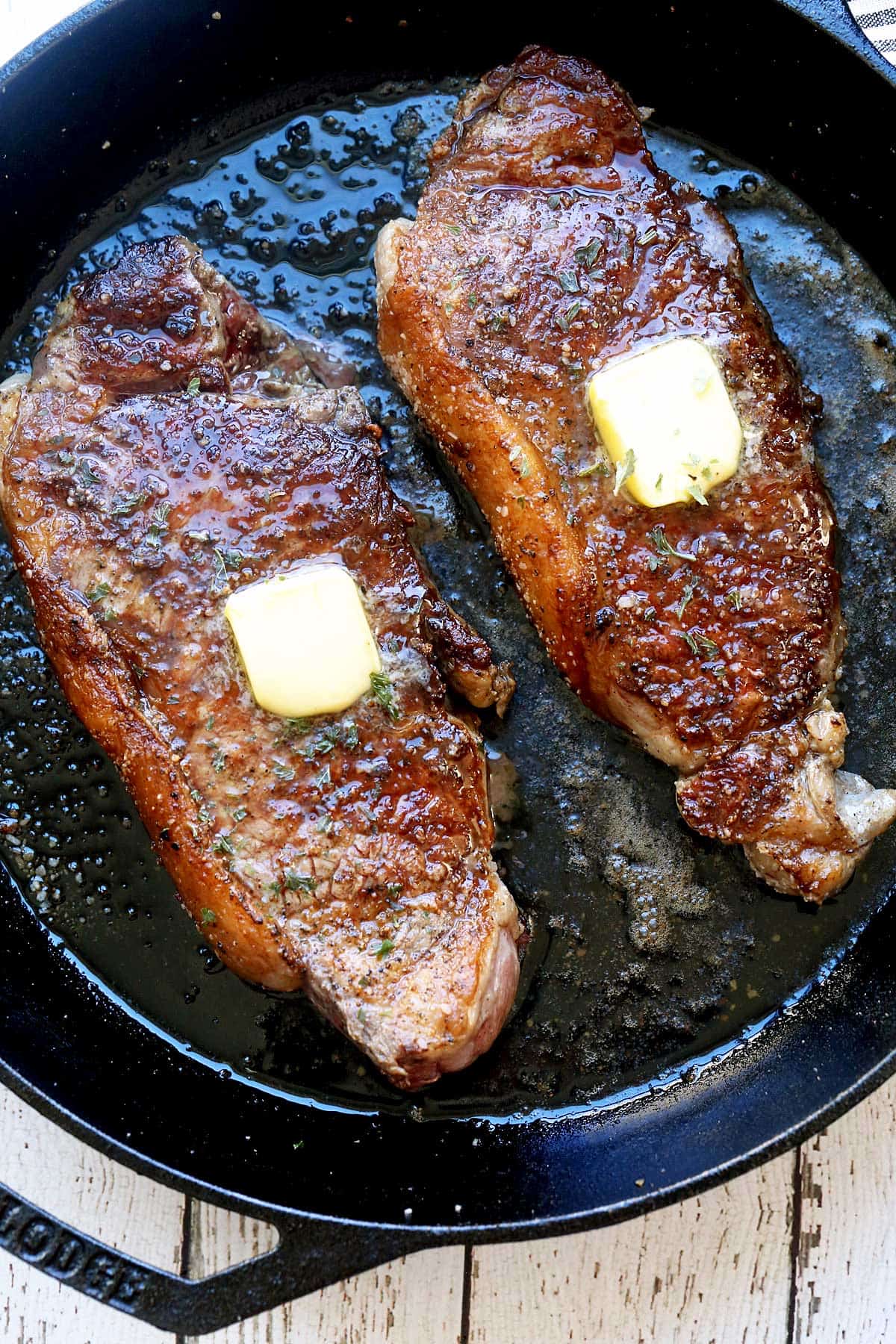
The Role of Salt
Salt is not merely a flavor enhancer; it’s a transformative ingredient. For steak, coarse salt, such as kosher salt or sea salt, is generally preferred over fine table salt. Its larger crystals provide a better grip on the meat’s surface, allowing for more even distribution and penetration.
Kosher Salt: This salt has a cleaner, sharper taste and a flakier texture. Its larger crystals make it easier to control the amount you’re using, preventing over-salting. Brands like Diamond Crystal kosher salt are highly regarded by chefs for their texture and flavor.
Sea Salt: Available in various grain sizes, sea salt offers a complex mineral profile. Flaky sea salts, like Maldon sea salt, are particularly excellent for finishing, providing a delightful crunch and burst of briny flavor just before serving.
When to Salt: The timing of salting significantly impacts the steak’s texture and moisture content.
- Pre-salting (Overnight or at least 40 minutes): Salting the steak at least 40 minutes before cooking, and ideally overnight uncovered in the refrigerator, allows the salt to draw out moisture, which then dissolves the salt. This salty brine is reabsorbed back into the meat, seasoning it more deeply and tenderizing it. This method results in a more evenly seasoned interior and a drier surface, which is crucial for achieving a superior sear.
- Last-Minute Salting (Immediately before cooking): If time is short, salting immediately before cooking is the next best option. This method will season the surface of the steak, contributing to a flavorful crust. However, it can draw moisture to the surface right before it hits the heat, potentially hindering a deep sear.
The “Why” Behind the Salting Times: When salt is applied, it works through osmosis. Initially, it draws moisture out of the steak. If left for a significant period (40 minutes or more), this expelled moisture dissolves the salt, creating a brine. The steak then begins to reabsorb this brine, which seasons the muscle fibers from within. This process also breaks down some of the protein structures, leading to a more tender steak. Salting too close to cooking (less than 30-40 minutes) means the moisture has been drawn out but not yet reabsorbed, leaving the surface wetter and potentially steamier rather than seared.
Beyond Salt: Exploring Other Seasoning Enhancements
While salt is the undisputed king of steak seasoning, other ingredients can add layers of complexity and aroma. The key is to use these additions judiciously, ensuring they complement the natural beef flavor rather than masking it.
Black Pepper: The Classic Pairing
Freshly ground black pepper is the most common and effective partner for salt on a New York steak. Its pungent, slightly spicy notes cut through the richness of the beef and provide a delightful contrast to the savory saltiness.
Grinding Matters: Always opt for freshly ground black pepper. Pre-ground pepper loses much of its aromatic volatile oils and can taste dusty or stale. A good pepper mill allows you to control the coarseness of the grind. A medium-coarse grind is typically ideal for steak, as it provides visible flecks of pepper and releases its flavor gradually during cooking.
When to Add Pepper: Pepper can burn at high heat, leading to a bitter taste. Therefore, it’s often best to add black pepper either just before cooking or after the steak has been seared and is on indirect heat, or even as a finishing touch. Some prefer to season with pepper at the same time as salt, accepting the slight risk of charring for the integrated flavor. Experimentation is key to finding your personal preference.
Aromatics: Herbs and Garlic
Fresh herbs and garlic can infuse the steak with fragrant oils, adding another dimension to its flavor profile.
Herbs: Sturdy herbs like rosemary, thyme, and sage are excellent choices for steak. They can withstand the heat of cooking and release their essential oils as they cook.
- Rosemary: Its pine-like aroma is robust and pairs beautifully with beef.
- Thyme: Offers a more delicate, earthy, and slightly floral note.
- Sage: Provides a warm, slightly peppery, and earthy flavor.
Garlic: While whole cloves of garlic can be added to the pan during searing or finishing, minced garlic can burn easily if added too early. Many chefs prefer to use garlic-infused butter or oil, or to smash whole cloves and add them to the pan with herbs towards the end of cooking.
Application Techniques:
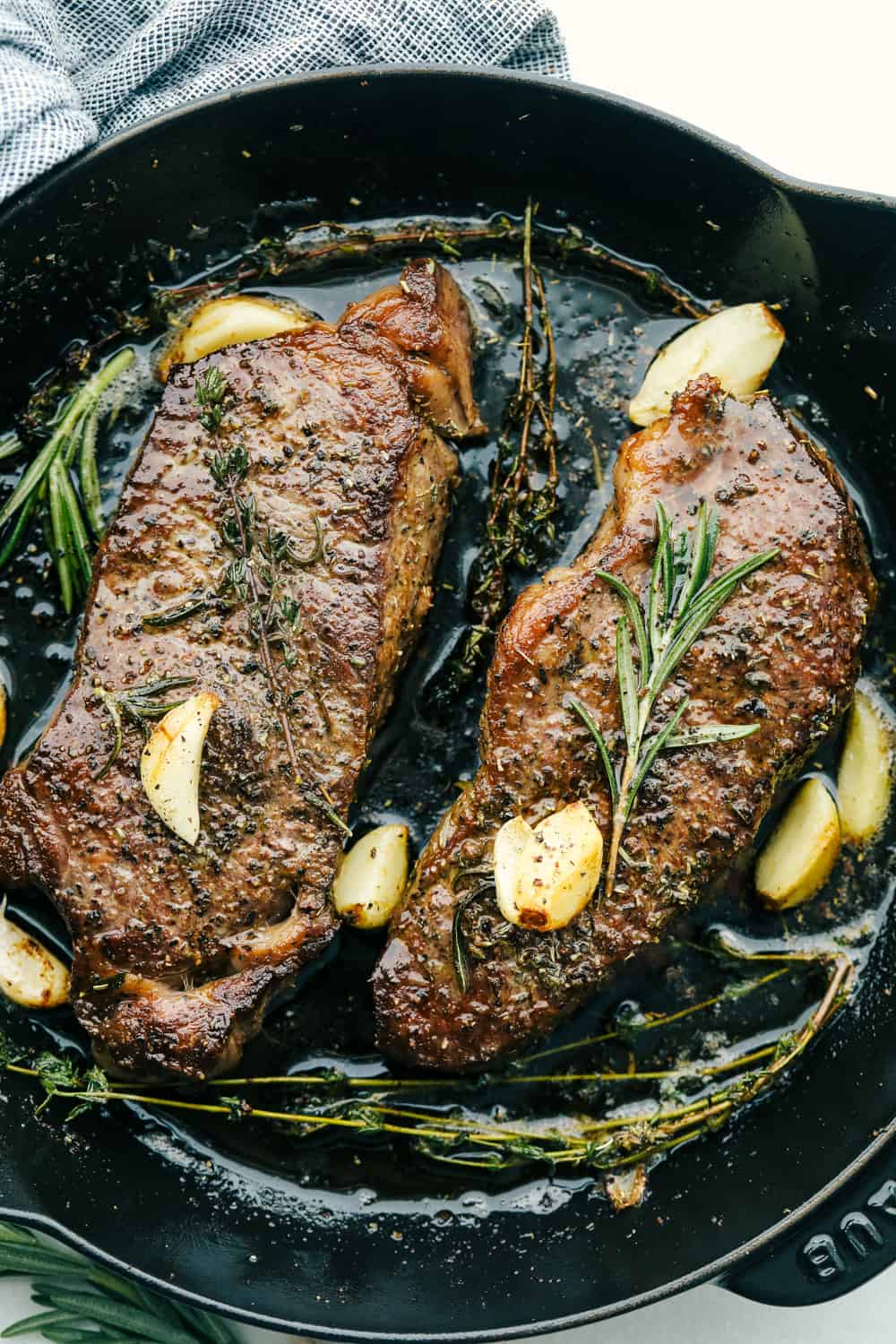
- Direct Application: Rubbing fresh herbs or crushed garlic directly onto the steak before cooking can be effective, especially if pan-searing or grilling.
- Herb Rubs: Combine chopped fresh herbs with salt, pepper, and perhaps a touch of garlic powder to create a rub that can be applied before cooking.
- Basting: During the final stages of cooking, especially when pan-searing, basting the steak with melted butter infused with herbs and garlic is a highly effective method for imparting flavor and creating a glossy finish.
Beyond the Basics: A Touch of Spice and Sweetness
For those seeking more adventurous flavor profiles, a few other seasonings can elevate a New York steak.
Paprika: Smoked paprika, in particular, can lend a beautiful color and a subtle smoky depth. Sweet paprika offers a mild sweetness and color without the smokiness. Use sparingly to avoid overpowering the beef.
Chili Flakes: A pinch of red pepper flakes can add a gentle warmth and a hint of heat. This is best used in moderation, allowing the chili’s flavor to complement, not dominate.
Mustard Powder: Adds a subtle tang and complexity that can cut through the richness of the steak.
Considerations for Advanced Seasoning: When using multiple seasonings, it’s crucial to balance their flavors. Start with small amounts and taste as you go. The goal is always to enhance the steak’s natural taste, not to create a dish that tastes primarily of its seasonings.
The Art of Application: Mastering the Technique
The best seasonings in the world will fall short if they are not applied correctly. The method of application, coupled with the quality of the ingredients, determines the final outcome of your New York steak.
Pre-Cooking Application: Building the Flavor Base
This is where the foundation of your steak’s flavor is laid. Regardless of whether you’ve pre-salted, the initial seasoning application sets the stage for the cooking process.
Even Distribution: Ensure that your seasonings, especially salt and pepper, are distributed as evenly as possible across all surfaces of the steak – the top, bottom, and sides. This ensures that every bite is flavorful. For larger steaks, consider using a wider, shallower dish to allow for easier seasoning of all angles.
Pressing the Seasonings: Gently press the seasonings into the surface of the steak. This helps them adhere and begin to meld with the meat’s surface. For salt, this is particularly important for a good sear.
Resting After Seasoning: If you are not pre-salting well in advance, allow the seasoned steak to rest at room temperature for at least 30-60 minutes before cooking. This brings the steak closer to room temperature, promoting more even cooking from edge to center, and allows the surface moisture to evaporate slightly, aiding in the sear.
During Cooking: Enhancing and Finishing
While the bulk of the seasoning is typically done before cooking, there are opportunities to enhance flavor during the cooking process.
Pan-Searing and Basting: When pan-searing, the fat in the pan can be used to carry flavors. Melted butter, combined with garlic cloves and hardy herbs like thyme or rosemary, can be spooned over the steak as it cooks. This process, known as basting, infuses the steak with aromatic compounds and helps create a beautiful, flavorful crust. The melted butter coats the steak, carrying the infused flavors and promoting a more even browning.
Grilling: On the grill, the smoky flavor of the charcoal or gas can be augmented by adding wood chips or bundles of fresh herbs to the heat source. Seasonings applied before grilling will develop a char and caramelize beautifully.
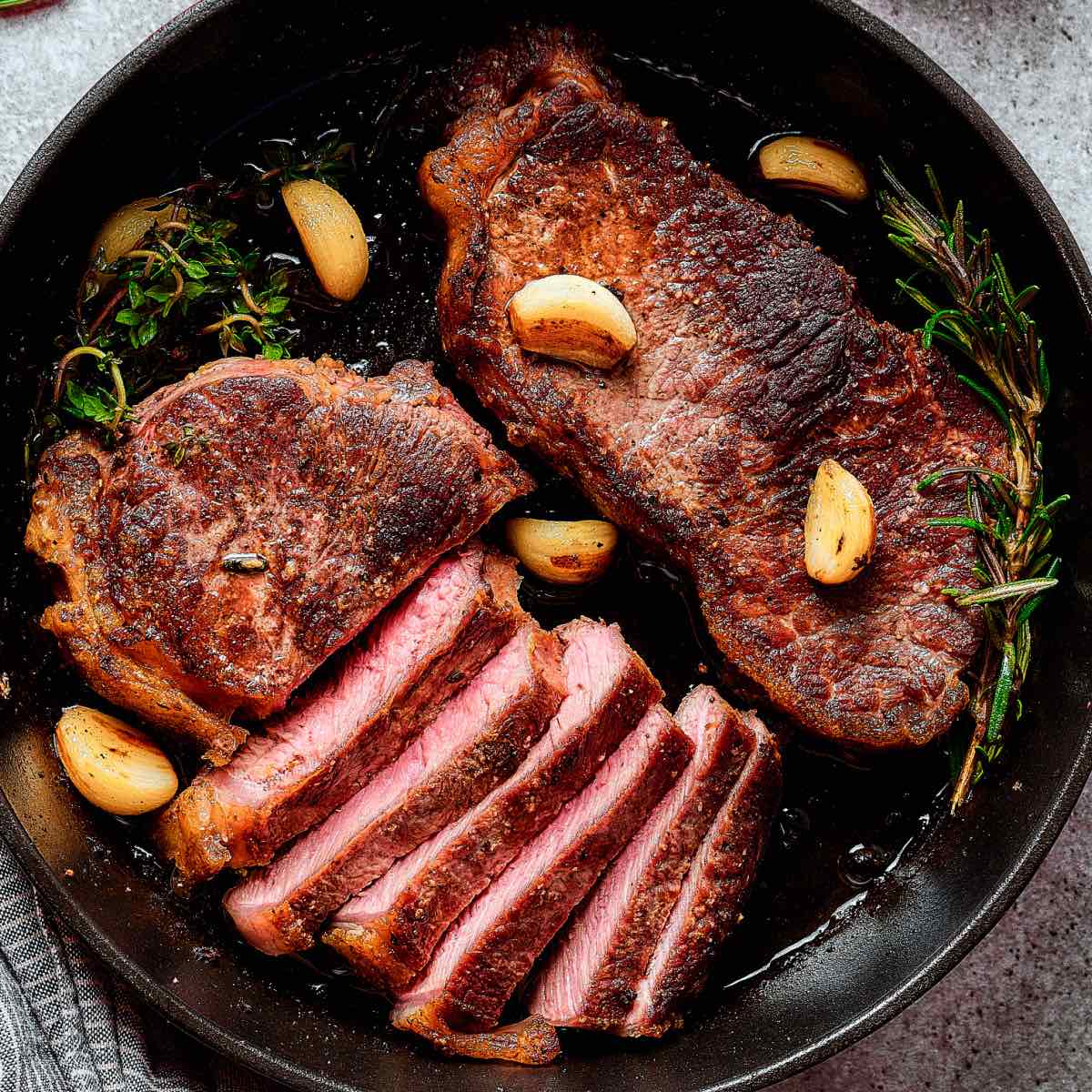
Post-Cooking Application: The Final Flourish
The final touch can make a significant difference. This is where you can add elements that might burn during cooking or introduce a fresh burst of flavor.
Flaky Sea Salt: A sprinkle of flaky sea salt just before serving offers a delightful textural contrast and a clean, bright burst of salinity. It provides a pleasant crunch and intensifies the steak’s inherent flavors without making the entire steak taste overly salty.
Fresh Herbs: Finely chopped fresh parsley, chives, or a few delicate thyme leaves can add a touch of freshness and visual appeal.
Finishing Sauces or Butters: While not strictly seasoning, a dollop of compound butter (e.g., herb butter, garlic-butter) or a light pan sauce can add a final layer of richness and flavor.
By understanding the fundamental role of salt, exploring the complementary flavors of other seasonings, and mastering the techniques of application, you can transform a New York steak into a truly exceptional dining experience. Whether you prefer a simple, classic preparation or a more complex flavor profile, the journey of seasoning is an integral part of the art of cooking steak.
LifeOutOfTheBox is a participant in the Amazon Services LLC Associates Program, an affiliate advertising program designed to provide a means for sites to earn advertising fees by advertising and linking to Amazon.com. Amazon, the Amazon logo, AmazonSupply, and the AmazonSupply logo are trademarks of Amazon.com, Inc. or its affiliates. As an Amazon Associate we earn affiliate commissions from qualifying purchases.