
Establishing a Limited Liability Company (LLC) in New York is a strategic move for entrepreneurs looking to protect their personal assets while enjoying the flexibility of a pass-through entity for taxation. The Empire State offers a robust framework for business formation, making it an attractive location for startups and established businesses alike. Navigating the process, however, requires a clear understanding of the steps involved and the specific regulations of New York. This guide will walk you through the essential phases of setting up your LLC, from initial conceptualization to formal registration.
Understanding the LLC Structure and Its Benefits in New York
An LLC offers a hybrid structure, combining the liability protection of a corporation with the operational flexibility and tax advantages of a partnership or sole proprietorship. For business owners in New York, this means that their personal assets—such as their homes, vehicles, and personal bank accounts—are generally shielded from business debts and lawsuits. This separation is a cornerstone of the LLC’s appeal, providing peace of mind and fostering a more secure entrepreneurial environment.
Liability Protection: The Core Advantage
The primary allure of an LLC is its ability to limit the personal liability of its owners, known as members. If the LLC incurs debt or faces legal action, the creditors and claimants can typically only pursue the assets of the LLC itself, not the personal wealth of the members. This protection is contingent on maintaining a clear separation between personal and business finances and adhering to corporate formalities, even for a relatively informal structure like an LLC. This is a critical distinction, especially when considering a venture in a bustling economic hub like New York, where business activity and potential risks are high.
Tax Flexibility: Pass-Through Taxation
Unlike traditional corporations (C-corps), LLCs are typically treated as pass-through entities for tax purposes. This means the LLC itself does not pay federal income tax. Instead, the profits and losses of the business are “passed through” to the individual members and reported on their personal income tax returns. This avoids the “double taxation” that can occur with C-corps, where profits are taxed at the corporate level and again when distributed to shareholders as dividends. Members of a New York LLC can choose how they want to be taxed, including as a sole proprietorship (if it’s a single-member LLC), a partnership, an S-corporation, or a C-corporation, allowing for tax optimization based on individual circumstances.
Operational Simplicity and Flexibility
LLCs generally have fewer administrative burdens and reporting requirements compared to corporations. They are not typically required to hold annual shareholder meetings or maintain extensive corporate minutes, though it’s always advisable to keep good records. The operating agreement, which governs the internal operations of the LLC, can be customized to suit the specific needs and goals of the members, providing a high degree of flexibility in management and profit distribution. This adaptability is invaluable for businesses of all sizes operating within the dynamic New York market.
Step-by-Step Guide to Setting Up Your New York LLC
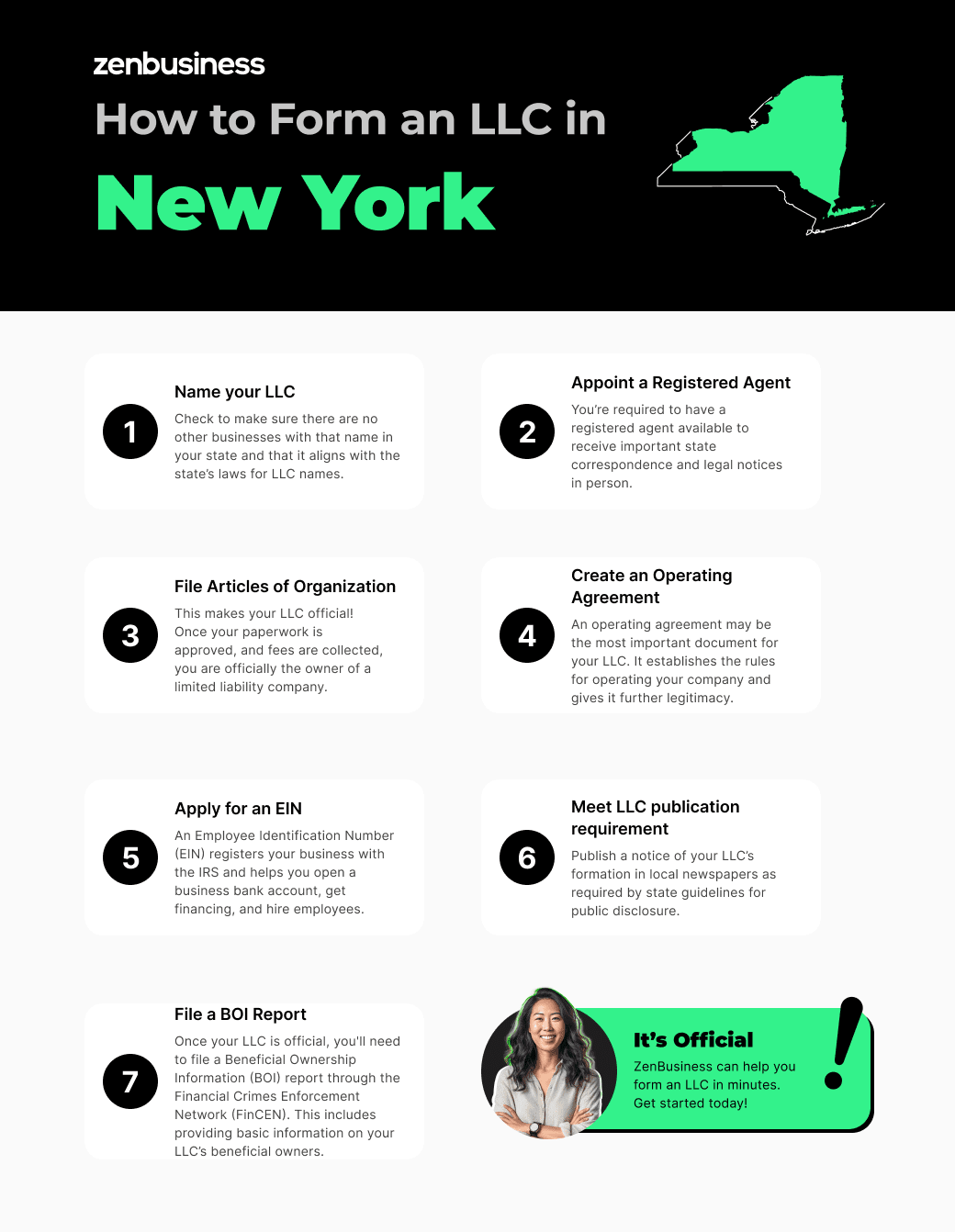
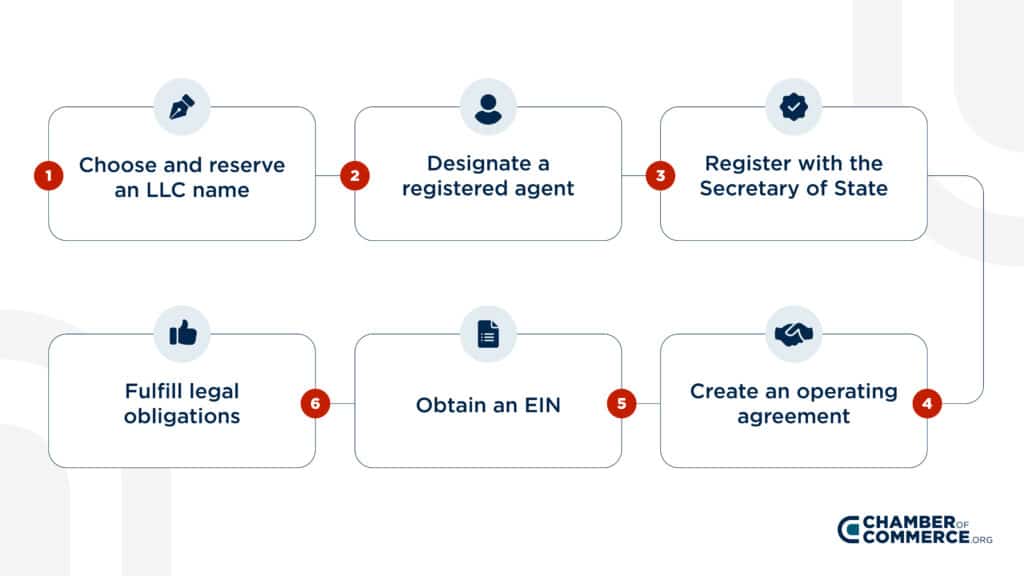
Forming an LLC in New York involves several key steps, each requiring careful attention to detail. Adhering to the procedures outlined by the New York Department of State is crucial for a smooth and legally sound formation process.
1. Choose a Name for Your LLC
Selecting a distinctive and available name is the first substantive step. The name must comply with New York State naming requirements. It must include the words “Limited Liability Company” or the abbreviation “LLC” or “L.L.C.” The name must also be distinguishable from the names of other registered business entities in New York.
Checking Name Availability
Before committing to a name, it’s essential to check its availability. You can do this by searching the New York Department of State’s Corporation and Business Entity Database online. This search will reveal if your desired name is already in use.
Reserving Your LLC Name (Optional)
If you have a name in mind but are not ready to file your formation documents, you can reserve the name for up to 60 days by submitting an Application for Reservation of Name to the Department of State. This ensures that no other entity can register a business with that name during your reservation period.
2. Designate a Registered Agent
New York requires every LLC to have a registered agent, also known as a designated agent for service of process. This individual or company must have a physical street address in New York (a P.O. Box is not acceptable) and be available during normal business hours to receive legal documents, such as lawsuits, on behalf of the LLC. You can serve as your own registered agent if you meet these requirements, or you can hire a commercial registered agent service.
3. File the Articles of Organization
This is the formal document that officially creates your LLC with the state. The Articles of Organization must be filed with the New York Department of State. This document typically includes:
- The name of the LLC.
- The county in New York where the LLC’s principal office will be located.
- The designation of the Secretary of State as agent for service of process, along with the name and address of an additional service of process (which can be the LLC itself or a designated agent).
- If the LLC is to have a specific dissolution date, that date.
The filing fee for Articles of Organization in New York is currently $200.
4. Create an Operating Agreement
While not legally required by the state for an LLC to be formed, a comprehensive Operating Agreement is highly recommended. This internal document outlines the ownership structure, member responsibilities, profit and loss distribution, management of the LLC, and procedures for adding or removing members, among other critical operational details. A well-drafted Operating Agreement can prevent future disputes and ensure clarity among members, especially in a diverse business environment like New York.

5. Publish Notice of Formation
This is a unique requirement in New York that differentiates it from many other states. Within 120 days of your Articles of Organization becoming effective, you must publish a notice of formation in two newspapers designated by the county clerk in the county where your LLC’s principal office is located. One newspaper must be a weekly publication, and the other a daily publication. After publication, you must obtain an Affidavit of Publication from each newspaper.
Filing the Certificate of Publication
Once you have the Affidavits of Publication, you must file a Certificate of Publication with the New York Department of State. This certificate must be accompanied by the newspaper affidavits and a filing fee (currently $50). Failure to complete this publication requirement can result in the suspension of your LLC’s authority to conduct business in New York.
Essential Post-Formation Steps for Your New York LLC
After successfully filing your formation documents and completing the publication requirement, there are several crucial steps to ensure your LLC operates compliantly and efficiently within New York.
Obtaining an Employer Identification Number (EIN)
An Employer Identification Number (EIN), also known as a Federal Tax Identification Number, is like a Social Security number for your business. You will need an EIN from the Internal Revenue Service (IRS) if your LLC:
- Has more than one member.
- Plans to hire employees.
- Operates as a corporation or partnership for tax purposes.
- Files excise tax returns.
You can apply for an EIN for free on the IRS website. This is a critical step for any business that plans to conduct transactions with other businesses or government agencies.
Opening a Business Bank Account
Maintaining separate finances for your LLC is paramount to preserving your liability protection. Open a dedicated business bank account in the name of your LLC. This account should be used for all business income and expenses. Depositing personal funds or making personal expenditures from this account can “pierce the corporate veil,” potentially exposing your personal assets to business liabilities.
Understanding and Fulfilling Tax Obligations
New York LLCs have various tax obligations at both the federal and state levels. Depending on your business structure and activities, you may need to:
- Federal Taxes: File an annual tax return (e.g., Form 1065 for partnerships, Schedule C with Form 1040 for single-member LLCs, or corporate tax forms if elected).
- State Taxes: File New York State income tax returns. LLCs are also subject to the New York State filing fee, which is based on the LLC’s gross income.
- Sales Tax: If your business sells goods or taxable services, you will need to register for a Certificate of Authority with the New York State Department of Taxation and Finance to collect and remit sales tax.
It is highly advisable to consult with a qualified accountant or tax professional familiar with New York tax laws to ensure compliance.
Complying with Annual Filings and Fees
While New York does not have an annual report requirement for LLCs in the same way some other states do, there are ongoing financial obligations. The primary ongoing state requirement is the payment of the New York LLC filing fee, which is due annually. The amount of this fee is tiered and based on your LLC’s gross income. This fee is critical for maintaining your LLC’s active status with the state.
Maintaining Your New York LLC
The formation of your LLC is just the beginning. Ongoing diligence is essential to maintain its legal standing and the protection it offers.
Adhering to the Operating Agreement
Regularly revisit and adhere to your LLC’s Operating Agreement. Ensure that all business operations, decisions, and distributions align with the terms outlined in this document. Any deviations can weaken the legal separation between the business and its owners.
Keeping Records Up-to-Date
While LLCs have fewer formal record-keeping requirements than corporations, maintaining organized financial records, contracts, and any amendments to your Operating Agreement is crucial. This documentation serves as evidence of the LLC’s separate legal identity and operational integrity.
Staying Informed About Legal and Tax Changes
Business regulations and tax laws are subject to change. It is important to stay informed about any updates that may affect your LLC in New York. Consulting with legal and financial professionals periodically can help you ensure ongoing compliance and identify opportunities for optimization. By following these steps and maintaining diligent oversight, you can successfully establish and operate a robust LLC in the vibrant business landscape of New York.
LifeOutOfTheBox is a participant in the Amazon Services LLC Associates Program, an affiliate advertising program designed to provide a means for sites to earn advertising fees by advertising and linking to Amazon.com. Amazon, the Amazon logo, AmazonSupply, and the AmazonSupply logo are trademarks of Amazon.com, Inc. or its affiliates. As an Amazon Associate we earn affiliate commissions from qualifying purchases.