
Navigating the ever-changing climate of New York City is an essential part of planning any visit, whether you’re drawn by the allure of Times Square, the artistic treasures of the Metropolitan Museum of Art, or the serene beauty of Central Park. Understanding the nuances of its weather patterns will not only help you pack appropriately but also optimize your itinerary to make the most of your experience in this dynamic metropolis. From the crisp air of autumn to the sweltering heat of summer, New York offers a distinct atmospheric character in each of its four seasons, influencing everything from outdoor activities to indoor exploration.

The Four Seasons: A Weather Snapshot
New York City experiences a humid subtropical climate, characterized by significant temperature variations throughout the year. This means visitors can expect a wide spectrum of weather conditions, each with its own unique charm and set of considerations for travelers.
Spring: A Reawakening (March – May)
Spring in New York is a gradual transition from the lingering chill of winter to the warmth of summer. March often begins with unpredictable weather, ranging from late snowfalls to mild, sunny days. As April progresses, the city bursts into bloom, with flowers appearing in Central Park and along the streets. Temperatures typically range from the low 40s to the low 70s Fahrenheit (around 4°C to 23°C).
- Daytime Temperatures: Generally pleasant, ideal for walking tours and exploring neighborhoods like Greenwich Village. A light jacket or sweater is usually sufficient.
- Evening Temperatures: Can still be cool, especially in March and April. Pack a slightly warmer layer for evenings out.
- Precipitation: Spring can be quite rainy, so an umbrella and waterproof shoes are highly recommended. These showers often bring a refreshing cleanse to the city.
- Activities: Perfect for strolling through Bryant Park, visiting outdoor markets, and enjoying rooftop bars as they begin to open for the season.
Summer: The Vibrant Heat (June – August)
Summer in New York is synonymous with long days, high temperatures, and a palpable energy. July and August are typically the hottest months, with temperatures frequently reaching the high 80s and sometimes breaking into the 90s Fahrenheit (around 30°C to 35°C), often accompanied by high humidity.
- Daytime Temperatures: Can be intense, making it crucial to stay hydrated and seek out air-conditioned spaces during peak heat.
- Evening Temperatures: Evenings usually offer some relief, cooling down to the 70s Fahrenheit (around 20°C to 25°C), making them ideal for outdoor dining and enjoying New York’s vibrant nightlife.
- Precipitation: Thunderstorms are common in the summer, often occurring in the late afternoon or early evening. They can be brief but dramatic.
- Activities: The summer months are perfect for exploring the High Line, catching an outdoor concert in Prospect Park, or taking a ferry to Governors Island. Don’t forget sunscreen and a hat!
Autumn: The Golden Season (September – November)
Autumn is often considered the most beautiful time to visit New York City. The oppressive humidity of summer dissipates, replaced by crisp, clear air and stunning foliage. September and October offer mild temperatures, with averages in the 60s and 70s Fahrenheit (around 15°C to 25°C). November sees a noticeable drop, with temperatures cooling into the 40s and 50s Fahrenheit (around 5°C to 15°C) as winter approaches.
- Daytime Temperatures: Consistently pleasant and comfortable, perfect for extensive sightseeing and enjoying the city’s parks adorned with colorful leaves.
- Evening Temperatures: Can become chilly, especially as November progresses. Layers are key, and a medium-weight jacket will be essential.
- Precipitation: Rainfall is generally moderate, but the skies are often clear and bright, offering excellent visibility for capturing iconic views.
- Activities: Autumn is prime time for exploring iconic landmarks like the Statue of Liberty and Ellis Island, enjoying street festivals, and taking advantage of the comfortable weather for museum hopping and theater visits.
Winter: The Cozy Chill (December – February)
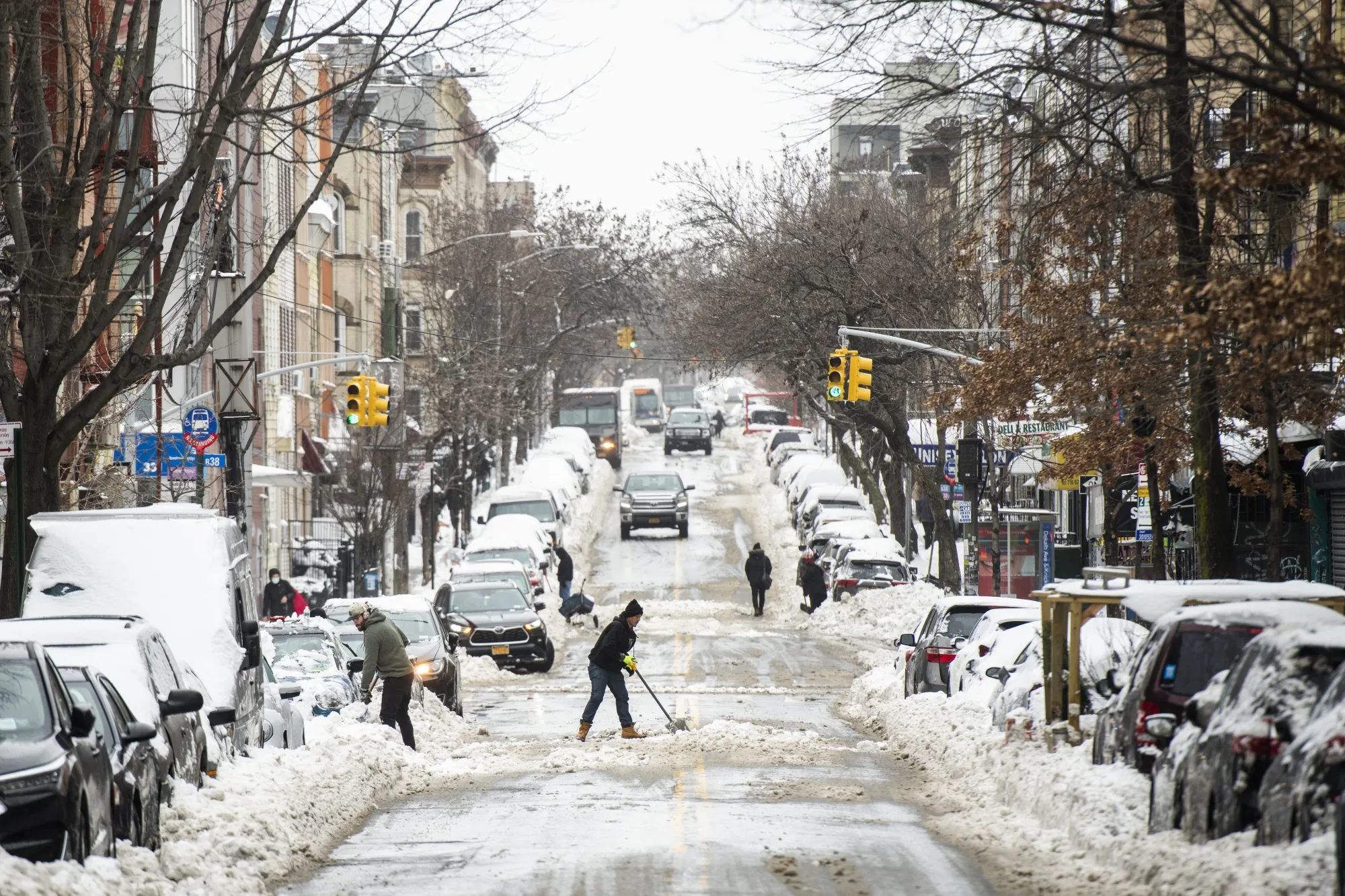
Winter in New York can be cold, with temperatures frequently dipping below freezing. December often brings festive holiday decorations and the possibility of snow, adding a magical ambiance to the city. January and February are typically the coldest months, with average temperatures in the 20s and 30s Fahrenheit (around -5°C to 5°C).
- Daytime Temperatures: Cold, requiring heavy winter clothing, including coats, hats, gloves, and scarves.
- Evening Temperatures: Often drop significantly below freezing, making outdoor activities less appealing for extended periods.
- Precipitation: Snowfall is common and can range from light dustings to significant blizzards, which can disrupt transportation but also create picturesque scenes. Ice can also be a factor.
- Activities: Winter is ideal for indoor pursuits such as visiting world-class museums like the American Museum of Natural History, enjoying Broadway shows, ice skating at Rockefeller Center, and cozying up in charming cafes.
Understanding Microclimates Within the City
While the general weather patterns provide a broad overview, New York City is also subject to microclimates, which are localized atmospheric conditions that can vary significantly from one neighborhood to another. These variations are primarily influenced by urban heat island effects, proximity to water, and the presence of tall buildings.
Urban Heat Island Effect
The density of buildings, roads, and other urban infrastructure in areas like Midtown Manhattan absorbs and retains more solar heat than surrounding rural areas. This means that in the summer, temperatures in the heart of Manhattan can be several degrees warmer than in the outer boroughs or suburban areas. Conversely, in winter, these same areas can retain heat, making them feel slightly milder.
Coastal Influences
Areas closer to the Atlantic Ocean and the East River often experience moderating effects from the water. In summer, this can mean cooler breezes, while in winter, it can lead to increased humidity and a more biting chill. For instance, a visit to Coney Island might feel noticeably different in temperature and wind compared to a visit to Harlem.
Park Variations
Large green spaces like Central Park can create their own microclimates. During hot summer days, the shade from the trees and the presence of water bodies can make the park feel significantly cooler than the surrounding urban jungle. In winter, however, these same areas might experience colder temperatures due to less heat absorption from surfaces.
Packing Smart for Every Season
Effective packing is crucial for a comfortable and enjoyable trip to New York, regardless of the time of year. A strategic approach ensures you’re prepared for both the expected and the unexpected.
Layering is Key
The most versatile approach to packing for New York is to embrace layering. This allows you to adapt to fluctuating temperatures throughout the day and between different environments (e.g., stepping from a cold street into a warm building).
- Base Layer: Lightweight, moisture-wicking fabrics are ideal for any season.
- Mid Layer: Sweaters, fleece jackets, or cardigans provide insulation.
- Outer Layer: A waterproof and windproof jacket is essential, especially for spring and autumn. In winter, a heavy, insulated coat is a must.
Footwear for Exploration
Comfortable walking shoes are non-negotiable for exploring New York City. You’ll likely be doing a lot of walking between attractions like the Empire State Building and Grand Central Terminal.
- Spring/Autumn: Waterproof walking shoes or comfortable sneakers.
- Summer: Breathable sneakers or sandals, depending on planned activities.
- Winter: Insulated, waterproof boots with good traction are essential to handle snow and ice.
Essential Accessories
Don’t forget the small items that can make a big difference.
- Sun Protection: Sunscreen, sunglasses, and a hat are important year-round, especially during summer and in spring when the sun can be deceptively strong.
- Rain Gear: A compact umbrella and a waterproof jacket are lifesavers during the frequent spring showers and potential summer thunderstorms.
- Winter Gear: Gloves, a scarf, and a warm hat are indispensable for surviving the frigid winter months.
Planning Your Itinerary Around the Weather
Leveraging your understanding of New York’s weather can significantly enhance your travel experience, allowing you to align your activities with the most favorable conditions.
Maximizing Outdoor Opportunities
- Spring & Autumn: These are the prime seasons for extensive outdoor exploration. Plan walking tours of neighborhoods like SoHo and The Financial District, enjoy leisurely strolls through Prospect Park, and take advantage of the pleasant temperatures for sightseeing at outdoor landmarks.
- Summer: While hot, summer offers opportunities for activities like visiting beaches, enjoying outdoor performances, and exploring parks in the cooler parts of the day (early morning or late evening). Ferry rides offer a refreshing escape from the heat.
Embracing Indoor Attractions
- Winter: This is the perfect time to immerse yourself in New York’s world-class cultural institutions. Spend days exploring the Museum of Modern Art, catching a Broadway show, or enjoying a leisurely brunch in a cozy restaurant.
- Rainy Days: Regardless of the season, always have a few indoor backup plans. The New York Public Library and the numerous art galleries offer excellent refuge from inclement weather.

Staying Informed
Always check the local New York weather forecast close to your travel dates and even daily during your stay. Conditions can change rapidly. Weather apps and local news channels provide real-time updates that can help you adjust your plans on the fly, ensuring you’re always prepared for whatever the New York sky has in store.
LifeOutOfTheBox is a participant in the Amazon Services LLC Associates Program, an affiliate advertising program designed to provide a means for sites to earn advertising fees by advertising and linking to Amazon.com. Amazon, the Amazon logo, AmazonSupply, and the AmazonSupply logo are trademarks of Amazon.com, Inc. or its affiliates. As an Amazon Associate we earn affiliate commissions from qualifying purchases.