
Astoria, a vibrant and diverse neighborhood nestled in the heart of Queens, New York, has long been a sought-after destination for its rich cultural tapestry, burgeoning culinary scene, and picturesque waterfront views of the Manhattan skyline. As a popular choice for both short-term visitors and those considering a longer stay, understanding the safety of the area is paramount for any traveler. This exploration delves into the multifaceted aspects of safety in Astoria, providing a comprehensive overview to inform your travel plans and ensure a comfortable and secure experience.
Understanding Safety in Astoria: A Multifaceted Approach
When assessing the safety of a neighborhood, it’s crucial to move beyond simplistic statistics and consider a range of factors that contribute to the overall security and well-being of its residents and visitors. Astoria is a large and dynamic area, and like any urban environment, it presents a spectrum of experiences. However, by examining crime trends, community initiatives, and practical advice, a clear picture emerges of a neighborhood that is largely safe and welcoming.

Crime Statistics and Trends
To gain an objective understanding, it’s helpful to look at available crime data for Astoria. While specific neighborhood crime rates can fluctuate, New York City as a whole has seen significant decreases in overall crime over the past few decades. Astoria, generally, reflects this positive trend. Like many urban areas, petty crimes such as pickpocketing or minor theft can occur, particularly in crowded tourist spots or on public transportation. However, violent crime rates in Astoria are typically low when compared to national averages for similar-sized urban areas.
It’s important to note that crime data is often aggregated at a precinct level, meaning a single precinct might cover several neighborhoods. This can sometimes make it challenging to pinpoint exact safety levels for a specific part of Astoria. However, law enforcement presence is visible throughout the neighborhood, contributing to a sense of security. The community actively engages with local police precincts, fostering a collaborative approach to maintaining public safety.
Community Initiatives and Local Engagement
The safety of a neighborhood is not solely reliant on law enforcement; it is also significantly influenced by the active participation of its community. Astoria boasts a strong sense of community, with numerous resident associations and local groups dedicated to improving the quality of life, which inherently includes safety. These groups often organize neighborhood watch programs, advocate for improved street lighting, and work with local businesses to create a more secure environment.
The diverse population of Astoria contributes to a vibrant social fabric where neighbors look out for one another. This collective vigilance is a powerful deterrent to crime and fosters a welcoming atmosphere for visitors. Events such as the Astoria Park Summer Series or the many local street fairs not only showcase the neighborhood’s culture but also demonstrate a high level of community engagement that contributes to its overall safety.
Navigating Astoria: Practical Safety Tips for Travelers
While Astoria is generally a safe neighborhood, adopting sensible precautions is always advisable when traveling, especially in any large city. By being aware of your surroundings and employing basic safety measures, you can ensure a worry-free and enjoyable visit.
General Awareness and Preparedness
The most effective safety measure is a heightened sense of awareness. This means being mindful of who is around you, especially in crowded areas like subway stations or busy commercial streets such as Ditmars Boulevard. Keep your personal belongings secure, particularly your wallet and phone, and avoid displaying large amounts of cash. When walking at night, it’s advisable to stick to well-lit and populated streets.
Familiarizing yourself with the neighborhood’s layout before you arrive can also enhance your safety. Using navigation apps can help you avoid getting lost, and knowing the general direction of your accommodation or major landmarks can provide a sense of orientation. It’s also a good idea to have emergency contact numbers readily available, including local police and your accommodation’s front desk.
Transportation Safety
Astoria is well-connected by public transportation, primarily the New York City Subway system. The N and W trains serve the neighborhood, providing easy access to Manhattan and other parts of Queens. Like any subway system, it’s wise to be aware of your surroundings, especially during off-peak hours. Keep your valuables close and avoid falling asleep on the train.
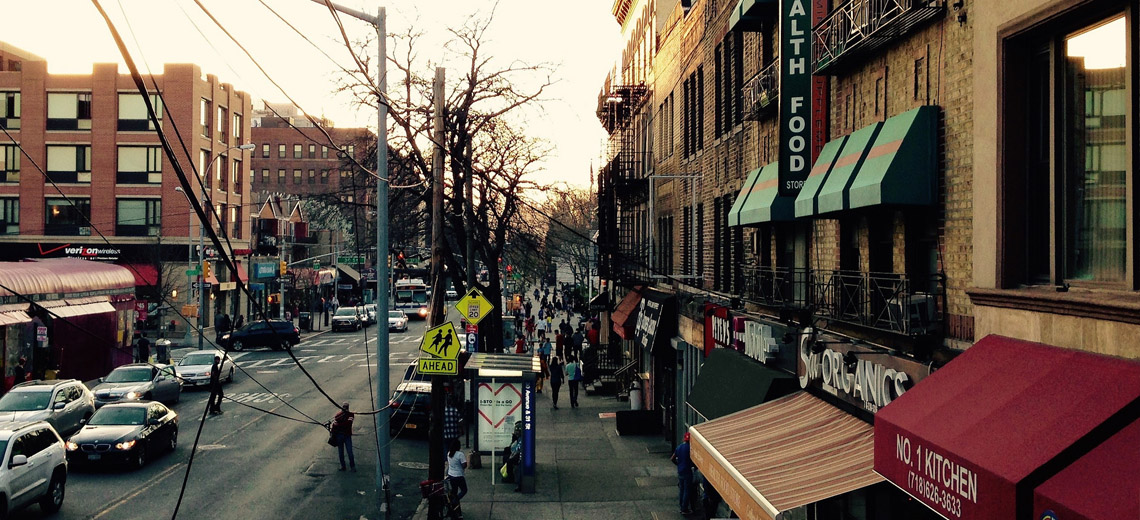
When using ride-sharing services or taxis, ensure the vehicle is legitimate and the driver is authorized. It’s good practice to confirm the driver’s identity matches the app information before entering the vehicle. Walking is also a popular and often safe way to explore Astoria, with many charming streets and hidden gems to discover.
Exploring Astoria’s Safe and Welcoming Attractions
Astoria offers a wealth of attractions that can be enjoyed safely and with peace of mind. From its beautiful parks to its diverse culinary offerings, the neighborhood provides enriching experiences for every traveler.
Parks and Public Spaces
One of Astoria’s most significant assets is Astoria Park, a sprawling urban oasis that offers stunning views of the Manhattan skyline. The park is a popular spot for recreation, with running tracks, sports fields, and a public pool. During daylight hours, the park is bustling with families, joggers, and picnickers, making it a very safe and enjoyable environment. As with any large park, it’s advisable to be aware of your surroundings, especially as dusk approaches.
The waterfront promenade offers a picturesque setting for a stroll, with ample lighting and frequent visitor presence. The Greek cultural influence is palpable throughout Astoria, and exploring the neighborhood’s tree-lined streets often leads to discovering charming local cafes and shops, many of which are family-run and contribute to the area’s safe and friendly ambiance.
Culinary and Cultural Experiences
Astoria is renowned for its diverse culinary landscape, offering everything from authentic Greek cuisine to a burgeoning array of international flavors. Restaurants and cafes in Astoria are generally safe and welcoming environments. Many are located on well-trafficked streets, making them easily accessible and secure. Exploring areas like Ditmars Boulevard or Broadway reveals a concentration of eateries where you can savor delicious food with confidence.
The neighborhood also boasts a growing number of cultural institutions and event spaces. Visiting museums, art galleries, or attending local performances are typically safe activities, with venues often having their own security measures in place. The vibrant street life, particularly during evenings when many establishments are open, contributes to a lively and secure atmosphere.
Accommodation in Astoria: Ensuring a Secure Base
When planning your trip to Astoria, selecting safe and reliable accommodation is a key component of a secure travel experience. The neighborhood offers a range of lodging options to suit different preferences and budgets.
Choosing Your Stay
Astoria has seen a growth in boutique hotels and extended-stay options, catering to the influx of visitors. When booking any accommodation, it’s always recommended to read reviews from previous guests, paying particular attention to comments regarding safety and location. Choosing a hotel that is well-lit, has a 24-hour front desk, and is situated on a main thoroughfare can add an extra layer of security.
Consider the proximity of your accommodation to public transportation hubs, as this can enhance your ability to explore the neighborhood and the wider city safely. Many hotels are located within easy walking distance of subway stations, making it convenient to navigate. For those considering longer stays, serviced apartments in well-maintained buildings can also offer a secure and comfortable home away from home.
In-Room and Building Security
Once you’ve checked into your accommodation, taking a moment to familiarize yourself with the building’s security features is prudent. Ensure your room door locks securely and utilize the peephole to identify visitors. Most hotels provide in-room safes for your valuables, which is a good practice for safeguarding your important documents and expensive items.
Being aware of emergency exits and fire escape routes within your hotel is also a sensible precaution. The staff at your chosen accommodation are typically well-equipped to answer any questions you may have regarding safety protocols and neighborhood advisories. Their local knowledge can be invaluable in ensuring your stay in Astoria is both enjoyable and secure.
LifeOutOfTheBox is a participant in the Amazon Services LLC Associates Program, an affiliate advertising program designed to provide a means for sites to earn advertising fees by advertising and linking to Amazon.com. Amazon, the Amazon logo, AmazonSupply, and the AmazonSupply logo are trademarks of Amazon.com, Inc. or its affiliates. As an Amazon Associate we earn affiliate commissions from qualifying purchases.