
The question of whether the Bronx is a city within New York often sparks curiosity, particularly for those unfamiliar with the administrative and geographical makeup of this globally recognized metropolis. While colloquially referred to as a borough, its distinct identity, rich history, and significant urban landscape warrant a closer examination. Understanding the Bronx’s status is key to appreciating the diverse tapestry that constitutes New York City. This exploration delves into the historical context, geographical definition, and the vibrant character of the Bronx, clarifying its unique position.
The Borough Designation: A Historical and Administrative Perspective
The Bronx is one of the five boroughs that collectively form New York City. This designation is not merely an administrative label; it represents a complex history of annexation, consolidation, and urban development. Unlike independent cities, boroughs are constituent parts of a larger municipal entity, sharing governance and infrastructure while retaining unique local characteristics.

Origins and Consolidation
The area now known as the Bronx was originally settled in the 17th century, named after Jonas Bronck, a Swedish immigrant who established a farm. For centuries, it existed as a collection of towns and villages within Westchester County. The pivotal moment in its transformation occurred in the late 19th century when the southern portion of Westchester County was annexed by the burgeoning New York City. This process continued, with more territory gradually incorporated, culminating in the consolidation of all five boroughs into a single municipal government in 1898, forming the modern New York City. This consolidation was a monumental effort to unify the rapidly growing urban areas and streamline governance. The Bronx, therefore, never achieved independent city status in the way that cities like Buffalo or Rochester did within the state of New York.
The Borough System Explained
The borough system is a defining feature of New York City’s governance. Each borough has a president who serves as a liaison between the borough and the city government, and each borough has its own unique cultural and demographic makeup. While the Bronx has its own distinct identity, it operates under the umbrella of the New York City government, sharing its mayor and city council. This administrative structure ensures centralized services and planning while allowing for local representation and recognition of distinct community needs. Understanding this, it becomes clear that the Bronx functions as a vital component of a larger city, rather than an independent municipality.
Geographical Identity and Urban Landscape
Geographically, the Bronx is situated at the northernmost point of mainland New York City. It is bordered by the Bronx River to the east, the Hudson River to the west, and the East River to the south. Its position as the only continental borough not located on an island further distinguishes it within the city’s geography.
Distinct Neighborhoods and Character
The Bronx is a mosaic of diverse neighborhoods, each with its own unique character, history, and community. From the bustling streets of Concourse to the historic charm of Riverdale, and the vibrant cultural enclaves of Fordham and Arthur Avenue, the borough offers a rich tapestry of urban experiences. These neighborhoods are not mere districts; they are communities with their own distinct identities that contribute to the overall vibrance of the Bronx. The Bronx is home to significant landmarks and institutions that contribute to its identity as a major urban center.
Green Spaces and Natural Beauty

Contrary to some perceptions, the Bronx boasts an impressive array of parks and green spaces, offering respite and recreational opportunities for its residents and visitors. The renowned Bronx Zoo, one of the largest metropolitan zoos in the world, is a testament to the borough’s commitment to nature and conservation. Orchard Beach, often referred to as the “Riviera of New York”, provides a popular urban beach experience. Furthermore, Pelham Bay Park, the city’s largest park, offers extensive natural beauty, including forests, salt marshes, and shoreline. These natural assets underscore the Bronx’s significance as more than just a concrete jungle, highlighting its role in the city’s ecological balance and recreational offerings.
Cultural Significance and Contributions
The Bronx is widely recognized as the birthplace of hip-hop music, a genre that has profoundly influenced global culture. This artistic legacy is a cornerstone of the borough’s identity and a significant part of its contribution to the world. Beyond music, the Bronx has a rich history of diverse immigration, contributing to its vibrant culinary scene, its array of community festivals, and its overall cultural dynamism.
The Birthplace of Hip-Hop
The early 1970s saw a cultural revolution emerge from the block parties and community gatherings in the Bronx. Figures like DJ Kool Herc, Afrika Bambaataa, and Grandmaster Flash pioneered the foundational elements of hip-hop, including DJing, rapping, breakdancing, and graffiti art. These innovative art forms not only provided an outlet for expression for the youth but also went on to become a global phenomenon, shaping music, fashion, and culture worldwide. Landmarks like the former 1520 Sedgwick Avenue, often cited as the birthplace of hip-hop, stand as testaments to this pivotal moment.
A Melting Pot of Cultures and Cuisines
The Bronx is a testament to the immigrant experience in New York. Waves of immigration, from Irish and Italian communities to the vibrant Dominican, Puerto Rican, and African American populations, have shaped the borough’s social fabric. This diversity is most palpable in its culinary landscape, particularly along the famed Arthur Avenue, known as the “real Little Italy” of New York, offering authentic Italian delicacies. Beyond Italian fare, the Bronx offers a world of flavors, reflecting the global heritage of its residents. Community events and festivals further celebrate this multiculturalism, fostering a strong sense of local pride and shared identity. The Bronx Museum of Art also plays a crucial role in showcasing the artistic talent and cultural narratives of the borough.
Visiting the Bronx: A Comprehensive Experience
While the Bronx is not an independent city, it offers a rich and diverse array of attractions and experiences that rival those of any major urban destination. For travelers seeking an authentic taste of New York beyond the typical tourist trails, the Bronx presents an unparalleled opportunity for exploration and discovery.
Navigating the Borough
The Bronx is well-connected to the rest of New York City via an extensive public transportation system, including numerous subway lines and bus routes. The Metro-North Railroad also provides convenient access from further north. Understanding the borough’s geography and its distinct neighborhoods is key to planning a visit. Whether arriving by train to Grand Central Terminal or by air into LaGuardia Airport or John F. Kennedy International Airport, the Bronx is readily accessible.
Key Attractions and Activities
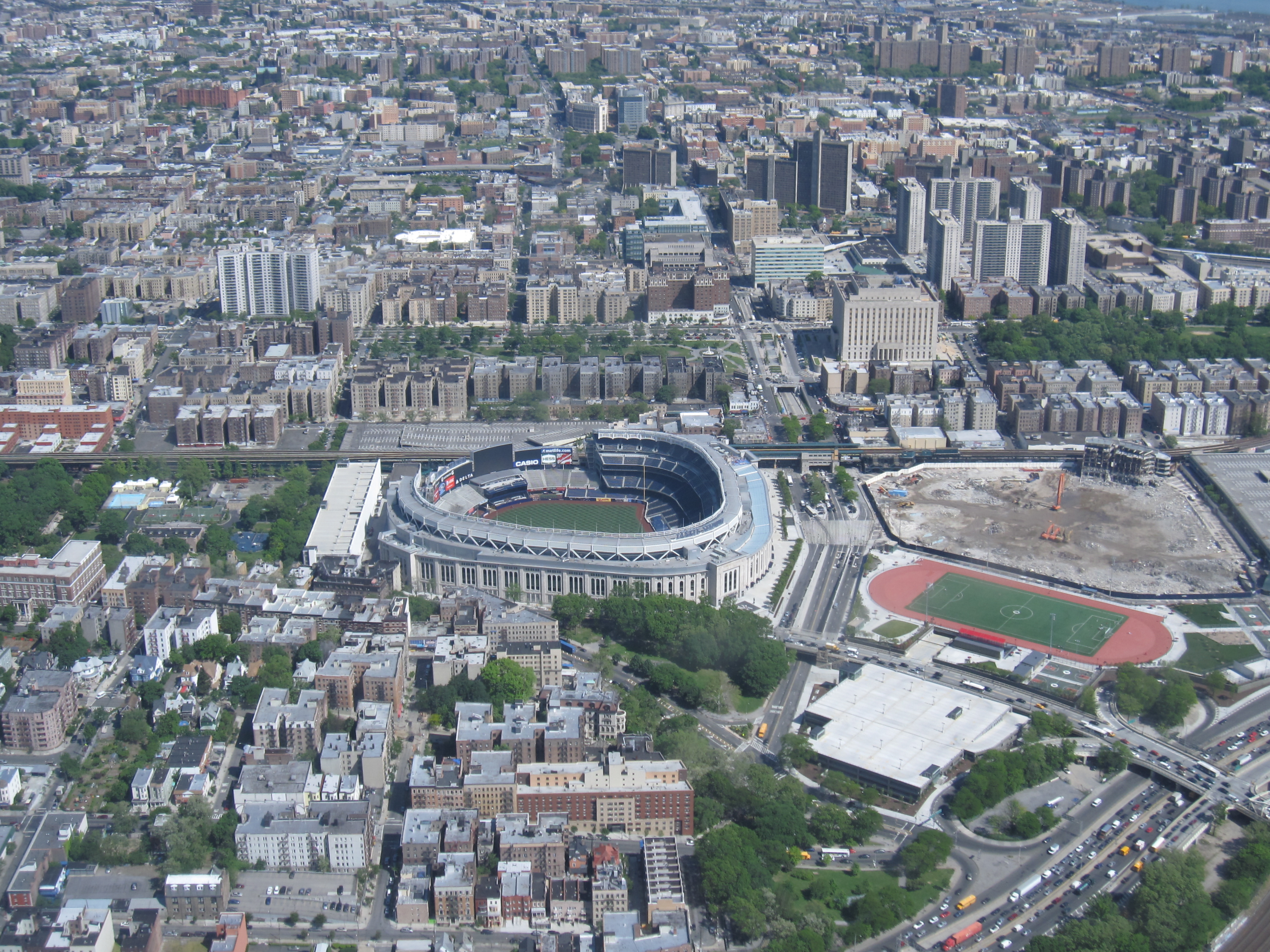
A visit to the Bronx offers a unique blend of cultural, historical, and natural attractions. No trip is complete without exploring the Bronx Zoo and the magnificent specimens housed within its vast grounds. For a dose of history and local flavor, a stroll down Arthur Avenue is a must, offering a culinary journey through Italian traditions. Art enthusiasts will appreciate the Bronx Museum of Art, which champions contemporary art with a focus on artists of African, Latino, and Asian descent. Sports fans can catch a baseball game at the iconic Yankee Stadium, home to the legendary New York Yankees. For those seeking a natural escape within the city, Orchard Beach and the expansive trails of Pelham Bay Park offer tranquil settings. The diverse neighborhoods each offer their own unique points of interest, from historic architecture to vibrant street art, ensuring a rich and engaging travel experience.
In conclusion, while the Bronx is administratively a borough of New York City and not an independent city, its immense cultural significance, diverse population, and array of attractions firmly establish it as a vital and vibrant destination in its own right. Its contributions to global culture, its rich history, and its ongoing evolution make it a compelling place to explore and understand the multifaceted identity of New York.
LifeOutOfTheBox is a participant in the Amazon Services LLC Associates Program, an affiliate advertising program designed to provide a means for sites to earn advertising fees by advertising and linking to Amazon.com. Amazon, the Amazon logo, AmazonSupply, and the AmazonSupply logo are trademarks of Amazon.com, Inc. or its affiliates. As an Amazon Associate we earn affiliate commissions from qualifying purchases.