
For many, the mere mention of New York City conjures images of bustling streets, iconic skyscrapers, and a vibrant cultural tapestry. However, for a significant portion of the year, another element often dominates the visual and experiential landscape: snow. The question of whether New York City experiences snow is not merely an academic one; it holds profound implications for travelers planning a visit, residents preparing for winter, and indeed, anyone drawn to the unique charm that a snow-dusted metropolis can offer. Understanding the patterns, the impact, and the allure of winter in the Big Apple is crucial for appreciating its full spectrum of experiences.

Winter’s Embrace: Understanding Snowfall Patterns in New York City
The occurrence and intensity of snowfall in New York City are governed by a complex interplay of meteorological factors. While New York City experiences all four distinct seasons, winter is undeniably the period when the city transforms under a blanket of white. The typical winter season in New York City spans from late November to early March, with the most significant snowfall usually occurring between January and February.
Average Snowfall and Seasonal Variations
On average, New York City receives approximately 25 to 30 inches of snow per year. However, this is a mean figure, and the reality can vary dramatically from one year to the next. Some winters are characterized by frequent, moderate snowfalls, while others might see a few major blizzards that account for the bulk of the season’s accumulation. The city’s geography, being a coastal area, also influences snowfall. Proximity to the Atlantic Ocean can lead to nor’easters, powerful storms that often bring heavy snow, strong winds, and significant disruptions.
The timing of the first snowfall is also a variable. While the first dusting can sometimes arrive in November, it’s more commonly seen in December. Similarly, the last remnants of snow can linger into March, especially in shaded areas or after a late-season storm. This variability means that while planning a trip specifically for snow might be uncertain, being prepared for its possibility is always wise for any winter visit.
Factors Influencing Snowfall
Several meteorological phenomena contribute to snowfall in New York City. The position of the jet stream plays a critical role. When the jet stream dips southward, it allows colder air masses from Canada to invade the region. If this cold air meets moisture-laden air from the south, the conditions are ripe for snow. Coastal storms, or nor’easters, are particularly significant. These storms derive their name from the direction of the winds that blow onshore from the northeast. They can rapidly intensify off the coast, drawing in cold air and dumping substantial amounts of snow onto the Northeastern United States, including New York City. The urban heat island effect, where city temperatures are generally warmer than surrounding rural areas, can sometimes lead to rain or a mix of precipitation instead of snow, especially during the milder parts of winter or on the fringes of a storm.
Experiencing a Snow-Covered New York City: A Unique Travel Perspective
The presence of snow fundamentally alters the character and experience of New York City. While the city is renowned for its year-round energy, a winter wonderland aesthetic offers a distinct and often enchanting perspective for travelers. From the visual spectacle to the modified pace of daily life, snow imbues the city with a special kind of magic.
The Visual Transformation
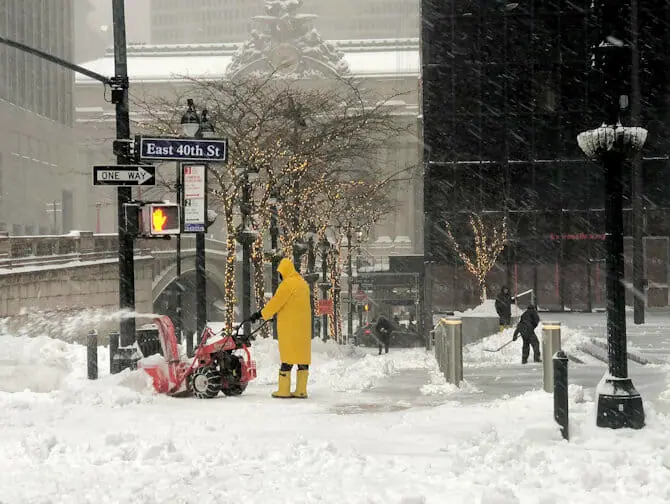
When snow falls, New York City undergoes a breathtaking visual transformation. The stark lines of its famous architecture are softened, creating a picturesque contrast between concrete and white. Iconic landmarks like the Empire State Building, the Brooklyn Bridge, and the sprawling green expanse of Central Park all take on a new, ethereal beauty. The usual hustle and bustle can appear more subdued, with the gentle falling of flakes creating a serene ambiance. Even the most familiar streets and avenues are rendered unfamiliar, inviting a renewed sense of wonder and exploration. The glow of streetlights reflecting off freshly fallen snow adds a magical luminescence to the urban landscape, making evening strolls particularly captivating.
Activities and Attractions in the Snow
While some outdoor activities might be curtailed by heavy snow, many attractions remain accessible and offer unique winter experiences. Central Park becomes a hub of winter activity. Locals and visitors alike can be seen sledding down its hills, ice skating at Wollman Rink or Lasker Rink, or simply enjoying a peaceful walk through the snow-laden trees. Museums like the Metropolitan Museum of Art and the American Museum of Natural History offer warm refuge and world-class exhibits, providing an ideal counterpoint to the cold outdoors.

Many Broadway theaters continue their performances, offering a perfect indoor escape. Experiencing a show like “The Lion King” or “Hamilton” after a day of snowy exploration is a quintessential New York City winter experience. Even the city’s famous food scene offers winter adaptations. Warm up with a rich hot chocolate from a local chocolatier, enjoy hearty stews and comforting dishes in cozy restaurants, or grab a street vendor pretzel while enjoying the snowy scenery. The holiday markets, often still present in early winter, take on an even more festive atmosphere with a dusting of snow.
Navigating the City in Winter Conditions
Traveling to or around New York City during snowy periods requires a degree of preparedness. Public transportation, while usually resilient, can experience delays or service disruptions during severe weather. The Metropolitan Transportation Authority (MTA), which operates the subway and bus systems, works diligently to maintain services, but it’s always wise to check for updates. Walking remains a viable option for shorter distances, but warm, waterproof footwear is essential. Taxis and ride-sharing services are generally available, though surge pricing might be in effect during inclement weather.
For those staying in hotels, choosing accommodations with good access to subway stations is a prudent decision. Many hotels in Midtown Manhattan, for instance, offer convenient locations. It’s also advisable to pack layers of warm clothing, including a waterproof and windproof outer layer, a warm hat, gloves, and a scarf. The city’s indoor spaces, from cafes to shops to attractions, are typically well-heated, so layering allows for comfort when transitioning between the cold outdoors and warm indoors.
Planning Your Snowy Sojourn: Tips for Visiting New York City in Winter
Deciding to visit New York City during its snowy season can be an incredibly rewarding experience. The city offers a unique blend of urban dynamism and winter charm that is hard to find elsewhere. To make the most of your trip, careful planning is key, especially when considering the possibility of snow.
Best Times for Snowfall and Avoiding Disruptions
While predicting exact snow dates is impossible, January and February generally see the most consistent snowfall. If a picturesque, snowy landscape is a high priority, these months are your best bet. However, it’s important to acknowledge that major snowstorms can cause significant travel disruptions, including flight cancellations and delays at airports like John F. Kennedy International Airport (JFK) and LaGuardia Airport.
To mitigate potential travel issues, consider booking flights with airlines that have flexible rebooking policies. It’s also wise to purchase travel insurance that covers weather-related cancellations. Traveling mid-week can sometimes offer more flexibility and potentially lower prices compared to weekend travel. If a major storm is forecast, be prepared to adjust your itinerary, perhaps opting for more indoor activities or enjoying the cozy ambiance of your hotel. The New York City Department of Buildings often issues advisories regarding snow removal and building safety, which can be useful for residents and visitors alike.
Accommodation and Packing Essentials
When booking accommodation, consider its proximity to public transportation and key attractions. Hotels in areas like Times Square offer convenience but can be pricier. For a potentially more relaxed experience, consider neighborhoods like the Upper West Side or parts of Brooklyn, which still offer excellent access to the city’s attractions. Look for hotels that provide amenities like comfortable common areas where you can warm up and perhaps enjoy a hot beverage.
Your packing list should prioritize warmth and water resistance. Essential items include:
- Layers: Thermal base layers, sweaters, and fleeces.
- Outerwear: A warm, waterproof, and windproof coat.
- Footwear: Waterproof, insulated boots with good traction for walking on snow and ice.
- Accessories: A warm hat that covers your ears, insulated gloves or mittens, and a scarf.
- Umbrella: While not always effective in heavy wind and snow, a sturdy umbrella can be useful for lighter snowfalls or sleet.
- Lip Balm and Moisturizer: Cold, dry air can be harsh on the skin.
Remember that New York City is a walking city, and while snow can slow things down, you’ll likely still be doing a fair amount of exploring on foot. Prioritizing comfortable, warm, and dry feet is paramount to enjoying your winter visit.
Embracing the Winter Vibe
Visiting New York City in winter, especially with snow, offers a unique opportunity to experience the city from a different perspective. The softer light, the hushed sounds, and the sheer beauty of a snow-covered metropolis create an atmosphere that is both romantic and invigorating. Embrace the chance to explore its many indoor treasures, from world-class museums like the MoMA to intimate jazz clubs, and then step back out to marvel at the transformed streetscape. Whether you’re catching a dazzling Broadway show, enjoying a warm drink in a cozy café, or simply watching the snow fall on Fifth Avenue, a snowy winter in New York City is an unforgettable travel experience.
LifeOutOfTheBox is a participant in the Amazon Services LLC Associates Program, an affiliate advertising program designed to provide a means for sites to earn advertising fees by advertising and linking to Amazon.com. Amazon, the Amazon logo, AmazonSupply, and the AmazonSupply logo are trademarks of Amazon.com, Inc. or its affiliates. As an Amazon Associate we earn affiliate commissions from qualifying purchases.