
In the pivotal year of 1776, the settlement that would one day become the sprawling metropolis of New York City was a vastly different place. The echoes of colonial life, the whispers of revolution, and the rudimentary infrastructure of a burgeoning port city defined its landscape. Far from the towering skyscrapers and bustling avenues of today, New York in 1776 was a compact, predominantly agrarian community grappling with its identity and its destiny amidst the upheaval of the American Revolution.
The Tangible Landscape: Streets, Structures, and Settlements
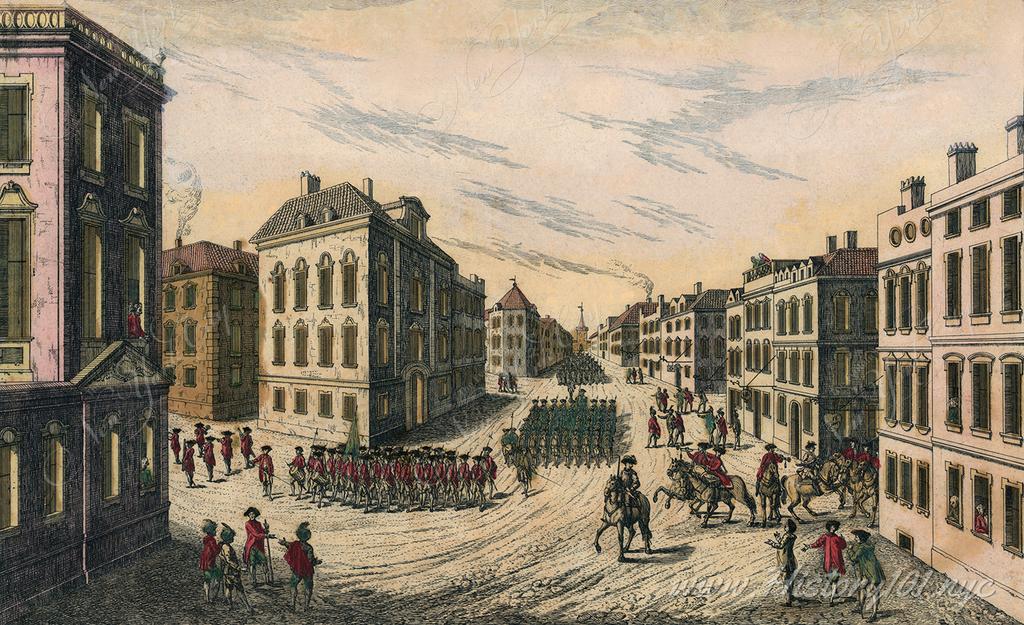
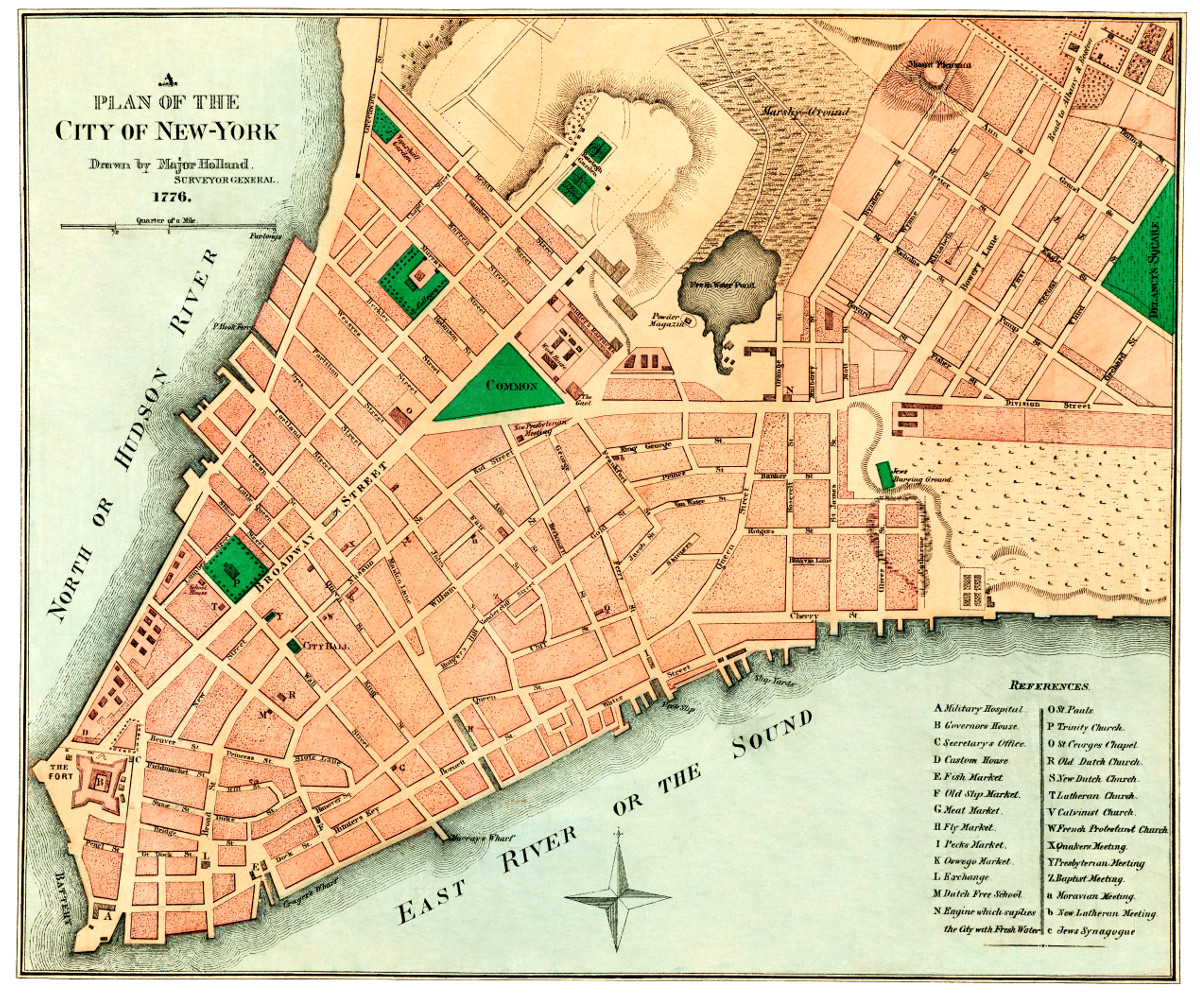
The physical form of New York in 1776 was shaped by its strategic importance as a port and its relatively recent colonial roots. The city was confined to the southern tip of the Island of Manhattan, a far cry from its current expansive reach.
Fortifications and Defense
Dominating the cityscape, both physically and politically, was Fort George. Perched on the promontory where Battery Park now stands, the fort was a crucial defensive structure, reflecting the city’s strategic vulnerability and its role as a vital harbor. Its formidable presence served as a constant reminder of the ongoing tensions with Great Britain. Beyond the fort, the city’s defenses were rudimentary, reflecting the rapid growth and the limited resources available. Walls and palisades were a more prominent feature than in later centuries, designed to offer a modicum of protection against potential incursions.
Urban Layout and Architecture
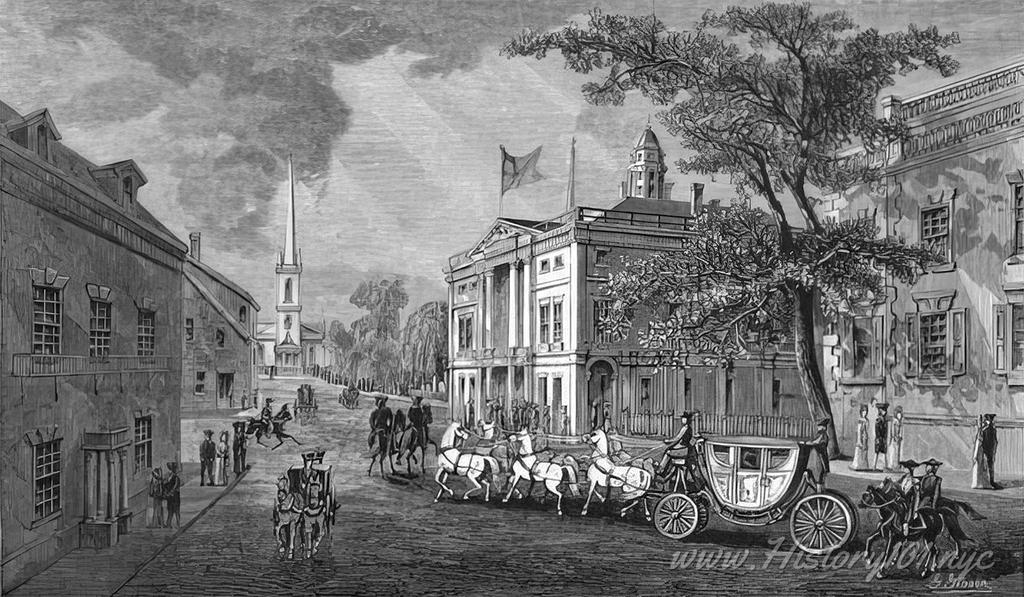
The streets of New York were largely unpaved, narrow, and winding, following the contours of the land rather than a pre-ordained grid. The dominant architectural style was of English colonial origin, characterized by wooden-framed houses, often with brick or stone foundations. Steeply pitched roofs were common, designed to shed the harsh New York winters. Many buildings featured overhanging upper stories, a characteristic of Jacobean and Georgian styles, which allowed for more living space on upper floors while minimizing the footprint on the street below. Chimneys were prominent, as fireplaces were the primary source of heat and cooking. Churches, with their distinct spires, punctuated the skyline, serving as central community hubs. The Trinity Church graveyard, even then, would have been a significant landmark, its headstones bearing witness to generations of inhabitants. Public buildings, while functional, were modest in scale. The city’s growth was organic, a reflection of its mercantile and maritime activities.
The Importance of Waterways
Waterways were the lifeblood of New York in 1776. The East River and the Hudson River provided essential routes for trade and transportation. Docks and wharves lined the waterfront, teeming with ships of all sizes, from small sloops to larger merchant vessels. The harbor was a dynamic and busy place, a hub of global commerce connecting New York to the far reaches of the British Empire and beyond. The constant ebb and flow of maritime traffic was a defining characteristic of the city’s soundscape and visual panorama.
The Social Fabric: People, Professions, and Daily Life
Beyond the physical structures, the people of New York in 1776 were the true architects of its character. The city was a melting pot of diverse ethnicities and backgrounds, a microcosm of the larger colonial society.
A Diverse Population
In 1776, New York was home to a diverse population. Alongside English settlers, there were significant communities of Dutch, German, and French immigrants, as well as people of African descent, both enslaved and free. This cultural mosaic contributed to the city’s vibrant, if sometimes contentious, social atmosphere. The population was relatively small, estimated to be around 25,000 people, making it a substantial colonial city but still a far cry from the millions who inhabit it today.
Occupational Landscape
The economy of New York was heavily reliant on trade and maritime activities. Merchants, shipwrights, coopers, sailors, and dockworkers formed a significant portion of the workforce. Artisans and craftspeople, such as blacksmiths, tailors, and shoemakers, were essential for meeting the daily needs of the populace. Farmers and market vendors brought their produce from the surrounding countryside, supplying the city with food. Inns and taverns were important social and commercial centers, providing lodging and refreshment for travelers and locals alike. The legal and administrative professions were also present, reflecting the city’s role as a center of governance and commerce.
Daily Rhythms and Routines
Daily life in 1776 New York was governed by the rhythms of the sun and the seasons. Without electric light, evenings were naturally dim, with illumination provided by candles, oil lamps, and hearth fires. The pace of life was generally slower than in modern times, with an emphasis on manual labor and face-to-face interactions. Sanitation was a significant challenge, with waste often disposed of in the streets or waterways, contributing to public health concerns. Water was drawn from wells or collected from cisterns. The sounds of the city would have been a symphony of horse-drawn carts, the cries of street vendors, the clang of blacksmiths’ hammers, and the distant calls of seagulls from the busy harbor.
The Shadow of Revolution: Politics and Preoccupations
The year 1776 was not merely a snapshot of a colonial city; it was a period of profound political transformation that deeply impacted New York. The burgeoning conflict with Great Britain cast a long shadow over the city’s existence.
A Divided City
New York was a city deeply divided in its loyalties. While a significant segment of the population supported the Patriot cause and the burgeoning movement for independence, a substantial number remained loyal to the Crown. This division created palpable tension within the community, influencing social interactions and political discourse. The city was a strategic prize for both sides, its harbor and resources highly coveted.
The British Occupation
As the American Revolution intensified, New York became a crucial base of operations for the British forces. In August 1776, the Battle of Long Island resulted in a decisive British victory, leading to the occupation of the city. This occupation would last for the duration of the war, profoundly altering the daily lives of its inhabitants. Under British rule, martial law was imposed, and liberties were curtailed. Many Patriots fled the city, while Loyalists found refuge and support. The physical landscape itself was altered by the military presence, with fortifications strengthened and the city’s resources diverted to the war effort.
The Dawn of Independence
Despite the occupation, the spirit of independence and the ideals espoused in the Declaration of Independence resonated throughout the rebellious colonies, including among those in or displaced from New York. The year 1776 marked the formal assertion of these ideals, even as the practicalities of war dictated the city’s immediate future. The struggle for control of New York was emblematic of the larger conflict, a fight for self-determination that would ultimately shape the destiny of a nation. The city, though under occupation, was intrinsically linked to the revolutionary narrative, a constant reminder of the stakes involved in the birth of a new republic.
LifeOutOfTheBox is a participant in the Amazon Services LLC Associates Program, an affiliate advertising program designed to provide a means for sites to earn advertising fees by advertising and linking to Amazon.com. Amazon, the Amazon logo, AmazonSupply, and the AmazonSupply logo are trademarks of Amazon.com, Inc. or its affiliates. As an Amazon Associate we earn affiliate commissions from qualifying purchases.