
Navigating the financial landscape of any new destination is a crucial aspect of settling in or even planning an extended visit. For those considering a move to the Empire State, understanding New York income tax is paramount. This guide delves into the intricacies of this tax system, aiming to provide clarity for residents, prospective residents, and even those with a tangential connection to the state’s economy. From the fundamental principles to specific considerations, we will illuminate what income tax entails in New York.
Understanding the Basics of New York State Income Tax
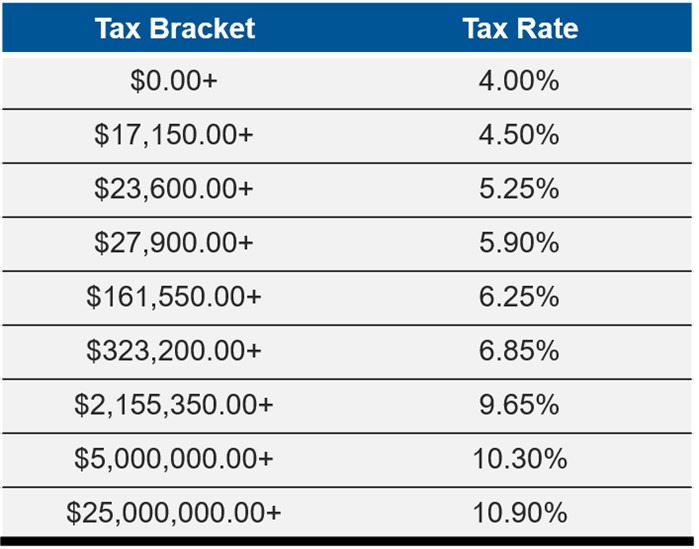
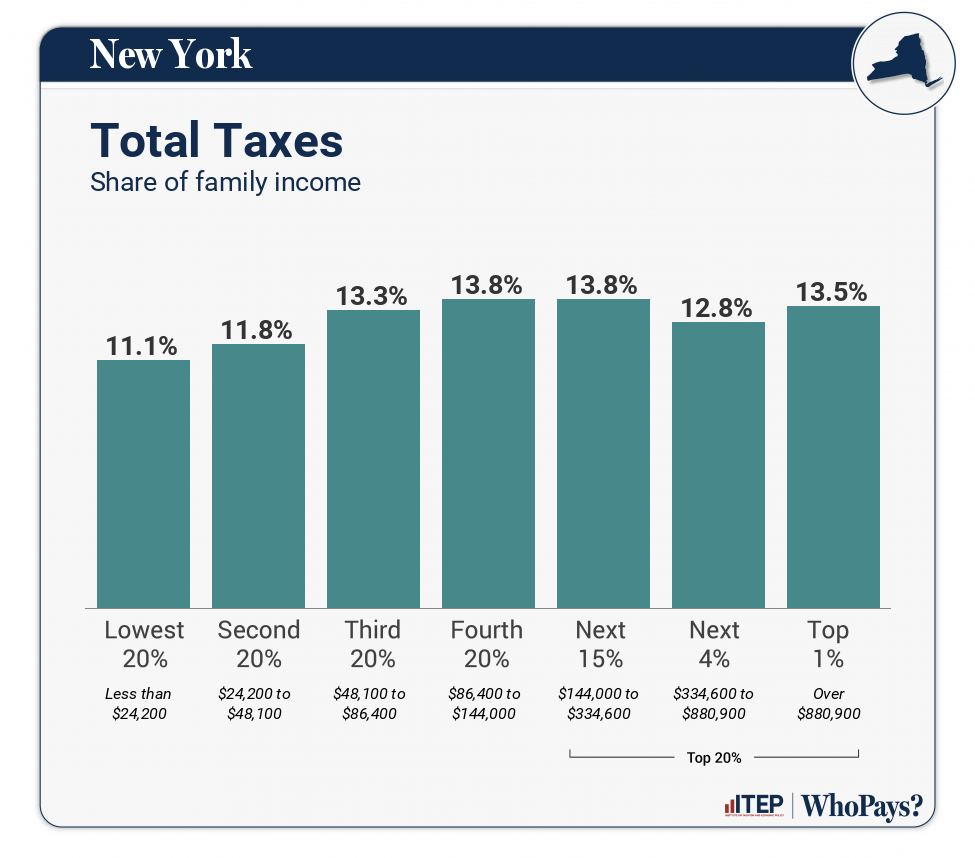
New York‘s income tax system is characterized by its progressive nature, meaning higher earners face higher tax rates. This system is managed by the New York State Department of Taxation and Finance, the primary agency responsible for its administration and collection. Understanding who is subject to this tax and how it is calculated forms the bedrock of comprehending the financial implications of living or earning income within the state.
Who Pays New York State Income Tax?
Generally, any individual who is a resident of New York State is subject to its income tax on their worldwide income. This includes income earned from sources both inside and outside the state. Residency in New York is typically determined by two main factors: domicile and the number of days spent in the state.
- Domicile: This refers to your permanent home, the place you intend to return to whenever you are away. If New York is your domicile, you are considered a resident for tax purposes, even if you spend significant time elsewhere.
- Statutory Residency: Even if New York is not your domicile, you can be considered a statutory resident if you maintain a permanent place of abode in the state for more than 11 months of the tax year and spend more than 183 days in New York during that year. A “permanent place of abode” is a dwelling unit that is available for your use and occupancy on a year-round basis.
Nonresidents who earn income from New York sources are also subject to New York income tax, but only on that New York-sourced income. This can include wages earned from working within the state, rental income from property located in New York, or business income derived from New York activities.
How is New York State Income Tax Calculated?
The calculation of New York State income tax involves several steps, beginning with your federal adjusted gross income (AGI) and making specific additions and subtractions to arrive at your New York AGI.
- Federal Adjusted Gross Income (AGI): This is your starting point, derived from your federal tax return.
- Additions to Federal AGI: New York may require you to add back certain deductions or income that was not taxed federally but is taxable in New York. Examples include state and local taxes deducted on your federal return, or interest from U.S. government obligations.
- Subtractions from Federal AGI: Conversely, New York allows certain subtractions. These might include interest from New York State and New York City tax-exempt obligations, or social security benefits.
- New York AGI: After these adjustments, you arrive at your New York AGI.
- Exemptions and Deductions: New York offers exemptions and deductions that reduce your taxable income. These can include personal exemptions for yourself, your spouse, and dependents, as well as standard or itemized deductions. The state provides specific guidelines for calculating these amounts.
- Taxable Income: This is the amount of your income that is subject to tax after all exemptions and deductions are applied.
- Tax Rates: New York employs a progressive tax rate schedule, meaning the tax rate increases as your taxable income increases. These rates can vary significantly depending on your filing status (e.g., single, married filing jointly).
- Tax Credits: Various tax credits are available that can further reduce your tax liability. These credits are designed to provide relief for specific situations, such as child and dependent care expenses, earned income, or real property tax payments.
Beyond State Income Tax: The Local Tax Layer
While New York State has its own income tax, many residents, particularly those in the metropolitan area, also face local income taxes. The most prominent of these is the New York City income tax, but other cities and counties within the state may also impose their own local income taxes. This dual taxation system is a significant factor for residents and can substantially impact their overall tax burden.
The New York City Income Tax
For individuals residing in or earning income within New York City, an additional layer of income tax applies. The New York City income tax is also progressive, with rates that vary based on income level and filing status. It is administered by the New York City Department of Finance.
- Residency and Source: Similar to the state tax, residents of New York City are taxed on their worldwide income. Nonresidents who earn income within the city are taxed on that New York City-sourced income.
- Calculation: The calculation process for the New York City income tax shares similarities with the state tax. It starts with New York State taxable income and then applies New York City-specific additions, subtractions, exemptions, and tax rates.
- Combined Burden: It is crucial for New York City residents to understand that they will be subject to both New York State and New York City income taxes, effectively doubling the income tax burden compared to residents of areas without a local income tax.
Other Local Income Taxes
Beyond New York City, other municipalities and counties in New York State may levy their own income taxes. The specific rates and rules for these local taxes can vary widely. It is essential for individuals living or working in these areas to research the tax obligations specific to their locality. While not as universally applicable as the state or New York City taxes, these can still represent a notable financial consideration for a segment of New York‘s population.
Navigating Specific Scenarios and Considerations
The New York income tax system can present unique challenges and opportunities depending on an individual’s circumstances. Understanding these specific scenarios can help taxpayers better plan their finances and ensure compliance.
Tax Filing Status and Dependents
Your filing status significantly impacts your New York income tax liability. The most common statuses include:
- Single: For unmarried individuals.
- Married Filing Separately: For married individuals who choose to file separate returns.
- Married Filing Jointly: For married individuals who file a single return together.
- Head of Household: For unmarried individuals who pay more than half the cost of keeping up a home for a qualifying child.
The number of dependents you claim will also affect your tax calculation through personal exemptions, which reduce your taxable income. New York has specific rules regarding who qualifies as a dependent.
Tax Credits and Incentives
New York State offers a range of tax credits designed to provide financial relief and encourage certain behaviors. Some common credits include:
- Child and Dependent Care Credit: For expenses incurred for the care of qualifying individuals.
- Earned Income Tax Credit (EITC): For low-to-moderate income working individuals and families.
- Real Property Tax Credit: For homeowners and renters who pay property taxes.
- STAR (School Tax Relief) Program: This program offers a school tax rebate for eligible homeowners and renters.
Understanding and claiming all eligible tax credits is vital to reducing your overall tax burden. The New York State Department of Taxation and Finance website provides detailed information on all available credits and their eligibility requirements.
Residency Changes and Part-Year Residents
For individuals who move into or out of New York State during the tax year, the tax implications become more complex. These individuals are considered part-year residents and are subject to New York income tax on income earned while they were New York residents, as well as on New York-sourced income earned while they were nonresidents. The calculation for part-year residents requires careful attention to detail to ensure accurate reporting of income and residency days.

Conclusion: Planning for Your New York Financial Future
Understanding New York income tax is an essential step for anyone who lives, works, or earns income in the state. The progressive nature of the state and city tax systems, coupled with the potential for local taxes, necessitates careful financial planning. By familiarizing yourself with the basics of who pays, how tax is calculated, and the various credits and deductions available, you can better navigate your financial obligations in the Empire State. Consulting with a qualified tax professional is always recommended, especially when dealing with complex tax situations or residency changes, to ensure compliance and optimize your tax strategy. A thorough understanding of these financial intricacies will pave the way for a smoother and more informed experience in New York.
LifeOutOfTheBox is a participant in the Amazon Services LLC Associates Program, an affiliate advertising program designed to provide a means for sites to earn advertising fees by advertising and linking to Amazon.com. Amazon, the Amazon logo, AmazonSupply, and the AmazonSupply logo are trademarks of Amazon.com, Inc. or its affiliates. As an Amazon Associate we earn affiliate commissions from qualifying purchases.