
Navigating the financial intricacies of any major city can be a daunting task, and for visitors and residents alike, understanding the tax landscape is crucial. When it comes to New York City, a global hub of culture, commerce, and tourism, the “tax rate” isn’t a single, monolithic figure. Instead, it’s a complex tapestry woven from various levies applied to different goods, services, and activities. This article aims to demystify the New York City tax rate, focusing specifically on how it impacts those engaging with the city’s vibrant tourism sector, from booking accommodations to indulging in local experiences.
Understanding the Core Components of NYC Tourist Taxes
The tax rate experienced by a tourist in New York City is primarily a composite of state and local taxes. While some taxes are standard across New York State, others are specific to the five boroughs. For travelers, the most visible taxes are typically those applied to purchases, accommodation, and certain leisure activities. It’s important to distinguish between sales tax, occupancy tax, and other specific levies that contribute to the overall cost of visiting the city.
State and Local Sales Tax
The most prevalent tax that affects a wide array of consumer goods and services is the sales tax. In New York City, this tax is a combination of the state sales tax and the city sales tax.
- New York State Sales Tax: This is a base rate applied across the entire state. As of recent information, the state sales tax rate is 4%.
- Metropolitan Commuter Transportation District (MCTD) Surcharge: For transactions within the metropolitan commuter transportation district, which includes New York City, an additional 0.375% surcharge is applied.
- New York City Sales Tax: On top of the state and MCTD taxes, New York City imposes its own local sales tax. This city-specific rate is 4.5%.
Therefore, the combined state and local sales tax rate in New York City is 4% (state) + 0.375% (MCTD) + 4.5% (city) = 8.875%. This rate applies to most retail purchases, including souvenirs, clothing, electronics, and many dining experiences. However, there are numerous exemptions and specific rules regarding what is taxable, so always be aware that certain items or services might have different rates or be entirely tax-exempt. For instance, most unprepared food items intended for home consumption are exempt from sales tax.
Occupancy Tax: A Key Consideration for Travelers
Perhaps the most significant tax that directly impacts tourists is the occupancy tax, also known as the hotel tax. This tax is levied on the rental of hotel rooms and other forms of temporary lodging. Like sales tax, the New York City occupancy tax is a layered system, combining state, metropolitan, and city components.
- New York State Hotel Tax: A portion of the hotel tax is collected by the state.
- Metropolitan Transportation Authority (MTA) Surcharge: A dedicated surcharge is applied to fund public transportation.
- New York City Hotel Tax: The city itself levies a significant portion of the occupancy tax.
The combined occupancy tax rate in New York City can vary slightly depending on the specific location within the city and the type of lodging. However, for standard hotel stays, the total occupancy tax rate often reaches 14.75%. This rate is added on top of the room rate advertised by hotels, making it a crucial factor in budgeting for your stay. It’s always advisable to check the total price, including all taxes and fees, when booking a room at establishments like the Plaza Hotel or the Marriott Marquis Times Square. This tax is applied to the gross rental of hotel rooms, inclusive of any service charges or resort fees that are considered part of the rental charge.
Specific Taxes Affecting Tourist Activities
Beyond general sales and occupancy taxes, New York City also implements specific taxes on certain activities and goods that are popular among tourists. These can add to the overall cost of experiencing the city.
Entertainment and Attraction Taxes
While many attractions like the Metropolitan Museum of Art or walking across the Brooklyn Bridge do not have an inherent tax on entry, some forms of entertainment and services may be subject to sales tax or specific amusement taxes. For example, tickets to Broadway shows, movie theaters, or professional sporting events within the city are subject to the general 8.875% sales tax. Additionally, some specific services, such as admission to certain amusement parks or even the rental of recreational equipment, might fall under different tax classifications. It’s essential for visitors planning to engage in various forms of entertainment to factor in these potential additional costs.
Restaurant and Dining Taxes
Dining is a quintessential part of the New York City experience, from casual street food to Michelin-starred restaurants. The tax applied to restaurant meals in New York City is generally the standard 8.875% sales tax. This includes food and beverages purchased at restaurants, cafes, and bars. However, there are nuances to consider:
- Prepared vs. Unprepared Food: As mentioned earlier, unprepared food items purchased for consumption at home are typically exempt. However, prepared foods, whether for dine-in or takeout, are generally taxable.
- Alcoholic Beverages: Alcohol served in restaurants and bars is subject to the standard sales tax rate.
- Tipping: While tips are generally not considered taxable income for the server, the cost of the food and drinks upon which the tip is calculated is subject to sales tax.
Understanding these distinctions can help manage expectations when reviewing your bill at popular dining spots in areas like Greenwich Village or near landmarks like Times Square.
Navigating Tax Implications for Different Tourist Needs
The impact of New York City’s tax rates can vary significantly depending on the nature of a tourist’s visit. Whether one is a budget traveler, a luxury seeker, or on a business trip, the way taxes are applied warrants consideration.
Budget Travel and Tax Savings
For budget-conscious travelers, being aware of tax rates can lead to significant savings. Prioritizing accommodations outside the immediate tourist hotspots might offer lower occupancy tax rates if they fall into different tax jurisdictions, though within New York City itself, the rates are largely standardized for hotels. Opting for self-catering apartments or guesthouses might also avoid the higher occupancy taxes. When it comes to dining, seeking out establishments that offer tax-exempt items, like many delis and grocery stores selling unprepared foods, can reduce daily expenses. Additionally, exploring the city’s many free attractions, such as walking through Central Park or visiting the New York Public Library, bypasses any entertainment-related taxes.
Luxury Travel and Additional Levies
Luxury travelers, while perhaps less sensitive to incremental costs, still encounter the full spectrum of New York City taxes. High-end hotels, like the St. Regis New York, will apply the 14.75% occupancy tax alongside any applicable sales tax on services like room service or spa treatments. For those indulging in fine dining, the 8.875% sales tax will be added to meals and beverages. Furthermore, luxury shopping in areas like Fifth Avenue will be subject to the standard 8.875% sales tax on all purchases. While not a “tax rate” in the traditional sense, expensive experiences often come with significant gratuities and service charges, which themselves are often subject to sales tax, further increasing the total outlay.
Business Stays and Tax Deductibility
For business travelers, the tax implications of their New York City stays often involve different considerations, particularly regarding tax deductibility. While the hotel occupancy tax and sales tax on business-related expenses are paid upfront, they may be deductible as business expenses for the individual or their company. This means that while the tax is paid, it can potentially reduce taxable income. Careful record-keeping of all receipts, including hotel bills and expenses incurred for meals and entertainment, is crucial for claiming these deductions. Understanding the specific tax laws and consulting with a tax professional is recommended for accurate reporting and maximum benefit.
The Evolving Landscape of New York City Taxes
It’s important to note that tax rates are not static. They can be adjusted by state and local governments to meet budgetary needs or to influence economic behavior. For instance, taxes on specific goods or services might be increased or decreased to encourage or discourage certain activities. The tourism industry in New York City, a vital economic driver, is often a subject of these fiscal considerations.
Monitoring Rate Changes
Travelers and businesses alike should stay informed about potential changes in New York City’s tax rates. Official government websites, such as those of the New York State Department of Taxation and Finance and the New York City Department of Finance, are the most reliable sources for up-to-date information. These agencies provide detailed explanations of current tax laws, rates, and any upcoming amendments. Staying current ensures accurate budgeting and avoids unexpected costs, whether you’re planning a vacation to see the Statue of Liberty or a business trip to the Financial District.
Impact on Tourism Economics
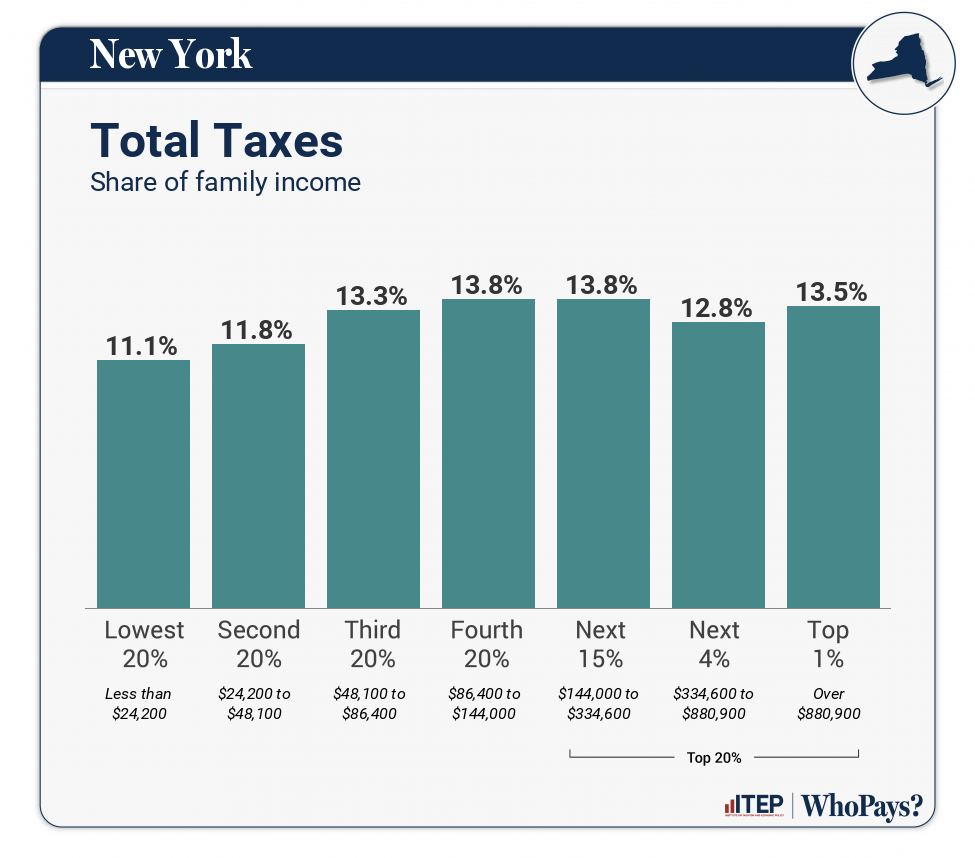
The tax rates in New York City play a significant role in its overall tourism economics. While taxes contribute essential revenue for public services and infrastructure that enhance the visitor experience, they also contribute to the city’s reputation as an expensive destination. Policymakers often balance the need for revenue with the desire to remain competitive in the global tourism market. For example, the high occupancy tax rate, while a substantial revenue source, could influence a traveler’s decision to choose a destination over another, especially for extended stays or when comparing costs with cities like Orlando or even other major global cities. The city’s ability to offer unparalleled experiences, from world-class theater in the Theater District to iconic landmarks like the Empire State Building, often offsets these cost considerations for many visitors.
LifeOutOfTheBox is a participant in the Amazon Services LLC Associates Program, an affiliate advertising program designed to provide a means for sites to earn advertising fees by advertising and linking to Amazon.com. Amazon, the Amazon logo, AmazonSupply, and the AmazonSupply logo are trademarks of Amazon.com, Inc. or its affiliates. As an Amazon Associate we earn affiliate commissions from qualifying purchases.