
Understanding time zones is fundamental for any traveler, business professional, or even casual observer of global events. When it comes to New York City, a global hub of finance, culture, and tourism, grasping its relationship with Coordinated Universal Time (UTC), often colloquially linked to Greenwich Mean Time (GMT), is essential for seamless planning and communication. While the term “New York GMT Time Zone” is often used, it’s more accurate to discuss New York’s standard and daylight saving times in relation to UTC. This article delves into the specifics of New York‘s time zone, its historical context, and practical implications for those interacting with this bustling metropolis.
Understanding Time Zones and New York’s Position
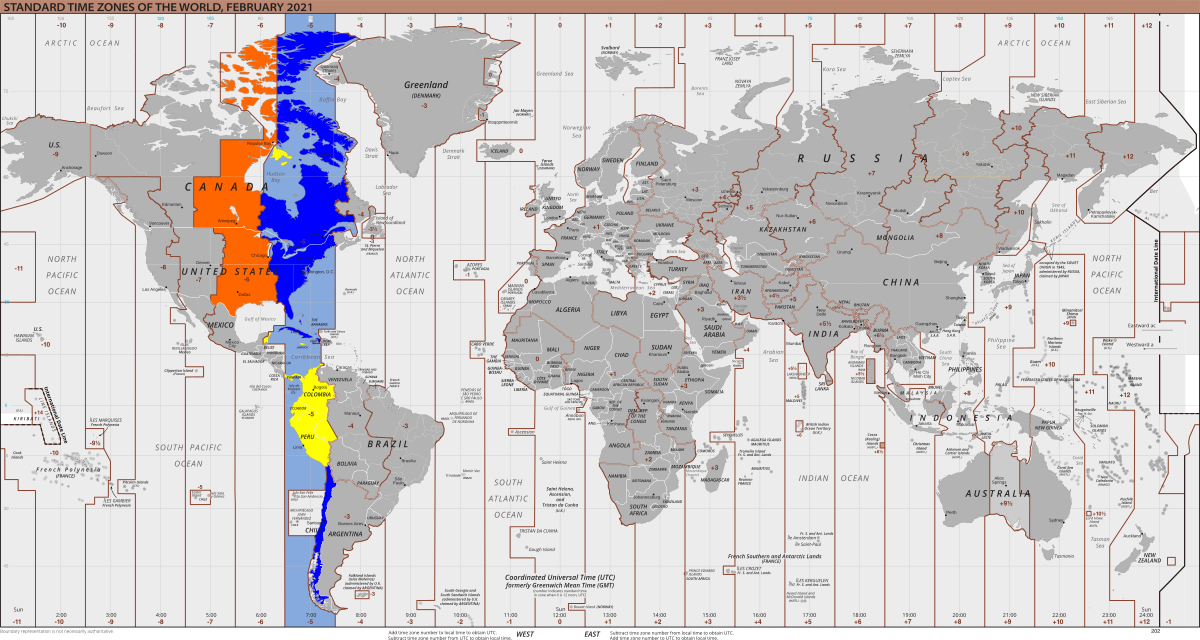
At its core, a time zone is a region that observes a uniform standard time for legal, commercial, and social purposes. These zones are primarily based on divisions of the Earth by longitude, with each zone typically spanning 15 degrees of longitude. The Earth rotates 360 degrees in 24 hours, meaning each hour represents 15 degrees of rotation. However, political and geographical boundaries often influence the shape and extent of time zones.
The Concept of GMT and UTC
Historically, Greenwich Mean Time (GMT) served as the international standard for time. It is based on the mean solar time at the Royal Observatory in Greenwich, London. However, with the advent of atomic clocks and the need for a more precise and universally agreed-upon standard, Coordinated Universal Time (UTC) was adopted in 1972. UTC is the primary time standard by which the world regulates clocks and time. While often used interchangeably in everyday conversation, particularly when referring to time differences, UTC is the scientifically defined standard, and GMT is a time zone based on UTC+0.
New York’s Standard Time: Eastern Standard Time (EST)
New York operates within the Eastern Time Zone of North America. During the fall and winter months, it observes Eastern Standard Time (EST). EST is UTC-5. This means that when it is UTC 12:00 (noon), it is 7:00 AM EST in New York. This is a fixed offset from UTC, meaning it does not change throughout the year. For travelers arriving in New York during these months, understanding this five-hour difference from UTC is crucial for adjusting their watches and planning their initial activities. For instance, if a flight departs from London at 2:00 PM GMT, which is UTC 14:00, and the flight duration is 7 hours, it would arrive in New York at 9:00 PM EST. This accounts for the 5-hour difference (14:00 + 7 hours = 21:00 UTC, which is 16:00 EST).
New York’s Daylight Saving Time: Eastern Daylight Time (EDT)
Like much of North America, New York observes Daylight Saving Time (DST) during the warmer months. From the second Sunday in March to the first Sunday in November, New York switches to Eastern Daylight Time (EDT). EDT is UTC-4. This means that clocks are advanced by one hour, bringing New York an hour closer to UTC. When it is UTC 12:00 (noon), it is 8:00 AM EDT in New York during DST. This shift is implemented to make better use of daylight during the longer days of spring and summer. The transition to and from EDT can be a source of confusion for travelers, especially those who are not familiar with the practice. It’s always advisable to check the current local time in New York before making any travel arrangements or scheduling important calls. For example, if you are in a country that does not observe DST, the time difference with New York will change twice a year.
The Practical Implications of New York’s Time Zone for Travelers
For any visitor planning a trip to New York, understanding its time zone is not just a matter of curiosity; it’s a practical necessity for a smooth and enjoyable experience. From booking flights and accommodations to scheduling tours and making dinner reservations, time zone awareness can prevent missed appointments and unnecessary stress.
Navigating Flight Bookings and Arrivals

When booking flights to New York, especially from international destinations, it’s imperative to pay close attention to the departure and arrival times listed in local times for both the origin and destination. Airlines typically display these times clearly, but double-checking against UTC or your home time zone can provide an extra layer of security. A flight arriving in New York in the early morning might feel like a good start to the day, but factoring in the time difference can reveal that you might be arriving at an inconvenient hour relative to your own body clock, potentially leading to jet lag. Understanding the EST/EDT difference means that if you depart New York at 8:00 PM EDT, you are departing at UTC 00:00 the next day. This can be a critical calculation for business travelers who need to be ready for meetings upon arrival.
Coordinating Activities and Tours
New York City is a treasure trove of attractions, from iconic landmarks like the Statue of Liberty and Times Square to world-class museums like the Metropolitan Museum of Art and Broadway shows. Many tours and activities have specific start times. If you’re booking a guided tour of Central Park or a sunset cruise on the Hudson River, ensuring you have the correct local time will prevent disappointment. For example, a 2:00 PM tour means 2:00 PM EST or EDT, depending on the season. It’s also wise to allow ample travel time to your starting point, as New York‘s traffic can be unpredictable.
Communication with Home and Business Contacts
For many travelers, staying connected with family, friends, or business associates back home is important. Knowing the time difference between New York and your home city is crucial for scheduling calls or video conferences. A late-night call for you might be an early morning for someone else, and vice versa. Being mindful of EST/EDT means that what might seem like a reasonable time to call during your visit could be inconvenient for your contacts. Similarly, for business travelers, coordinating meetings with international partners requires a precise understanding of all involved time zones, with UTC serving as a reliable common reference point. Many online tools can help you convert times accurately between different zones.
Historical Context of Time Zones in New York
The establishment of standardized time zones was a significant development, driven by the increasing speed and complexity of modern life, particularly the rise of railroads. Before standardized time, each town and city in the United States kept its own local solar time, leading to a chaotic patchwork of times that made long-distance travel and communication incredibly difficult.
The Railway Revolution and the Need for Standardization
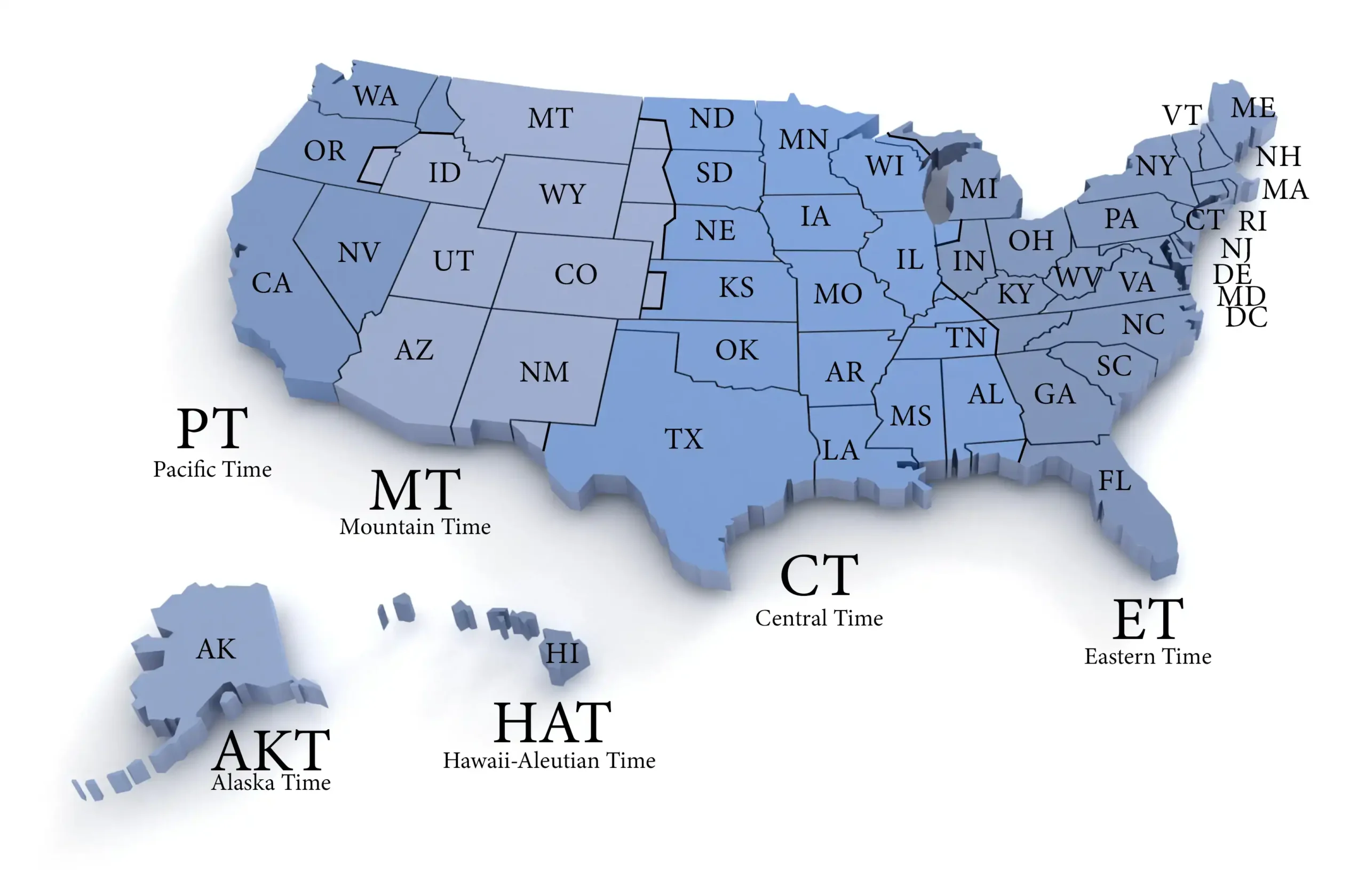
The mid-19th century saw the rapid expansion of railroads across the United States. Railroad companies found it increasingly challenging to manage train schedules with hundreds of different local times. Collisions and delays were common due to the confusion. In response, railroad companies began advocating for a system of standardized time zones. In 1883, the major U.S. railroad companies implemented their own system of four continental time zones: Eastern, Central, Mountain, and Pacific. While these zones were based on lines of longitude, they were largely dictated by the railroads’ operational needs.
Federal Adoption and the Standard Time Act
The implementation of time zones by the railroads was not immediately or universally accepted by the public. Many communities were resistant to losing their traditional local time. However, the practical benefits became increasingly apparent. It wasn’t until the passage of the Standard Time Act in 1918, during World War I, that time zones were officially recognized and mandated by the federal government. This act established the zones that are still largely in use today, including the Eastern Time Zone for New York. The Act also introduced Daylight Saving Time, though its implementation has been subject to various amendments and adjustments over the years. The historical evolution of time zones underscores the continuous effort to bring order and efficiency to a rapidly globalizing world.
Conclusion: Mastering New York Time
Understanding the nuances of New York‘s time zone, whether referred to as New York GMT time or more accurately as EST/EDT in relation to UTC, is a vital piece of practical knowledge for anyone engaging with the city. From the practicalities of travel to the coordination of business, a firm grasp of these time conventions ensures smoother interactions and a more efficient experience. By recognizing the difference between Eastern Standard Time (UTC-5) and Eastern Daylight Time (UTC-4), and by keeping UTC as a reliable reference, travelers and professionals can navigate their engagements in New York with confidence and precision. This knowledge, rooted in historical developments and current global standards, empowers you to make the most of your time in one of the world’s most dynamic cities.
LifeOutOfTheBox is a participant in the Amazon Services LLC Associates Program, an affiliate advertising program designed to provide a means for sites to earn advertising fees by advertising and linking to Amazon.com. Amazon, the Amazon logo, AmazonSupply, and the AmazonSupply logo are trademarks of Amazon.com, Inc. or its affiliates. As an Amazon Associate we earn affiliate commissions from qualifying purchases.