
Understanding the cost of living in New York is crucial for anyone contemplating a move to the city, whether for career opportunities, educational pursuits, or simply to experience the unparalleled energy of this global metropolis. While often perceived as one of the most expensive places on earth, a closer examination reveals that the “average” cost is a complex mosaic, influenced by lifestyle choices, borough of residence, and individual spending habits. This guide aims to demystify these costs, providing an insightful overview for potential residents and discerning travelers seeking to budget effectively for an extended stay.
Housing: The Biggest Determinant of Cost
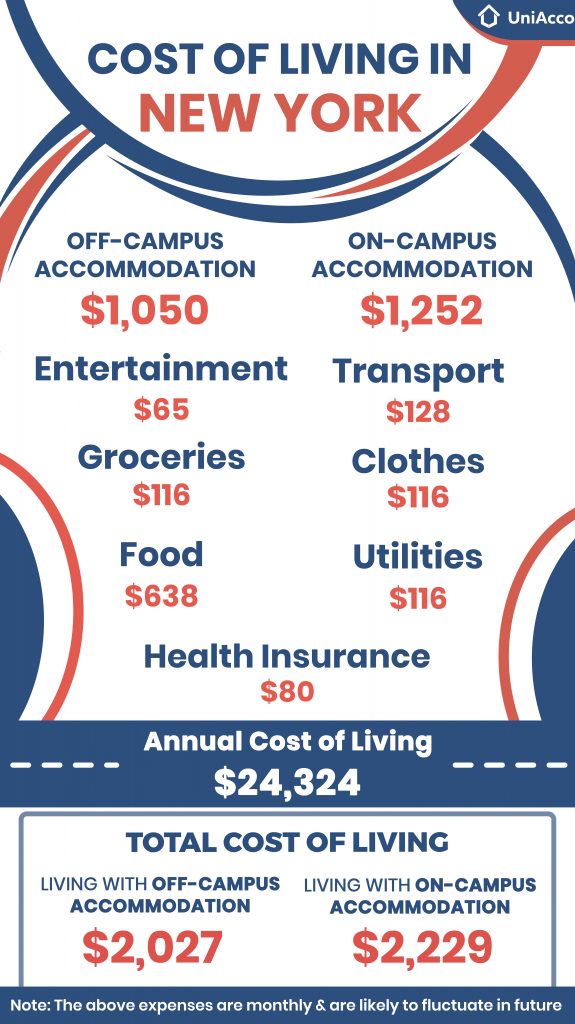
Housing invariably emerges as the most significant expenditure for any resident of New York. The sheer demand for living space in this densely populated city drives rental and ownership prices to astronomical figures. However, the variability within this sector is immense, with significant differences observed across the five boroughs and even within distinct neighborhoods.
Rental Market Dynamics
Renting is the predominant housing choice for many New Yorkers, particularly those just arriving or in their early to mid-career stages. The cost of a rental apartment is heavily dictated by location, size, and amenities.
- Manhattan: Unsurprisingly, Manhattan commands the highest rental prices. A studio apartment in a desirable downtown neighborhood like the West Village or SoHo can easily range from $3,500 to $5,000+ per month. Even a modest one-bedroom apartment in a less central area like Harlem might start at $2,500. Families seeking larger accommodations will face even steeper prices, with three-bedroom apartments in prime Manhattan locations often exceeding $8,000 or $10,000 per month.
- Brooklyn: Brooklyn offers a more diverse range of rental prices. Popular neighborhoods like Williamsburg and Dumbo are experiencing rapid gentrification and consequently, high rental costs, often approaching Manhattan figures for comparable spaces. However, further out in areas like Bay Ridge or Crown Heights, one can find more affordable options, with one-bedroom apartments sometimes available for $2,000 to $2,800.
- Queens: Queens, the largest borough by area, presents a wider spectrum of affordability. Neighborhoods like Astoria and Long Island City have seen significant development and rising rents, but pockets of affordability remain, especially in areas like Flushing or Jamaica, where a one-bedroom might be found for $1,800 to $2,300.
- The Bronx and Staten Island: These boroughs generally offer the most budget-friendly housing options. While less traversed by tourists, they provide a more suburban feel within the city limits. Rental prices here are considerably lower, with one-bedroom apartments often ranging from $1,500 to $2,000.
Beyond the monthly rent, prospective renters must also factor in security deposits (typically one month’s rent), broker fees (which can be as high as 15% of the annual rent), and potential application fees. Utilities, including electricity, gas, internet, and water, can add another $150 to $300+ per month, depending on usage and the size of the apartment.
Homeownership Costs
For those considering purchasing property, the investment is substantial. New York City real estate, particularly in desirable areas, is among the most expensive in the world. Median home prices vary wildly, but even a modest apartment in an outer borough can cost upwards of $600,000. In Manhattan, the median price for a condominium can easily surpass $1.5 million. Beyond the purchase price, homeowners face ongoing costs such as property taxes, which are significant, and common charges or maintenance fees for co-ops and condos, which can range from a few hundred to over a thousand dollars per month, covering building upkeep, staff, and amenities.
Daily Expenses: Food, Transportation, and Entertainment
Once housing is accounted for, the cost of everyday living in New York becomes the next major consideration. This encompasses everything from grocery shopping and dining out to getting around the city and enjoying its vast array of cultural offerings.
Groceries and Dining Out
The price of food in New York can be surprisingly high, influenced by the cost of transporting goods into the city and the premium placed on convenience.
- Groceries: A weekly grocery bill for a single person can range from $75 to $150, depending on dietary habits and where one shops. Local bodegas and smaller markets often have higher prices than larger chain supermarkets or specialty stores like Trader Joe’s or Whole Foods Market. Fresh produce, meats, and dairy are generally more expensive than in many other parts of the country.
- Dining Out: New York is a culinary paradise, but indulging frequently can quickly inflate one’s budget. A casual lunch from a food truck or a deli might cost $10 to $20. A sit-down dinner at a mid-range restaurant, including drinks and tip, can easily set you back $50 to $100 per person. Fine dining experiences at Michelin-starred establishments, such as Per Se or Eleven Madison Park, can cost several hundred dollars per person. Coffee prices also reflect the city’s premium, with a cup of coffee at a cafe often costing $4 to $6.
Transportation
Navigating New York is best done via its extensive public transportation system, which is relatively affordable compared to car ownership.
- MetroCard: The Metropolitan Transportation Authority (MTA) operates the subway and bus system. A single ride costs $2.90. For frequent users, a 30-day unlimited MetroCard is available for $132, offering significant savings for daily commuters. This is generally the most cost-effective way to get around.
- Taxis and Ride-Sharing: Traditional yellow cabs and ride-sharing services like Uber and Lyft are readily available but significantly more expensive. A short taxi ride within Manhattan can cost $10 to $20, and longer journeys will be substantially more. Surge pricing during peak hours can further escalate these costs.
- Car Ownership: Owning a car in New York is a luxury that most residents forgo due to exorbitant parking fees (which can be $400 to $800+ per month in garages), insurance costs, and traffic congestion. For those who do own cars, monthly expenses can easily run into the hundreds or even thousands of dollars.
Entertainment and Leisure
New York offers an unparalleled array of entertainment options, from world-class museums and theaters to iconic landmarks and diverse nightlife. The cost of these activities can vary greatly.
- Museums and Galleries: Many of New York’s premier cultural institutions, such as the Metropolitan Museum of Art, the Museum of Modern Art (MoMA), and the American Museum of Natural History, have suggested admission fees or pay-what-you-wish policies for residents. However, for general admission, expect to pay $25 to $30.
- Broadway Shows: Catching a Broadway show is a quintessential New York experience, but it comes at a price. Regular tickets can range from $80 to $200+, with premium seats for popular shows sometimes exceeding $500. Lotteries and rush ticket programs offer a chance to see shows at a discount.
- Sporting Events: Attending a game at Yankee Stadium for the New York Yankees or Madison Square Garden for the New York Knicks can also be costly, with ticket prices varying based on the team, opponent, and seating location.
- Parks and Outdoor Activities: Many of New York’s stunning green spaces, like Central Park and Prospect Park, are free to enjoy. Walking across the Brooklyn Bridge or exploring neighborhoods like Greenwich Village also costs nothing and provides a rich cultural experience.
Other Significant Costs: Healthcare, Utilities, and Personal Expenses
Beyond the major categories of housing and daily living, several other financial considerations contribute to the overall cost of residing in New York.
Healthcare
Healthcare costs in the United States are notoriously high, and New York is no exception. The specific expenses depend heavily on the type of health insurance coverage one possesses.
- Health Insurance Premiums: For those employed by companies offering benefits, the employer typically subsidizes a significant portion of the premium. However, individuals purchasing insurance independently or through the marketplace can expect monthly premiums ranging from $300 to $700+ for a single person, depending on the plan’s comprehensiveness and the provider.
- Out-of-Pocket Expenses: Even with insurance, deductibles, co-pays, and co-insurance can add up. Doctor’s visits typically have co-pays of $20 to $50, while specialist visits can be higher. Hospital stays and major medical procedures can result in substantial out-of-pocket costs if deductibles are not met. Emergency room visits are particularly expensive.
- Dental and Vision: These services are often not fully covered by standard health insurance plans and require separate insurance policies or significant out-of-pocket payments. A routine dental cleaning might cost $100-$250, while a vision exam can range from $100-$200.
Utilities and Services
As mentioned in the housing section, utilities are a recurring expense.
- Electricity and Gas: The cost fluctuates based on seasonality, with higher bills during the summer months due to air conditioning and winter months for heating. A typical apartment might incur $50 to $150 per month for these services.
- Internet and Cable TV: High-speed internet plans can range from $60 to $100+ per month, depending on the provider and speed. Cable TV packages can add another $50 to $150+ per month. Many New Yorkers opt for streaming services as a more cost-effective alternative to traditional cable.
- Cell Phone Plans: Monthly cell phone plans can range from $50 to $100+, depending on data allowances and carrier.
Personal Care and Miscellaneous Expenses
These costs are highly individual and depend on personal habits and lifestyle choices.
- Clothing: New York is a fashion-forward city, and while high-end boutiques abound, budget-friendly options also exist. Spending on clothing can range from a few dollars to thousands per month.
- Personal Grooming: Haircuts, salon services, and personal care products contribute to monthly expenses. A basic men’s haircut might cost $30-$60, while women’s salon services can be significantly more.
- Memberships and Subscriptions: Gym memberships, streaming services, and other recurring subscriptions add to the monthly outgoings. A gym membership can range from $50 to $200+ per month, depending on the facility.
Estimating the Average Cost of Living
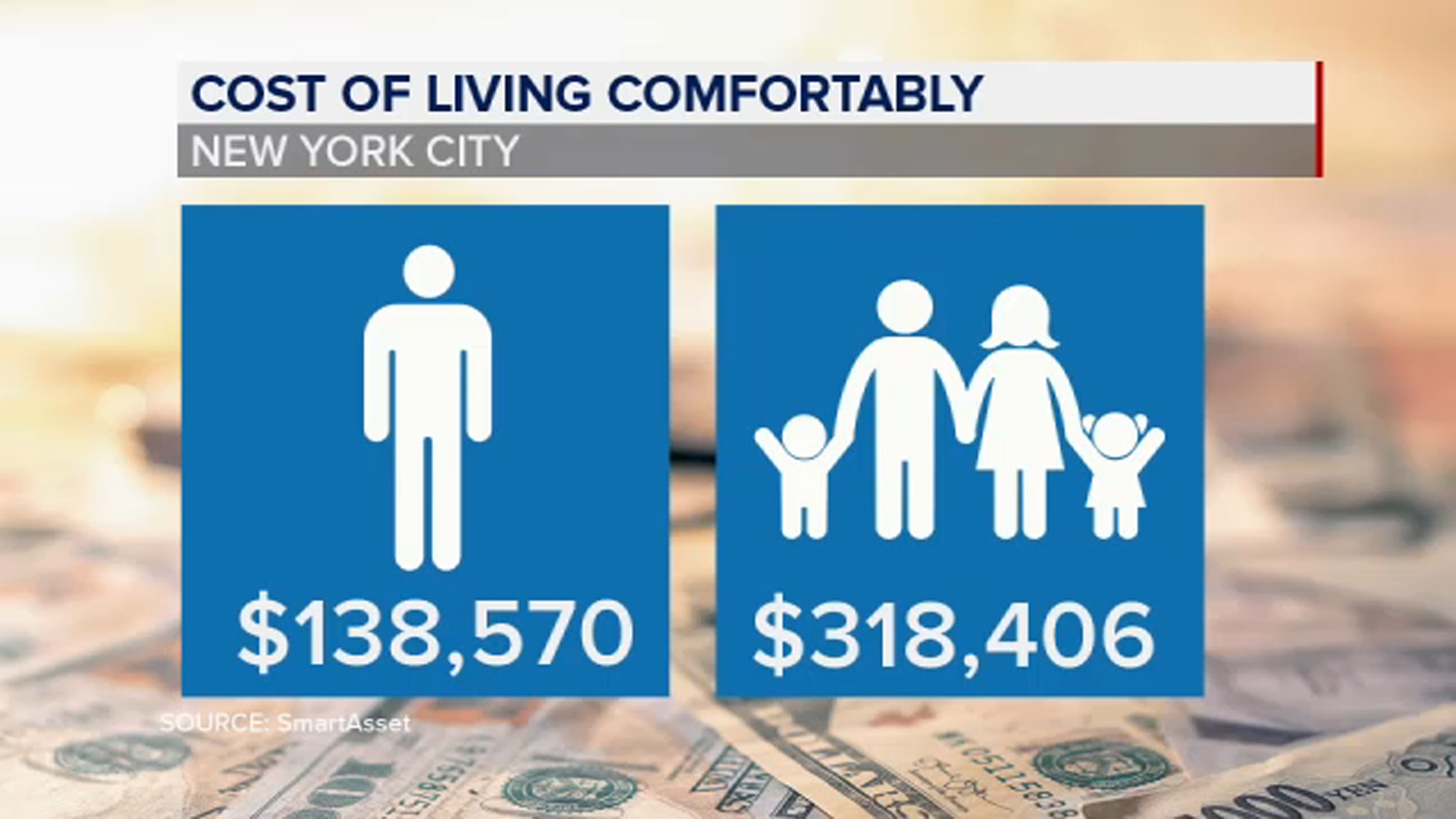
Synthesizing all these factors, it becomes clear that pinpointing a single “average” cost of living is challenging. However, we can provide estimations for different scenarios.
For a Single Person
A single individual aiming for a comfortable but not extravagant lifestyle in New York City, renting a studio or one-bedroom apartment in an outer borough or less trendy Manhattan neighborhood, might expect monthly expenses in the range of $4,000 to $6,500. This includes:
- Rent: $2,200 – $3,500
- Utilities: $150 – $300
- Groceries: $300 – $500
- Transportation (MetroCard): $132
- Dining Out/Entertainment: $500 – $1,000
- Healthcare/Insurance: $300 – $700 (highly variable)
- Personal Expenses/Miscellaneous: $500 – $1,000
For a Couple
A couple sharing expenses might see their per-person costs decrease slightly, but the total household expenditure will be higher. Renting a larger apartment, potentially a one- or two-bedroom in Brooklyn or Queens, could lead to monthly costs for the couple in the range of $7,000 to $10,000+.

For a Family of Four
A family’s expenses will be significantly higher, largely driven by housing needs and the costs associated with children, such as schooling, childcare, and activities. Renting a two- or three-bedroom apartment in a family-friendly neighborhood, coupled with all the other living expenses, could easily push monthly costs to $10,000 to $15,000+. This figure can escalate dramatically if private schooling or high-end amenities are desired.
It is important to remember that these are estimates. New York offers options at every price point, from the ultra-luxury of penthouse apartments overlooking Central Park to more modest accommodations in quieter neighborhoods. The “average” cost is ultimately a reflection of the lifestyle one chooses to lead within this dynamic and demanding, yet incredibly rewarding, city. Thorough research into specific neighborhoods and a realistic assessment of personal spending habits are paramount for anyone planning to call New York home.
LifeOutOfTheBox is a participant in the Amazon Services LLC Associates Program, an affiliate advertising program designed to provide a means for sites to earn advertising fees by advertising and linking to Amazon.com. Amazon, the Amazon logo, AmazonSupply, and the AmazonSupply logo are trademarks of Amazon.com, Inc. or its affiliates. As an Amazon Associate we earn affiliate commissions from qualifying purchases.