
The climate in New York is a captivating mosaic, characterized by its distinct four seasons. This temperate climate, influenced by its geographic location and proximity to the Atlantic Ocean, offers a dynamic experience for residents and visitors alike. Understanding the nuances of each season is crucial for planning any travel itinerary, from exploring the bustling streets of New York City to enjoying the serene landscapes upstate. The state experiences significant temperature variations throughout the year, with hot summers and cold winters, punctuated by mild springs and colorful autumns. This variability contributes to the region’s diverse agricultural output and its iconic seasonal attractions, making New York a destination that truly transforms with the changing year.
Understanding Seasonal Variations
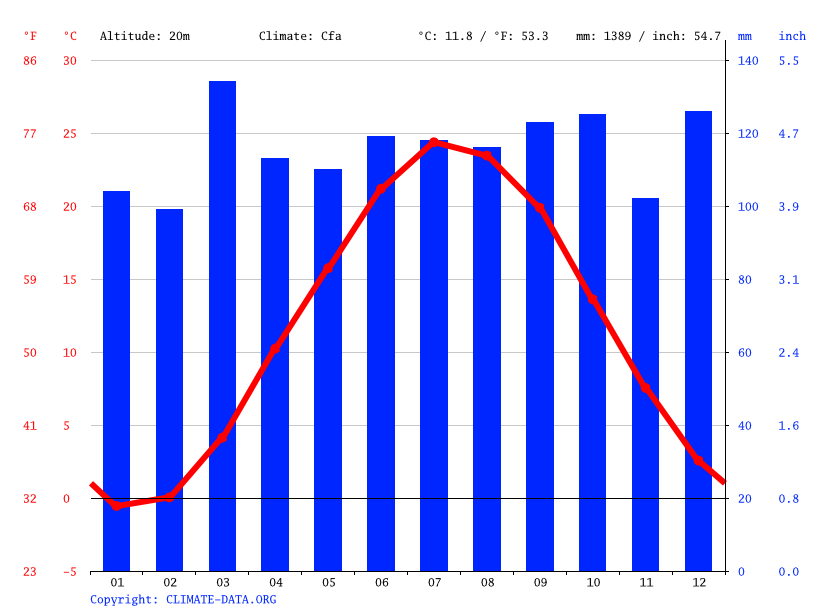
New York’s climate is a prime example of a humid continental climate, with substantial differences in temperature and precipitation between summer and winter. The state’s diverse topography, ranging from coastal plains to mountainous regions like the Adirondacks, further influences local weather patterns. Generally, the eastern parts of the state tend to be warmer in the summer and colder in the winter due to continental influences, while coastal areas experience a moderating effect from the Atlantic. Snowfall is a significant feature of the winter months, particularly in the northern and western regions, which can receive substantial accumulations. Conversely, summer brings humidity and can feature thunderstorms.
Summer: Heat, Humidity, and Outdoor Adventures
Summers in New York, typically from June to August, are characterized by warm to hot temperatures and high humidity. Average daytime temperatures often hover in the high 70s to low 80s Fahrenheit (around 25-28°C), but heatwaves can push these figures into the 90s and beyond. Precipitation is common in the form of afternoon thunderstorms, which can be intense but are usually short-lived. The long daylight hours make it an ideal time for outdoor activities.
In New York City, the summer heat can be amplified by the urban heat island effect, making air-conditioned spaces a welcome retreat. However, the city also offers numerous opportunities to embrace the season, from strolling through Central Park and enjoying rooftop bars to visiting beaches like Coney Island. Upstate, areas like the Catskills and the Finger Lakes region are perfect for hiking, boating, and exploring vineyards under clear skies. The summer months are a peak season for tourism, with events and festivals drawing crowds from around the globe.
Autumn: A Tapestry of Color and Crisp Air

Autumn in New York, from September to November, is arguably one of the most picturesque seasons. The transition is marked by a welcome drop in temperature and humidity, with crisp, clear air becoming the norm. September often retains some of the summer warmth, while October and November bring progressively cooler conditions. Daytime temperatures typically range from the 50s to 70s Fahrenheit (10-22°C) in early autumn, gradually falling into the 40s and 50s (4-15°C) as winter approaches.
The star attraction of autumn in New York is undoubtedly the foliage. Areas like the Adirondacks, Catskills, and the western parts of the state transform into a breathtaking display of red, orange, and yellow hues. Leaf peeping tours are a popular activity, with many visitors flocking to scenic drives and viewpoints. This season is also ideal for hiking and exploring apple orchards, pumpkin patches, and harvest festivals. For those interested in wine, the Finger Lakes region offers stunning vineyard tours amidst the fall colors.
Winter: Snowfall, Freezing Temperatures, and Winter Sports
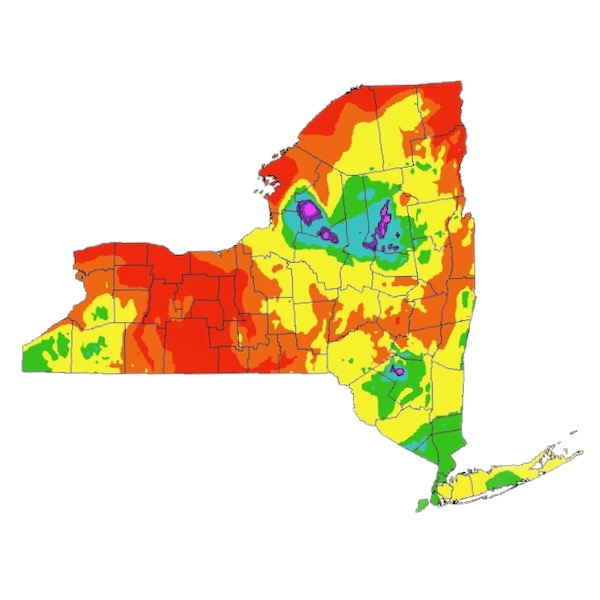
Winter in New York, from December to February, is a period of significant cold and snowfall, especially in the northern and western parts of the state. Average temperatures frequently drop below freezing, with daytime highs often in the 20s and 30s Fahrenheit (-7 to 1°C), and nighttime lows reaching into the teens and single digits. Snowfall can be abundant, with some regions, particularly those near the Great Lakes, experiencing lake-effect snow.
New York City experiences colder temperatures than the surrounding ocean might suggest, with average highs in the low 40s Fahrenheit (around 5°C) and occasional snow. While the city’s allure shifts to indoor attractions like museums and Broadway shows, the holiday season transforms it into a winter wonderland with festive decorations and ice skating rinks. Upstate, winter opens up a world of outdoor recreation. Ski resorts in the Adirondacks and Catskills attract skiers and snowboarders, while areas with frozen lakes and rivers offer opportunities for ice fishing and skating. The stark beauty of snow-covered landscapes provides a different, yet equally compelling, perspective of the state.
Spring: Renewal, Thawing, and Emerging Greenery
Spring in New York, from March to May, is a season of transition and rebirth. It begins with lingering cold and potential late-season snow in March, gradually giving way to milder temperatures and the emergence of greenery. April is often a mix of rain and sunshine, with temperatures steadily rising. By May, the weather is generally pleasant, with average daytime highs in the 60s and 70s Fahrenheit (15-25°C).
The landscape awakens from its winter slumber, with wildflowers blooming and trees budding. This is an excellent time for exploring New York before the summer crowds arrive. In New York City, outdoor cafes begin to buzz, and parks become vibrant hubs of activity. The Brooklyn Botanic Garden is a particular highlight, with its stunning cherry blossoms and diverse plant collections. Upstate, the melting snow feeds rivers and streams, and the landscape begins to turn a lush green, making it ideal for hiking and enjoying the early signs of nature’s revival. The variable weather of spring means packing layers is essential, but the promise of warmer days and longer daylight hours makes it a highly anticipated season.
LifeOutOfTheBox is a participant in the Amazon Services LLC Associates Program, an affiliate advertising program designed to provide a means for sites to earn advertising fees by advertising and linking to Amazon.com. Amazon, the Amazon logo, AmazonSupply, and the AmazonSupply logo are trademarks of Amazon.com, Inc. or its affiliates. As an Amazon Associate we earn affiliate commissions from qualifying purchases.