
When planning a visit to the Empire State, understanding its climatic nuances is paramount to crafting an unforgettable experience. While New York offers a dazzling array of attractions year-round, from the vibrant energy of New York City to the serene beauty of the Adirondack Mountains, its weather can dramatically shift from one season to the next. For those seeking to embrace the chill, or perhaps strategically avoid it, pinpointing the coldest month in New York is an essential piece of knowledge. This exploration delves into the heart of New York’s winter, revealing which month typically holds the icy crown and what a visit during this period entails.
Understanding Winter’s Grip in New York
New York’s winters are renowned for their intensity, a stark contrast to the warmth of its summers. The state’s diverse geography, stretching from the Atlantic coast to the Great Lakes, influences its winter weather patterns. Coastal regions like New York City experience a maritime-influenced winter, often characterized by biting winds, sleet, and occasional snowfalls. Inland, particularly in the western and northern parts of the state, winters become more severe, with heavier snow accumulations and sustained sub-freezing temperatures becoming commonplace.
The Prevailing Coldest Month
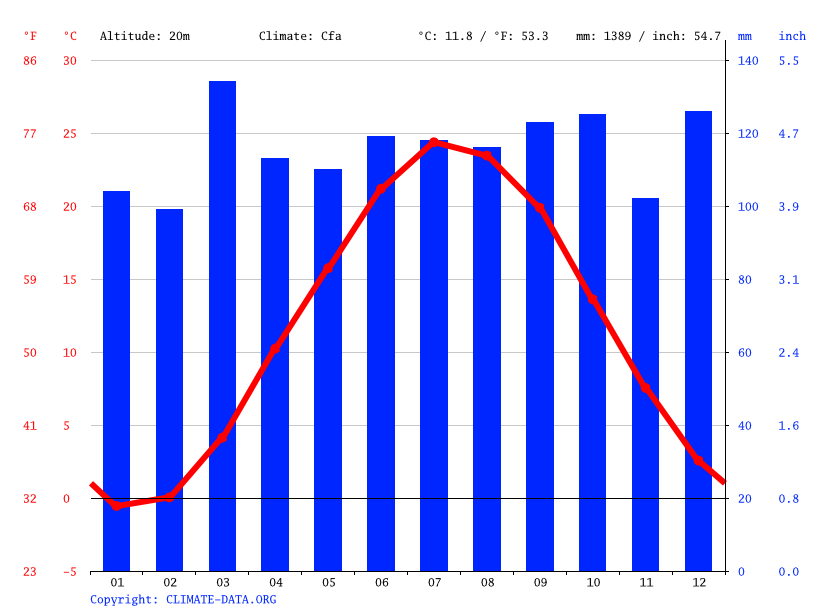
While variations exist year to year and across different regions, January consistently emerges as the coldest month across New York. Following closely, February often retains a significant portion of this chill, making the late winter period the most challenging for outdoor activities for those not accustomed to frigid conditions. The average daily temperatures in January typically hover in the low 20s Fahrenheit (around -6 to -4 degrees Celsius), with overnight lows frequently plunging well below zero. Wind chill factors can exacerbate these already severe temperatures, making it feel even colder.
Factors Influencing Winter Severity
Several meteorological factors contribute to New York’s winter cold:
- Arctic Air Masses: The state is susceptible to incursions of cold air from the Arctic, particularly during January and February. These air masses bring plummeting temperatures and clear skies, but also the potential for significant snow when combined with moisture.
- Lake-Effect Snow: Regions in western and northern New York, such as those near the Great Lakes, often experience lake-effect snow. This phenomenon occurs when cold air masses move over warmer lake waters, picking up moisture and depositing it as heavy snowfall on downwind shores.
- Nor’easters: These powerful coastal storms can impact New York throughout the winter. While not exclusive to the coldest months, Nor’easters can bring significant snowfall, strong winds, and frigid temperatures, often intensifying the perception of cold.
- Daylight Hours: The winter solstice, occurring around December 21st or 22nd, marks the shortest day of the year. While the coldest temperatures typically lag behind the shortest days, the reduced daylight in January and February contributes to the prolonged periods of cold.
Embracing the Winter Landscape: What to Expect
Visiting New York during its coldest months, particularly January, offers a unique and often beautiful experience. It’s a time when the landscape is transformed by snow, and the state’s cities take on a festive, cozy atmosphere. However, it also requires careful planning and appropriate attire to fully enjoy the season.
New York City in the Deep Freeze
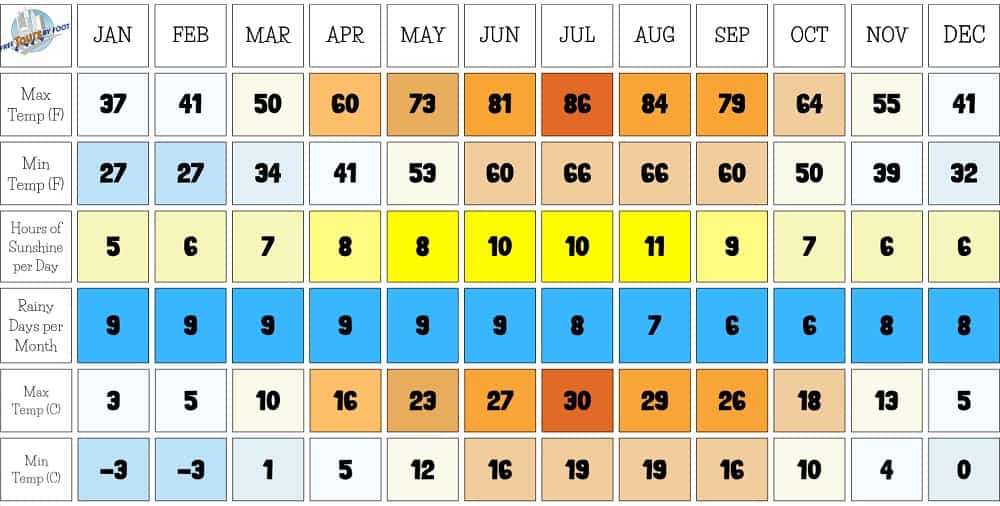
New York City in January presents a different kind of magic. The throngs of summer tourists are gone, replaced by a more local feel. Iconic landmarks like the Empire State Building and Central Park can be breathtaking under a blanket of snow, though outdoor exploration may be limited. The city’s world-class museums, such as the Metropolitan Museum of Art and the American Museum of Natural History, offer warm refuges for culture enthusiasts. The culinary scene thrives, with cozy restaurants and bars providing welcome warmth. Booking accommodation in advance is still recommended, especially for popular hotels like the Plaza Hotel or The St. Regis New York, as even during the coldest months, New York City remains a highly sought-after destination.
Upstate Winters: A Different Kind of Cold
Venturing upstate reveals a more traditional winter wonderland. The Adirondack Mountains, Catskill Mountains, and the areas around the Finger Lakes offer opportunities for winter sports enthusiasts. Ski resorts like Hunter Mountain and areas in the Adirondacks see significant snowfall, making them ideal for skiing, snowboarding, and snowshoeing. Charming towns transform into picturesque settings, adorned with festive lights and offering a respite from the bustling city. Lodging options range from cozy cabins and rustic lodges to more established resorts like the Mirror Lake Inn Resort & Spa. These regions experience colder temperatures and heavier snowfalls than the city, making them a true test for winter adventurers.
Preparing for the Coldest Month: Essential Travel Tips
To fully appreciate New York during its coldest month, preparation is key. Understanding the expected weather and packing accordingly will ensure a comfortable and enjoyable trip, allowing you to focus on the unique experiences winter in the Empire State has to offer.
Packing for Extreme Cold
The cornerstone of a successful winter trip to New York is appropriate attire. Layering is the most effective strategy for managing fluctuating temperatures and activity levels:
- Base Layers: Thermal underwear made of wool or synthetic materials will wick away moisture and keep you warm. Avoid cotton, as it holds moisture and can make you feel colder.
- Mid Layers: Fleece jackets, sweaters, or down vests provide insulation. These layers can be added or removed as needed to regulate body temperature.
- Outer Layer: A waterproof and windproof insulated coat is essential. Look for features like a hood, adjustable cuffs, and a length that covers the hips for maximum protection.
- Extremities: Warm, waterproof gloves or mittens are crucial. A thick wool or fleece hat that covers your ears is also vital, as significant heat loss occurs from the head. Scarves or neck gaiters will protect your face and neck from the wind.
- Footwear: Insulated, waterproof boots with good traction are indispensable for navigating snowy or icy sidewalks. Woolen socks will keep your feet warm and dry.

Activities and Attractions in January
Despite the cold, New York offers a wealth of activities during its chilliest month:
- Ice Skating: Iconic rinks like the one at Rockefeller Center in New York City or outdoor rinks in various upstate towns provide quintessential winter fun.
- Winter Festivals and Events: Keep an eye out for local winter festivals, ice sculpture competitions, and community events that celebrate the season.
- Snow Sports: For those seeking adventure, skiing, snowboarding, snowshoeing, and cross-country skiing are popular in upstate regions.
- Museums and Indoor Attractions: As mentioned earlier, New York’s numerous museums, art galleries, theaters, and concert halls offer excellent indoor diversions.
- Cozy Dining Experiences: Seek out charming cafes, traditional pubs, and restaurants with fireplaces to warm up and enjoy local cuisine.
By understanding that January typically holds the title of the coldest month in New York, travelers can make informed decisions, pack strategically, and prepare to experience the unique beauty and excitement that the Empire State has to offer, even at its chilliest.
LifeOutOfTheBox is a participant in the Amazon Services LLC Associates Program, an affiliate advertising program designed to provide a means for sites to earn advertising fees by advertising and linking to Amazon.com. Amazon, the Amazon logo, AmazonSupply, and the AmazonSupply logo are trademarks of Amazon.com, Inc. or its affiliates. As an Amazon Associate we earn affiliate commissions from qualifying purchases.