
The skyline of New York City is an iconic testament to human ambition and architectural prowess, a dazzling tapestry of steel and glass that pierces the clouds. For decades, the question of which edifice reigns supreme in height has captivated locals and visitors alike, sparking debates and drawing crowds to gaze upwards in awe. This pursuit of verticality has not only shaped the visual identity of the city but also tells a story of innovation, resilience, and the relentless drive to reach new heights. Understanding the tallest building in New York offers a fascinating glimpse into the city’s historical development and its enduring status as a global hub.
The Contenders and The Crown: Defining Vertical Supremacy
The definition of “highest” can sometimes be a point of contention, especially when considering architectural features like spires and antennas. However, when referring to the tallest building, the primary measurement is typically the architectural height, which includes spires but excludes temporary structures like antennas or flagpoles. This standard allows for a clear and consistent comparison. Historically, New York has been a battleground for this distinction, with several legendary structures vying for the title.
The Reign of the Empire State Building
For many, the thought of the tallest building in New York immediately conjures images of the majestic Empire State Building. Completed in 1931, this Art Deco masterpiece held the title of the world’s tallest building for nearly 40 years. Its construction was a remarkable feat of engineering and speed, completed in just over a year during the depths of the Great Depression. The Empire State Building stands at an impressive 1,250 feet (381 meters) to its roof, with its iconic spire extending its total height to 1,454 feet (443.2 meters). Its enduring popularity as a tourist attraction, with its famous observation decks offering panoramic views of the city, solidifies its place not just as a tall building, but as a cultural icon. Even with newer skyscrapers adorning the skyline, the Empire State Building remains a beloved symbol of New York City’s resilience and grandeur.
The Evolution of the Skyline: Post-Empire State Ascendancy
The quest for height continued, and while the Empire State Building held its ground for decades, the landscape of New York was destined to evolve. The post-war era saw a surge in skyscraper construction, with developers constantly pushing the boundaries of what was architecturally possible. This period was marked by a race to create the next iconic landmark that would define the city’s silhouette. The changing economic landscape and advancements in construction technology fueled this ambition, leading to the creation of buildings that were not only taller but also more innovative in their design and functionality.
The Current Champion: One World Trade Center
In the aftermath of a tragic event that reshaped the New York skyline, a new beacon of hope and resilience rose from the ashes. One World Trade Center, also known as the Freedom Tower, stands as the tallest building in New York City and the entire Western Hemisphere. Officially opened in 2014, it reaches a staggering height of 1,776 feet (541.3 meters), a symbolic number chosen to commemorate the year the United States Declaration of Independence was signed. This height includes its 408-foot spire, which is an integral part of its architectural design, making its total height the most definitive measure.

Architectural Marvel and Symbolic Significance
The design of One World Trade Center is a testament to modern engineering and a profound symbol of remembrance and rebirth. Its crystalline form tapers as it rises, with its base clad in glass panels that reflect the surrounding environment. The building’s striking spire, which houses broadcasting equipment, is a prominent feature that contributes to its impressive height and distinctive silhouette. Beyond its physical stature, One World Trade Center represents the indomitable spirit of New York and the nation. Its presence signifies the city’s ability to rebuild and look towards the future, while also honoring the memory of those lost. The observation deck, located on the 100th, 101st, and 102nd floors, offers breathtaking, unobstructed views of the city, providing visitors with an unparalleled perspective of the urban landscape.
Beyond the Height: A Hub of Activity and Innovation
One World Trade Center is more than just a tall building; it is a vibrant hub of commerce, culture, and connectivity. Its state-of-the-art office spaces attract leading businesses, fostering a dynamic environment for innovation and collaboration. The tower’s design incorporates advanced safety features and sustainable practices, reflecting a commitment to environmental responsibility and the well-being of its occupants. The surrounding World Trade Center site has also been redeveloped into a thriving public space, featuring the National September 11 Memorial & Museum, reflecting pools, and a transportation hub, making it a place of reflection, remembrance, and renewal. The integration of public spaces, retail areas, and cultural attractions ensures that One World Trade Center is not just an office building, but a destination in itself.
Other Notable Tall Structures in New York City
While One World Trade Center proudly holds the title of the tallest building in New York, the city’s impressive collection of skyscrapers means there are several other structures that command attention for their height and architectural significance. These buildings contribute to the unique character of the New York skyline and are landmarks in their own right, drawing visitors and residents to marvel at their imposing presence.
The Dominance of Supertalls
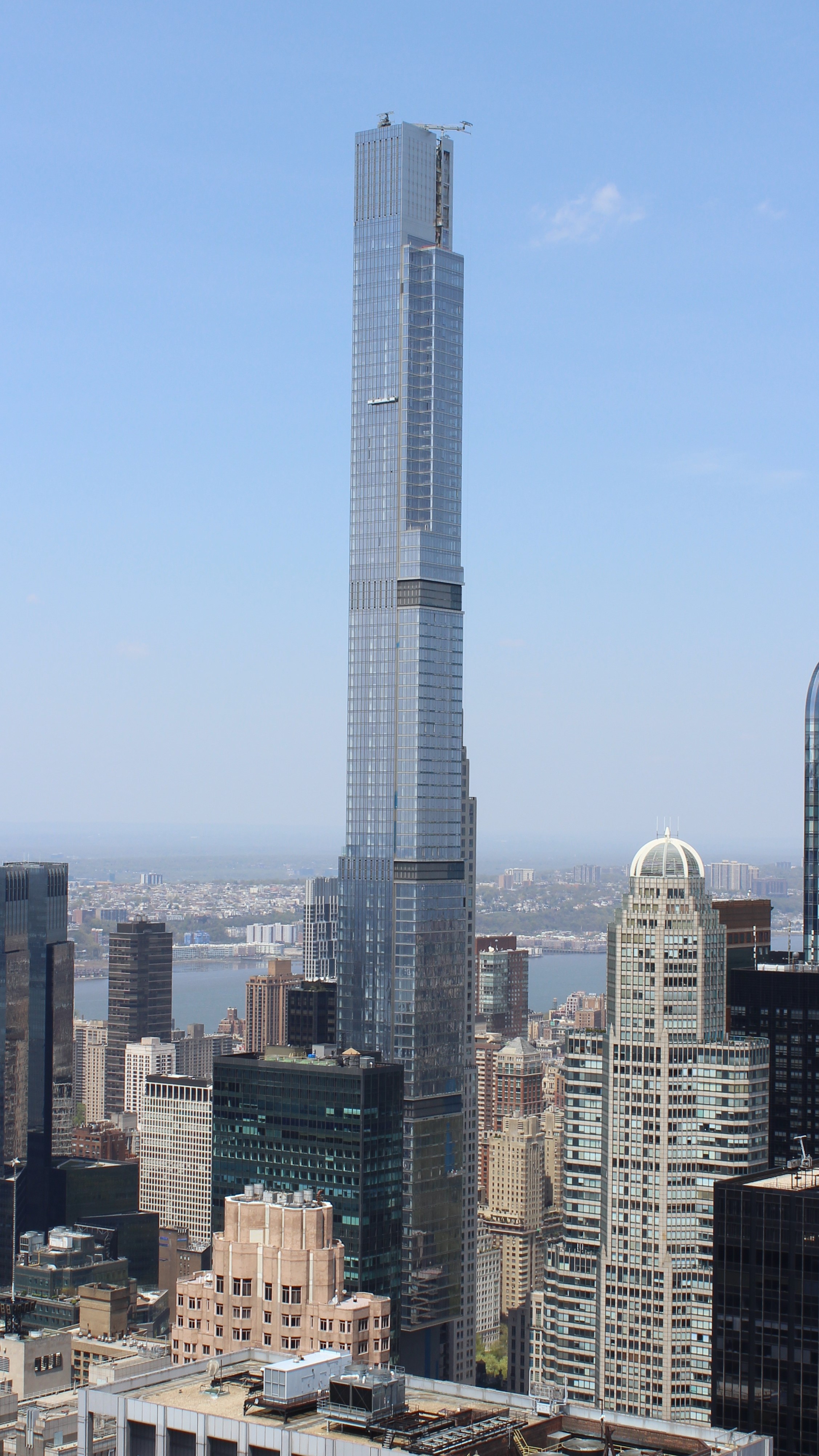
The category of “supertall” buildings, generally defined as skyscrapers exceeding 300 meters (984 feet), is well represented in New York. Beyond One World Trade Center, several other residential and commercial towers have ascended to dizzying heights, particularly in recent years. Buildings like Central Park Tower, which is the tallest residential building in the world, and 111 West 57th Street, known for its slender profile and luxurious residences, have dramatically altered the cityscape, especially along Billionaires’ Row. These architectural feats are not only impressive in their scale but also in their innovative designs, often featuring unique structural elements and high-end amenities that cater to an elite clientele. Their construction reflects the ongoing demand for prime real estate in the city and the continued ambition to build higher.

Icons of the Past and Present
Alongside these newer supertalls, many classic skyscrapers continue to define the New York skyline, even if they are no longer the absolute tallest. The aforementioned Empire State Building remains a beloved icon. Other notable structures include Chrysler Building, with its distinctive Art Deco spire, and the Metropolitan Life Insurance Company Tower, which was once the tallest building in the world. Even the original World Trade Center towers, before their tragic destruction, were defining features of the skyline for decades. These buildings, whether historic or contemporary, contribute to the rich architectural narrative of New York City, each with its own story and legacy. The interplay between these different eras of skyscraper construction creates a dynamic and ever-evolving urban panorama.
LifeOutOfTheBox is a participant in the Amazon Services LLC Associates Program, an affiliate advertising program designed to provide a means for sites to earn advertising fees by advertising and linking to Amazon.com. Amazon, the Amazon logo, AmazonSupply, and the AmazonSupply logo are trademarks of Amazon.com, Inc. or its affiliates. As an Amazon Associate we earn affiliate commissions from qualifying purchases.