
New York, a state synonymous with the iconic skyline of New York City, boasts a diverse geography and a rich tapestry of urban centers beyond its most famous metropolis. While the bustling heart of New York City undeniably commands global attention, the question of the “largest city” can be interpreted in several ways, each revealing a different facet of the Empire State’s character. This exploration delves into the quantifiable metrics that define city size, ultimately shedding light on New York’s most expansive urban environments, not solely from a population perspective but also through considerations of land area and economic influence. Understanding these distinctions is crucial for anyone seeking to navigate and appreciate the breadth of New York’s metropolitan landscapes, from the vibrant energy of its core to the sprawling reaches of its surrounding hubs.
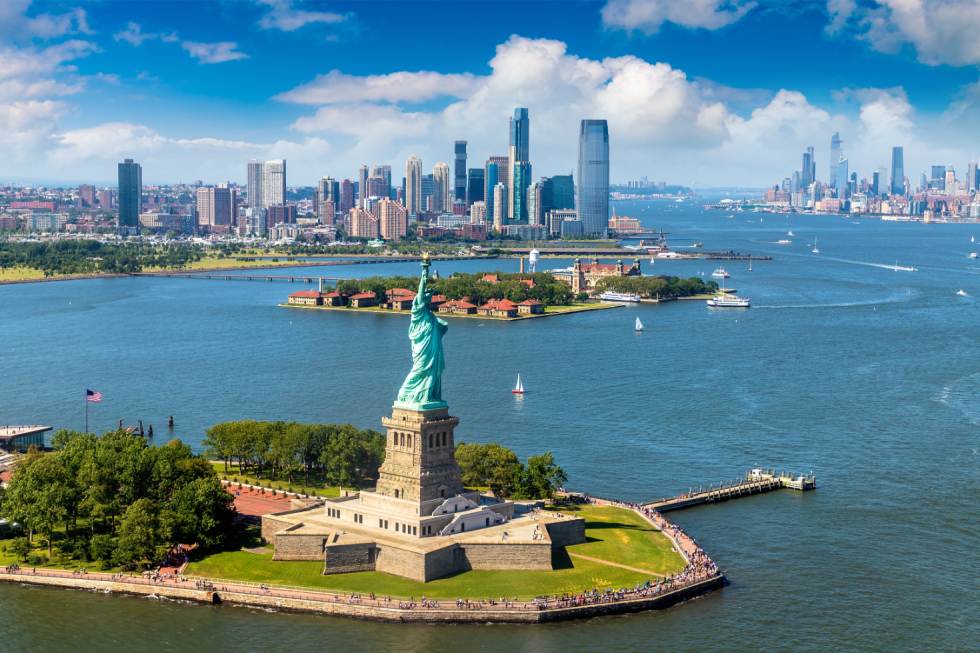
Defining “Largest”: Population, Area, and Influence
The term “largest city” is often the subject of debate, as different metrics can lead to varying conclusions. When discussing New York, it’s essential to consider these distinct parameters to gain a comprehensive understanding of its urban scale.
Population: The Quintessential Metric
By far the most common and widely accepted measure of a city’s size is its population. This metric reflects the sheer density of human habitation and the vibrant lifeblood of an urban center. In New York, the distinction is exceptionally clear when comparing the five boroughs of New York City to other municipalities within the state.
-
New York City: With a population exceeding 8.5 million residents, New York City is not only the largest city in New York but also the most populous city in the United States and one of the most populous metropolitan areas in the world. Its five boroughs – Manhattan, Brooklyn, Queens, The Bronx, and Staten Island – each possess populations comparable to, or exceeding, many major cities in their own right. This immense population fuels its status as a global hub for finance, culture, fashion, and media.
-
Buffalo: As the second-largest city in New York by population, Buffalo offers a distinct urban experience. Located on the eastern shore of Lake Erie, it boasts a population of over 250,000 residents within its city limits. Buffalo has a rich industrial history and is currently experiencing a resurgence in its downtown area, with a growing cultural scene and a reputation for its affordable cost of living.
-
Rochester: Situated on the southern shore of Lake Ontario, Rochester is New York’s third-largest city by population, with approximately 210,000 residents. Historically known as a center for photography and optics due to companies like Eastman Kodak, Rochester is also recognized for its vibrant arts community, numerous parks, and educational institutions.
-
Syracuse: Located in the central part of the state, Syracuse is home to around 145,000 people. It is a significant hub for education, healthcare, and retail, centered around the impressive Destiny USA shopping mall, one of the largest in the country. The city is also known for its role in the salt production history of New York.
-
Albany: As the capital of New York, Albany has a population of roughly 99,000 residents. While smaller in population than the aforementioned cities, its governmental and administrative functions lend it significant importance. Its historic architecture and proximity to the Hudson River add to its appeal.
Land Area: Sprawling Urban Footprints
While population density is a primary concern, land area provides another perspective on a city’s scale, particularly in understanding its physical footprint and potential for outward expansion. This metric becomes particularly relevant when considering cities that may have large geographical boundaries encompassing less densely populated areas.
-
New York City: Although the individual boroughs are densely populated, when considering the total land area within its municipal boundaries, New York City remains the largest by a significant margin. Its total area, including land and water, spans over 468 square miles. This vast expanse encompasses diverse neighborhoods, extensive parklands like Central Park, and the sprawling waterfronts of its various boroughs.
-
Other Cities: When looking beyond New York City, understanding the land area of other major municipalities in New York becomes more nuanced. Many of these cities, while smaller in population, may have incorporated substantial surrounding territories into their official city limits to account for future growth or to include natural resources. For instance, cities like Buffalo and Rochester have considerable land areas that include parks and less developed zones. However, their total land mass still pales in comparison to the sheer scale of New York City.
Economic and Cultural Influence: The Unseen Scale
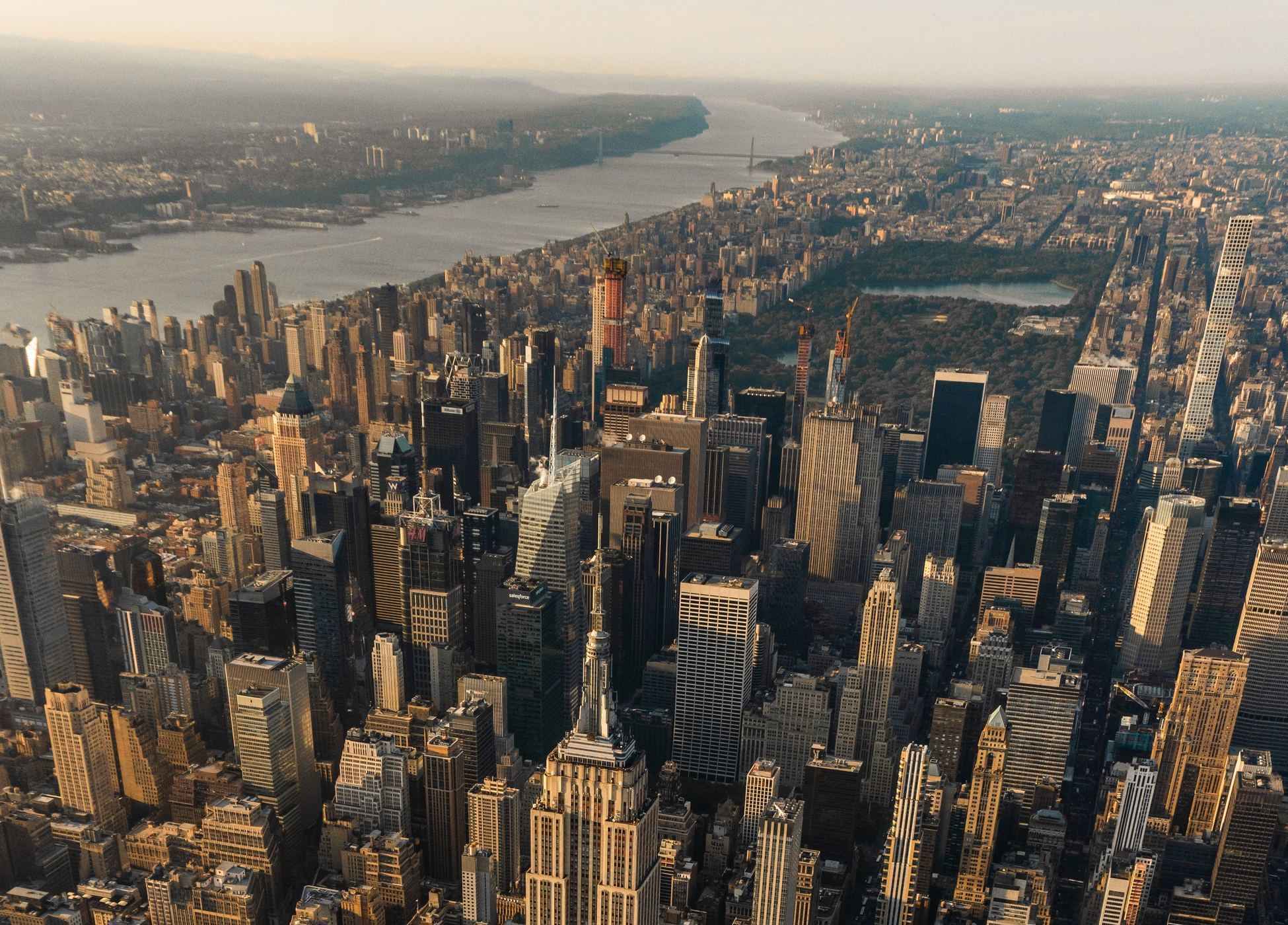
Beyond quantifiable metrics like population and land area, a city’s “largeness” can also be gauged by its economic output, cultural significance, and influence on surrounding regions. This perspective recognizes that a city’s impact often extends far beyond its geographical or demographic boundaries.
-
New York City: As a global economic powerhouse and a melting pot of cultures, New York City undoubtedly holds the most significant economic and cultural influence within the state and on the world stage. Its stock exchanges, multinational corporations, renowned museums like The Metropolitan Museum of Art, theaters in Times Square, and diverse culinary scene make it a focal point of global attention and economic activity. The ripple effect of its economy and culture is felt throughout New York and beyond.
-
Regional Hubs: Cities like Buffalo, Rochester, and Syracuse also serve as significant regional economic and cultural hubs. They attract businesses, host major events, and provide educational and healthcare services to their surrounding areas. While their influence is more localized compared to New York City, they play vital roles in their respective regions’ development and identity. For example, Buffalo’s ongoing revitalization efforts and its proximity to Niagara Falls contribute to its regional significance.
The Unquestionable Dominance of New York City
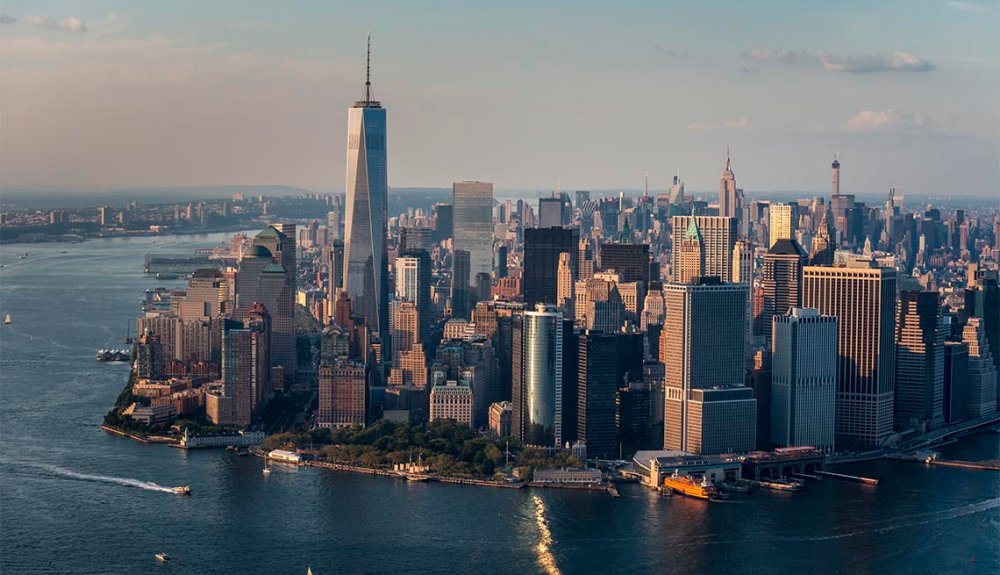
When the question of the largest city in New York is posed, the answer, by virtually any common interpretation, unequivocally points to New York City. Its sheer scale in terms of population, its vast land area, and its unparalleled global influence cement its status as the preeminent urban center in the state.
A Metropolis of Global Significance
The five boroughs of New York City collectively represent an urban ecosystem of unparalleled complexity and dynamism. Manhattan, the densest and most iconic borough, is the financial and cultural heart of the city. Brooklyn has evolved into a vibrant hub for arts, culture, and technology, attracting a diverse population and fostering a thriving independent scene. Queens, the largest borough by land area and the most ethnically diverse county in the United States, offers a rich tapestry of global cultures and cuisines. The Bronx is renowned for its contributions to hip-hop culture and its significant parklands, including Yankee Stadium. Finally, Staten Island provides a more suburban feel, balancing residential neighborhoods with natural beauty, including the Greenbelt. Together, these boroughs form a metropolitan giant that influences trends, economies, and cultural movements worldwide.
Beyond the City Limits: Metropolitan Statistical Areas
To further appreciate the scale of New York City’s influence, it’s important to consider the concept of Metropolitan Statistical Areas (MSAs). The New York-Newark-Jersey City, NY-NJ-PA MSA is the most populous MSA in the United States, extending far beyond the city’s five boroughs to encompass significant portions of northern New Jersey, southern New York, and southwestern Connecticut. This vast interconnected region, with New York City at its core, solidifies its position as a dominant force in the nation’s urban landscape. Other MSAs in New York, such as the Buffalo-Niagara Falls MSA and the Rochester MSA, are significant regional centers but do not rival the sheer scale and reach of the greater New York City metropolitan area.
Exploring the Second Tier: Major Urban Centers
While New York City stands alone at the apex, New York State is home to several other significant urban centers that contribute to its diverse metropolitan character and offer distinct experiences for residents and visitors alike. These cities, while smaller than the colossal metropolis, are vital components of the state’s economic and cultural fabric.
Buffalo: A City of Resilience and Renewal
Located at the confluence of the Buffalo River and Lake Erie, Buffalo is a city with a proud industrial heritage and a vibrant present. Its population of over 250,000 makes it the second-largest city in New York. Buffalo is undergoing a significant renaissance, with investments in its downtown core, a burgeoning culinary scene, and a revitalized waterfront. Its architectural grandeur, reminiscent of its prosperous past, is evident in landmarks like the City Hall and the historic Theater District. The city’s proximity to Niagara Falls also makes it a gateway to one of the world’s most spectacular natural wonders, attracting tourists and contributing to its regional economic vitality.
Rochester: Innovation and Culture by the Lake
Rochester, situated on the southern shore of Lake Ontario, is New York’s third-largest city. Historically a powerhouse of innovation, it was once the global center for photography and optics, thanks to pioneers like George Eastman and his Eastman Kodak company. Today, Rochester continues to be a hub for technology and research, while also boasting a rich cultural landscape. The city is known for its numerous festivals, its thriving craft brewery scene, and its beautiful parks system, including the iconic High Falls. Educational institutions like the University of Rochester and the Rochester Institute of Technology contribute to its intellectual vibrancy and attract a diverse student population.
Syracuse: A Central Hub of Commerce and Education
In the heart of New York, Syracuse serves as a central hub for commerce, education, and entertainment. With a population of approximately 145,000, it is the state’s fourth-largest city. Syracuse is perhaps most famously known for Destiny USA, a massive shopping and entertainment complex that draws visitors from across the region. The city is also home to Syracuse University, a prominent research institution that shapes its academic and cultural environment. Historically, Syracuse played a crucial role in the salt industry, which contributed significantly to the economic development of the state. Its central location makes it a convenient meeting point and a gateway to the Finger Lakes region.
Conclusion: A State of Diverse Urban Scale
In conclusion, while the title of the largest city in New York unequivocally belongs to New York City based on population, land area, and global influence, the state’s urban landscape is far more varied. Cities like Buffalo, Rochester, and Syracuse represent significant regional centers, each with its own unique history, culture, and economic drivers. Understanding these distinctions allows for a more nuanced appreciation of New York’s metropolitan tapestry, revealing a state that is not defined by a single urban giant but by a constellation of cities, each contributing to its overall dynamism and character. Whether one is drawn to the unparalleled energy of New York City or the distinct charm of its secondary urban centers, New York offers a wealth of exploration for those interested in the multifaceted nature of its urban environments.
LifeOutOfTheBox is a participant in the Amazon Services LLC Associates Program, an affiliate advertising program designed to provide a means for sites to earn advertising fees by advertising and linking to Amazon.com. Amazon, the Amazon logo, AmazonSupply, and the AmazonSupply logo are trademarks of Amazon.com, Inc. or its affiliates. As an Amazon Associate we earn affiliate commissions from qualifying purchases.