
Understanding the geographical coordinates of a place offers a profound insight into its character, climate, and even its historical significance. For a city as dynamic and multifaceted as New York City, its latitude is more than just a number; it’s a fundamental element that shapes its identity. Located in the Northern Hemisphere, the precise latitude of New York City places it within a temperate zone, influencing everything from the changing seasons experienced by its residents and visitors to the very nature of its famous landmarks. This exploration delves into the specific latitude of New York City, its implications for climate and seasons, and how this seemingly simple coordinate contributes to the city’s vibrant tapestry.

The Precision of Latitude: Pinpointing New York City
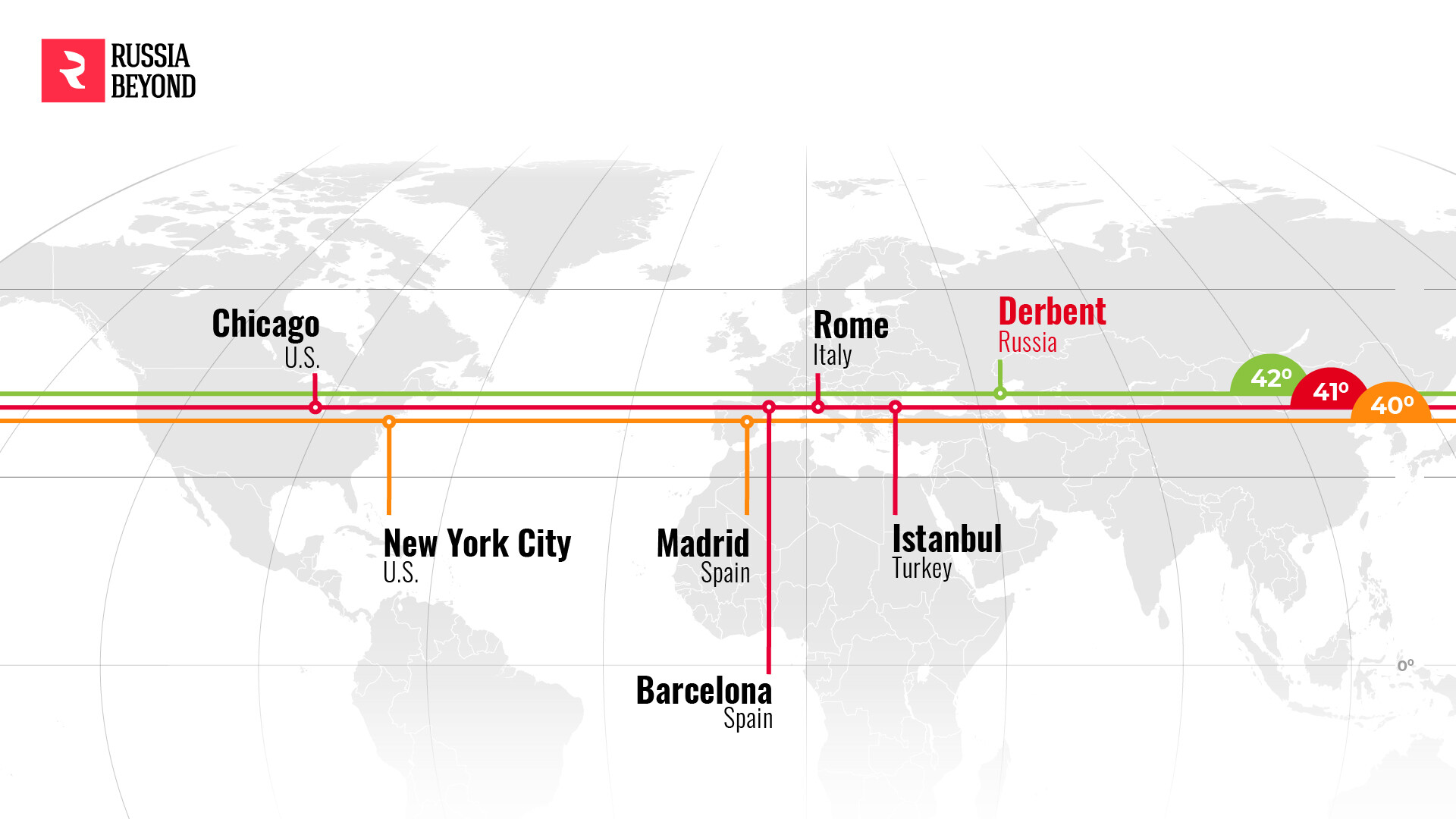
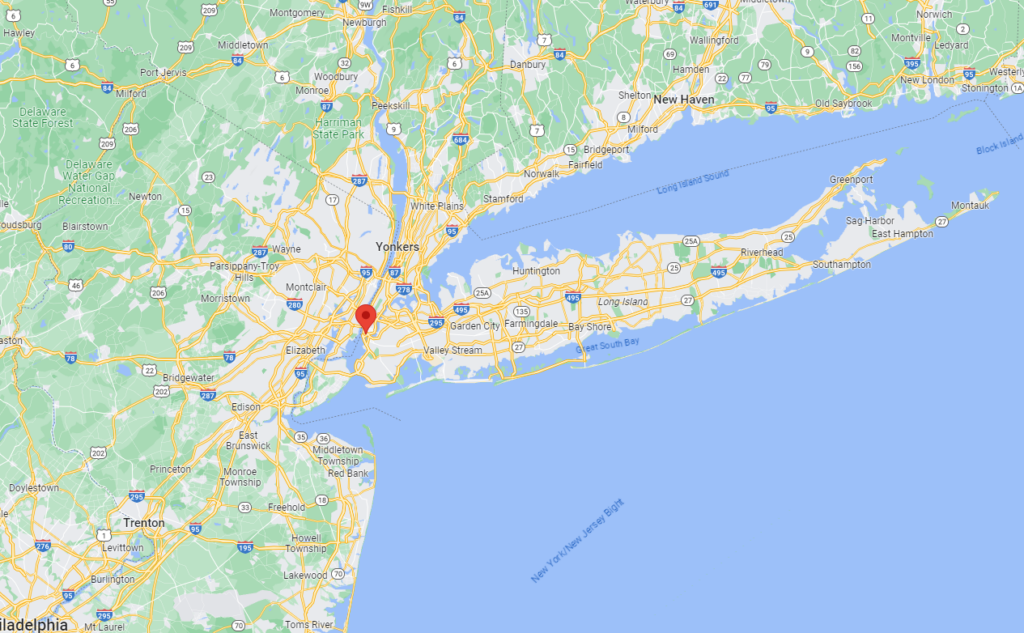
The generally accepted latitude for New York City is approximately 40.7128 degrees North. This figure, while specific, represents a general consensus for the metropolitan area. For a city of its vast sprawl, encompassing boroughs like Manhattan, Brooklyn, Queens, The Bronx, and Staten Island, slight variations in latitude exist across its geographical expanse. However, for most practical purposes, the 40.7 degrees North mark serves as the definitive locator. This precision is crucial for cartographers, navigators, and anyone seeking to understand the city’s position on the global stage. It places New York City on a similar latitudinal band to other significant global cities, allowing for interesting comparisons in climate and daylight hours. For instance, cities like Rome in Italy and Madrid in Spain share a comparable latitude, hinting at some shared climatic characteristics, albeit with regional differences due to proximity to oceans and prevailing weather systems.
Navigating the Grid: Latitude and Longitude in the Urban Landscape
Latitude is always measured in degrees north or south of the Equator. In the case of New York City, being at 40.7128 degrees North means it is situated over 4,000 miles north of the Equator. This northern position is a primary determinant of its experience of daylight and solar intensity throughout the year. Coupled with its longitude of approximately 74.0060 degrees West, these coordinates precisely define the city’s location on Earth. This precise positioning has historically been vital for maritime navigation, enabling ships to accurately chart their course into the bustling port of New York Harbor. Today, while GPS technology has revolutionized navigation, the fundamental principles of latitude and longitude remain the bedrock of our understanding of global geography. The grid system that characterizes much of New York City, particularly in Manhattan, aligns with the Cartesian coordinates that govern our mapping systems, with latitude and longitude forming the essential framework.
The Climate Conundrum: How Latitude Shapes New York’s Weather
The latitude of New York City places it firmly within the temperate zone, characterized by distinct four seasons. This means experiencing warm, often humid summers, crisp and colorful autumns, cold winters, and vibrant springs. The ~40.7 degrees North latitude ensures that the city receives a substantial amount of sunlight throughout the year, but the angle of the sun’s rays varies significantly with the seasons. During summer, the sun is higher in the sky, leading to longer days and warmer temperatures. Conversely, in winter, the sun’s arc is lower, resulting in shorter days and colder conditions. This cyclical variation is a defining feature of the New York City experience, influencing everything from the types of activities available to the fashion choices of its inhabitants.
Seasonal Splendor and Winter Wonders
The impact of latitude is most acutely felt in the city’s pronounced seasonal changes. Summers in New York City can be hot and sticky, with average high temperatures in July and August often reaching into the 80s Fahrenheit (around 27-30 degrees Celsius). This warmth makes it an ideal time for outdoor activities, from strolling through Central Park to enjoying rooftop bars with panoramic city views. As summer transitions into autumn, the latitude ensures a beautiful cooling trend. The fall foliage in parks like Prospect Park and along the Hudson River is a spectacular display, a direct result of the changing angles of sunlight and temperature dips characteristic of this latitude.
Winter, however, brings a significant shift. The latitude dictates colder temperatures, with averages in January hovering around freezing point. Snowfall is common, transforming the iconic skyline into a picturesque winter wonderland. While the cold can be bracing, it also ushers in a different kind of magic, with holiday decorations adorning Fifth Avenue and ice skating rinks opening in various locations. Spring then heralds a gradual warming, with blooming trees and flowers signaling the return of milder weather and longer days, completing the annual cycle dictated by the city’s geographical position. The proximity of New York City to the Atlantic Ocean does moderate some of the extremes, but the fundamental seasonal pattern is undeniably a product of its latitudinal placement.
Latitude and the Lifestyle of a Global Metropolis
The latitude of New York City has profoundly influenced the city’s culture and the lifestyle of its inhabitants. The distinct seasons encourage a dynamic range of activities and traditions throughout the year. From bustling outdoor markets and street fairs in the warmer months to cozy indoor pursuits and holiday festivities when it’s colder, the city adapts and thrives with each turn of the calendar. This climatic variability contributes to the energetic and ever-changing character of New York City.
Influences on Urban Design and Daily Life
The way New York City is designed and how its residents live are also subtly shaped by its latitude. For instance, the orientation of buildings and the design of public spaces often consider the path of the sun throughout the day and across the seasons. In summer, seeking shade is paramount, while in winter, capitalizing on any available sunlight is desirable. The city’s famed public transportation system, the Metropolitan Transportation Authority (MTA), operates year-round, catering to the needs of commuters regardless of the weather, which is directly tied to the latitudinal climate. Furthermore, the types of flora that can flourish in the city’s numerous parks and green spaces are dictated by the temperate climate zone that New York City occupies. The success of urban farming initiatives and the types of produce available at farmers’ markets like those at Union Square are also tied to the length of the growing season, a direct consequence of its latitude. The city’s resilience and adaptability in embracing its climate, whether it’s navigating a blizzard or enjoying a sweltering summer day in Times Square, are testaments to the enduring spirit of New York City.
In conclusion, the latitude of New York City, approximately 40.7128 degrees North, is a fundamental geographical attribute that underpins its climatic patterns, seasonal cycles, and ultimately, the vibrant lifestyle that defines this global metropolis. It is a number that anchors the city’s place on the map and offers a key to understanding the rhythm of its existence, from the sunlight that graces its iconic skyscrapers to the very air its diverse population breathes.
LifeOutOfTheBox is a participant in the Amazon Services LLC Associates Program, an affiliate advertising program designed to provide a means for sites to earn advertising fees by advertising and linking to Amazon.com. Amazon, the Amazon logo, AmazonSupply, and the AmazonSupply logo are trademarks of Amazon.com, Inc. or its affiliates. As an Amazon Associate we earn affiliate commissions from qualifying purchases.