
The allure of New York is undeniable, drawing millions of visitors each year to its vibrant streets, iconic landmarks, and diverse cultural tapestry. While the city’s pulsating energy and endless attractions are well-documented, a crucial element that profoundly shapes the visitor experience is its dynamic weather. Understanding the climatic nuances of the Empire State, particularly in its most famous metropolis, is paramount for planning an unforgettable trip. The weather in New York City is characterized by four distinct seasons, each offering a unique atmosphere and set of opportunities for exploration. From the crisp air of autumn to the balmy days of summer, each period presents its own set of advantages and challenges for travelers.
Seasonal Variations: A Four-Act Play
New York’s weather is a testament to its continental climate, marked by significant temperature fluctuations throughout the year. The city experiences warm, humid summers and cold, snowy winters, with transitional periods of spring and autumn that are often temperate and picturesque. This cyclical pattern dictates everything from the types of activities available to the clothing one should pack, influencing the overall mood and aesthetic of the city. For instance, a summer visit might beckon strolls through Central Park or evening concerts under the stars, while a winter trip might focus on cozying up in a charming cafe or witnessing the dazzling holiday decorations.
Spring: A Gentle Awakening
Spring in New York typically begins in March and extends through May, ushering in a period of renewal and burgeoning life. Early spring can still hold a chill, with average temperatures ranging from the low 40s to the low 50s Fahrenheit (around 4-10°C). Snowfall, though diminishing, is still a possibility in March. As April arrives, the city begins to thaw, with temperatures gradually climbing into the 50s and 60s Fahrenheit (around 10-15°C). The landscape transforms as trees bud, flowers bloom in parks and botanical gardens, and the city sheds its winter coat. By May, the weather is often pleasantly mild, with average highs in the mid-70s Fahrenheit (around 24°C), making it an ideal time for outdoor activities. Rainfall is common during spring, often manifesting as refreshing showers that invigorate the city. Visitors can enjoy longer daylight hours, perfect for exploring neighborhoods like Greenwich Village or taking a ferry to the Statue of Liberty. The city buzzes with an optimistic energy as outdoor cafes reopen and street festivals begin to emerge.
Summer: The Energetic Peak
Summer in New York stretches from June to August, characterized by its heat and humidity. July and August are generally the hottest months, with average daily temperatures often hovering in the high 70s and low 80s Fahrenheit (around 25-28°C), and heatwaves pushing temperatures well into the 90s Fahrenheit (above 32°C) are not uncommon. The humidity can make these temperatures feel even more intense, leading to sticky, muggy conditions. Thunderstorms are frequent during the summer, often occurring in the late afternoon or evening, bringing temporary relief from the heat. Despite the heat, summer is a vibrant time to visit, with countless outdoor events, rooftop bars, and leisurely activities. The long daylight hours allow for extended exploration of the city’s myriad attractions, from a walk across the Brooklyn Bridge to a performance at Lincoln Center. The city truly comes alive during this season, with a palpable sense of energy and festivity pervading the streets.
Autumn: A Golden Hued Transition
Autumn, from September to November, is often considered the most picturesque season in New York. September still holds onto the warmth of summer, with average temperatures in the 70s Fahrenheit (around 21°C). As October progresses, the air becomes noticeably crisp and cool, with temperatures typically ranging from the 50s to the 60s Fahrenheit (around 10-15°C). This is the season when the leaves in Central Park and other green spaces erupt in a breathtaking display of reds, oranges, and yellows, creating a stunning visual spectacle. November brings a more distinct chill, with temperatures dropping into the 40s Fahrenheit (around 4-9°C), and the first hints of winter begin to appear. Rainfall is moderate, and the skies are often a clear, brilliant blue. Autumn is a prime time for walking tours, exploring art galleries, and enjoying the cozy ambiance of the city. The pre-holiday season brings a unique charm, with decorations starting to appear in late November.
Winter: The Chilling Embrace
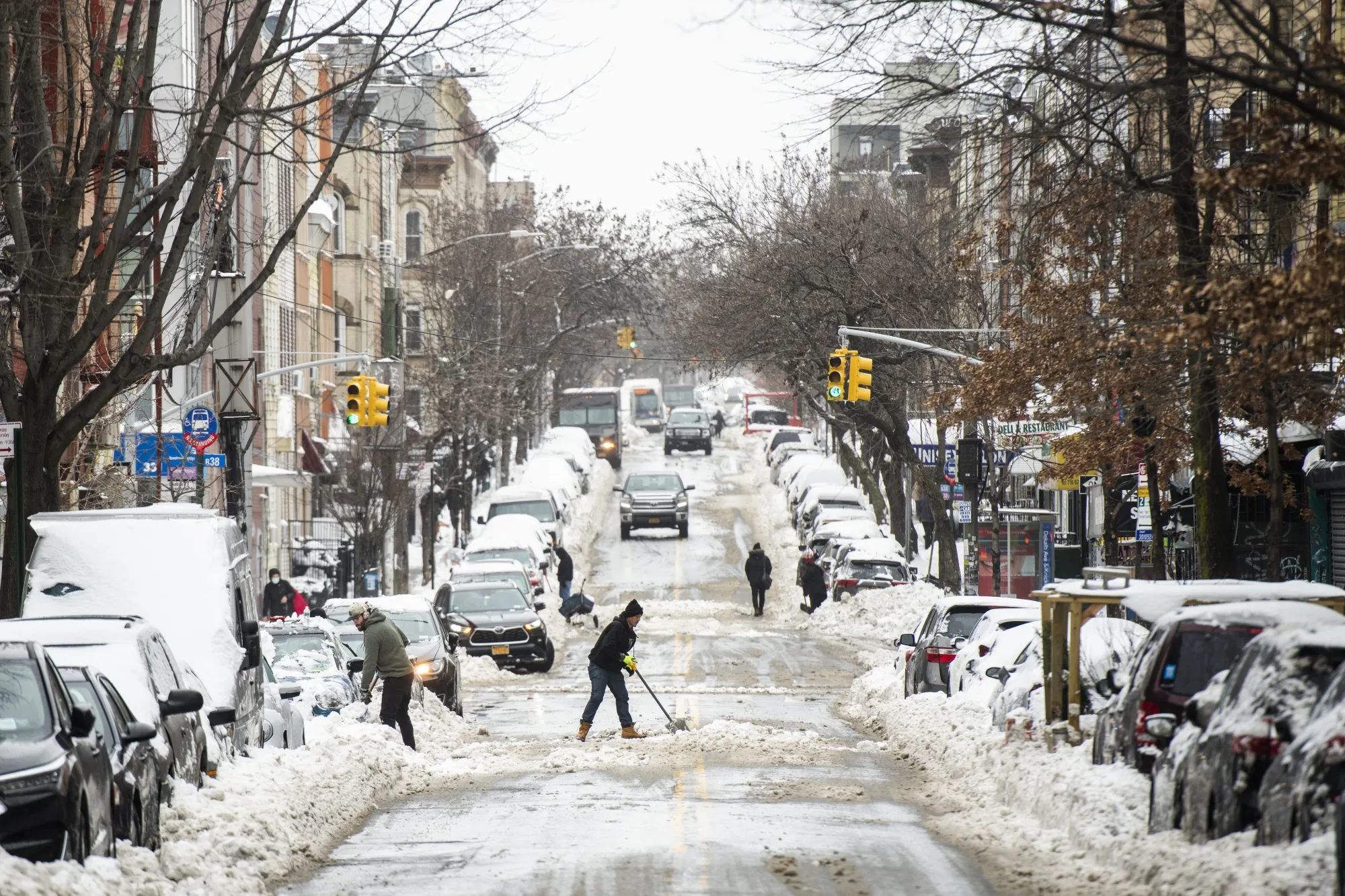
Winter in New York spans from December to February, bringing cold temperatures and the potential for significant snowfall. December can still be relatively mild, with average temperatures in the 30s Fahrenheit (around 0-4°C), but it is marked by festive decorations and holiday cheer. January and February are typically the coldest months, with average temperatures often below freezing, ranging from the low 20s to the low 30s Fahrenheit (around -6 to 0°C). Snowfall is common, and blizzards can occasionally bring the city to a standstill, transforming its urban landscape into a winter wonderland. While outdoor activities may be limited, winter offers a unique charm. The city’s museums, theaters, and restaurants provide warm havens, and the holiday lights and decorations are a major draw. Ice skating in Rockefeller Center is a quintessential winter experience. Those who brave the cold are rewarded with fewer crowds and a more intimate perspective of the city.
Planning Your Visit: Weather-Wise Strategies
Understanding New York’s weather is not just about knowing the temperature; it’s about optimizing your travel experience. Each season presents a distinct set of considerations for packing, activity planning, and even accommodation choices. Being prepared for the elements can mean the difference between a comfortably memorable trip and one that is hampered by unexpected weather events.
Packing Essentials for Every Season

The key to comfortable travel in New York lies in packing layers.
- Spring: Pack light to medium-weight jackets, sweaters, long-sleeved shirts, jeans or comfortable trousers, and a waterproof umbrella or rain jacket. Comfortable walking shoes are essential, and a light scarf can be useful for cooler evenings.
- Summer: Lightweight, breathable clothing is crucial. Think t-shirts, shorts, skirts, sundresses, and comfortable sandals or sneakers. A light rain jacket or poncho is advisable for sudden thunderstorms, and don’t forget sunscreen, a hat, and sunglasses.
- Autumn: Layers are paramount. Pack sweaters, long-sleeved shirts, a medium-weight jacket or coat, jeans or trousers, and comfortable closed-toe shoes. A scarf and gloves might be needed, especially in late autumn.
- Winter: Warm, waterproof outerwear is non-negotiable. This includes a heavy coat, insulated waterproof boots, gloves, a warm hat, and a scarf. Thermal base layers, sweaters, and warm trousers are also essential for staying comfortable.
Activity Adaptation and Indoor Options
When planning your itinerary, consider how the weather might influence your choices.
- Mild Weather (Spring/Autumn): These seasons are ideal for extensive walking tours, exploring outdoor markets like those in Chelsea Market, visiting rooftop gardens, or enjoying leisurely picnics in parks such as Bryant Park.
- Warm Weather (Summer): Embrace the heat with outdoor activities like ferry rides to Governors Island, exploring Coney Island, or attending outdoor concerts and performances. Stay hydrated and take advantage of air-conditioned indoor attractions during the hottest parts of the day.
- Cold Weather (Winter): This is the perfect time to delve into New York’s world-class museums like the Metropolitan Museum of Art or the American Museum of Natural History. Catch a Broadway show, explore the diverse culinary scene, or enjoy the festive ambiance of holiday markets. Many hotels, such as the Plaza Hotel, offer cozy and luxurious indoor retreats.
Embracing the Unexpected: Flexibility is Key
Even with meticulous planning, New York weather can be unpredictable. A sudden downpour or an unexpected cold snap can necessitate a change of plans. The beauty of visiting New York lies in its sheer density of attractions. Numerous indoor options are always available, from iconic museums and theaters to cozy cafes and vibrant shopping districts like SoHo. Cultivating a flexible attitude and having a few backup indoor activities in mind will ensure that even a change in weather contributes positively to your overall travel experience.
Beyond the Temperature: Microclimates and Atmospheric Phenomena
While broad seasonal trends define New York’s weather, it’s also important to acknowledge the presence of microclimates within the city and the impact of specific atmospheric phenomena that can influence the visitor experience.
Urban Heat Island Effect and Waterfront Breezes
The “urban heat island” effect means that built-up areas, with their concrete and asphalt surfaces, tend to be warmer than surrounding rural areas, especially at night. This is particularly noticeable in Manhattan, leading to slightly higher temperatures compared to outer boroughs. Conversely, areas closer to the water, such as the Brooklyn Bridge Park or the shores of Queens, often benefit from cooling breezes, especially during warmer months. These breezes can offer welcome respite from the city’s heat and add a different dimension to outdoor activities near the waterfront.
Fog and Smog Considerations
Occasionally, New York can experience fog, particularly in the spring and autumn, which can lend a mystical or dramatic atmosphere to the skyline, obscuring some of the taller buildings. While less common than in some coastal cities, heavy fog can impact visibility for ferries and air travel. Smog, a byproduct of urban pollution and weather patterns, can also affect air quality on certain days, especially during hot summer periods. While generally not a significant deterrent for most tourists, individuals with respiratory sensitivities may wish to monitor air quality reports during their stay.

Weather and Events: A Symbiotic Relationship
The weather in New York is intrinsically linked to its vibrant event calendar. Outdoor festivals, concerts, and sporting events are heavily weather-dependent. For instance, Central Park hosts numerous free concerts and events during the summer, while outdoor holiday markets are a staple of the winter season. The iconic Times Square New Year’s Eve celebration, with its famous ball drop, is a testament to the city’s resilience and spirit, often taking place amidst very cold and sometimes snowy conditions. Understanding the typical weather for the time of year you plan to visit will allow you to better anticipate and enjoy these unique urban experiences. Whether you’re aiming for the warmth of summer festivals or the festive chill of winter markets, the weather of New York is an integral part of its unforgettable charm.
LifeOutOfTheBox is a participant in the Amazon Services LLC Associates Program, an affiliate advertising program designed to provide a means for sites to earn advertising fees by advertising and linking to Amazon.com. Amazon, the Amazon logo, AmazonSupply, and the AmazonSupply logo are trademarks of Amazon.com, Inc. or its affiliates. As an Amazon Associate we earn affiliate commissions from qualifying purchases.