
Understanding the geographic coordinates of a city as iconic and multifaceted as New York City offers a deeper appreciation for its climate, seasons, and even its historical development. While the pulsing energy of Times Square and the serene beauty of Central Park are what draw millions, the fundamental position of New York City on the globe dictates many of the experiences a visitor or resident will encounter. Specifically, its latitude plays a crucial role in defining the character of this global metropolis.
The Geographic Foundation: Latitude and Its Impact
Latitude is a measure of angular distance, north or south, from the Earth’s equator. For New York City, this measurement places it firmly within the Northern Hemisphere, a fact that has profound implications for its climate and daylight patterns throughout the year.

Pinpointing the Precise Coordinates
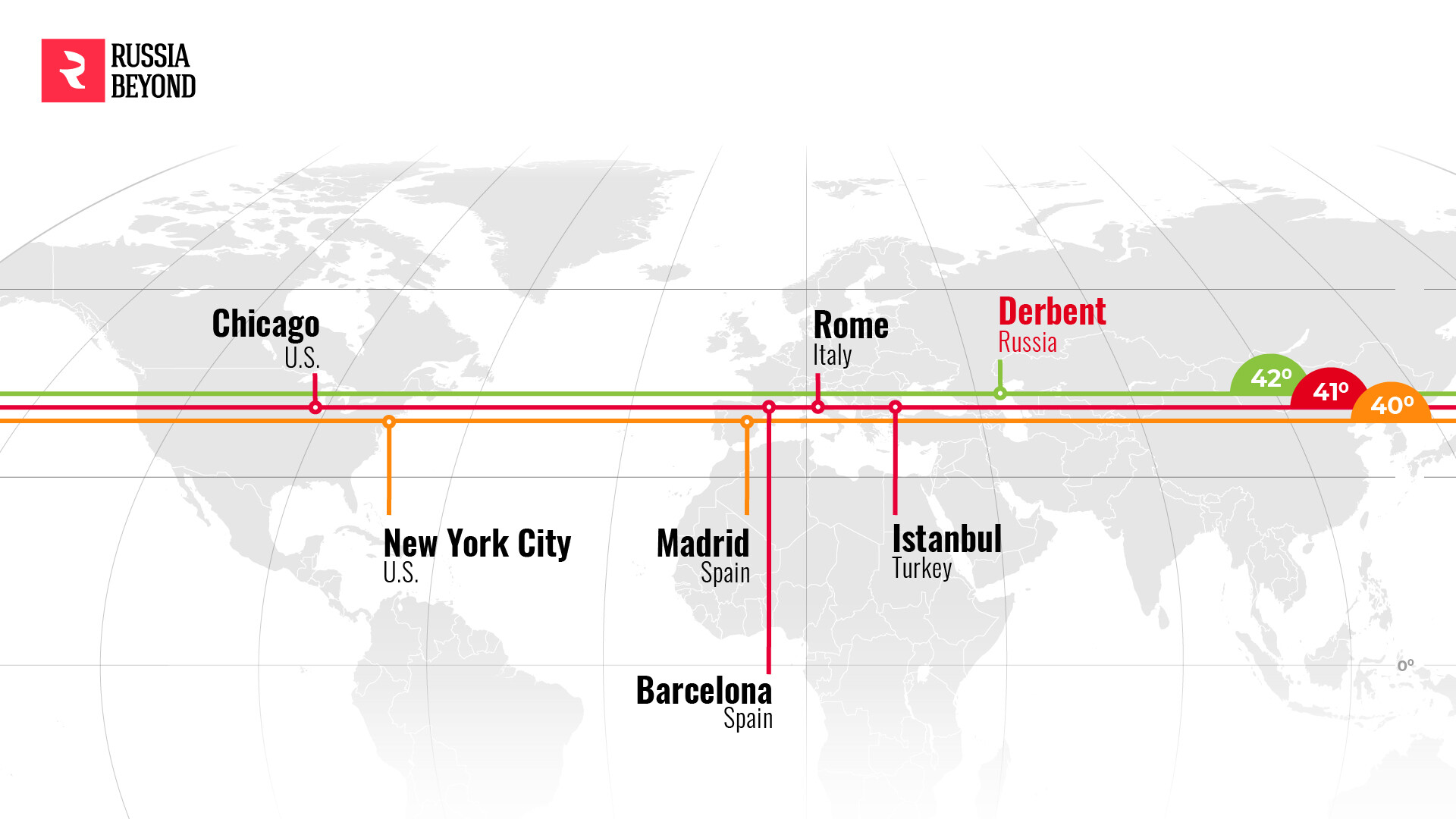
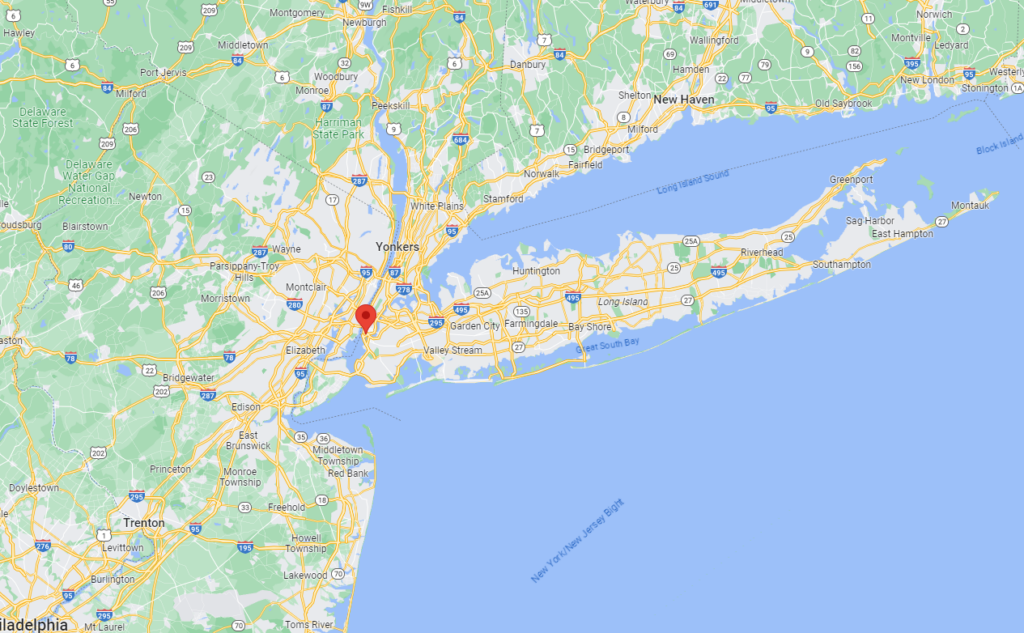
New York City is generally situated between 40 and 41 degrees North latitude. The specific coordinates can vary slightly depending on the exact point within the five boroughs. For instance, the southernmost point of the city, often considered to be in Staten Island, lies around 40.47 degrees North. Conversely, the northernmost reaches in the Bronx can extend to just over 40.9 degrees North. This relatively narrow band might seem small, but it encapsulates a significant stretch of the eastern seaboard of the United States.
Longitudinal Significance: A Continental Perspective
While the question focuses on latitude, it’s worth briefly acknowledging longitude to provide a complete geographic context. New York City lies approximately between 73 and 74 degrees West longitude. This places it on the eastern side of the North American continent, influencing its time zone (Eastern Standard Time/Eastern Daylight Time) and its historical role as a primary gateway for transatlantic travel and trade. However, the direct impact on climate and seasonal variation is primarily dictated by its latitudinal position.
Climate: Experiencing the Four Seasons in New York City
The latitudinal positioning of New York City is the primary driver of its temperate climate, characterized by four distinct seasons. This climatic pattern offers a diverse range of experiences for visitors throughout the year, from the biting chill of winter to the sweltering heat of summer.
Spring: A Gentle Awakening
As the Earth’s tilt begins to favor the Northern Hemisphere, the latitude of New York City allows for a gradual warming. Spring, typically from March to May, sees temperatures rise from chilly to pleasantly warm. Daylight hours extend significantly, ushering in a period of renewal. Parks like Prospect Park burst into bloom, and outdoor cafes begin to fill. The average temperatures in spring range from the low 40s Fahrenheit (around 5°C) in early March to the low 70s Fahrenheit (around 22°C) by late May.
Summer: Warmth and Vibrancy
The summer months, from June to August, bring the warmest temperatures to New York City. At this latitude, the sun is higher in the sky, leading to longer daylight hours, often peaking around 15 hours of daylight in late June. Average temperatures can reach into the 80s Fahrenheit (around 27-32°C), with occasional heatwaves pushing them into the 90s. This is a peak tourist season, with outdoor events, rooftop bars, and bustling street life dominating the city’s landscape. Humidity can be a significant factor during these months, contributing to the feeling of heat.
Autumn: The Golden Embrace
Following the summer’s intensity, autumn, from September to November, offers a welcome respite. The latitude ensures that as the hemisphere tilts away from the sun, temperatures begin to cool gracefully. Autumn in New York City is renowned for its spectacular foliage, particularly in areas like Central Park and the surrounding Adirondack Mountains. The crisp air and vibrant colors create a picturesque backdrop for exploring the city. Average temperatures drop from the pleasant 70s Fahrenheit (around 22°C) in September to the cooler 40s Fahrenheit (around 5-10°C) by November.
Winter: The Frosty Grip
The winter months, from December to February, are characterized by colder temperatures. At its latitude, New York City experiences shorter daylight hours, with as little as around 9 hours of light in late December. Average temperatures typically hover in the 30s Fahrenheit (around 0-4°C), with frequent frosts and the possibility of snowfall. While some may find the cold challenging, winter transforms New York City into a magical landscape, especially around the holiday season, with iconic decorations and festive cheer.
Daylight Patterns: A Year-Round Spectacle
The variation in daylight hours is a direct consequence of New York City’s latitudinal position. This predictable shift impacts everything from daily routines to the ambiance of the city.
Summer Solstice: Longest Days
Around June 20th or 21st, the Northern Hemisphere is at its maximum tilt toward the sun, resulting in the summer solstice. For New York City, this means the longest period of daylight in the year, offering ample opportunity for exploration and outdoor activities well into the evening. The extended daylight contributes to the energetic and vibrant atmosphere that is so characteristic of the city during summer.
Winter Solstice: Shortest Days
Conversely, the winter solstice, occurring around December 21st or 22nd, marks the shortest day of the year. The Northern Hemisphere is at its maximum tilt away from the sun. Consequently, New York City experiences its shortest daylight hours. This can lead to an earlier onset of darkness, influencing the city’s nightlife and the types of activities that are popular during these months.
Equinoxes: Balanced Light
The spring and autumn equinoxes, around March 20th and September 22nd respectively, are transitional periods where day and night are approximately equal in length across the globe. For New York City, these times represent a balance in daylight, offering pleasant weather and a sense of transition between the extremes of summer and winter.
Implications for Travel and Experience
The latitudinal position of New York City has tangible effects on how one experiences the city, influencing everything from the best times to visit to the types of clothing to pack.
Seasonal Travel Choices
Understanding the latitude helps travelers make informed decisions about when to visit. Spring and autumn are often considered ideal for a visit due to their mild temperatures and fewer crowds compared to the peak summer months. However, each season offers unique charms. Winter provides a festive and potentially snow-dusted experience, while summer buzzes with energy and outdoor events. The specific latitude ensures that regardless of the season, New York City offers a distinct and memorable experience.
Packing and Preparation
Knowing that New York City experiences all four seasons is crucial for packing. Visitors in winter should prepare for cold weather with warm layers, hats, gloves, and sturdy footwear. Those visiting in summer will need lightweight clothing, sunscreen, and perhaps a hat to combat the heat and sun. Spring and autumn require a more versatile wardrobe, with layers being key to adapt to fluctuating temperatures.
Beyond the City: Regional Influences
The latitude of New York City also places it within a broader climatic context for the northeastern United States. It shares similar latitudinal characteristics with other major cities like Philadelphia and parts of Boston, influencing regional weather patterns and agricultural zones. This interconnectedness highlights how a city’s geographic coordinates are not isolated facts but part of a larger environmental tapestry.
In conclusion, while the precise latitude of New York City might seem like a technical detail, it is the fundamental determinant of its climate, seasonal transitions, and the unique rhythm of life within its bustling streets. From the grandeur of its skyscrapers to the smallest details of its natural environment, the position of this global city on the 40th parallel North offers a constant, yet ever-changing, backdrop to its enduring allure.
LifeOutOfTheBox is a participant in the Amazon Services LLC Associates Program, an affiliate advertising program designed to provide a means for sites to earn advertising fees by advertising and linking to Amazon.com. Amazon, the Amazon logo, AmazonSupply, and the AmazonSupply logo are trademarks of Amazon.com, Inc. or its affiliates. As an Amazon Associate we earn affiliate commissions from qualifying purchases.