
Navigating the landscape of mandatory paid holidays in New York can be a complex undertaking, especially for employers operating within the state’s dynamic economy. While the United States generally does not have a federal mandate for paid holidays, several states, including New York, have established their own specific requirements. Understanding these mandates is crucial for businesses to ensure compliance, foster employee morale, and maintain a competitive edge in talent acquisition and retention. This exploration delves into the nuances of mandatory paid holidays in New York, clarifying what employers must provide and what recourse employees have.
Understanding the Legal Framework of Paid Holidays in New York
The concept of mandatory paid holidays in New York is often misunderstood. Unlike some European nations where extensive paid vacation and holiday leave are standard, the legal framework in the United States is more decentralized. In New York, there is no statewide law that requires employers to provide paid holidays. This is a critical distinction that many businesses and employees overlook.
The Absence of a Universal Mandate
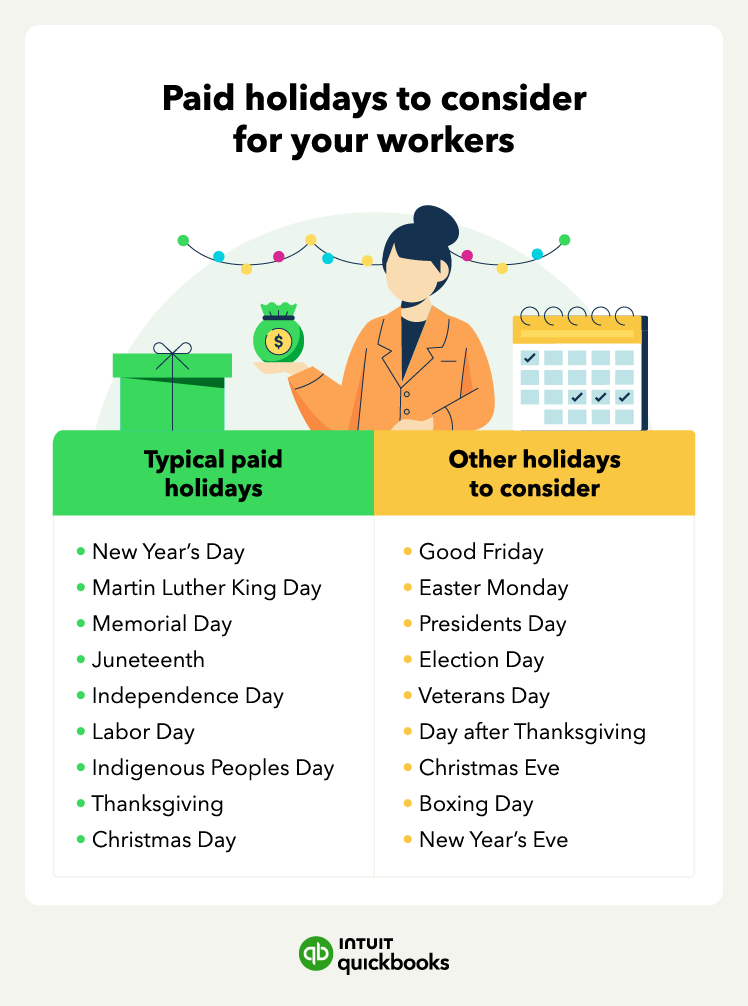
The absence of a statewide mandate means that, by default, employers are not legally obligated to grant time off for holidays like Christmas, Thanksgiving, or Independence Day with pay. This can be a stark contrast to the expectations many might have, especially when considering the vibrant cultural tapestry and celebratory spirit of New York. This legal reality places the onus on individual employment agreements, collective bargaining agreements, and employer policies to dictate holiday pay practices.
The Role of Private Agreements and Policies
While the state may not mandate paid holidays, the employment relationship itself can create these obligations.
Employment Contracts and Offer Letters
A primary way in which paid holidays become mandatory for a specific employee is through their individual employment contract or the terms outlined in their offer letter. If an employer promises a certain number of paid holidays as part of the compensation package, this promise becomes a legally binding agreement. Employees should carefully review these documents upon accepting a position. For instance, a tech startup in Silicon Valley might offer a generous holiday schedule as a perk, and this would be enforceable if documented. Similarly, a hotel like the Plaza Hotel in New York City might include paid holidays as part of its standard employment benefits.
Collective Bargaining Agreements
For employees represented by a union, the terms and conditions of employment, including paid holidays, are typically negotiated and codified in a collective bargaining agreement (CBA). These agreements are legally binding contracts between the union and the employer. If a CBA stipulates paid holidays, the employer is obligated to provide them to the unionized workforce. This is a common practice in industries with strong union presence, such as manufacturing or public services in areas like Buffalo.
Employee Handbooks and Company Policies
Many employers, even without a legal mandate or a CBA, choose to offer paid holidays as a benefit to attract and retain employees. These policies are often detailed in employee handbooks or communicated through official company channels. While these policies are not state-mandated laws, they often create an implied contract. If an employer establishes a policy of providing paid holidays and consistently adheres to it, they may be legally obligated to continue doing so. Deviating from such established practices without proper notice or justification could lead to legal challenges. For example, a law firm in Albany might offer a set number of paid holidays to all its employees, and this policy would be outlined in their employee handbook.
Specific Holidays and Their Treatment in New York
While there’s no overarching mandate for all holidays, certain days hold specific significance and are often treated differently by employers, either by policy or by specific, though limited, legislative action.
Federal Holidays and State Variations
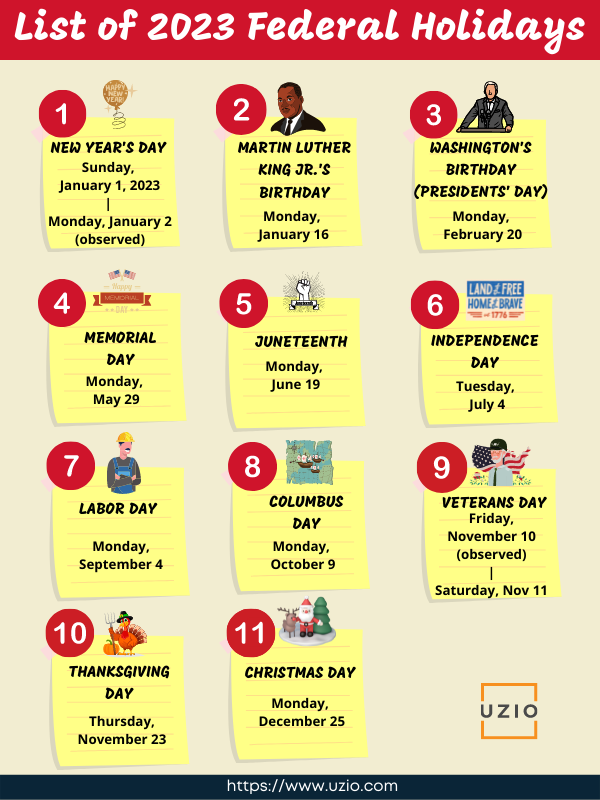
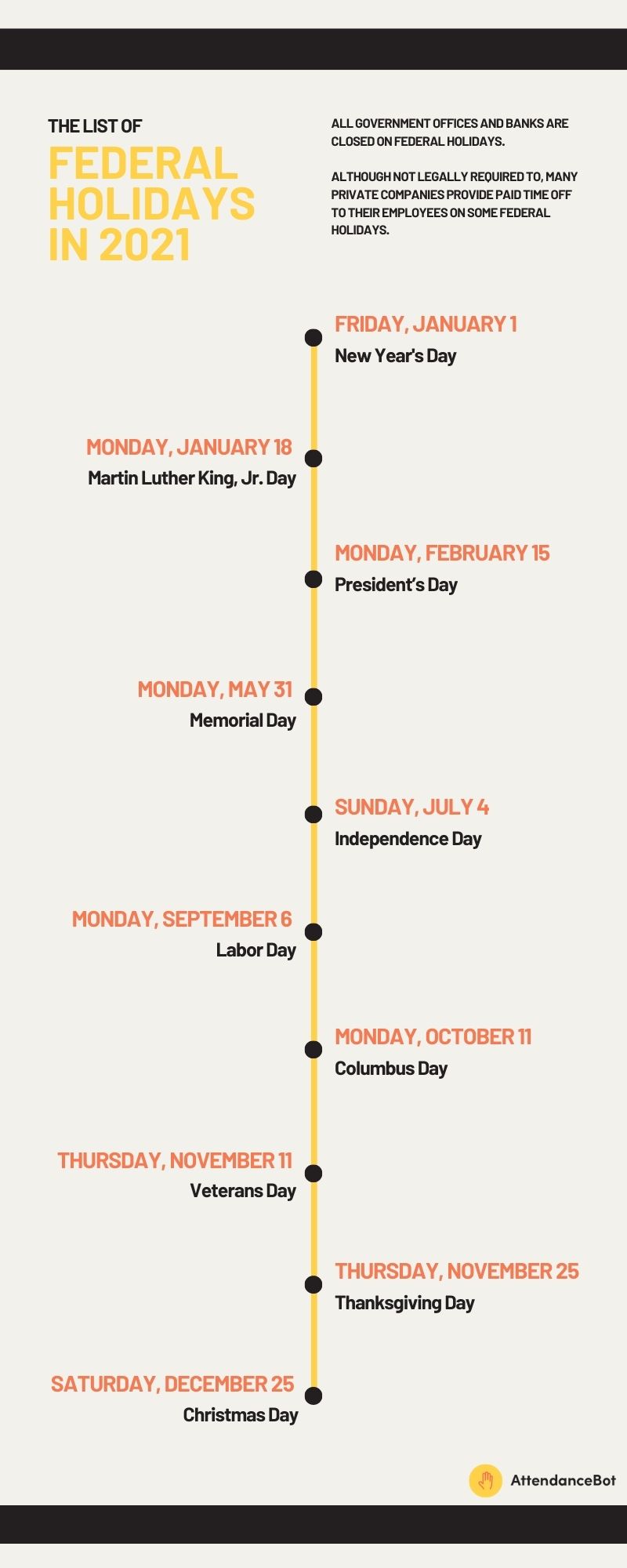
The United States observes several federal holidays, such as New Year’s Day, Martin Luther King, Jr. Day, Presidents’ Day, Memorial Day, Juneteenth, Independence Day, Labor Day, Columbus Day, Veterans Day, and Thanksgiving Day. While federal employees are granted paid time off for these days, private sector employers in New York are not required by state law to do the same. The decision to grant paid time off for these holidays rests entirely with the employer, guided by their internal policies and employment agreements.
Election Day: A Unique Mandate
One notable exception to the general rule in New York is Election Day. As of recent legislative changes, employers are now required to provide employees with a sufficient amount of time off to vote, either on election day or the day before, without loss of pay.
Voting Leave Requirements
The New York State Election Law mandates that employers provide employees with up to three hours of paid time off to vote in any general, special, or primary election. If an employee’s work schedule is less than three hours on Election Day, they are entitled to time off for the entire period they are not scheduled to work. This time off must be granted at the beginning or end of the employee’s shift, whichever affords the employee the earliest opportunity to vote. This legislation aims to ensure that all eligible citizens can exercise their right to vote without facing economic hardship.
Employer Responsibilities and Employee Rights
Employers must clearly communicate their Election Day voting leave policy to their employees. They must also keep records of employees who take time off for voting. Employees, in turn, have the right to this paid time off and should understand how to request it from their employer. Failure to comply with this mandate can result in penalties for the employer. This is a significant step towards civic engagement and is a mandatory paid leave provision that stands out in New York’s employment law.
Employer Best Practices and Employee Expectations
Given the absence of a broad mandate for paid holidays, both employers and employees in New York should be aware of common practices and how to manage expectations.
Crafting Competitive Holiday Policies
For employers, offering paid holidays is a significant factor in creating a positive work environment and attracting top talent. A well-defined and generous holiday policy can distinguish a company from its competitors.
Beyond the Minimum: Attracting and Retaining Talent
Many progressive companies in New York, particularly those in competitive sectors like technology or finance, offer more than just the statutory minimum (which, for holidays, is effectively zero, with the exception of Election Day voting leave). This often includes traditional holidays like Christmas, Thanksgiving, Independence Day, Labor Day, and New Year’s Day, as well as personal floating holidays. These benefits contribute to employee well-being, reduce burnout, and demonstrate an employer’s commitment to work-life balance. For example, a boutique hotel in the Adirondacks might offer paid holidays as part of a package designed to attract hospitality professionals seeking a scenic work environment.
Consistency and Clarity
Regardless of the specific holidays offered, it is crucial for employers to maintain consistency in their application and to communicate their policies clearly. Ambiguity can lead to misunderstandings and grievances. Employee handbooks and onboarding materials should explicitly detail which holidays are paid, the process for requesting time off for holidays not covered by policy (if applicable), and any rules regarding holiday work (e.g., premium pay for working on a designated holiday).
Employee Strategies for Navigating Holiday Leave
Employees in New York should proactively understand their entitlements regarding paid holidays.
Due Diligence During the Hiring Process
Prospective employees should make it a priority to inquire about the employer’s paid holiday policy during the interview process. Asking direct questions about the number of paid holidays offered, which specific holidays are included, and how floating holidays are handled can prevent future disappointment. Reviewing the offer letter and any employment contracts thoroughly is also essential. For instance, someone interviewing for a position at a resort near Niagara Falls should clarify the holiday pay structure.
Understanding Your Rights and Responsibilities
If an employer has a stated policy for paid holidays, employees have a right to expect that policy to be followed. If an employer fails to provide paid holidays as per their policy or contractual agreement, employees may have grounds for legal recourse. Consulting with the New York State Department of Labor or an employment lawyer can provide guidance on individual rights and options.
Conclusion: A Landscape Defined by Policy and Agreement
In New York, the question of “What Paid Holidays Are Mandatory?” has a straightforward, albeit nuanced, answer. State law does not mandate paid holidays for private sector employees, with the singular exception of providing paid time off for voting on Election Day. This legal reality shifts the responsibility for providing paid holidays onto the shoulders of employers, who must then decide whether to offer them as a benefit through employment contracts, collective bargaining agreements, or company policies.
For employers, understanding the legal landscape and the competitive advantages of offering attractive holiday benefits is paramount. A well-crafted holiday policy can significantly enhance employee satisfaction, reduce turnover, and contribute to a positive organizational culture, whether operating a bustling restaurant in Times Square or a quiet bed and breakfast in the Catskills.
For employees, due diligence during the hiring process and a clear understanding of their employment terms are key. Inquiring about holiday benefits and reviewing all documentation thoroughly can prevent misunderstandings and ensure that compensation packages are fully understood. While New York may not have a broad statutory requirement for paid holidays, the interplay of individual agreements, company policies, and the specific mandate for voting leave creates a framework that, when understood, allows both employers and employees to navigate this aspect of employment effectively and equitably.
LifeOutOfTheBox is a participant in the Amazon Services LLC Associates Program, an affiliate advertising program designed to provide a means for sites to earn advertising fees by advertising and linking to Amazon.com. Amazon, the Amazon logo, AmazonSupply, and the AmazonSupply logo are trademarks of Amazon.com, Inc. or its affiliates. As an Amazon Associate we earn affiliate commissions from qualifying purchases.