
The question “What Part Of Cow Is New York Strip?” might seem straightforward, but delving into it reveals a fascinating intersection of culinary knowledge, butchery traditions, and the very essence of gastronomic culture. For enthusiasts of New York City or anyone with an appreciation for fine dining, understanding the origin of a celebrated cut of beef like the New York strip is not just about satisfying curiosity; it’s about appreciating the journey from farm to fork and the artistry involved in transforming a primal cut into a culinary icon. This exploration delves into the specific anatomical location of the New York strip on a cow, its characteristics, and why it has earned its esteemed place in kitchens and on menus worldwide, particularly within the vibrant food scene of the United States.
The Anatomy of a Classic Cut: Locating the New York Strip
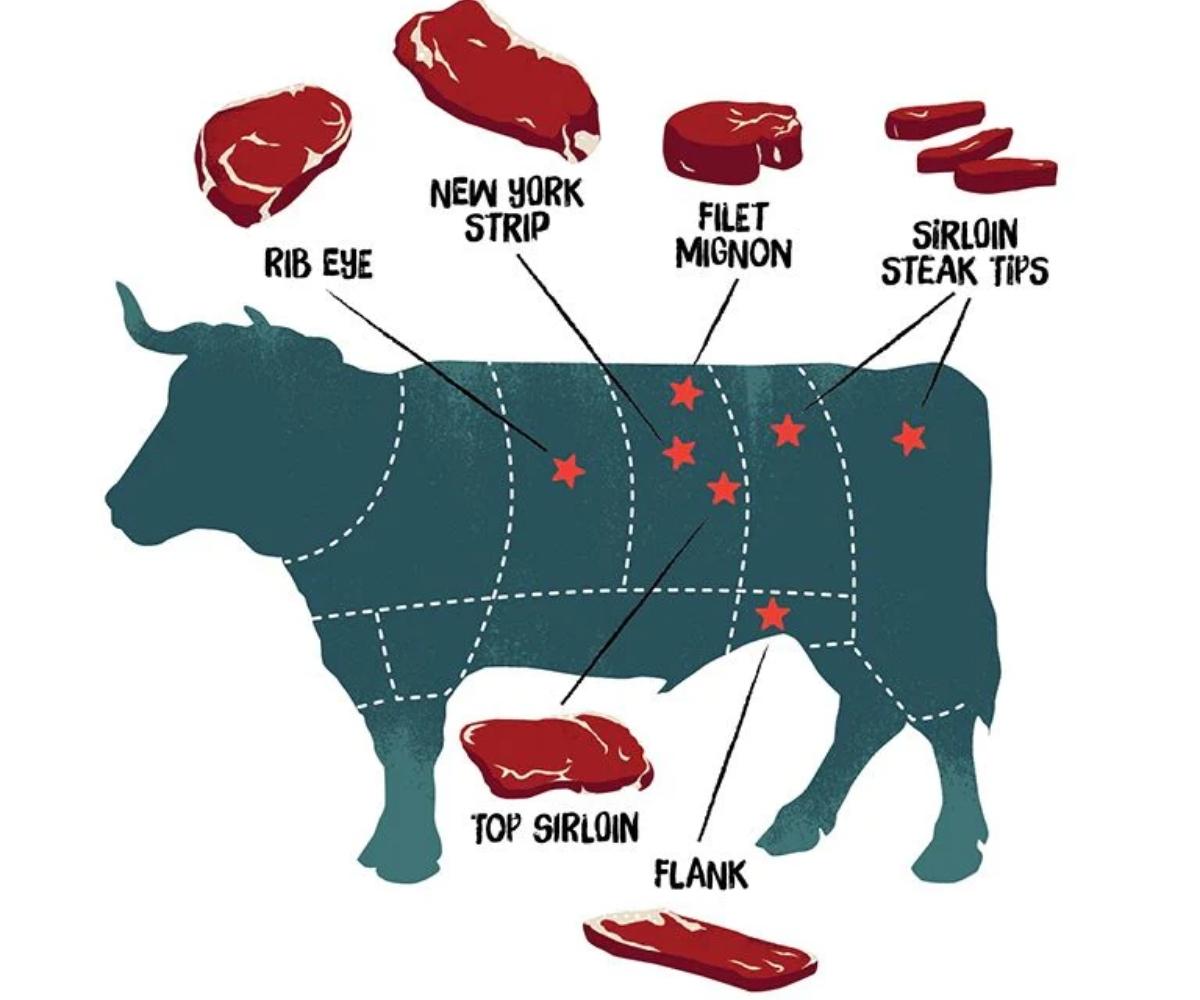
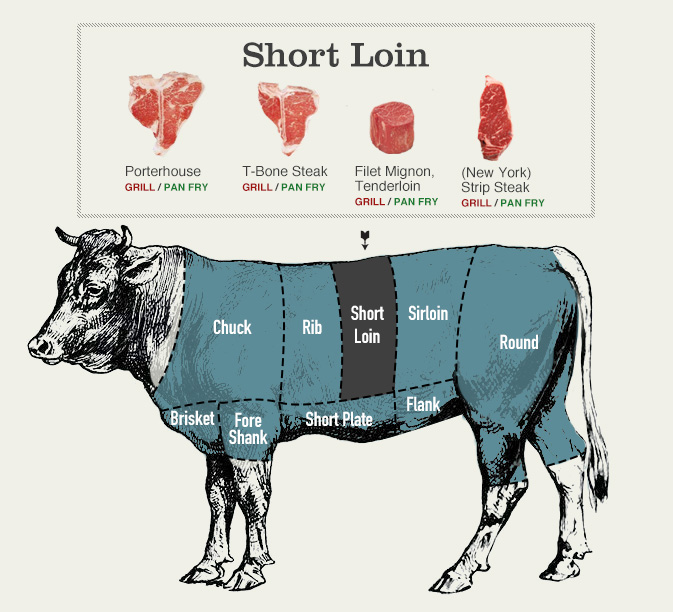
The New York strip steak, also known by several other regional names such as the Kansas City strip, top loin, or sirloin strip, originates from the short loin section of the cow. This prime area of the bovine carcass is highly prized for its tenderness and rich flavor, attributes that are directly linked to the muscle’s relative inactivity.
The Short Loin: A Hub of Premium Beef
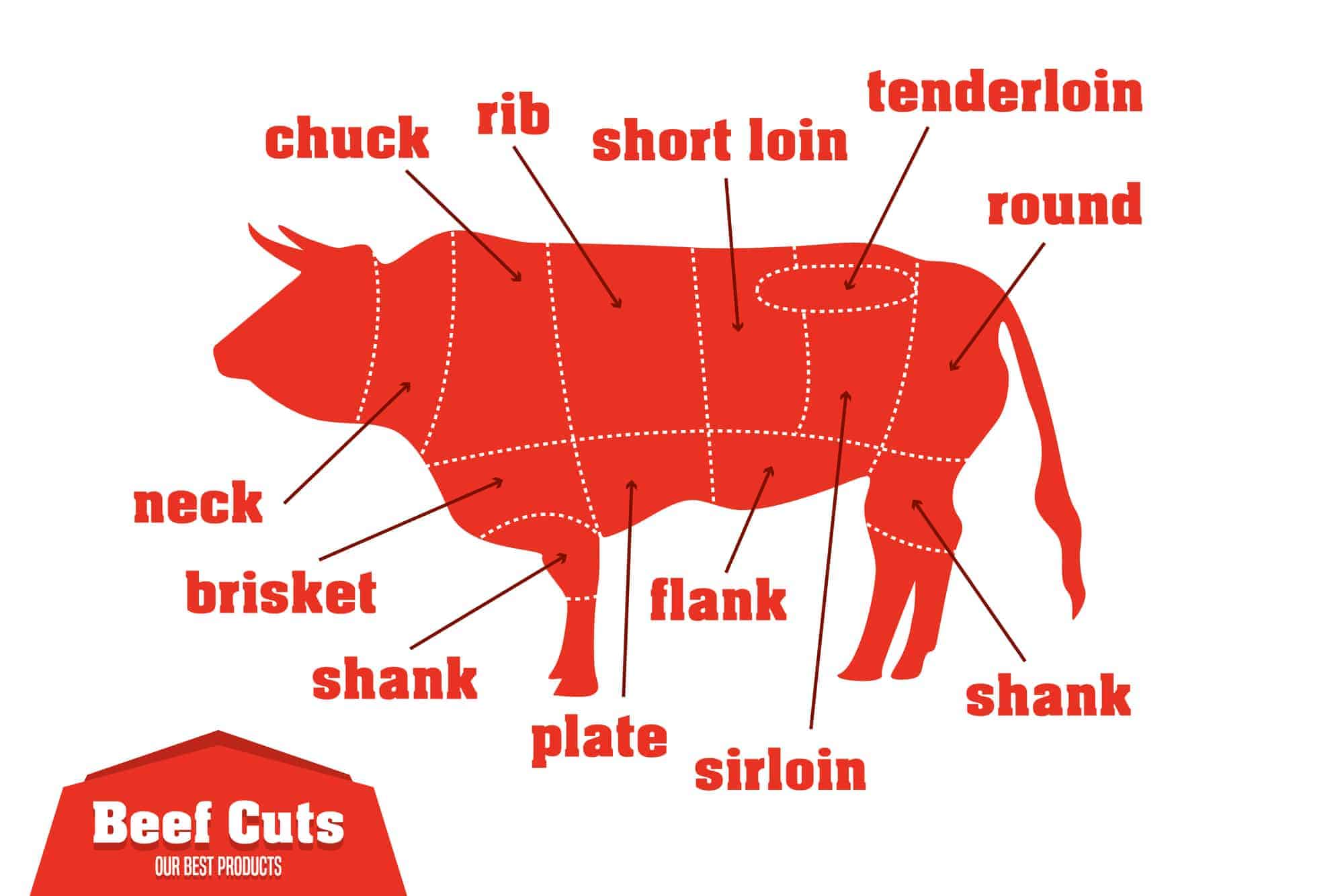
The short loin is a tender primal cut located along the back of the cow, behind the ribs and extending towards the hindquarters. It’s a relatively small section of the animal, which contributes to the higher cost and desirability of the steaks derived from it. This area houses some of the most coveted muscles, including those that yield the New York strip, the tenderloin (from which the filet mignon is cut), and the T-bone and Porterhouse steaks (which contain both the strip and the tenderloin).
The short loin benefits from the cow’s natural anatomy. Because these muscles are not heavily used for locomotion, they are less developed and therefore more tender. This is in stark contrast to muscles in the legs or shoulders, which are more muscular and tougher. The short loin’s position running along the spine offers protection and allows for a more consistent, tender texture in the steaks that are ultimately carved from it.
The Strip Loin Muscle: A Distinctive Character
Specifically, the New York strip steak is cut from the longissimus dorsi muscle, often referred to as the “loin eye” or “strip loin” muscle. This large muscle runs along the spine of the animal. When butchered, the short loin is divided into several sections. The portion that yields the New York strip steak is the anterior (front) part of the short loin, after the rib primal cut and before the sirloin primal cut.
The defining characteristics of the New York strip are its relatively uniform thickness, its inherent tenderness, and its robust beefy flavor. It typically has a modest amount of marbling – the intramuscular fat that melts during cooking, adding flavor and moisture. A distinguishing feature of the New York strip is the strip of fat that often runs along one edge of the steak, which many diners find incredibly flavorful when rendered during cooking. Unlike the tenderloin, the strip loin is more muscular, providing a satisfying chew that beef connoisseurs appreciate.
Butchery Techniques and the Transformation into a Steak
The journey from a whole cow to a perfectly cooked New York strip steak involves precise butchery and a deep understanding of the animal’s musculature. The skill of the butcher is paramount in extracting the highest quality cuts.
From Primal Cut to Steak
After the cow is processed, the carcass is divided into primal cuts. The short loin is one of these major sections. From the short loin, butchers carefully separate the bone and other surrounding tissues to isolate the strip loin muscle. This process requires sharp knives and a keen eye to avoid damaging the meat and to ensure clean cuts.
The strip loin is then typically aged, either dry-aged or wet-aged. Aging is a crucial step that enhances both the flavor and tenderness of the beef. Dry-aging involves hanging the beef in a controlled environment for several weeks, allowing moisture to evaporate and enzymes to break down muscle fibers, concentrating the flavor. Wet-aging involves vacuum-sealing the meat and allowing it to rest in its own juices, which also tenderizes the meat and develops flavor, though often to a lesser extent than dry-aging.
The Art of the Cut
Once aged, the strip loin is cut into individual steaks. The ideal thickness for a New York strip steak is generally considered to be between 1 to 1.5 inches. This thickness is optimal for achieving a beautiful sear on the outside while keeping the interior tender and juicy when cooked to the desired doneness, typically medium-rare. The uniformity of the cut ensures even cooking, which is essential for a superior dining experience. The characteristic fat cap is usually left on one side, as it provides significant flavor and helps protect the meat from drying out during cooking.
Culinary Significance and Popularity
The New York strip steak is a staple in steakhouses across the United States and beyond, renowned for its balance of tenderness, flavor, and satisfying texture. Its consistent quality and versatile nature make it a favorite for both home cooks and professional chefs.
A Steakhouse Classic
In the hallowed halls of classic steakhouses, from establishments in New York City to the sprawling ranches of Texas, the New York strip holds a place of honor. Its robust, beefy taste stands up well to bold seasonings and cooking methods like grilling or pan-searing. The presence of the fat strip contributes a rich, savory element that is highly prized. It offers a more pronounced flavor than the milder filet mignon, making it a preferred choice for those who appreciate a more intense beef experience, yet it is significantly more tender than cuts from the round or chuck.
Versatility in the Kitchen
Beyond the steakhouse, the New York strip is incredibly versatile. It can be grilled to perfection, pan-seared with a cast-iron skillet to create a glorious crust, or even roasted. It pairs beautifully with classic steakhouse accompaniments such as mashed potatoes, creamed spinach, and a glass of full-bodied red wine like a Cabernet Sauvignon. Its ability to absorb marinades also makes it adaptable to a wide range of flavors and cuisines. Whether served simply with salt and pepper or incorporated into more elaborate dishes, the New York strip consistently delivers a satisfying and delicious meal. The appreciation for this cut underscores a broader interest in understanding the provenance and preparation of quality ingredients, a key aspect of the modern culinary landscape.
LifeOutOfTheBox is a participant in the Amazon Services LLC Associates Program, an affiliate advertising program designed to provide a means for sites to earn advertising fees by advertising and linking to Amazon.com. Amazon, the Amazon logo, AmazonSupply, and the AmazonSupply logo are trademarks of Amazon.com, Inc. or its affiliates. As an Amazon Associate we earn affiliate commissions from qualifying purchases.