
Understanding the weather in Buffalo, New York is paramount for any traveler seeking to fully embrace what this vibrant city has to offer. From the frigid, snow-laden winters to the warm, sun-drenched summers, Buffalo’s climate dictates the rhythm of its seasons, influencing everything from outdoor activities and local events to the very essence of its unique culture. This guide delves into the intricacies of Buffalo’s weather patterns, providing an insightful overview to help you plan your visit and make the most of your experience in this resilient and dynamic lakeside city.
Navigating Buffalo’s Four Distinct Seasons
Buffalo, situated on the eastern shores of Lake Erie, experiences a humid continental climate characterized by significant seasonal variations. Its proximity to the Great Lakes not only shapes its landscape but also profoundly impacts its weather, often leading to lake-effect precipitation and dramatic temperature shifts. Understanding these distinct seasons is key to packing appropriately and timing your visit for the activities you most wish to enjoy.
Winter Wonderland: The Embrace of Snow and Cold
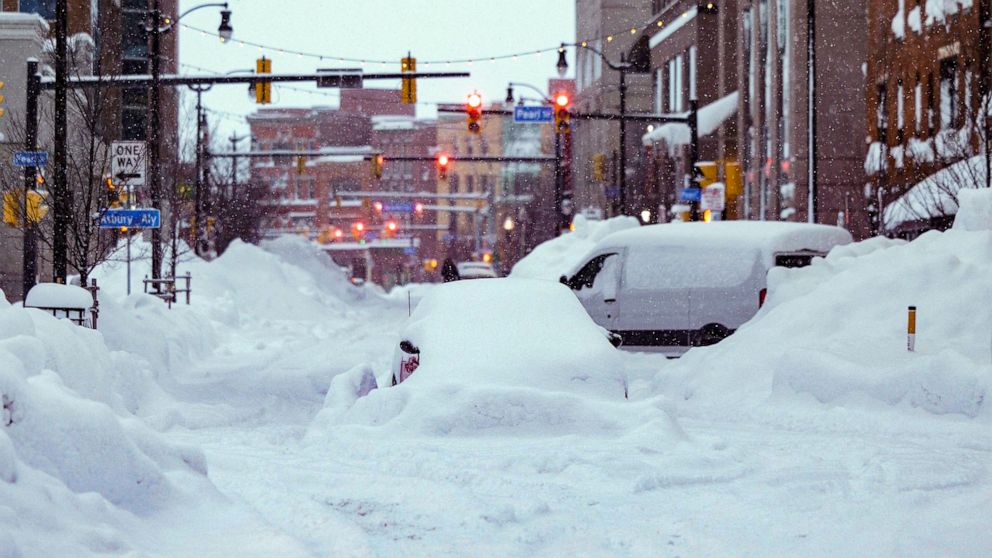
Buffalo winters are notoriously cold, typically commencing in late November and extending through March. Average daily temperatures hover around the freezing mark, with frequent dips well below. The defining characteristic of a Buffalo winter is its abundant snowfall, largely attributed to lake-effect snow. This phenomenon occurs when cold air masses move across the relatively warmer waters of Lake Erie, picking up moisture and then depositing it as heavy snow bands on the downwind shores of Buffalo. Visitors can expect accumulations that transform the cityscape into a picturesque winter wonderland, offering opportunities for winter sports like skiing and snowboarding at nearby resorts, or simply enjoying the cozy ambiance of a snow-covered metropolis. The holiday season in Buffalo is particularly enchanting, with festive decorations and a palpable sense of community spirit, often enhanced by the picturesque snowfall. While the cold can be bracing, residents and visitors alike have learned to embrace it, with warm beverages, hearty local cuisine, and indoor cultural attractions providing ample refuge and enjoyment. For those who appreciate the stark beauty of a snowy landscape and the charm of winter activities, Buffalo in winter can be an unforgettable experience.
Spring’s Gentle Awakening: Transition and Thaw
Spring in Buffalo is a season of transition, typically beginning in April and solidifying by May. The harsh grip of winter gradually loosens, with temperatures slowly rising and snowmelt becoming prevalent. Early spring can still be quite cool, with average temperatures ranging from the 30s to the 50s Fahrenheit. Rainfall becomes more common as the weather patterns shift, leading to greener landscapes and the eventual blooming of flowers. This is a wonderful time to explore the city’s parks and waterfront areas as they come back to life. The Buffalo and Erie County Botanical Gardens offer a vibrant display of flora, providing a welcome burst of color even before the outdoor gardens are in full bloom. As the season progresses into late spring, temperatures become more temperate, making it ideal for outdoor dining and strolling through neighborhoods like the Elmwood Village, known for its unique shops and cafes. While unpredictable weather can still occur, including lingering cool spells, the overall feeling is one of renewal and optimism as Buffalo shakes off the winter chill.
Summer’s Vibrant Embrace: Warmth and Outdoor Pursuits
Summers in Buffalo, from June through August, are typically warm and pleasant, with average high temperatures in the mid-70s Fahrenheit, though heatwaves can push these into the 80s and 90s. Humidity levels are moderate, making outdoor activities enjoyable. This is the peak season for exploring Buffalo’s many attractions. The waterfront along Lake Erie becomes a hub of activity, with opportunities for boating, swimming, and relaxing on beaches like those at Wilkeson Pointe. Numerous festivals and outdoor concerts animate the city throughout the summer months, celebrating its rich cultural heritage and diverse community. Visitors can enjoy baseball games at the Sahlen Field, home of the Buffalo Bisons, or explore the architectural marvels of the city, such as the Frank Lloyd Wright-designed Darwin D. Martin House. Evenings are often long and balmy, perfect for enjoying a meal at one of Buffalo’s acclaimed restaurants or taking a leisurely walk through its historic districts. The summer months offer the most abundant opportunities for outdoor exploration and experiencing the lively spirit of Buffalo.
Autumn’s Fiery Palette: Crisp Air and Scenic Beauty
The transition from summer to winter in Buffalo is marked by a beautiful autumn, usually from September to October. Temperatures begin to cool, with average highs settling into the 60s Fahrenheit in September and dropping into the 50s by late October. The humidity decreases, leading to crisp, clear days that are ideal for sightseeing and enjoying the changing foliage. The surrounding countryside, particularly areas like Niagara Falls State Park, showcases a spectacular display of fall colors, drawing visitors for scenic drives and hikes. In the city itself, parks like Delaware Park offer picturesque settings for enjoying the vibrant hues of red, orange, and yellow leaves. This season is also a great time to delve into Buffalo’s renowned culinary scene, with many restaurants featuring seasonal ingredients. The air is invigorating, making it perfect for exploring the city’s numerous museums and galleries, such as the Albright-Knox Art Gallery (now Buffalo AKG Art Museum). As autumn progresses, the days shorten, and a noticeable chill signals the impending arrival of winter, making it a bittersweet but beautiful period to visit Buffalo.

Understanding Lake-Effect Phenomena
Buffalo’s geographical location on the shores of Lake Erie makes it particularly susceptible to lake-effect phenomena, which significantly influence its weather patterns, especially during the cooler months. This atmospheric process is a key differentiator of Buffalo’s climate and is crucial for visitors to understand when planning their trip.
The Science Behind Lake-Effect Snow
Lake-effect snow is a localized weather event that occurs when cold, dry air masses move over the relatively warmer waters of the Great Lakes. As the air travels across the lake, it picks up heat and moisture. When this warmer, moist air reaches the colder landmass on the leeward side of the lake, it rises, cools, and condenses, forming clouds and precipitation. Due to the prevailing westerly winds in the region, Buffalo frequently finds itself in the direct path of these snow bands. The intensity and duration of lake-effect snow can vary dramatically, leading to periods of heavy snowfall concentrated in specific areas, sometimes resulting in significant accumulations within a short timeframe. This can impact travel, with road conditions potentially deteriorating rapidly. However, it also contributes to the iconic snowy winters that many associate with Buffalo, providing a unique backdrop for winter activities and creating a picturesque environment. Being aware of lake-effect snow forecasts is advisable for anyone traveling during the winter months.
Other Lake-Influenced Weather Patterns
Beyond snow, the moderating influence of Lake Erie also affects Buffalo’s weather in other ways. During warmer months, lake breezes can provide a welcome cooling effect on hot summer days, making the city’s temperatures often more moderate than inland areas. Conversely, in spring and fall, the lake can retain its warmth longer, delaying the onset of frost and extending the growing season slightly. However, the lake’s temperature also plays a role in creating fog, particularly in the cooler parts of the year, which can reduce visibility and impact travel. Furthermore, the proximity to the lake can contribute to higher humidity levels during certain times of the year, especially when warm, moist air masses move across the water. Understanding these lake-influenced weather patterns provides a more nuanced appreciation of Buffalo’s dynamic climate.
Planning Your Visit: Weather Considerations for Every Season
When planning a trip to Buffalo, New York, aligning your travel dates with the weather patterns of each season can significantly enhance your experience. Each season offers unique opportunities and challenges, and being prepared will ensure you can fully enjoy what this city has to offer.
Packing Essentials: Dressing for Buffalo’s Climate
Packing appropriately is crucial for comfort and enjoyment in Buffalo. For winter visits, layered clothing is key. This includes thermal base layers, insulating mid-layers like fleece or down, and a waterproof and windproof outer shell. Warm hats, gloves, scarves, and waterproof boots are essential for braving the cold and snow. Even during milder seasons, it’s wise to pack layers, as temperatures can fluctuate. Spring and fall often require a medium-weight jacket, sweaters, and comfortable walking shoes, with waterproof options being advisable for unpredictable rain. Summer visitors should pack light, breathable clothing, including shorts, t-shirts, and a swimsuit for lake activities. However, a light jacket or sweater is still recommended for cooler evenings. Always check the extended forecast before your trip to make any last-minute adjustments to your packing list.

Activities Tailored to the Seasons
The best activities in Buffalo are often dictated by the season. Winter is perfect for embracing the snow: skiing, snowboarding, ice skating, or simply enjoying the festive atmosphere of holiday markets and cozying up in local cafes. Spring offers a chance to witness the city’s rejuvenation; explore blooming parks, visit museums like the Buffalo Museum of Science, and enjoy early outdoor dining. Summer is the prime time for outdoor adventures: visiting Canalside for watersports and concerts, exploring waterfront attractions, attending outdoor festivals, and taking day trips to nearby Niagara Falls. Autumn invites scenic drives to admire the fall foliage, long walks through the city’s historic neighborhoods, and indulging in seasonal culinary delights. By considering the weather, you can effectively tailor your itinerary to make the most of Buffalo’s distinct seasonal charm.
LifeOutOfTheBox is a participant in the Amazon Services LLC Associates Program, an affiliate advertising program designed to provide a means for sites to earn advertising fees by advertising and linking to Amazon.com. Amazon, the Amazon logo, AmazonSupply, and the AmazonSupply logo are trademarks of Amazon.com, Inc. or its affiliates. As an Amazon Associate we earn affiliate commissions from qualifying purchases.