
As the globe spins, a constant variable that influences every aspect of our lives, from our daily routines to our grandest travel plans, is the weather. For a city as dynamic and multifaceted as New York City, understanding the meteorological conditions is not just a matter of convenience; it’s a crucial element for planning any visit, be it for business, leisure, or an immersive cultural experience. From the crisp, invigorating air of autumn to the sweltering humidity of summer, New York City offers a distinct climate for each season, each bringing its own unique charm and set of considerations for those exploring its iconic streets.

The weather in New York City is characterized by its four distinct seasons. This temperate climate means that visitors can expect a wide range of conditions throughout the year, from freezing temperatures and snow in winter to warm, sunny days in summer. Spring and autumn, often considered the most pleasant times to visit, offer milder temperatures and a beautiful display of nature’s changing palette. For any visitor, a keen awareness of the current and anticipated weather patterns can significantly enhance their experience, ensuring they are adequately prepared for everything from a leisurely stroll through Central Park to a sophisticated evening at a Broadway show.
Understanding New York City’s Climate Patterns
The meteorological tapestry of New York City is woven from a combination of continental and maritime influences. Located on the Atlantic coast, the city experiences a broad spectrum of weather phenomena, making it a prime example of a humid continental climate. This classification means that the city endures hot, humid summers and cold, often snowy, winters. Spring and autumn serve as transitional periods, bringing a welcome respite from the extremes of summer and winter, respectively, and are often favored by tourists for their moderate temperatures and picturesque scenery.
Seasonal Variations and Their Impact on Travel
Each season in New York City presents a unique set of environmental conditions that directly influence how one can best experience the city. Understanding these variations is key to optimizing your itinerary and ensuring comfort and enjoyment, whether you’re a first-time visitor or a seasoned urban explorer.
Winter Wonders and Chilling Realities
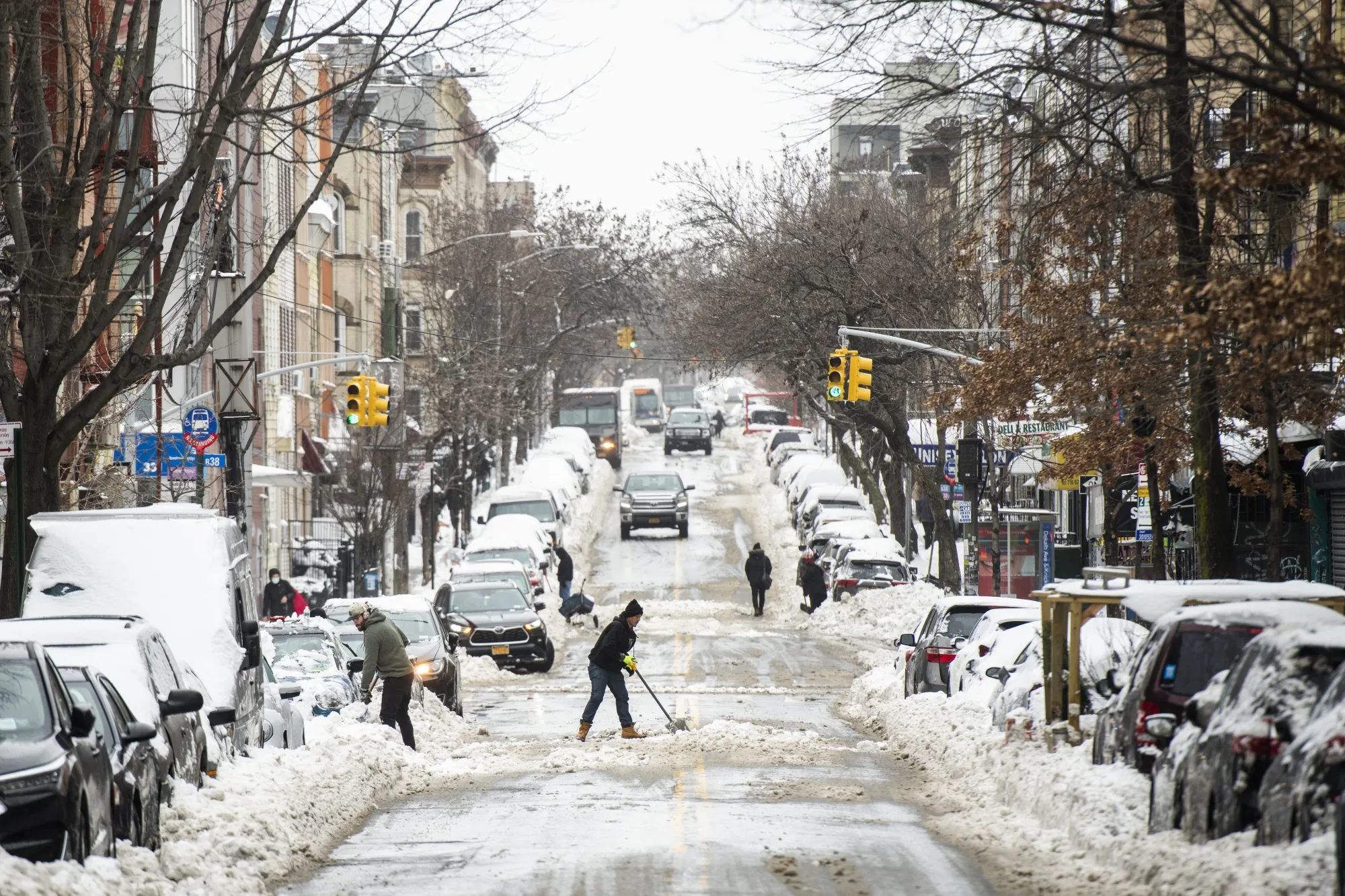
From December to February, New York City transforms into a winter wonderland, often blanketed in snow. Average temperatures hover around the freezing mark, with daytime highs rarely climbing above 40°F (4°C) and nighttime lows dipping well below. While the cold can be biting, there’s a unique magic to the city during this time. The festive decorations that adorn Fifth Avenue and the twinkling lights of Rockefeller Center create an unparalleled holiday spirit. However, preparedness is paramount. Visitors should pack heavy coats, waterproof boots, hats, gloves, and scarves. Indoor attractions, such as the Metropolitan Museum of Art or the numerous Broadway theaters, become particularly appealing refuges from the cold. Ice skating at Wollman Rink in Central Park is a quintessential winter activity, provided the ice is thick enough and the weather permits. Snowfall, while beautiful, can also lead to travel disruptions, with potential delays in public transportation and flight cancellations. It’s always wise to check weather forecasts and transportation updates diligently.
Spring’s Awakening: A Season of Renewal
March through May heralds the arrival of spring in New York City, a period of awakening and burgeoning warmth. Temperatures gradually climb from cool to mild, with average highs ranging from the 50s°F (10-15°C) in early spring to the 70s°F (20-25°C) by late May. The city sheds its winter coat, and parks begin to burst with vibrant colors. Central Park becomes a popular destination for leisurely walks, picnics, and enjoying the blooming cherry blossoms and tulips. The weather is generally pleasant, making it ideal for exploring the city’s diverse neighborhoods, from the historic streets of Greenwich Village to the bustling markets of Chinatown. Layering clothing is recommended, as spring weather can be unpredictable, with occasional cool days and the possibility of spring showers. Outdoor activities like walking tours, ferry rides to the Statue of Liberty, and exploring attractions like the High Line become more enjoyable.
Summer’s Embrace: Heat, Humidity, and Vibrant Energy
June through August marks the peak of summer in New York City, characterized by warm to hot temperatures and high humidity. Average daily highs often reach the 80s°F (27-32°C), with heatwaves pushing temperatures into the 90s°F (32-37°C) and beyond. While the heat can be intense, it fuels the city’s vibrant energy. Outdoor concerts, rooftop bars, and beach trips to Coney Island become popular pastimes. Staying hydrated and seeking air-conditioned spaces is crucial during the hottest parts of the day. Light, breathable clothing is a must. Early mornings and late evenings often offer the most comfortable temperatures for sightseeing and exploring outdoor attractions like the Brooklyn Bridge. Visitors can also take advantage of free outdoor events, such as movie screenings in parks and music festivals. The humidity can sometimes lead to thunderstorms, so having a backup plan for indoor activities is always a good idea.
Autumn’s Splendor: Crisp Air and Fiery Hues
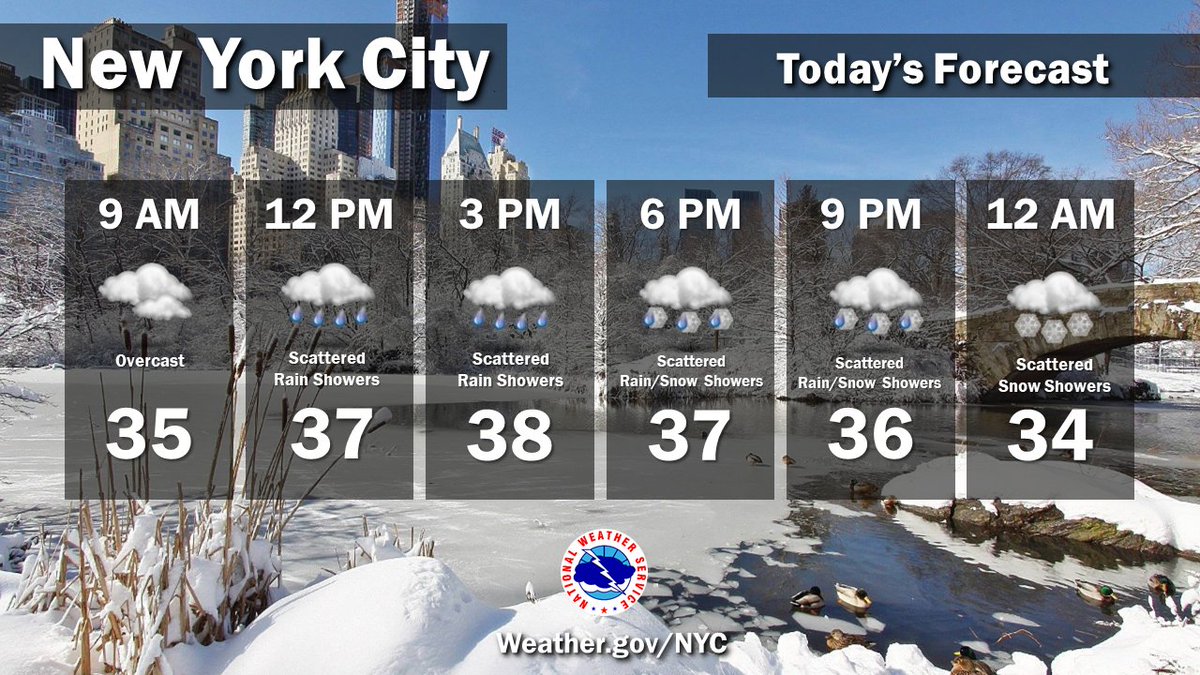
September through November brings autumn to New York City, a season celebrated for its crisp air and stunning fall foliage. Temperatures gradually cool, starting in the comfortable 70s°F (20-25°C) in early September and descending into the 40s°F (4-9°C) by November. The changing leaves in Central Park, Prospect Park, and the surrounding areas create a breathtaking spectacle. This is often considered one of the most picturesque times to visit. Layered clothing is ideal, with the ability to add or remove items as temperatures fluctuate throughout the day. It’s perfect weather for long walks, cycling, and exploring the city’s countless attractions without the extremes of summer heat or winter cold. The Macy’s Thanksgiving Day Parade in November is a major highlight, drawing large crowds and marking the unofficial start of the holiday season.
Essential Preparations for New York City Weather
Navigating the weather in New York City requires a degree of foresight and adaptability. Whether you’re planning a day trip to see the Empire State Building or a week-long immersion into the city’s cultural offerings, understanding the local climate is paramount to ensuring a smooth and enjoyable experience.
Packing Smart: Adapting Your Wardrobe
The cornerstone of preparing for New York City weather lies in strategic packing. The principle of layering is indispensable, allowing you to adjust your attire to fluctuating temperatures and indoor environments. For winter, thermal base layers, a warm, water-resistant outer jacket, a scarf, gloves, and a hat are non-negotiable. Waterproof footwear is essential to combat snow and slush. In spring and autumn, a mix of light sweaters, long-sleeved shirts, and a medium-weight jacket or trench coat provides versatility. For summer, lightweight, breathable fabrics like cotton and linen are recommended, along with a hat and sunglasses for sun protection. Always check the extended forecast closer to your travel dates, as New York City can experience unseasonable weather patterns.
Staying Informed: Real-Time Weather Updates
In a city as vast and bustling as New York City, real-time weather information is an invaluable tool for daily planning. Mobile weather applications, local news channels, and official meteorological websites provide up-to-the-minute details on temperature, precipitation, wind speed, and any potential severe weather advisories. This information is crucial not only for deciding what to wear but also for making informed decisions about outdoor activities, transportation choices, and even dining plans. For instance, a sudden downpour might necessitate a change from an outdoor picnic in Bryant Park to an afternoon exploring the galleries of the Guggenheim Museum.
Activities Tailored to the Elements
The weather in New York City doesn’t just dictate what you wear; it significantly shapes the types of activities that are most enjoyable and feasible during your visit. Embracing the season and its unique meteorological offerings can lead to the most memorable experiences.
Embracing the Outdoors, Whatever the Weather
From the iconic vistas atop the Top of the Rock to the vibrant street art of Bushwick, many of New York City’s most cherished experiences are best enjoyed al fresco. On a mild spring or autumn day, a leisurely stroll across the Brooklyn Bridge offers unparalleled views of the Manhattan skyline. Summer invites exploration of the city’s extensive park system, including Governors Island for cycling and picnicking, or simply finding a shaded bench in Washington Square Park to people-watch. Even in winter, a brisk walk through Central Park, perhaps followed by a warming hot chocolate from a street vendor, can be invigorating. The key is to dress appropriately and be prepared for the conditions.
Finding Solace Indoors During Inclement Weather
When the weather turns inclement – be it a torrential downpour, a blizzard, or extreme heat – New York City boasts an embarrassment of riches when it comes to indoor attractions. The city is a global hub for arts and culture, offering world-class museums like the American Museum of Natural History and the MoMA. Catching a matinee performance on Broadway or exploring the vast selection of shops and eateries in areas like SoHo provides excellent indoor alternatives. For those interested in architecture and history, a visit to the New York Public Library or a guided tour of a historic landmark offers a stimulating way to spend a few hours. Even culinary exploration, from tasting authentic Italian food in Little Italy to discovering diverse flavors in Queens, can be a perfect refuge from the elements.
In conclusion, while the question “What’s the weather today in New York City?” might seem simple, the answer holds significant weight for anyone planning to visit or engage with this magnificent metropolis. By understanding and respecting the city’s distinct climate patterns and preparing accordingly, you can transform any weather forecast into an opportunity for a more authentic and enriching New York City experience.
LifeOutOfTheBox is a participant in the Amazon Services LLC Associates Program, an affiliate advertising program designed to provide a means for sites to earn advertising fees by advertising and linking to Amazon.com. Amazon, the Amazon logo, AmazonSupply, and the AmazonSupply logo are trademarks of Amazon.com, Inc. or its affiliates. As an Amazon Associate we earn affiliate commissions from qualifying purchases.