
The political landscape of New York City is a vibrant and often dramatic affair, and few events capture the city’s attention quite like a mayoral election. These races are more than just contests for public office; they are reflections of the city’s evolving identity, its challenges, and its aspirations. Understanding the timing and intricacies of the New York Mayor Race is crucial for residents and anyone interested in the pulse of this global metropolis. While the specific dates can shift due to various factors, the general electoral calendar provides a predictable framework for when these significant contests unfold.

Understanding the Electoral Cycle
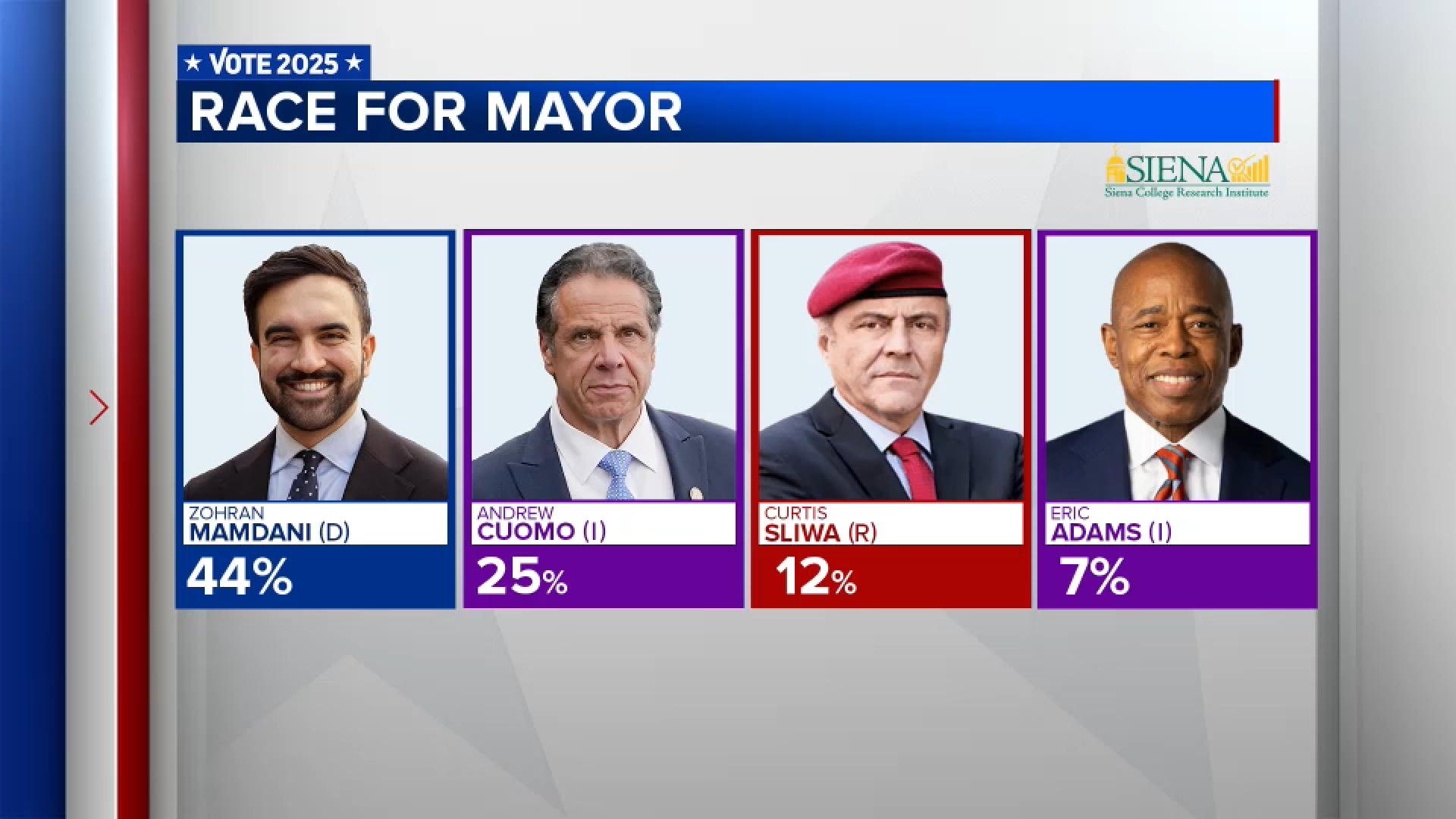
The office of the Mayor of New York City is a four-year term. Elections for mayor are held in odd-numbered years, separate from the federal and state elections that typically occur in even-numbered years. This staggered schedule is common in many American cities and is designed to focus local attention on municipal issues without the overwhelming influence of national political narratives. The most recent mayoral election took place in November 2021, meaning the next race will be in November 2025. This pattern allows for a consistent rhythm to the city’s political leadership changes, providing voters with regular opportunities to weigh in on who will lead their city.
Primary Elections: The First Hurdle
Before the general election in November, political parties, primarily the Democratic and Republican parties, hold primary elections. These contests determine who will be the nominee for each party in the general election. For the Democratic Party, which has historically dominated New York City politics, the primary is often the most significant battle. Candidates vie for the support of registered party members, engaging in debates, town halls, and extensive campaigning across the five boroughs. The primary elections typically occur in the late summer or early fall of the election year. For instance, in the 2021 race, the Democratic primary was held in June, narrowing down a crowded field to the eventual winner. The outcomes of these primaries are closely watched, as they often signal the direction the city might take under new leadership.
General Election: The Ultimate Decision
The general election is where the nominees from each party, along with any independent candidates, face off. This is the moment when all registered voters in New York City have the opportunity to cast their ballot for the next mayor. The general election is held on the first Tuesday after the first Monday in November. In 2025, this would typically fall around November 4th. The campaign season leading up to the general election is intense, with candidates presenting their platforms, engaging in televised debates, and making their case to a diverse electorate. Issues such as public safety, affordable housing, education, and economic development often dominate the discourse. The winner of the general election is then inaugurated in the following January, officially taking the helm of the city government.
Key Factors Influencing Election Timing and Dynamics
While the electoral calendar provides a clear roadmap, several factors can influence the exact timing and the overall dynamics of a New York Mayor Race. These can range from incumbent decisions to unforeseen city-wide crises. Understanding these elements provides a deeper insight into the complexities of New York City’s political scene.

Incumbency and Special Elections
The incumbent mayor’s decision to run for re-election is a significant factor. If a mayor chooses not to seek another term, it often opens up the field, leading to more candidates and potentially more competitive primaries. In rare circumstances, a mayoral vacancy can occur mid-term due to resignation, impeachment, or death. In such situations, the Public Advocate of New York City typically assumes the role of interim mayor. A special election might then be called to fill the remainder of the unexpired term. These special elections can disrupt the usual electoral cycle and are often less publicized than the regularly scheduled races, but they are nonetheless vital for ensuring continuity in city leadership. The timing of a special election is usually determined by state law and can occur in either an even or odd year, depending on when the vacancy arises.
The Role of the Public Advocate and City Council
The Public Advocate and the New York City Council play crucial roles in the city’s governance and are often closely linked to mayoral races. The Public Advocate serves as an ombudsman for the citizens and is next in line to succeed the mayor. Many aspiring mayoral candidates have previously served as Public Advocate or as a member of the City Council, using these positions as platforms to gain recognition and build political capital. The City Council, comprised of 51 members representing various districts across the city, also holds significant sway. Council members are directly elected and represent the interests of their constituents. Their actions and policy stances can influence public opinion and shape the issues that become central to mayoral campaigns. As elections approach, council members may begin to position themselves for future mayoral bids, or they may focus on supporting their preferred candidates in the primaries and general elections.
Beyond the Ballot Box: The Broader Impact of Mayoral Elections
A New York Mayor Race is far more than just a selection process for a political leader; it is a pivotal moment that shapes the city’s trajectory for years to come. The decisions made by the mayor and their administration have a tangible impact on the lives of millions, from the quality of public transportation on the subway system to the availability of affordable housing in neighborhoods like Queens. The campaigns themselves become forums for debating the city’s future, highlighting its strengths and confronting its challenges.
Shaping the City’s Future: Policy and Vision
The candidates in a mayoral race present distinct visions for New York City. They outline policy proposals designed to address pressing issues such as climate change, economic inequality, and the future of work in a post-pandemic world. For example, candidates might propose innovative solutions for expanding green spaces like Central Park or investing in new cultural institutions. The election outcome determines which vision will be implemented, influencing everything from the city’s budget allocations to its approach to public services. Voters are not just choosing a person; they are choosing a direction. The debates and policy discussions during the campaign provide an invaluable opportunity for residents to understand the potential impacts of different leadership styles and priorities.
Civic Engagement and Community Voices
Mayoral elections serve as a powerful catalyst for civic engagement. They encourage residents to register to vote, to learn about the candidates, and to participate in the democratic process. Community organizations, advocacy groups, and local businesses all play a role in shaping the discourse, often hosting candidate forums and voter registration drives. For instance, discussions about the future of tourism and its economic impact on areas like Times Square often become central to campaign platforms. The campaigns themselves can galvanize neighborhoods, fostering a sense of shared purpose and collective responsibility for the city’s well-being. The final outcome of the election reflects the collective will of the people of New York, steering the city through its next chapter.
LifeOutOfTheBox is a participant in the Amazon Services LLC Associates Program, an affiliate advertising program designed to provide a means for sites to earn advertising fees by advertising and linking to Amazon.com. Amazon, the Amazon logo, AmazonSupply, and the AmazonSupply logo are trademarks of Amazon.com, Inc. or its affiliates. As an Amazon Associate we earn affiliate commissions from qualifying purchases.