
Embarking on a journey across the vast Pacific Ocean, from the sun-kissed shores of Hawaii to the bustling metropolises and serene landscapes of Japan, is an adventure that many travelers dream of. This trans-Pacific route connects two unique island nations, each offering a rich tapestry of culture, natural beauty, and unforgettable experiences. Whether you’re planning a luxurious escape, a family adventure, or a solo exploration, understanding the specifics of this long-haul flight is the first step in orchestrating a seamless travel experience. The primary question on many travelers’ minds is, naturally, “How long is the flight from Hawaii to Japan?” While a direct answer typically hovers around 7 to 9 hours, several factors contribute to the exact duration, and a deeper dive into these nuances can significantly enhance your travel planning.
This article will not only pinpoint average flight times but also explore the myriad elements that can affect your journey, from the choice of airline and aircraft to the prevailing weather patterns. Beyond the flight itself, we’ll delve into comprehensive travel tips, advice on mitigating jet lag, and how to make the most of your time in both the stunning Hawaiian Islands and the captivating Land of the Rising Sun. We’ll cover everything from major airports and airline options to practical booking advice and immersive destination insights, ensuring you’re well-prepared for an epic voyage bridging two distinct yet equally enchanting worlds.

Understanding the Trans-Pacific Journey: Hawaii to Japan
The journey from Hawaii to Japan traverses a significant portion of the Pacific, making it a long-haul flight. Despite the considerable distance, direct flights are common and are the most efficient way to travel between these two popular destinations. The duration of this flight is influenced by a combination of geographical, meteorological, and operational factors.
Direct Flights vs. Connecting Routes
For most travelers, the optimal choice is a direct flight. These non-stop services typically depart from Honolulu, Oahu‘s primary gateway, the Daniel K. Inouye International Airport (HNL), and arrive at one of Japan’s major international hubs, primarily Narita International Airport (NRT) or Haneda Airport (HND) in Tokyo, or Kansai International Airport (KIX) serving Osaka and the Kansai region.
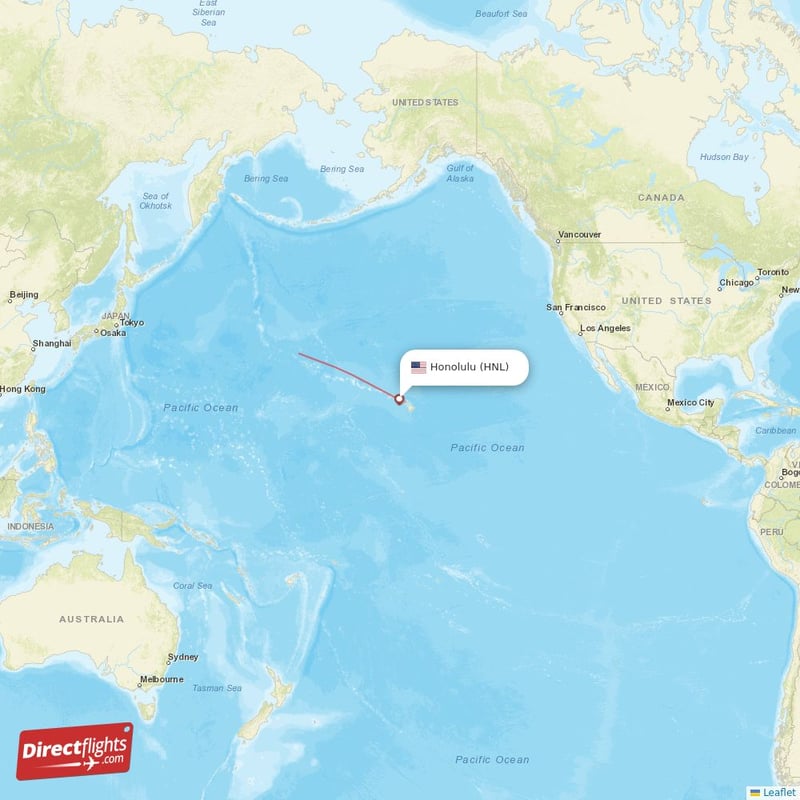
The average flight duration for a direct service from Honolulu to Tokyo typically ranges from 7 hours to 9 hours. Flights heading westward from Hawaii to Japan tend to be slightly shorter than eastbound flights due to the prevailing tailwinds provided by the jet stream. Conversely, flights from Japan back to Hawaii can take anywhere from 8 to 10 hours.
Several major airlines operate this popular route, offering a range of services from economy to first class. Key carriers include Japan Airlines (JAL), All Nippon Airways (ANA), Hawaiian Airlines, United Airlines, and Delta Air Lines. Each airline offers different amenities, schedules, and pricing, allowing travelers to select options that best suit their budget and preferences, whether they are looking for luxury travel or more budget-friendly flights.
While direct flights are the most common, some itineraries might involve connecting routes, particularly if you are flying from an outer island in Hawaii like Maui or Kauai, or if you are aiming for a less common destination in Japan like Hokkaido. A connecting flight would naturally extend your travel time significantly, often adding several hours due to layovers and additional flight segments.
Factors Influencing Flight Duration
Beyond the directness of the route, several elements can subtly or significantly alter the actual flight time:
- Jet Stream Effects: This is perhaps the most impactful natural phenomenon. The jet stream is a fast-flowing, narrow air current found in the atmosphere. When flying with the jet stream (westward from Hawaii to Japan), aircraft gain a boost, effectively reducing flight time. Against the jet stream (eastward), the flight time can increase.
- Aircraft Type: Different aircraft models have varying cruising speeds and operational efficiencies. Modern wide-body jets like the Boeing 787 Dreamliner or Airbus A350 are designed for long-haul routes and can often complete the journey slightly faster than older models while also offering enhanced passenger comfort.
- Weather Conditions: Strong head or tailwinds, turbulence avoidance, or adverse weather conditions at either departure or arrival airports can necessitate adjustments to the flight path or speed, thereby influencing the total travel time.
- Air Traffic Control (ATC): Busy airspaces around major hubs like Tokyo can sometimes lead to slight delays, such as holding patterns before landing, which might add a few minutes to the overall journey.
- Origin and Destination Cities: While most direct flights originate from Honolulu, flights from other Hawaiian islands might first require a short inter-island hop, adding to total travel time. Similarly, flights into Osaka may have slightly different durations compared to those landing in Tokyo, primarily due to marginal differences in geographical distance.
Considering these factors, it’s wise to view the stated flight duration as an estimate and always check the specific flight details provided by your chosen airline for the most accurate information.
Planning Your Trip: Beyond the Flight Time
A long-haul flight from Hawaii to Japan is more than just the hours spent in the air; it’s a significant part of your overall travel experience. Thoughtful planning can transform a potentially arduous journey into a comfortable and even enjoyable prelude to your destination.
Maximizing Comfort During Your Long-Haul Flight
Being prepared for an 8-hour flight can make a substantial difference in your arrival experience and how quickly you adapt to the new time zone.
- Choose Your Seat Wisely: If your budget allows, consider upgrading to premium economy, business class, or first class. These cabins typically offer more legroom, recline, enhanced meal services, and superior in-flight entertainment, significantly improving comfort. Even in economy, selecting a window or aisle seat based on your preference for views or ease of movement can impact your comfort. Some airlines offer “economy plus” or similar options with a bit more legroom for a modest fee.
- Stay Hydrated and Move: The dry cabin air can be dehydrating. Drink plenty of water and avoid excessive alcohol or caffeine. Regular movement is crucial to prevent stiffness and reduce the risk of deep vein thrombosis (DVT). Walk the aisles when permitted, and perform simple stretches in your seat.
- Dress Comfortably: Wear loose, layered clothing. Cabin temperatures can fluctuate, and layers allow you to adjust. Compression socks can also be beneficial for long flights.
- In-Flight Entertainment and Essentials: Most airlines provide a wide array of movies, TV shows, and music. Bring your own noise-canceling headphones for better sound quality and to block out cabin noise. Pack an eye mask, earplugs, a neck pillow, and any personal medications in your carry-on. A portable charger for your devices is also a smart addition.
- Dealing with Jet Lag: The time difference between Hawaii and Japan is substantial (e.g., Honolulu is 19 hours behind Tokyo during standard time, or 20 hours during Hawaii Standard Time vs. Japan Standard Time as Hawaii doesn’t observe DST). To minimize jet lag, try to adjust your sleep schedule gradually before departure. Once onboard, set your watch to the destination time and try to sleep and eat according to that schedule. Upon arrival, expose yourself to natural light and try to stay active during the day to reset your body clock faster.
Exploring Stopover Options (If Applicable)
While direct flights are preferred for speed, some travelers might consider stopovers. However, for the Hawaii to Japan route, stopovers are less common unless there’s a specific reason, such as finding a significantly cheaper fare with a layover in a third country or combining multiple destinations into one grand Pacific tour. Most travelers value the efficiency of direct routes given the relatively manageable 7-9 hour flight time. If you do find a compelling reason for a stopover, ensure you factor in the additional time, accommodation costs, and any visa requirements for the transit country.
Immerse Yourself: Experiencing Hawaii and Japan
The flight is merely the bridge between two extraordinary destinations. Both Hawaii and Japan offer a plethora of experiences, from stunning natural wonders to vibrant cultural encounters.
Before You Depart: The Allure of Hawaii
Before you embark on your onward journey to Japan, take time to savor the unique charm of Hawaii. This archipelago is renowned for its breathtaking beaches, lush volcanic landscapes, and rich Polynesian culture.
- Iconic Attractions: In Oahu, explore the historical significance of Pearl Harbor, relax on the famous sands of Waikiki Beach, or hike to the summit of Diamond Head for panoramic views. On Maui, drive the scenic Road to Hana or watch the sunrise from Haleakala Crater. Kauai, the “Garden Isle,” offers the dramatic cliffs of the Na Pali Coast, while the Big Island boasts the active volcanoes within Volcanoes National Park and stargazing opportunities from Mauna Kea.
- Cultural Immersion: Participate in a traditional luau, learn to surf, or simply enjoy the aloha spirit that permeates daily life. The cuisine is a delightful fusion of local ingredients and diverse ethnic influences.
- Accommodation in Hawaii: From luxury resorts like Aulani, A Disney Resort & Spa, The Ritz-Carlton, Kapalua, and Four Seasons Resort Maui at Wailea to charming boutique hotels and vacation rentals, Hawaii offers options for every budget and lifestyle. Whether you’re seeking a family-friendly resort with extensive amenities or a secluded villa for a romantic getaway, booking your accommodation in advance, especially during peak season, is highly recommended.
Upon Arrival: Discovering Japan’s Wonders
Landing in Japan is an experience of stepping into a world where ancient traditions blend seamlessly with futuristic innovation. Your journey will take you through a land of serene temples, bustling cityscapes, exquisite cuisine, and unparalleled hospitality.
- Major Cities & Landmarks:
- Tokyo: Dive into the neon-lit excitement of Shibuya Crossing, find tranquility in the Shinjuku Gyoen National Garden, marvel at the Tokyo Skytree, or enjoy world-class entertainment at Tokyo Disney Resort. Tokyo also boasts countless Michelin-starred restaurants and luxury shopping districts.
- Kyoto: Immerse yourself in traditional Japan with its thousands of Buddhist temples and Shinto shrines, including the iconic Fushimi Inari-taisha Shrine, the ethereal Arashiyama Bamboo Grove, and the historic Kyoto Imperial Palace.
- Osaka: Known for its vibrant food scene, particularly in the Dotonbori district, Osaka also features historical sites like Osaka Castle and thrilling theme parks like Universal Studios Japan.
- Other Regions: Explore the historical significance of Hiroshima and its Peace Memorial Park, admire the magnificent Himeji Castle, or witness the majestic Mount Fuji.
- Cultural Experiences: Dive into the world of Japanese cuisine, from sushi and ramen to kaiseki. Experience a traditional tea ceremony, stay in a ryokan (traditional inn) with its onsen (hot springs), or attend a sumo wrestling match or a kabuki performance.
- Accommodation in Japan: Japan offers a diverse range of accommodation. In major cities, you’ll find world-class hotels like the Park Hyatt Tokyo or Conrad Tokyo, known for their exceptional service and luxurious amenities. Kyoto boasts unique properties such as Aman Kyoto, blending modern luxury with traditional aesthetics. For a truly authentic experience, a stay in a ryokan is highly recommended. For budget travelers, business hotels and capsule hotels offer clean and efficient options. Booking well in advance is crucial, especially during popular travel seasons like cherry blossom or autumn foliage.
Essential Travel Tips for Your Hawaii-Japan Journey
Beyond understanding flight times and destination highlights, a few practical considerations will ensure your journey from Hawaii to Japan is as smooth and enjoyable as possible.
Booking Your Flight and Accommodation
- Best Time to Book: Generally, booking international flights 3-6 months in advance can yield better prices, although this can vary. Use flight comparison websites and be flexible with your travel dates if possible. Mid-week flights or those during the shoulder seasons (spring/fall, avoiding major holidays) often offer better value.
- Consider Loyalty Programs: If you frequently fly with a particular airline or alliance, accumulating points can lead to upgrades or even free flights.
- Accommodation Planning: Research different types of accommodation (hotels, resorts, ryokans, apartments) in both Hawaii and Japan based on your budget and travel style (e.g., family trips, luxury travel, budget travel). Read reviews, compare prices, and book directly or through trusted platforms to ensure the best rates and secure your stay, especially for popular properties.
Navigating Time Zones and Customs
- Time Difference: The significant time difference (e.g., Honolulu is 19 hours behind Tokyo) means you will effectively lose a day when traveling from Hawaii to Japan as you cross the International Date Line. Be mindful of this when planning your itinerary to avoid scheduling conflicts.
- Customs and Immigration: Ensure your passport is valid for at least six months beyond your intended stay in Japan. Japan has specific entry requirements, though many nationalities are granted visa-free entry for short tourist stays. Always check the latest visa policies. Be prepared to fill out customs declarations upon arrival.
- Currency and Communication: The currency in Japan is the Japanese Yen (JPY). While credit cards are widely accepted in larger cities, it’s advisable to carry some cash, especially for smaller establishments or rural areas. Consider purchasing a local SIM card or renting a portable Wi-Fi device for easy navigation and communication. While many Japanese have a basic understanding of English, learning a few basic Japanese phrases can greatly enhance your interactions and demonstrate respect for the local culture.
- Transportation in Japan: Japan boasts an incredibly efficient public transportation system, particularly its railway network. The Shinkansen (bullet train) connects major cities swiftly. For extensive travel, consider purchasing a JR Pass before your arrival.
The flight from Hawaii to Japan is a journey of approximately 7 to 9 hours, bridging two remarkable destinations. By understanding the factors that influence flight duration, planning for comfort, and preparing for the cultural transition, you can ensure your trans-Pacific adventure is not just smooth and enjoyable, but also the beginning of an unforgettable exploration of both the tranquil beauty of Hawaii and the vibrant allure of Japan. Safe travels!
LifeOutOfTheBox is a participant in the Amazon Services LLC Associates Program, an affiliate advertising program designed to provide a means for sites to earn advertising fees by advertising and linking to Amazon.com. Amazon, the Amazon logo, AmazonSupply, and the AmazonSupply logo are trademarks of Amazon.com, Inc. or its affiliates. As an Amazon Associate we earn affiliate commissions from qualifying purchases.