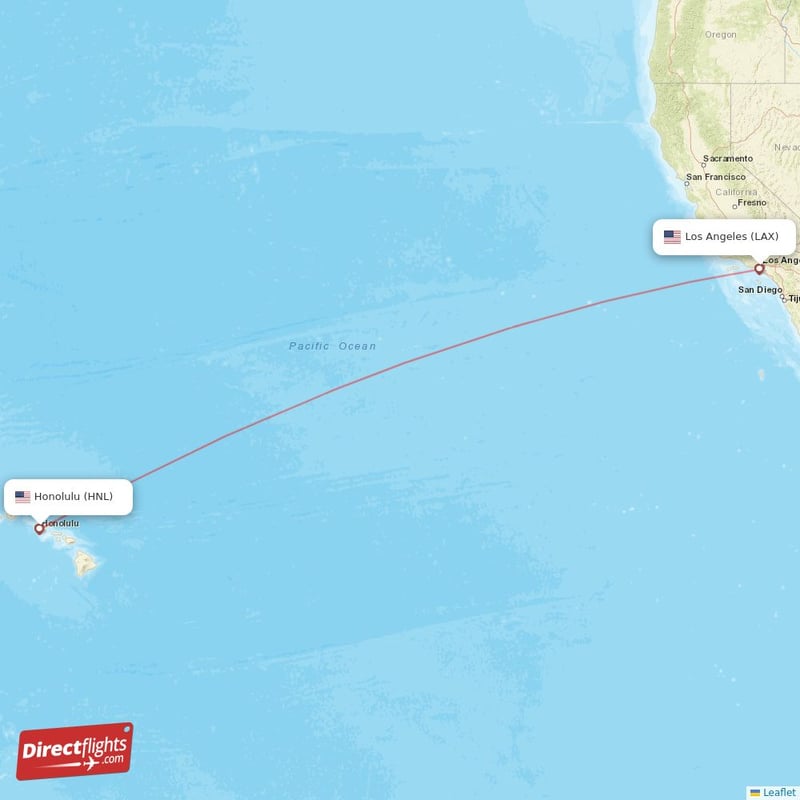
The allure of Hawaii is undeniable. For many travelers from the West Coast of the United States, a journey to this Pacific paradise begins in Los Angeles, a bustling hub that serves as a gateway to countless adventures. The dream of sun-drenched beaches, lush landscapes, and the distinctive “Aloha Spirit” often starts with a single question: “How long is the flight?” While seemingly straightforward, the answer can vary depending on several factors, including your specific Hawaiian island destination, the type of aircraft, and even the prevailing winds. However, the good news is that this trans-Pacific hop is a manageable journey, typically ranging from a little over five hours to just under six hours for a direct flight.
This article will delve into the specifics of flying from Los Angeles to Hawaii, providing insights into average flight times, the airports you’ll navigate, major airlines operating the route, and essential tips for making your journey as comfortable and enjoyable as possible. We’ll also touch upon what awaits you in the Aloha State, from diverse island experiences to luxurious accommodations and unforgettable activities, ensuring you’re fully prepared for your tropical escape.
Understanding Flight Durations from Los Angeles to Hawaii
Embarking on a journey across the vast expanse of the Pacific Ocean might sound daunting, but modern air travel has made the trip from Los Angeles to Hawaii remarkably efficient. Knowing the typical flight durations is key to planning your itinerary and managing expectations for your travel day.
The Straight Answer: Non-Stop Flights
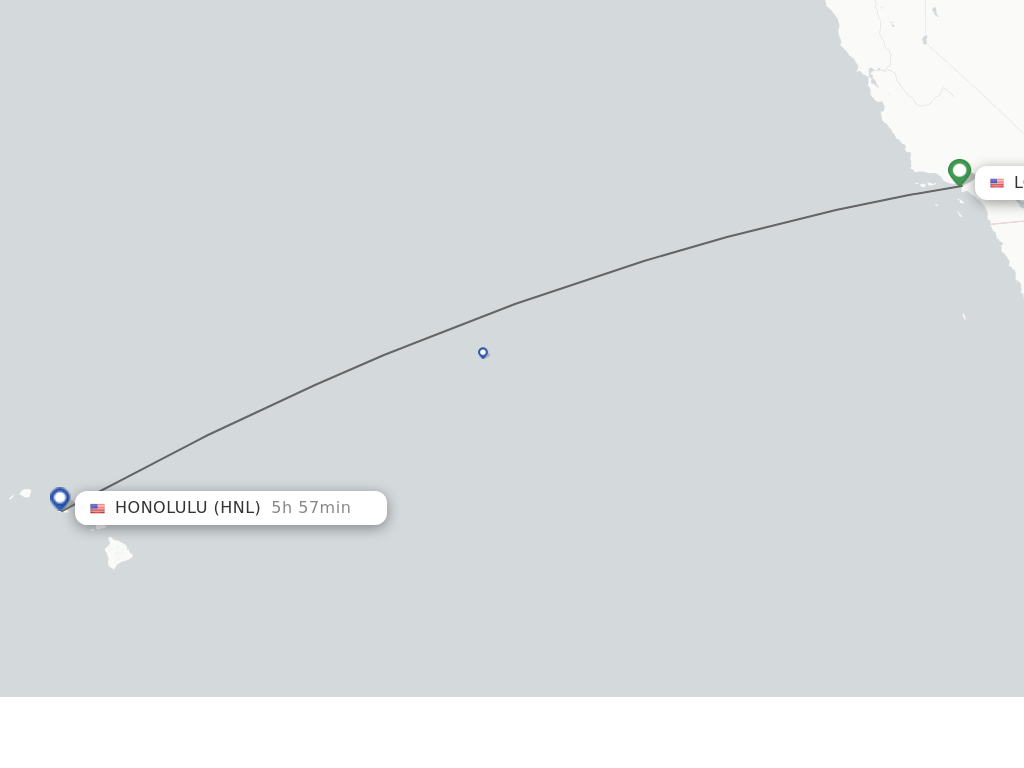
For direct flights departing from Los Angeles International Airport (LAX), the flight duration to Hawaii generally falls within a predictable window. The primary factor influencing the length of your flight will be the specific Hawaiian island you’re flying to, as each has its own geographical position within the archipelago.
- To Oahu (Daniel K. Inouye International Airport (HNL) in Honolulu): This is often the shortest route, with non-stop flights typically taking around 5 hours and 30 minutes to 5 hours and 45 minutes. Oahu is the most populous island and a major entry point for visitors.
- To Maui (Kahului Airport (OGG)): Flights to the “Valley Isle” usually take slightly longer than to Oahu, averaging around 5 hours and 45 minutes to 6 hours.
- To Kauai (Lihue Airport (LIH)): The Garden Isle is located further northwest, resulting in a flight time similar to Maui, generally 5 hours and 45 minutes to 6 hours.
- To Big Island (Ellison Onizuka Kona International Airport at Keahole (KOA) or Hilo International Airport (ITO)): The largest island often entails the longest flight times from Los Angeles, typically ranging from 6 hours to 6 hours and 15 minutes. This is due to its southeastern position in the Hawaiian chain.
It’s important to note that these times represent non-stop services. Should you opt for a connecting flight, perhaps stopping at another West Coast city or even another Hawaiian island, your total travel time will, of course, be significantly longer. For the most efficient journey, always prioritize direct flights.
Factors Influencing Flight Time
While the averages provide a solid baseline, several elements can subtly shift the actual duration of your flight. Understanding these can help demystify minor variations in your travel itinerary.
- Aircraft Type: Modern airplanes, especially newer models like the Boeing 787 Dreamliner or Airbus A330 and A350, are designed for greater fuel efficiency and often have slightly faster cruising speeds than older aircraft. While the difference might be only a few minutes, it can contribute to the overall efficiency of the flight.
- Weather Conditions and Jet Streams: One of the most significant natural factors is the wind. Flights traveling westward from Los Angeles to Hawaii frequently encounter headwinds, which act as a natural brake, slowing the aircraft down. Conversely, flights returning eastbound often benefit from tailwinds (jet streams), making the return journey quicker, sometimes by as much as 30-45 minutes. These atmospheric conditions are unpredictable and are accounted for by pilots and air traffic controllers.
- Air Traffic Control (ATC) Delays: As with any busy flight corridor, air traffic at both departure (LAX is one of the busiest airports globally) and arrival airports can lead to minor delays, affecting taxiing times on the ground or requiring holding patterns in the air. While usually brief, these can add a few minutes to the overall travel time.
- Specific Flight Path: Pilots might adjust flight paths slightly to avoid turbulence, adverse weather, or to optimize fuel efficiency, which can have a marginal impact on the total duration.
Ultimately, while these factors can cause slight fluctuations, your airline’s stated flight time is generally a very accurate estimate, designed to get you to your tropical destination as swiftly and safely as possible.
Major Airlines and Departure Points
The popularity of Hawaii as a vacation destination ensures a robust network of flights from Los Angeles. Travelers have a wide array of choices when it comes to both departure airports and the airlines that will ferry them across the Pacific Ocean.
Departing from Los Angeles
For nearly all direct flights to Hawaii, your journey will commence at Los Angeles International Airport (LAX). As one of the world’s busiest airports and a major gateway to the Pacific, LAX offers an extensive selection of flights to all major Hawaiian islands. Its numerous terminals are equipped to handle a high volume of passengers, although navigating its sprawling complex requires careful planning, especially during peak travel seasons. Travelers departing from LAX should always allow ample time for check-in, security, and getting to their gate.
While LAX is the dominant hub for Hawaiian travel from Southern California, some travelers might occasionally find options from other regional airports like Ontario International Airport (ONT) or John Wayne Airport (SNA). However, these are less frequent and typically involve connecting flights or serve fewer Hawaiian destinations directly. For the most convenience and choice, LAX remains the primary and most reliable departure point for your Hawaiian adventure.
Airlines Serving the Route
The competitive nature of the Los Angeles to Hawaii route benefits passengers, offering a range of airlines, service levels, and price points. Major carriers consistently provide non-stop flights to Honolulu, Maui, Kauai, and the Big Island.
- Hawaiian Airlines: As Hawaii’s flagship carrier, Hawaiian Airlines offers an authentic pre-arrival “Aloha” experience, often featuring Hawaiian music, food, and hospitality. They fly to all major islands and are known for their comfortable service, including premium cabin options with lie-flat seats.
- United Airlines: A major global carrier, United Airlines operates numerous daily flights from LAX to Hawaii, offering a range of cabin classes from basic economy to Polaris business class for an elevated experience.
- Delta Air Lines: Another industry giant, Delta Air Lines provides robust service to Hawaii, known for its reliability and customer service. Their offerings include Delta One suites, first class, Delta Comfort+, and main cabin options.
- American Airlines: With a significant presence at LAX, American Airlines offers competitive service to the Hawaiian islands, catering to various budgets with their main cabin, economy plus, and first-class options.
- Southwest Airlines: Known for its budget-friendly fares and unique open-seating policy, Southwest Airlines has expanded its routes to Hawaii, providing a popular option for travelers seeking value, often with two free checked bags.
- Alaska Airlines: A strong player on the West Coast, Alaska Airlines also offers direct flights from Los Angeles to several Hawaiian destinations, known for their friendly service and strong loyalty program.
When selecting an airline, consider not only the price but also factors like baggage allowances, in-flight amenities, loyalty program benefits, and preferred service style. Each airline offers a slightly different experience, catering to various travel preferences, whether you prioritize luxury, budget, or specific cabin features.
Preparing for Your Pacific Journey
A flight of 5 to 6 hours, while manageable, still requires a bit of preparation to ensure a comfortable and smooth experience. From managing your time to packing essentials, a few thoughtful steps can significantly enhance your journey across the Pacific Ocean and set a positive tone for your Hawaiian vacation.
Tips for a Comfortable Flight
- Book Smart: While flight times don’t vary drastically, consider the time of day you depart. Red-eye flights might allow you to sleep through a portion of the journey, arriving refreshed. For the best deals, booking several months in advance is often recommended, especially for peak travel seasons. Always select your seat in advance if possible – an aisle seat for easy movement or a window seat for views (though mostly ocean on this route).
- Pack Essentials in Your Carry-On: Beyond identification and valuables, include items that will make your flight more pleasant. A comfortable neck pillow, an eye mask, and earplugs or noise-canceling headphones are invaluable. Bring your own snacks and an empty water bottle to fill after security. A good book, downloaded movies, or podcasts can provide entertainment, though most airlines offer in-flight entertainment systems. Layers of clothing are also crucial, as cabin temperatures can fluctuate.
- Hydrate and Move: The dry air in an airplane cabin can lead to dehydration. Drink plenty of water before and during your flight, and try to limit caffeine and alcohol. To combat stiffness and reduce the risk of deep vein thrombosis (DVT), get up and walk around the cabin every hour or two. Perform simple stretches while seated to keep your circulation flowing.
- Manage Time Zones: One key consideration for your journey is the time difference. Los Angeles operates on Pacific Standard Time (PST) or Pacific Daylight Time (PDT), while Hawaii observes Hawaii Standard Time (HST) year-round. HST is 2 hours behind PST and 3 hours behind PDT. This means if you depart LAX at 10:00 AM PDT and have a 5.5-hour flight, you would land at 3:30 PM PDT, which is 12:30 PM HST. This “gain” in time is a pleasant surprise upon arrival but can lead to jet lag on the return journey. Adjust your watch to HST as soon as you board to mentally prepare.
What to Expect Upon Arrival in Hawaii
Landing in Hawaii is an experience in itself. As a domestic flight within the United States, there are no customs or immigration procedures for US citizens, making disembarkation relatively straightforward.
Upon exiting the aircraft, you’ll immediately feel the difference in atmosphere – the warm, humid air carries the scent of tropical flowers. You’ll often be greeted by the soft strains of Hawaiian music, a gentle introduction to the “Aloha Spirit” that permeates the islands. Depending on your destination island, airports like Daniel K. Inouye International Airport (HNL) on Oahu or Kahului Airport (OGG) on Maui are well-equipped with amenities and ground transportation options.
From rental cars (highly recommended for exploring beyond resort areas) to shuttles, taxis, and ride-sharing services, you’ll find various ways to reach your accommodation. Many resorts offer airport transfers, so it’s worth checking with your hotel in advance. The transition from airplane cabin to the vibrant Hawaiian landscape is quick, allowing you to immerse yourself in your vacation almost immediately.
Beyond the Flight: Experiencing Hawaii
Once your flight from Los Angeles lands and you’ve settled in, the real adventure begins. Hawaii is not just a destination; it’s a collection of unique experiences, diverse landscapes, and a rich cultural tapestry waiting to be explored. Choosing which island to visit, where to stay, and what activities to pursue are all integral parts of crafting your ideal Hawaiian getaway.
Choosing Your Hawaiian Island Adventure
Each of the main Hawaiian islands offers a distinct flavor, catering to different travel styles and preferences.
- Oahu: The Gathering Place
- Vibe: Bustling, vibrant, a mix of urban sophistication and natural beauty.
- Highlights: Iconic Waikiki Beach, historic Pearl Harbor, hiking Diamond Head, the capital city of Honolulu with its diverse culinary scene, and world-famous North Shore surfing spots. Oahu is perfect for those seeking a lively atmosphere, historical insights, and a wide array of dining and entertainment options.
- Maui: The Valley Isle
- Vibe: Romantic, scenic, luxurious, with a blend of pristine beaches and lush mountains.
- Highlights: Driving the breathtaking Road to Hana, witnessing sunrise from atop Haleakala National Park volcano, exploring the charming town of Lahaina, and incredible whale watching during winter months. Maui is ideal for couples, families, and those seeking adventure paired with upscale resort experiences.
- Kauai: The Garden Isle
- Vibe: Lush, adventurous, tranquil, a haven for nature lovers and outdoor enthusiasts.
- Highlights: The dramatic cliffs of the Na Pali Coast (best seen by boat, helicopter, or hike), the “Grand Canyon of the Pacific” at Waimea Canyon, countless waterfalls, and pristine, secluded beaches. Kauai offers a more laid-back pace and abundant opportunities for hiking, kayaking, and experiencing untouched natural beauty.
- Big Island: The Orchid Isle/Volcano Island
- Vibe: Diverse, geological wonders, raw natural power, and contrasting landscapes.
- Highlights: Exploring Hawaii Volcanoes National Park (home to active volcanoes), visiting black sand beaches, snorkeling in crystal-clear waters, touring coffee farms in Kona, and stargazing from Mauna Kea. The Big Island is perfect for travelers fascinated by geology, outdoor exploration, and a quieter, expansive natural environment.
Many travelers choose to “island hop,” taking short inter-island flights to experience the distinct characteristics of multiple islands during a single trip.
Accommodation and Activities
Regardless of your chosen island, Hawaii offers a vast spectrum of accommodation options to suit every budget and lifestyle.
- Hotels & Resorts: From ultra-luxury resorts like the Four Seasons Resort Maui at Wailea or The Ritz-Carlton, Kapalua with world-class amenities and service, to comfortable mid-range hotels and budget-friendly guesthouses. Many resorts cater specifically to families, couples, or business travelers, offering diverse suites, villas, and apartment-style accommodations. Always compare reviews and consider amenities like pools, spas, and dining options when booking.
- Vacation Rentals: For a more local experience or for longer stays, private vacation rentals (villas, condos, apartments) are widely available, providing kitchens and more space, which can be ideal for families or groups.
- Activities & Tourism: Hawaii’s appeal lies in its endless possibilities for adventure and relaxation.
- Water Sports: Surfing lessons, snorkeling or diving in vibrant coral reefs, stand-up paddleboarding, kayaking, and catamaran cruises are ubiquitous.
- Nature & Adventure: Hiking through rainforests to waterfalls, exploring volcanic landscapes, zip-lining, horseback riding, and helicopter tours for unparalleled aerial views.
- Culture & Food: Attending a traditional luau with hula dancing and a kalua pig roast, exploring local markets, sampling fresh poke and other Hawaiian delicacies, and visiting historical sites to learn about the islands’ rich Polynesian heritage.
- Relaxation: Simply lounging on world-renowned beaches, indulging in spa treatments, or enjoying a sunset cocktail by the ocean.
Whether your lifestyle leans towards luxury travel, budget-conscious exploration, family-friendly fun, or a romantic escape, Hawaii has something truly special to offer. The journey from Los Angeles is merely the beginning of an unforgettable experience, an easy transition into a world of breathtaking beauty and profound cultural richness.
The flight from Los Angeles to Hawaii is a straightforward and manageable journey, typically taking between 5.5 and 6.5 hours depending on your final island destination. With major airlines offering numerous daily non-stop flights from LAX, getting to paradise has never been easier. By preparing for your flight, understanding the minor time difference, and knowing what awaits you, you’re set for a seamless transition from the bustling city life of Los Angeles to the tranquil, vibrant embrace of the Aloha State. So pack your bags, prepare for a comfortable flight, and get ready to create lasting memories amidst the captivating beauty of Hawaii. The journey is well worth the destination.