
The question “How many islands are on Hawaii?” might seem straightforward, but its answer unfolds into a fascinating exploration of geology, geography, and culture. At first glance, most people think of the eight main islands, but the true count of the Hawaiian Islands extends far beyond this familiar octet, encompassing a sprawling archipelago of hundreds of islets, atolls, and submerged seamounts across the vast Pacific Ocean. This incredible chain is a testament to millions of years of volcanic activity, creating a diverse landscape that ranges from bustling metropolitan centers to pristine, uninhabited wildlife sanctuaries.
As a premier destination for travel, tourism, and diverse accommodation experiences, understanding the breadth of Hawaii’s islands is crucial for anyone planning an unforgettable trip. From the vibrant energy of Oahu to the serene landscapes of Lanai, each island presents a unique character, a distinct set of attractions, and a different slice of Hawaiian life. This article will delve into the various ways of counting Hawaii’s islands, highlight the main visitor destinations, and offer insights into how their unique features cater to different lifestyle and travel styles.
The Eight Main Islands: A Closer Look
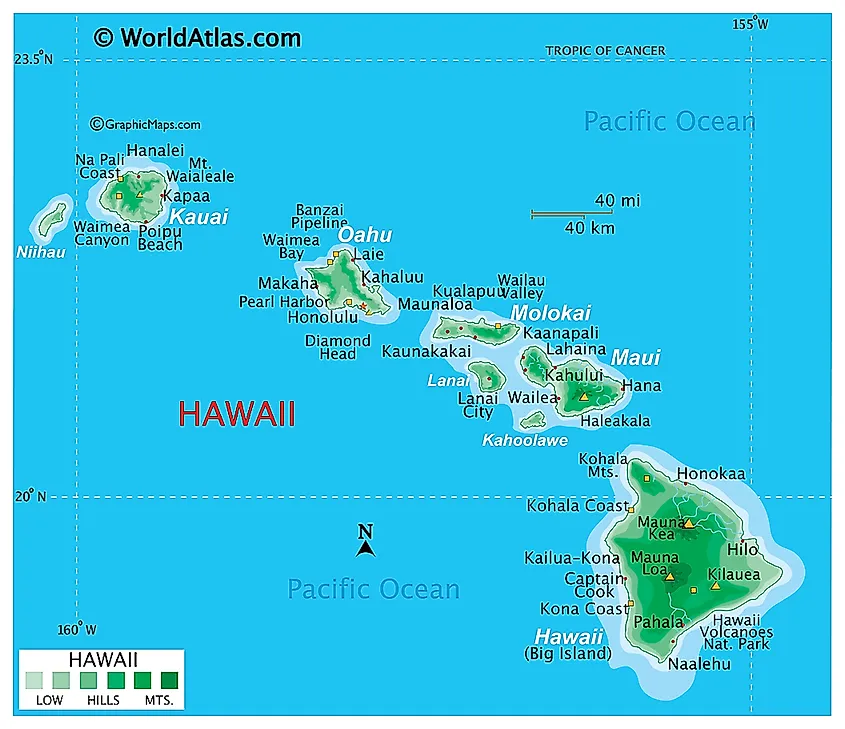
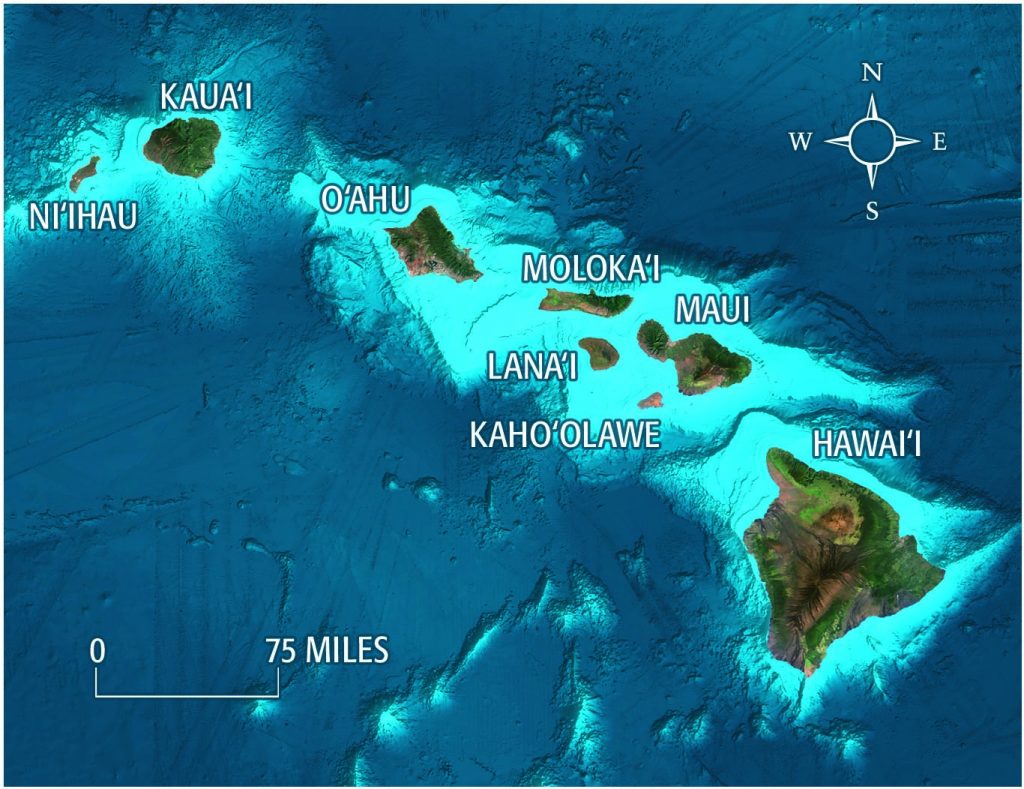
When people speak of the Hawaiian Islands, they are almost always referring to the eight major high islands located at the southeastern end of the archipelago. These are the inhabited, or historically inhabited, islands that form the core of the state of Hawaii in the United States. Each possesses its own nickname, personality, and an array of landmarks and experiences that draw millions of visitors annually.
Oahu: The Gathering Place
Often the first point of entry for international travelers, Oahu is by far the most populated and developed of the Hawaiian Islands, truly earning its moniker “The Gathering Place.” Home to the state capital, Honolulu, and the iconic Waikiki Beach, Oahu offers a dynamic blend of urban sophistication and natural beauty. Here, you’ll find a vast selection of hotels, from luxurious resorts like the Halekulani and Moana Surfrider to charming boutique hotels and apartments suitable for longer stays.
Tourism on Oahu is incredibly diverse. History buffs can explore the solemn grounds of Pearl Harbor and the USS Arizona Memorial, while hikers can tackle the challenging ascent of Diamond Head for panoramic views of Waikiki. The world-famous North Shore beckons surfers with its legendary winter swells, and families can enjoy attractions like the Polynesian Cultural Center or the Dole Plantation. Its vibrant food scene, diverse shopping, and energetic nightlife make Oahu ideal for those seeking a lively vacation experience, whether for luxury travel or a more budget-conscious trip.
Maui: The Valley Isle
Known for its stunning natural beauty and upscale amenities, Maui is often considered a quintessential Hawaiian escape. From the majestic sunrise atop Haleakala National Park‘s dormant volcano to the winding, scenic Road to Hana, Maui offers an abundance of breathtaking experiences.
Maui excels in providing luxurious resort experiences, with world-class properties concentrated in areas like Ka’anapali and Wailea. Here, visitors can find lavish suites and villas offering direct beach access, championship golf courses, and exquisite dining. Beyond the resorts, Maui is a haven for outdoor enthusiasts, offering snorkeling, whale watching (seasonal), and windsurfing. Its blend of adventure and indulgence makes it a popular choice for honeymoons, family trips, and those seeking a more tranquil yet refined Hawaiian vacation.
Hawaii (Big Island): The Orchid Isle
The largest island in the chain, Hawaii, commonly referred to as the Big Island, boasts incredible geological diversity. It is still actively growing thanks to the ongoing volcanic activity at Hawaii Volcanoes National Park, a UNESCO World Heritage Site where visitors can witness Kilauea’s glow and recent lava flows (when active and safe). The Big Island features everything from black sand beaches and lush rainforests to the snow-capped peak of Mauna Kea, a prime location for stargazing.
Accommodation options vary from resorts on the sunny Kona coast to charming bed-and-breakfasts in the cooler, greener Hilo area. The Big Island is perfect for adventurous travelers who want to explore diverse ecosystems, learn about Hawaiian history (including the landing site of Captain Cook), and immerse themselves in natural wonders. Its vastness ensures a sense of uncrowded exploration, making it ideal for those who prefer nature-focused experiences.
Kauai: The Garden Isle
Kauai lives up to its name, “The Garden Isle,” with its verdant rainforests, dramatic cliffs, and cascading waterfalls. This island is a paradise for outdoor enthusiasts and those seeking natural beauty and tranquility. The iconic Na Pali Coast, with its towering emerald cliffs and secluded beaches, is best explored by boat tour, helicopter, or a challenging hike. The “Grand Canyon of the Pacific,” Waimea Canyon, offers stunning vistas and numerous hiking trails.
Kauai offers a range of accommodation from luxury resorts in Princeville and Poipu to more rustic vacation rentals. It’s a fantastic destination for family trips and adventure seekers, offering kayaking, snorkeling, zip-lining, and serene beach relaxation. The slower pace of life and overwhelming natural splendor create an environment for deep relaxation and reconnection with nature.
Molokai and Lanai: The Less-Traveled Paths
These two smaller islands offer a stark contrast to their more bustling neighbors, providing a glimpse into a more authentic or exclusive Hawaiian experience.
- Molokai: The Friendly Isle – Often considered the most “Hawaiian” of the islands, Molokai retains much of its historical and cultural heritage. With no traffic lights and a strong commitment to preserving its natural environment, Molokai is perfect for travelers seeking peace, quiet, and a genuine connection to local culture. Its famous Kalaupapa National Historical Park, once a remote leprosy settlement, now offers a profound historical perspective. Accommodation here is typically small, locally-owned hotels, condos, and vacation rentals, catering to a budget-friendly or authentically rustic lifestyle.
- Lanai: The Pineapple Isle – Once a vast pineapple plantation, Lanai has transformed into an exclusive luxury retreat. Owned mostly by Oracle founder Larry Ellison, it boasts two ultra-luxurious Four Seasons resorts: Four Seasons Resort Lanai on the beach and Sensei Lanai, a Four Seasons Resort, nestled inland. Lanai is a destination for discerning travelers seeking privacy, tranquility, and world-class amenities. Visitors can explore off-road trails to sites like the Garden of the Gods or relax at the pristine Hulopoe Bay marine sanctuary. It epitomizes luxury travel and secluded experiences.
Niihau and Kahoolawe: Islands of Seclusion
These two islands are unique in their status and accessibility.
- Niihau: The Forbidden Isle – Privately owned by the Robinson family since 1864, Niihau is home to about 170 native Hawaiian residents who live a traditional life, speaking the Hawaiian language almost exclusively. Public access is severely restricted to preserve its culture and environment. Visits are usually limited to specific guided tours or invited guests. It represents a living museum of pre-contact Hawaii, a powerful landmark of cultural preservation.
- Kahoolawe: The Target Isle – The smallest of the eight main islands, Kahoolawe is uninhabited and has a tumultuous history, primarily serving as a bombing range for the U.S. military for decades. Efforts are now underway to restore its ecosystem and cultural sites. It is managed by the Kahoolawe Island Reserve Commission and is off-limits to the public, except for native Hawaiian cultural activities and volunteer restoration efforts. Its existence highlights the complex relationship between land, culture, and history in Hawaii.
The Greater Hawaiian Archipelago: A Broader Perspective
While the eight main islands capture most of the attention, the answer to “how many islands” becomes significantly larger when considering the entire Hawaiian archipelago. Geographically, the Hawaiian chain extends for nearly 1,500 miles (2,400 km) from the Big Island in the southeast to the Kure Atoll in the northwest.
The Northwestern Hawaiian Islands: A Protected Realm
Beyond Niihau lie the Northwestern Hawaiian Islands (NWHI), a string of small islands, atolls, and shoals that are almost entirely uninhabited by humans. This vast area is designated as the Papahānaumokuākea Marine National Monument, one of the largest marine protected areas in the world and a UNESCO World Heritage Site.
The NWHI include significant landmasses and vital ecosystems such as:
- Kaula Rock: A small crescent-shaped islet.
- Nihoa and Necker Island: Important archaeological sites and seabird nesting grounds.
- French Frigate Shoals: A large atoll with several small islets, crucial for green sea turtles and Hawaiian monk seals.
- Gardner Pinnacles: Two bare rock remnants of an ancient volcano.
- Maro Reef: A coral reef atoll.
- Laysan: A small sand island.
- Lisianski Island: Another important seabird and monk seal habitat.
- Pearl and Hermes Atoll: A large atoll.
- Midway Atoll: Famous for its historical significance during World War II and now a crucial wildlife refuge.
- Kure Atoll: The northernmost atoll in the Hawaiian chain.
Counting each named feature, along with their numerous smaller islets and exposed rocks, pushes the number of “islands” in Hawaii into the hundreds. These areas are primarily for scientific research and conservation, offering unparalleled experiences for those privileged to visit, focused on nature and ecological study rather than conventional tourism.
Understanding the Hawaiian-Emperor Seamount Chain
To fully grasp the magnitude of Hawaii’s islands, one must look at the geological forces that created them. The entire Hawaiian-Emperor seamount chain is a massive underwater mountain range formed over millions of years as the Pacific Plate slowly moved over a stationary “hot spot” in the Earth’s mantle. Each island, atoll, and seamount in this chain represents a point where magma broke through the ocean floor, building up massive shield volcanoes.
The chain extends for approximately 3,600 miles (5,800 km) from the active volcanoes on the Big Island all the way to the Aleutian Trench off Russia. While many of these are now submerged seamounts, they were once islands, similar to the ones we see today, before erosion and subsidence took their toll. If one considers every peak that ever rose above the sea in this chain an “island,” the count would be in the thousands. This geological perspective truly reveals the scale and continuous evolution of the Hawaiian archipelago, a testament to the planet’s dynamic nature and a fascinating subject for those interested in natural landmarks.
Planning Your Hawaiian Island Adventure
Given the incredible diversity of the Hawaiian Islands, planning your trip requires careful consideration of what kind of experience you’re seeking. Whether it’s a bustling urban escape, a serene luxury retreat, or an adventurous dive into nature, there’s an island (or a combination of islands) perfect for your lifestyle.
Tailoring Your Travel Style to the Islands
- For the Energetic Explorer: Oahu offers endless activities, from surfing lessons on the North Shore to hiking up Diamond Head and exploring Honolulu’s vibrant nightlife. The Big Island also caters to adventure with volcanic explorations and diverse ecosystems.
- For Luxury and Romance: Maui and Lanai are prime choices. Maui provides a blend of high-end resorts and scenic drives, while Lanai offers unparalleled seclusion and exclusive amenities, perfect for honeymoons or a truly indulgent getaway.
- For Nature Lovers and Tranquility Seekers: Kauai with its lush landscapes and dramatic cliffs, and Molokai for its untouched beauty and authentic Hawaiian culture, are ideal. These islands are less about crowds and more about immersive natural experiences.
- For Family Trips: Oahu and Maui are often top choices due to their wide range of activities, kid-friendly resorts, and easily accessible attractions. Kauai also offers a more relaxed, nature-focused family adventure.
- For Business Stays: Oahu, particularly Honolulu, provides the most comprehensive infrastructure for business travel, with convention centers, major hotels, and international airport access.
Accommodation Choices and Responsible Tourism
Regardless of your chosen island, Hawaii offers a spectrum of accommodation options. From opulent resorts with lavish suites and personalized amenities to charming apartments and villas available for long-term stays, the choices are plentiful. Booking platforms and travel guides can help you compare hotels and resorts, read reviews, and find the perfect fit for your needs and budget.
As you enjoy the beauty of Hawaii, it’s vital to practice responsible tourism. Respect the ‘āina (land), the local culture, and the delicate ecosystems. Support local businesses, minimize your environmental footprint, and learn about the unique heritage of the islands. This approach ensures that the magic of the Hawaiian Islands can be preserved for generations to come, allowing future visitors to marvel at their diverse beauty and rich history.
In conclusion, while the simple answer to “How many islands are on Hawaii?” is eight major islands, the full picture encompasses hundreds of geological formations, from vibrant volcanic peaks to submerged atolls. Each tells a part of the incredible story of this remote and remarkable archipelago, inviting travelers to discover their own piece of paradise within its expansive embrace.
LifeOutOfTheBox is a participant in the Amazon Services LLC Associates Program, an affiliate advertising program designed to provide a means for sites to earn advertising fees by advertising and linking to Amazon.com. Amazon, the Amazon logo, AmazonSupply, and the AmazonSupply logo are trademarks of Amazon.com, Inc. or its affiliates. As an Amazon Associate we earn affiliate commissions from qualifying purchases.