
The allure of Hawaii is undeniable, a dream destination synonymous with pristine beaches, lush landscapes, and a vibrant culture. For many travelers, the image of Hawaii conjures visions of a handful of idyllic islands, each offering a slice of paradise. However, the true answer to “How many islands make up Hawaii?” is far more complex and fascinating than most people realize. While the iconic, readily visited islands are few, the Hawaiian archipelago is a vast chain of landforms, stretching for thousands of miles across the Pacific Ocean. Understanding this geological marvel not only satisfies curiosity but also enriches the travel experience, revealing the incredible diversity and ecological significance of this remote island nation.
The Official Count: More Than Meets the Eye
At first glance, one might easily count only the prominent landmasses visible on a map or mentioned in travel brochures. But the State of Hawaii is, in fact, an archipelago composed of 137 islands, islets, and atolls. This extensive chain forms the northeastern tip of the Polynesian Triangle, originating from a volcanic hotspot deep beneath the Pacific Plate. As the plate slowly moves northwest, new volcanoes erupt, forming new islands, while older ones gradually erode and sink back into the ocean. This continuous geological process has created a long trail of landforms, ranging from nascent seamounts to ancient, eroded atolls.
The vast majority of these 137 landforms are small, uninhabited, and often barely more than rocky outcrops or coral formations. Most are part of the Northwestern Hawaiian Islands, an incredible ecological treasure protected as the Papahānaumokuākea Marine National Monument. This vast marine sanctuary is a haven for endangered species, endemic wildlife, and vibrant coral reefs, largely off-limits to the public to preserve its delicate ecosystems. While crucial for conservation, these remote islets and atolls are not typically part of a conventional Hawaii travel itinerary. When planning a trip to Hawaii, travelers generally focus on the eight main islands, which are larger, inhabited, and offer a wealth of tourist attractions, accommodation options, and cultural experiences.
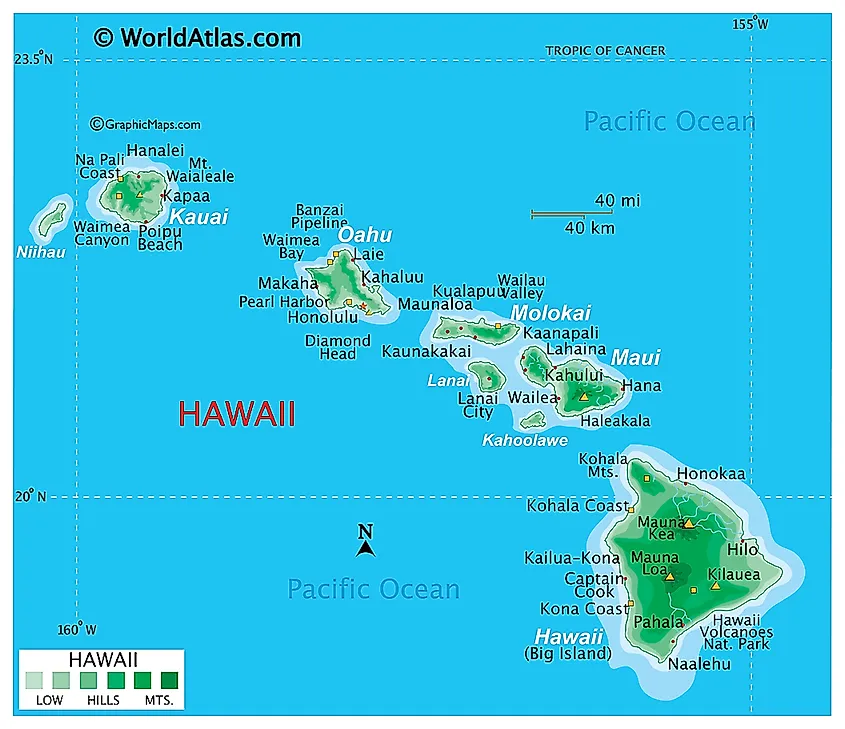
The Eight Main Hawaiian Islands: A Closer Look at Tourist Gems
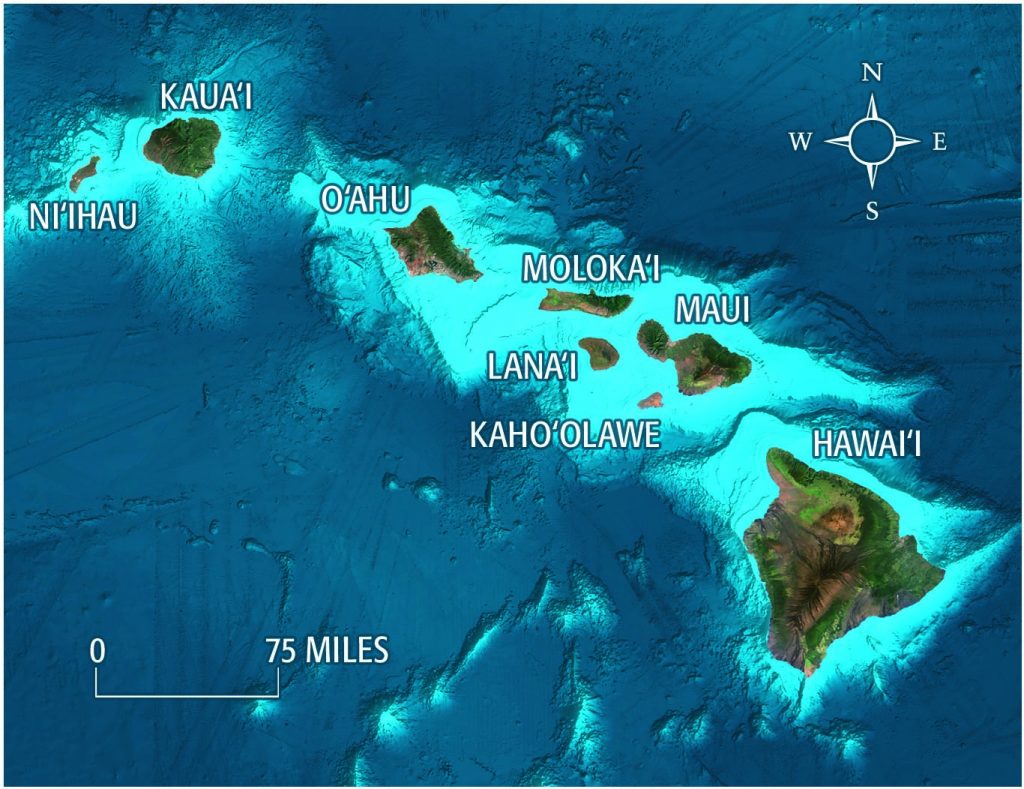
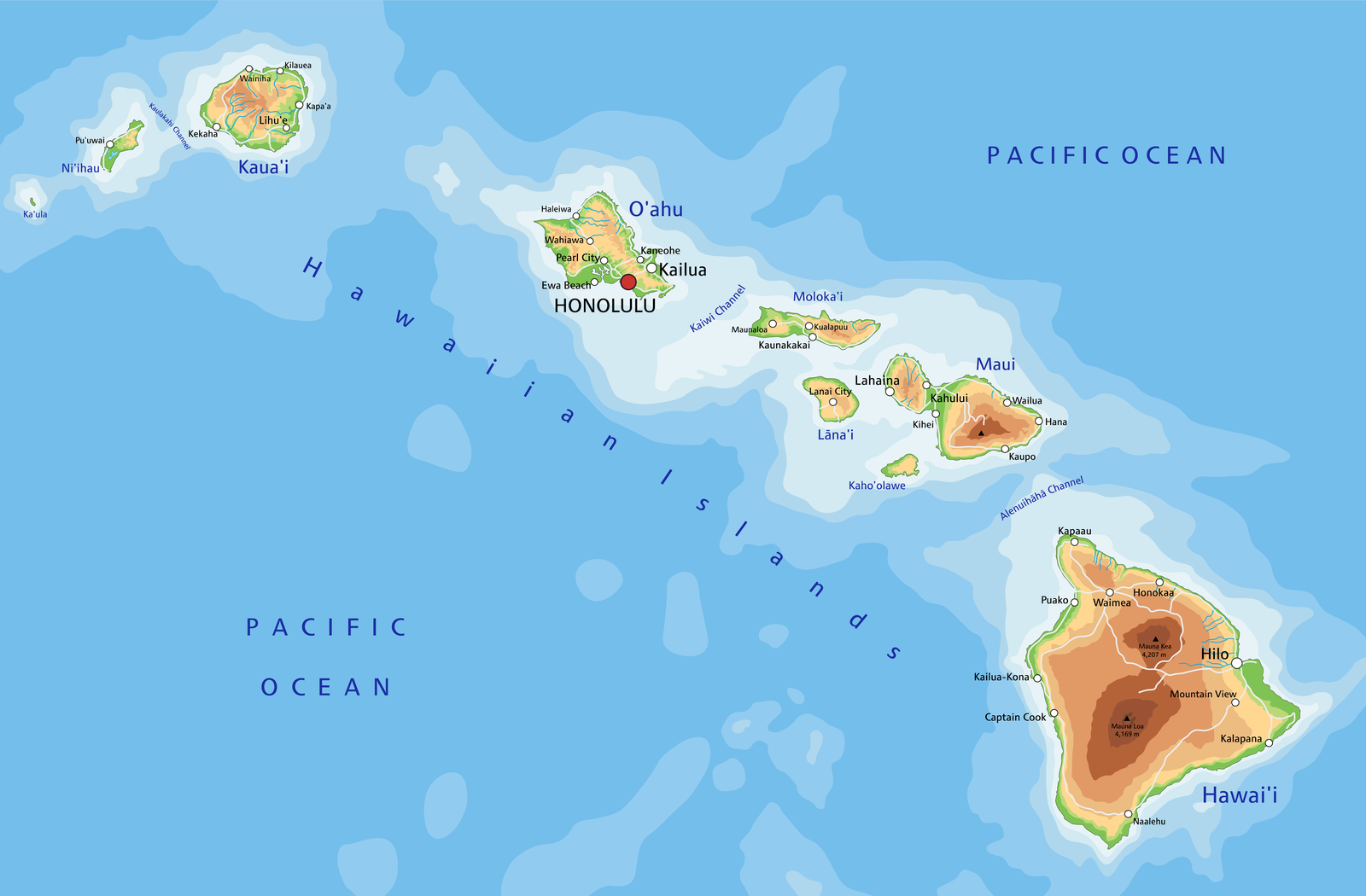
Among the numerous islands that form the Hawaiian chain, eight stand out as the principal landmasses. These are, from southeast to northwest: Hawaii Island (also known as the Big Island), Maui, Kahoolawe, Lanai, Molokai, Oahu, Kauai, and Niihau. While Kahoolawe and Niihau have unique statuses that make them largely inaccessible or unappealing for typical tourism, the remaining six offer distinct experiences that cater to every type of traveler, from luxury seekers to adventure enthusiasts, families, and those on a budget.
Hawaii Island (The Big Island): A World in One Island
As its name suggests, Hawaii Island is the largest of the Hawaiian Islands, covering more landmass than all the other islands combined. This geological powerhouse is still actively growing thanks to the ongoing volcanic activity from Kilauea, one of the world’s most active volcanoes, and the massive shield volcano Mauna Loa. The Big Island is a microcosm of diverse ecosystems, boasting everything from snow-capped mountain peaks like Mauna Kea (home to world-class observatories and fantastic stargazing opportunities) to lush rainforests near Hilo, black and green sand beaches, and arid volcanic deserts.
Visitors flock to Hawaii Island for the incredible natural landmarks, particularly Hawaii Volcanoes National Park, where they can witness the raw power of creation. Beyond the volcanoes, the Kona side of the island offers calm, sunny weather perfect for snorkeling, diving, and deep-sea fishing, as well as renowned coffee farms. The Kohala Coast is home to some of Hawaii’s most luxurious resorts, such as the Mauna Lani, Auberge Resorts Collection, providing exquisite suites and amenities for those seeking a high-end lifestyle experience. Accommodation ranges from opulent villas and resorts to charming vacation rentals and budget-friendly hotels, catering to diverse preferences for long-term stays or short getaways. The island’s vastness ensures a feeling of spaciousness, making it ideal for adventurous families or couples seeking both relaxation and exploration.
Maui: The Valley Isle’s Charms
Maui, affectionately known as “The Valley Isle” for the fertile plain between its two volcanic mountains, is a perennial favorite among travelers. It perfectly balances natural beauty with upscale tourism infrastructure, making it a popular choice for romantic getaways, family trips, and luxury travel. Maui’s diverse landscape ranges from the lush, winding Road to Hana on its eastern coast, famous for its waterfalls and tropical rainforests, to the golden beaches of Wailea and Ka’anapali on its western and southern shores.
Iconic experiences on Maui include watching the sunrise from the summit of Haleakala National Park, taking surf lessons, or whale watching during the winter months when humpbacks migrate to its warm waters. Historic Lahaina town offers a glimpse into Hawaii’s whaling past, alongside art galleries and lively restaurants. Resorts like the Grand Wailea, A Waldorf Astoria Resort in Wailea and the Hyatt Regency Maui Resort and Spa in Ka’anapali offer world-class amenities, stunning oceanfront locations, and a wide array of activities, from championship golf courses to spa treatments. Maui’s appeal lies in its ability to cater to almost any travel style, providing a blend of adventure, relaxation, and luxurious comfort.
Oahu: The Gathering Place’s Vibrant Energy
Oahu, known as “The Gathering Place,” is the most populous and developed of the Hawaiian Islands, serving as the primary gateway for most visitors. It seamlessly blends urban sophistication with stunning natural beauty, offering a dynamic travel experience. The capital city of Honolulu buzzes with activity, from its world-famous Waikiki Beach to a vibrant food scene, diverse shopping, and a bustling nightlife.
Beyond the urban sprawl, Oahu boasts significant landmarks and natural wonders. Visitors can pay their respects at Pearl Harbor, hike to the summit of Diamond Head for panoramic views, or escape to the legendary North Shore, a mecca for surfers during the winter months. Accommodation on Oahu is incredibly diverse, from budget-friendly apartments and boutique hotels to iconic luxury resorts like The Royal Hawaiian, a Luxury Collection Resort, Waikiki. Its robust tourism infrastructure makes it an ideal destination for business stays, family vacations with countless activities, or solo travelers looking for a mix of city excitement and natural beauty. The accessibility and variety of experiences on Oahu make it a perfect choice for first-time visitors to Hawaii.
Kauai: The Garden Isle’s Lush Beauty
Kauai, often called “The Garden Isle,” is the oldest and northernmost of the main Hawaiian Islands. Its dramatic landscape, shaped by millennia of erosion, is characterized by emerald valleys, sharp mountain spires, and cascading waterfalls, all blanketed in dense tropical rainforest. This island is a paradise for nature lovers, hikers, and those seeking a more tranquil, adventure-focused escape.
The breathtaking Na Pali Coast, with its towering sea cliffs and secluded beaches, is perhaps Kauai’s most iconic landmark, best viewed by boat, helicopter, or a challenging hike. Equally impressive is Waimea Canyon, often referred to as the “Grand Canyon of the Pacific.” Kayaking on the Wailua River, exploring hidden grottoes, or simply relaxing on its less-crowded beaches are popular activities. Kauai offers a range of accommodation, from upscale resorts like the Grand Hyatt Kauai Resort & Spa on its southern shore to charming vacation rentals and boutique hotels tucked away in lush surroundings. It’s an ideal destination for romantic getaways, honeymoons, or families who appreciate outdoor activities and the raw beauty of nature.
Molokai: The Friendly Isle’s Authentic Hawaiian Spirit
For travelers seeking a glimpse into traditional Hawaiian life and a slower pace, Molokai offers an authentic experience. Known as “The Friendly Isle,” Molokai remains largely undeveloped, preserving its local culture and natural environment. There are no traffic lights, few resorts, and a strong emphasis on community and history.
Visitors to Molokai can explore the remote Kalaupapa National Historical Park, once a leper colony and now a place of profound historical significance, accessible by mule ride, hike, or small plane. The island also boasts the highest sea cliffs in the world along its northern coast, and the pristine Halawa Valley offers beautiful hikes and waterfalls. Accommodation options are limited, primarily consisting of vacation rentals, small apartments, and one hotel, reflecting its commitment to sustainable tourism and preserving its unique lifestyle. Molokai is perfect for those interested in ecotourism, cultural immersion, and truly disconnecting from the modern world.
Lanai: Hawaii’s Secluded Sanctuary
Once known as the “Pineapple Isle,” Lanai has transformed into “Hawaii’s Most Secluded Island,” offering an exclusive escape for luxury travelers and those seeking ultimate privacy. The island is largely owned by Oracle co-founder Larry Ellison, who has invested heavily in creating a high-end, environmentally conscious destination.
Lanai boasts two world-class Four Seasons resorts: the Four Seasons Resort Lanai at Hulopoe Bay, a stunning beachfront property, and the Lodge at Koele, nestled in the central highlands (currently undergoing renovation). Activities on Lanai include championship golf, horseback riding, snorkeling in the marine sanctuary of Hulopoe Bay, and exploring rugged backcountry by 4×4 to sites like Shipwreck Beach and the otherworldly Garden of the Gods. The island caters to a lifestyle of refined luxury, offering bespoke experiences, exceptional dining, and a serene atmosphere, making it ideal for honeymoons, exclusive retreats, or anyone desiring a truly indulgent and quiet escape.
Niihau and Kahoolawe: The Untouched and The Redeveloping
While technically part of the eight main islands, Niihau and Kahoolawe are not destinations for typical tourism. Niihau, known as “The Forbidden Isle,” is privately owned and primarily home to native Hawaiians who maintain a traditional lifestyle, speaking the Hawaiian language exclusively. Access is strictly limited to preserve its culture and environment, though very limited, pre-arranged tours (like helicopter excursions) may offer glimpses. Kahoolawe, the smallest of the main islands, was historically used as a bombing range by the U.S. military and is now uninhabited and dedicated to restoration efforts and cultural preservation by Native Hawaiian organizations. Both islands serve as powerful reminders of Hawaii’s deep history, cultural identity, and commitment to environmental stewardship, even if they remain largely off-limits to the general public.
Planning Your Hawaiian Island Hopping Adventure
Understanding the distinct character of each of the major Hawaiian Islands is key to planning an unforgettable trip. For a comprehensive Hawaiian experience, many travelers choose to island hop, combining the vibrant energy of Oahu with the volcanic wonders of Hawaii Island, the luxurious resorts of Maui, or the serene beauty of Kauai. Inter-island flights are frequent and relatively short, making it easy to transition between different experiences.
When planning your itinerary, consider what kind of travel experience you desire:
- For first-timers and diverse experiences: Start with Oahu for its mix of city, history, and beaches, then perhaps add Maui for its resort luxury and scenic drives.
- For adventure and nature enthusiasts: Focus on Hawaii Island for volcanoes and diverse climates, and Kauai for hiking and dramatic coastlines.
- For luxury and romance: Maui and Lanai offer unparalleled upscale resorts, fine dining, and secluded experiences perfect for honeymoons or anniversary trips.
- For cultural immersion and quiet retreats: Molokai provides a unique opportunity to connect with local Hawaiian culture and experience a slower pace of life.
Booking accommodation early, especially during peak seasons, is crucial. From lavish suites in five-star resorts to charming vacation rentals, boutique hotels, or even long-term stay apartments, the options are plentiful. Comparison websites and reviews can help find the best fit for your budget and lifestyle. Regardless of which island or combination of islands you choose, embracing the local culture, respecting the ‘aina (land), and practicing sustainable tourism will enrich your experience and help preserve Hawaii’s unparalleled beauty for generations to come.
In conclusion, while the Hawaiian archipelago technically comprises 137 islands, islets, and atolls, the heart of its tourism and visitor experience lies within the six main accessible islands. Each offers a unique character, an array of attractions, and diverse accommodation choices, promising an unforgettable journey through this enchanting part of the world.
LifeOutOfTheBox is a participant in the Amazon Services LLC Associates Program, an affiliate advertising program designed to provide a means for sites to earn advertising fees by advertising and linking to Amazon.com. Amazon, the Amazon logo, AmazonSupply, and the AmazonSupply logo are trademarks of Amazon.com, Inc. or its affiliates. As an Amazon Associate we earn affiliate commissions from qualifying purchases.