
When planning a dream getaway to a tropical paradise, the political leanings of a destination might not be the first thing that comes to mind. Travelers are often more concerned with sun-drenched beaches, luxurious resorts, captivating cultural experiences, and thrilling adventures. However, understanding the underlying political and social fabric of a place can offer deeper insights into its local culture, values, and the overall atmosphere visitors can expect. In the case of Hawaii, a state renowned globally for its breathtaking natural beauty and the inimitable Aloha Spirit, the question of whether it leans “red” or “blue” often surfaces in broader discussions about the United States.
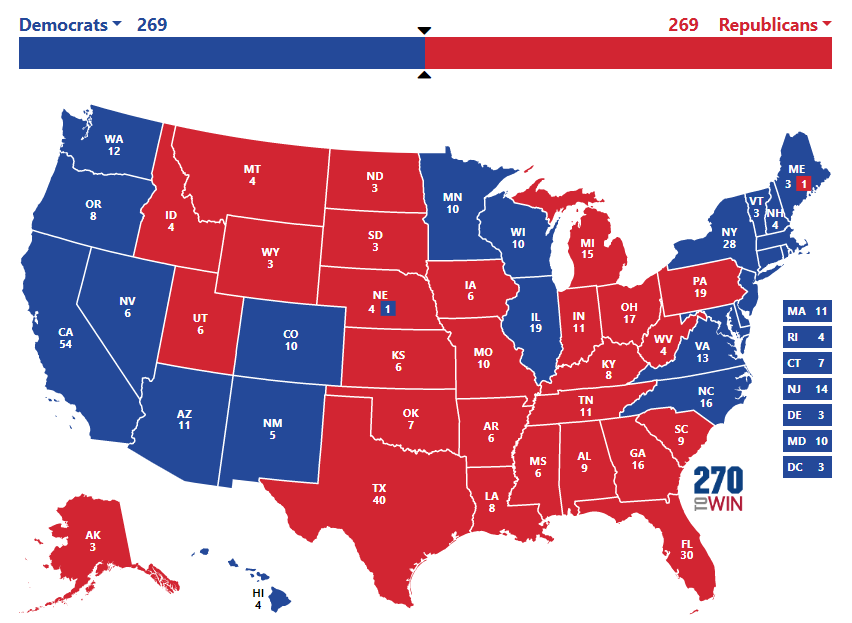
The short answer, for those curious about the political landscape of this Pacific archipelago, is unequivocally “no.” Hawaii is, and has historically been, a staunch “blue state,” meaning it overwhelmingly supports the Democratic Party in most elections, from local races to presidential contests. This political orientation is deeply rooted in the state’s unique history, diverse demographics, strong labor union presence, and a pervasive emphasis on community, environmental protection, and social welfare that aligns closely with progressive ideologies. For the discerning traveler, this political identity subtly shapes many aspects of the Hawaiian experience, from its focus on sustainable tourism to its welcoming and inclusive local culture.
Understanding Hawaii’s Political Landscape
To truly appreciate Hawaii’s distinct character as a travel destination, it’s helpful to briefly delve into the political forces that have shaped it. Unlike many states on the mainland, Hawaii’s political trajectory has been largely consistent since its statehood.
A Deep Blue History
Hawaii’s journey to becoming a “blue state” is a fascinating narrative intertwined with its transition from a monarchy to a territory and finally to statehood in 1959. The state’s demographics played a significant role; a large influx of immigrant laborers from Asia (primarily Japan, China, and the Philippines) during the plantation era led to the growth of a strong labor movement. These workers, seeking better conditions and fair representation against the dominant plantation owners, found a natural alignment with the Democratic Party’s platforms emphasizing workers’ rights and social justice.
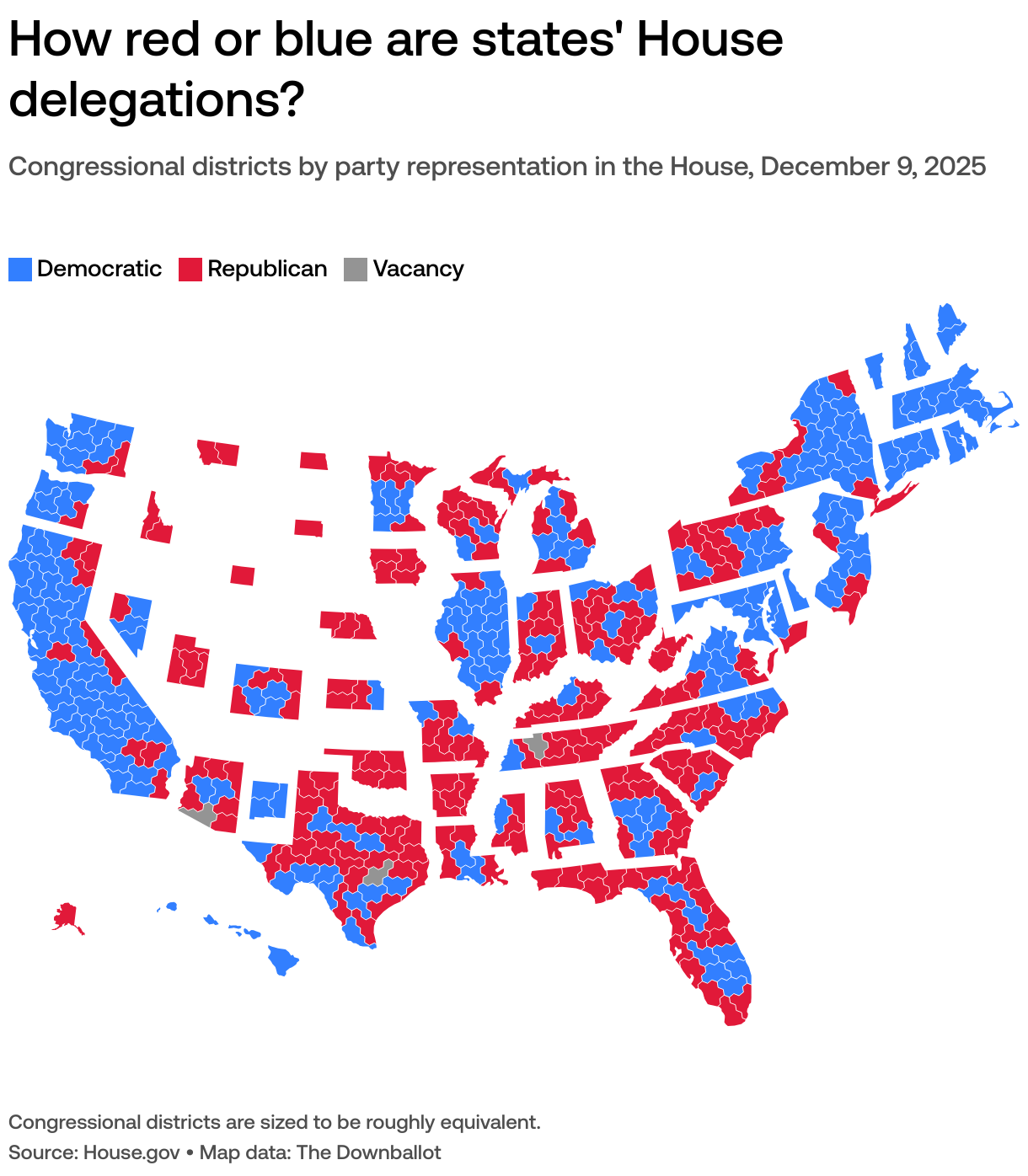
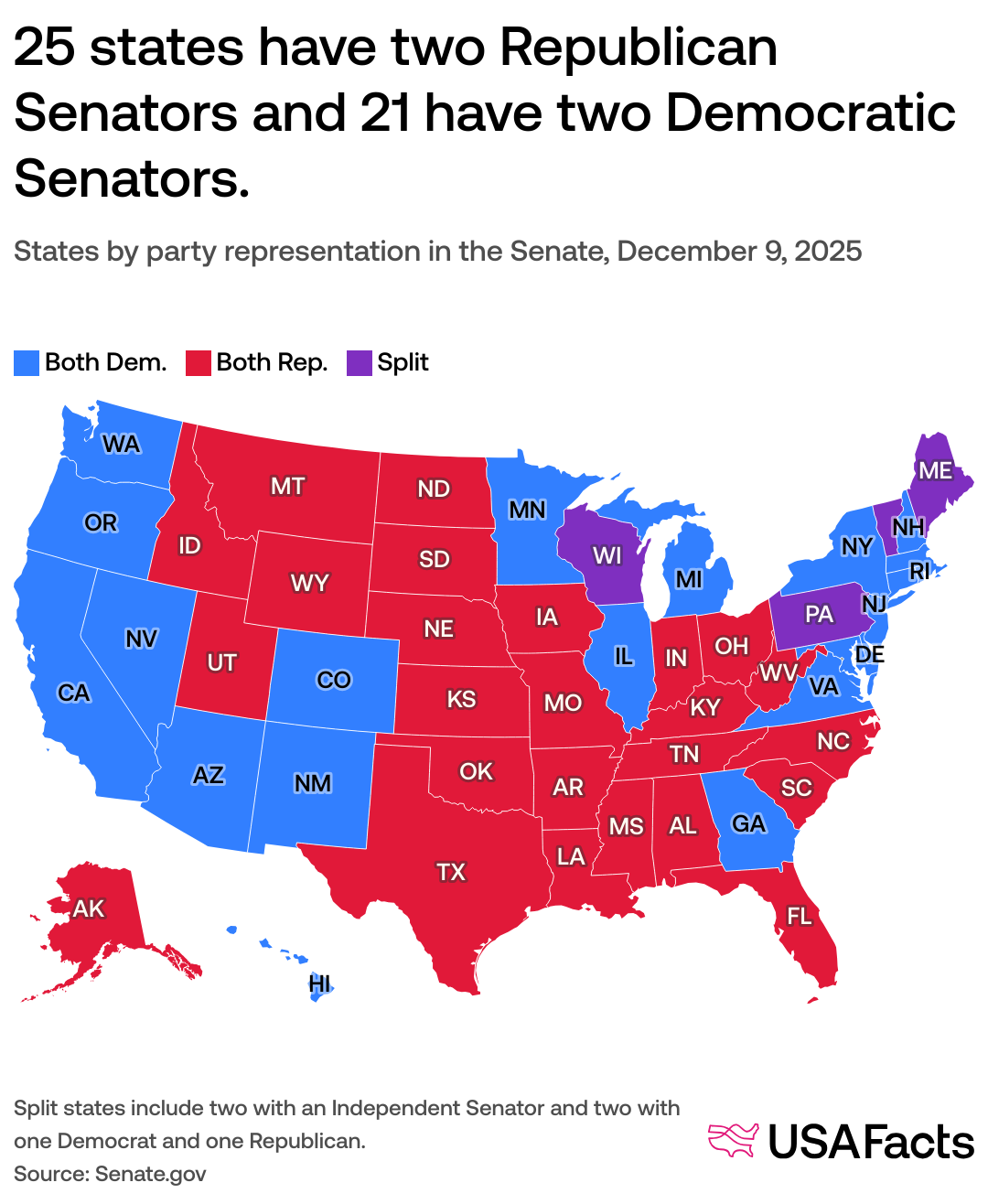
Post-statehood, this trend continued. Voters in Hawaii have consistently supported Democratic Party candidates in presidential elections, often by significant margins. Both of the state’s senators and its two House of Representatives members are typically Democrats. At the state level, the governorship and the majority of seats in both the State Senate and House of Representatives have been dominated by the Democratic Party for decades. This consistent political lean reflects a collective commitment to policies that prioritize environmental conservation, universal healthcare, public education, and social equity – values that resonate deeply with the multicultural population and the cherished Aloha Spirit. Major cities like Honolulu on Oahu serve as urban centers where these progressive values are particularly pronounced, influencing local ordinances and community initiatives that directly impact visitors and residents alike.
Federal vs. Local Politics
While Hawaii’s overarching political identity is distinctly blue, it’s worth noting that local politics can sometimes present more nuanced dynamics. Although the Republican Party has a minimal presence in state-level elections, municipal races, particularly on smaller islands or in more rural communities, might see candidates focus on hyper-local issues that transcend traditional party lines. However, these instances rarely alter the fundamental progressive orientation of the state.
For travelers, this consistent political environment translates into a relatively predictable and often harmonious social landscape. The emphasis on community well-being, environmental protection, and cultural preservation is largely bipartisan within Hawaii, meaning these crucial aspects of the islands are widely supported regardless of specific electoral outcomes. This stability fosters an environment where sustainable tourism initiatives and efforts to protect natural resources are not merely buzzwords but integral components of the local governance and community ethos.
Beyond the Ballot Box: What Does This Mean for Visitors?
For most visitors, the political leaning of a destination might seem inconsequential. However, Hawaii’s “blue” identity significantly influences the visitor experience in subtle yet profound ways, particularly through its emphasis on the Aloha Spirit, sustainability, and community engagement.
The Spirit of Aloha and Local Values
The Aloha Spirit is more than just a greeting; it’s a way of life, an ethos of respect, compassion, and living in harmony with the land and with one another. This deeply ingrained cultural value aligns seamlessly with many progressive principles often associated with “blue” states. Hawaii’s diverse population, a vibrant tapestry of indigenous Hawaiians, East Asians, Pacific Islanders, and Caucasians, fosters an environment of acceptance and inclusivity.
For travelers, this means encountering a remarkably welcoming and open society. Whether you’re exploring the bustling streets of Honolulu, relaxing on Maui’s pristine beaches, or hiking through Kauai’s lush rainforests, the underlying atmosphere is one of respect and warmth. This inclusivity extends to all forms of tourism, from solo adventurers and family trips to luxury travel enthusiasts and budget-conscious backpackers. The focus on human connection and genuine hospitality ensures that visitors from all backgrounds feel at ease and valued.
Sustainability, Conservation, and Community Engagement
Perhaps the most tangible impact of Hawaii’s progressive leanings on tourism is its unwavering commitment to environmental sustainability and conservation. Given the islands’ delicate ecosystems, unique biodiversity, and reliance on natural beauty for their tourism industry, safeguarding these assets is paramount. This commitment is reflected in various state-wide initiatives and local regulations aimed at preserving natural resources and promoting responsible travel.
Visitors to Hawaii will notice a strong emphasis on protecting coral reefs, reducing plastic waste, and preserving native flora and fauna. Many resorts, hotels, and tour operators actively participate in eco-friendly practices, from energy conservation to supporting local farmers and artisans. Landmarks like Hawaii Volcanoes National Park on the Big Island and Haleakala National Park on Maui exemplify the state’s dedication to preserving its natural wonders while providing educational and inspiring experiences for visitors. Travelers are often encouraged, and sometimes required, to adhere to “leave no trace” principles, contributing to the collective effort to maintain the islands’ pristine condition. This emphasis on responsible tourism enriches the experience, allowing visitors to connect with Hawaii in a more meaningful and sustainable way.
Experiencing Hawaii: Destinations and Lifestyle
Hawaii’s political identity forms a subtle backdrop to its vibrant tourism scene, influencing how its diverse destinations are managed and experienced, and shaping the lifestyle options available to travelers.
Iconic Islands and Their Unique Charms
Each of Hawaii’s main islands offers a distinct flavor, yet all share a common thread of the Aloha Spirit and a commitment to preserving their unique environments.
-
Oahu: The Gathering Place
Home to the state capital, Honolulu, Oahu is the most populous and bustling island. Here, urban sophistication meets world-famous beaches. Iconic landmarks like Pearl Harbor, the historic site commemorating a pivotal moment in United States history, stand alongside the vibrant energy of Waikiki Beach and the majestic views from Diamond Head crater. The political emphasis on infrastructure and diverse communities means Oahu offers a wide array of activities, from high-end shopping to historical tours and renowned surfing spots on the North Shore. Cultural experiences like the Polynesian Cultural Center highlight the island’s deep respect for its heritage. -
Maui: The Valley Isle
Known for its luxurious resorts, stunning landscapes, and adventure sports, Maui caters to a desire for both relaxation and excitement. The winding Road to Hana showcases lush rainforests and waterfalls, while the sunrise from atop Haleakala National Park is an unforgettable experience. Areas like Lahaina and Kaanapali Beach offer world-class hotels and vibrant dining scenes. Maui’s local governance often balances tourism development with conservation efforts, reflecting the state’s broader progressive values. -
Kauai: The Garden Isle
For those seeking raw, untamed beauty, Kauai is an ideal choice. Its dramatic cliffs of the Na Pali Coast, the vast expanse of Waimea Canyon, and its verdant interiors make it a paradise for hikers and nature lovers. Kauai’s slower pace and emphasis on eco-tourism resonate with a desire for authentic, uncommercialized experiences, a reflection of environmental protection principles. -
Big Island: Hawaii Island
The largest of the islands, the Big Island, offers an astonishing diversity of landscapes, from active volcanoes at Hawaii Volcanoes National Park to snow-capped peaks of Mauna Kea, and black sand beaches. The towns of Hilo and Kona provide distinct cultural experiences. Its vastness and ongoing geological activity make it a place of profound natural wonder, where the state’s conservation policies are vital for managing visitors and protecting sensitive areas.
Beyond these major islands, smaller, less-visited gems like Lanai and Molokai offer even more secluded and authentic experiences, often with a stronger focus on local communities and preservation.
Accommodation Choices Across the Archipelago
Hawaii’s “blue” stance, with its emphasis on diverse economic development and social welfare, contributes to a wide range of accommodation options designed to suit various lifestyles and budgets.
For luxury travel, world-class resorts like the Four Seasons Resort Maui at Wailea or the Grand Hyatt Kauai Resort & Spa offer unparalleled amenities, exquisite dining, and breathtaking views. These establishments often integrate local cultural elements and sustainable practices into their operations, aligning with the state’s values.
Mid-range hotels and charming boutique accommodations provide comfortable stays with unique character, often supporting local artists and businesses. For budget travel, hostels, vacation rentals, and smaller guesthouses are available, particularly in areas like Honolulu or near popular attractions. The state’s tourism policies aim to ensure a balanced offering, catering to the diverse needs of millions of annual visitors while striving to maintain quality and community benefits. Booking platforms and direct hotel websites offer comprehensive reviews and comparison tools to help travelers find their ideal home away from home, whether it’s a sprawling suite with ocean views or a cozy apartment in a local neighborhood.
Embracing Local Culture and Cuisine
Hawaii’s vibrant culture and diverse cuisine are major attractions, deeply influenced by its multi-ethnic population and a political environment that celebrates cultural preservation. From traditional Hawaiian luaus featuring poi and kalua pig to the fusion flavors of Hawaiian Regional Cuisine, food is a central part of the travel experience. The state’s support for local agriculture and small businesses means visitors can enjoy fresh, farm-to-table ingredients, poke bowls made with sustainably caught fish, and unique local delicacies.
Activities like hula performances, slack-key guitar concerts, and visits to historical sites like the Duke Kahanamoku Lagoon in Waikiki offer windows into the islands’ rich heritage. The inclusivity inherent in Hawaii’s “blue” identity fosters an environment where these cultural expressions are cherished and shared, allowing visitors to immerse themselves in authentic local experiences rather than purely commercialized attractions.
Planning Your Hawaiian Escape
Understanding Hawaii’s unique identity, including its political leanings, ultimately enhances the planning and execution of a memorable and respectful trip.
Navigating Travel and Tourism in a Unique Environment
When planning your journey to Hawaii, it’s crucial to acknowledge that you are visiting a destination with a profound sense of place, a rich cultural heritage, and a delicate natural environment. The state’s progressive approach to governance often means there are well-defined regulations and recommendations for tourism to ensure minimal impact on the land and local communities.
This might include guidelines on visiting sacred sites, respecting wildlife (especially marine life), and adhering to trail etiquette. Transportation between islands is primarily via inter-island flights, and within each island, rental cars, shuttles, and public transport options are available. Early booking for popular attractions, tours, and accommodation is always advisable, especially during peak seasons, to secure preferred experiences and competitive rates. Utilizing detailed guides and local insights can significantly enhance your trip, allowing you to discover hidden gems and support local businesses.
Ensuring a Responsible and Memorable Visit
Ultimately, Hawaii’s “blue state” identity underpins a widespread commitment to responsible tourism. Visitors are encouraged to engage thoughtfully with the local culture, support the local economy by purchasing goods and services from Hawaiian-owned businesses, and participate in conservation efforts. This commitment extends to choosing accommodations that prioritize sustainability, selecting tour operators with strong environmental ethics, and simply being mindful of your impact on the islands.
From the bustling streets of Honolulu to the serene shores of Kauai, Hawaii offers an unparalleled travel experience. Its political identity, far from being a mere label, is interwoven into the fabric of its culture, its commitment to sustainability, and its welcoming Aloha Spirit. By understanding and respecting these foundational elements, travelers can not only enjoy the stunning beauty and vibrant activities but also contribute positively to the preservation of this extraordinary destination, ensuring their Hawaiian escape is not just memorable but also meaningful.
LifeOutOfTheBox is a participant in the Amazon Services LLC Associates Program, an affiliate advertising program designed to provide a means for sites to earn advertising fees by advertising and linking to Amazon.com. Amazon, the Amazon logo, AmazonSupply, and the AmazonSupply logo are trademarks of Amazon.com, Inc. or its affiliates. As an Amazon Associate we earn affiliate commissions from qualifying purchases.