
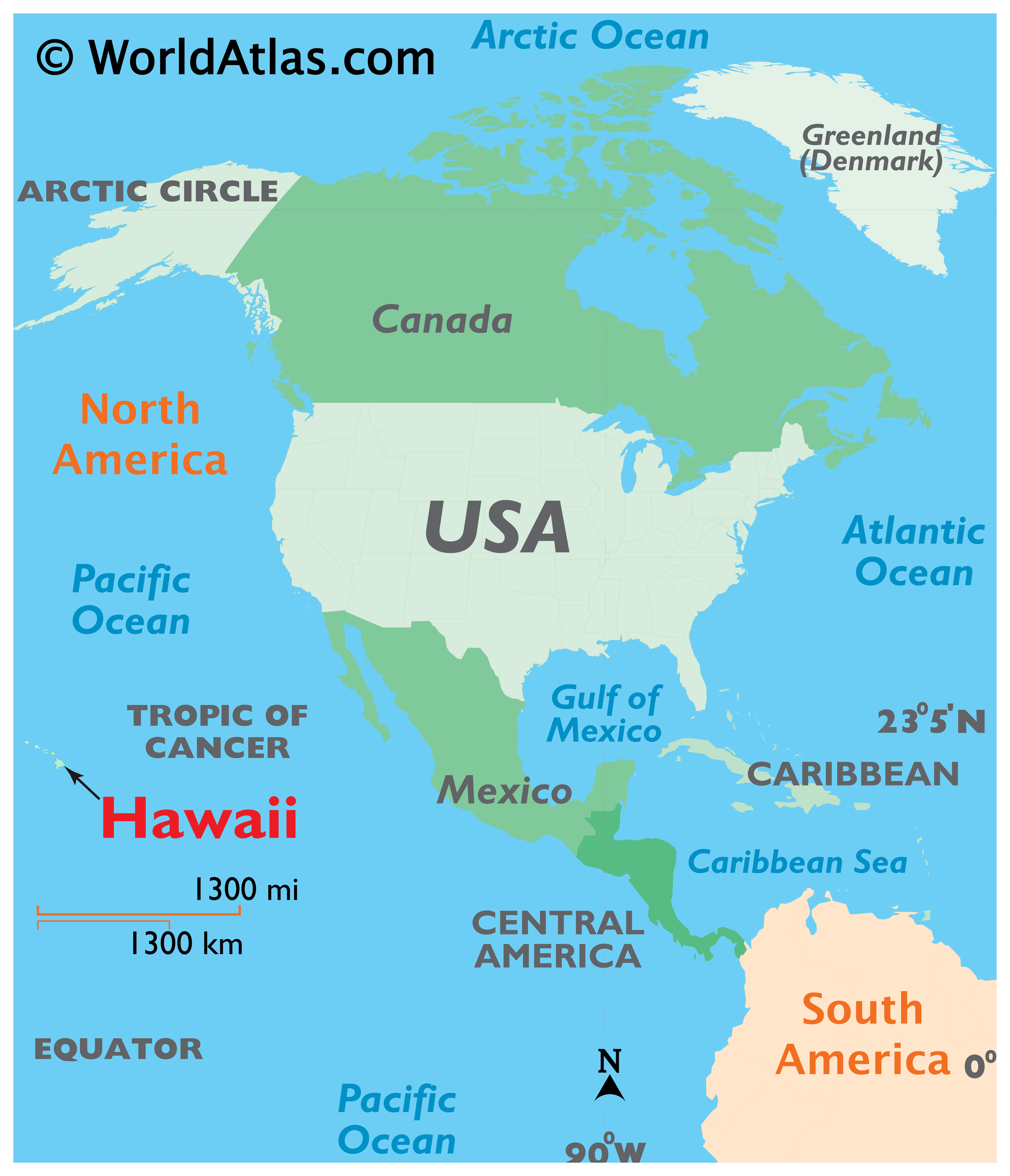
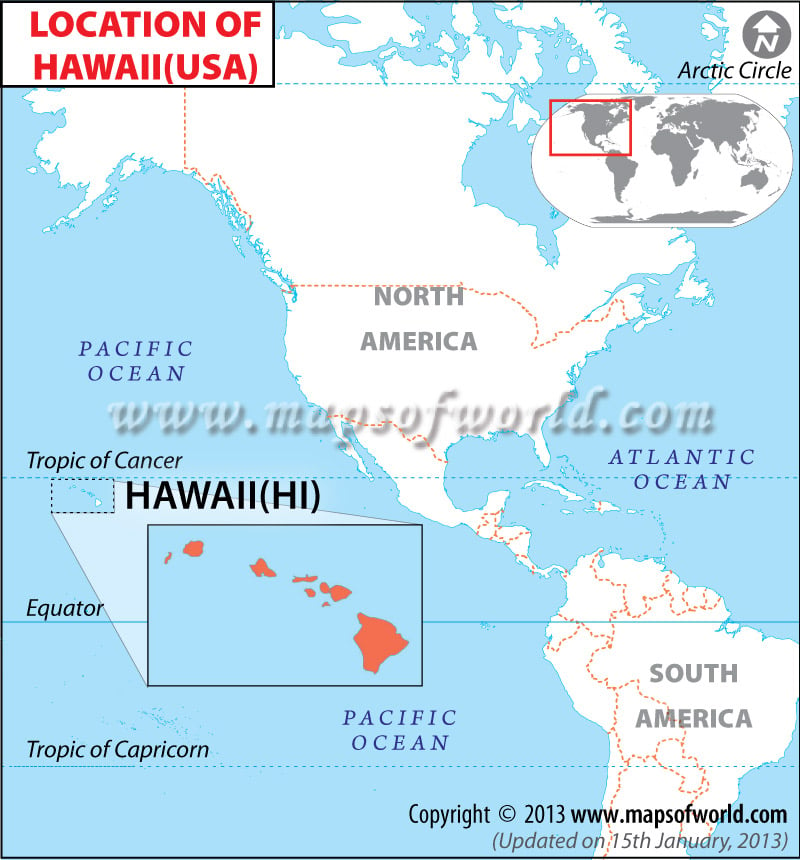
The question “Is Hawaii in the US?” might seem straightforward to many, but its persistent appearance reflects the unique and often misunderstood identity of the 50th state of the United States. Tucked away in the central Pacific Ocean, thousands of miles from the North American mainland, Hawaii stands as a vibrant tapestry of Polynesian heritage and American governance. Its remote location, distinctive culture, and tropical allure often lead to a sense of detachment, even among those familiar with its existence. This article will definitively answer the question, delve into Hawaii’s fascinating journey to statehood, explore its unparalleled appeal as a premier travel destination, and guide you through planning an unforgettable Hawaiian escape, covering everything from diverse accommodation options to immersive cultural experiences. Prepare to discover why this archipelago is not just a part of the US, but a jewel in its crown, offering a travel experience unlike any other on Earth.
Hawaii’s Place in the Union: A Historical Perspective
The story of Hawaii’s integration into the United States is a rich narrative woven with exploration, monarchy, political intrigue, and ultimately, self-determination. Long before European contact, the islands were settled by brave Polynesian voyagers, who navigated vast ocean expanses using sophisticated knowledge of stars and currents, establishing a complex and thriving society. The islands remained isolated until Captain Cook‘s arrival in 1778, which marked the beginning of their interaction with the Western world.
Following a period of unification under King Kamehameha I, Hawaii flourished as an independent kingdom throughout much of the 19th century. Its strategic location made it a crucial stop for whaling ships and traders, attracting increasing interest from foreign powers, particularly the United States. American missionaries and businessmen began to exert significant influence, leading to tensions and eventual political unrest. In 1893, a group of American and European businessmen, supported by the US military, overthrew the Hawaiian monarchy, led by Queen Liliʻuokalani. This controversial event led to the establishment of the Republic of Hawaii.
The Republic then sought annexation by the United States, a move that was debated for several years due to moral considerations and anti-imperialist sentiments within the US Congress. However, strategic interests, particularly during the Spanish-American War, ultimately swayed opinion, and Hawaii was annexed as a US territory in 1898. For over 60 years, it remained a territory, serving as a vital military outpost, especially during World War II, with the devastating attack on Pearl Harbor solidifying its place in American history.
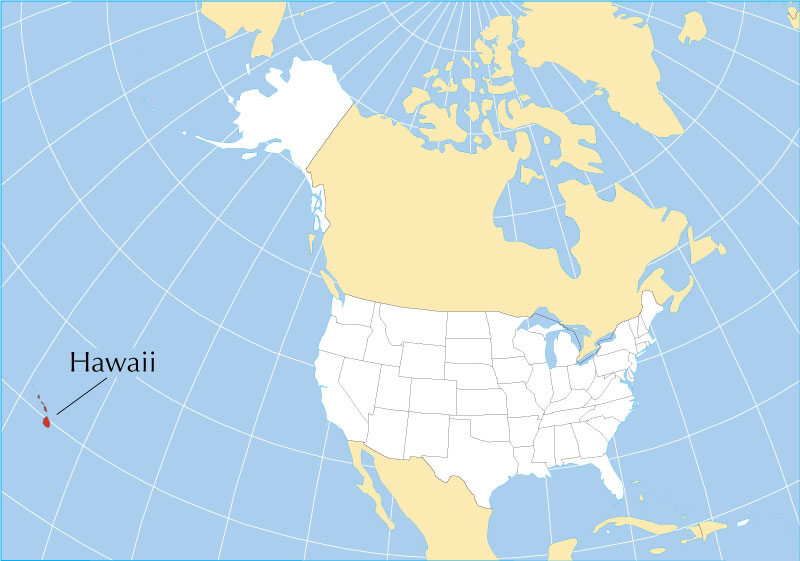
Finally, on August 21, 1959, after a popular vote overwhelmingly in favor of statehood, Hawaii officially became the 50th state of the United States. This momentous occasion integrated the islands fully into the American political and economic fabric, while allowing its unique cultural identity to endure and flourish. Today, Hawaii operates under the same laws, governmental structures, and protections as any other US state, with its residents enjoying full American citizenship, rights, and responsibilities. Its status as a state is undeniable, yet its distinct geographical and cultural characteristics continue to make it a marvel for travelers seeking a truly extraordinary experience within the borders of the United States.
Unveiling Hawaii’s Allure: A Premier Travel Destination
Beyond its political status, Hawaii is globally renowned as a dream destination, captivating millions with its unparalleled natural beauty, vibrant local culture, and diverse range of experiences. It’s a place where the dramatic landscapes of volcanic peaks meet pristine coral reefs, and where the ancient spirit of Aloha blends seamlessly with modern comforts. Travelers flock to Hawaii for myriad reasons: its year-round pleasant climate, world-class beaches, lush rainforests, active volcanoes, and the promise of adventure and relaxation. From adrenaline-pumping water sports to serene hikes, and from bustling urban centers to secluded natural wonders, Hawaii offers a kaleidoscope of attractions for every type of visitor. The tourism industry here is robust, focusing on sustainable practices that aim to preserve the islands’ delicate ecosystems and rich cultural heritage for future generations.
Iconic Islands and Their Charms
The Hawaiian archipelago comprises eight main islands, each possessing its own distinct personality and array of attractions. Understanding these unique characteristics is key to crafting the perfect Hawaiian itinerary.
-
Oahu: The Gathering Place
As the most populated island, Oahu is often the first point of entry for visitors. It’s home to the bustling capital city of Honolulu and the world-famous Waikiki Beach, where you can learn to surf, relax on golden sands, or enjoy vibrant nightlife. Beyond the urban sprawl, Oahu offers historical significance at Pearl Harbor, iconic hiking trails like the ascent to the summit of Diamond Head for panoramic views, and the legendary North Shore, a mecca for professional surfers during winter months. The Polynesian Cultural Center provides an immersive look into the cultures of Hawaii and other Pacific Island nations. -
Maui: The Valley Isle
Maui is celebrated for its stunning natural beauty, luxurious resorts, and diverse landscapes. The scenic Road to Hana winds through lush rainforests, past cascading waterfalls, and breathtaking coastal vistas, offering an unforgettable journey. Watching the sunrise from the dormant Haleakala volcano in Haleakala National Park is a truly spiritual experience. Maui is also a prime spot for whale watching during winter, with humpback whales migrating to its warm waters. Its diverse terrain makes it ideal for everything from kitesurfing to leisurely beach days in areas like Wailea. -
Kauai: The Garden Isle
Known for its dramatic cliffs, emerald valleys, and pristine rainforests, Kauai is a paradise for nature lovers and adventurers. The awe-inspiring Na Pali Coast, accessible by helicopter, boat, or challenging hike, is a true wonder of the world with its towering sea cliffs and hidden beaches. The “Grand Canyon of the Pacific,” Waimea Canyon, offers spectacular viewpoints and hiking opportunities. Kauai is less developed, providing a more tranquil and intimate experience with nature. -
Hawaii Island (Big Island): The Big Island
The youngest and largest of the islands, the Big Island is a land of extremes and remarkable geological diversity. It’s home to Hawaii Volcanoes National Park, where visitors can witness active volcanoes, lava flows (when conditions allow), and steaming craters. The island boasts black sand beaches formed by volcanic activity, white sand beaches, and even a rare green sand beach. From the snow-capped peak of Mauna Kea (an incredible stargazing spot) to the vibrant coral reefs of Kona, the Big Island offers a microcosm of the entire archipelago’s natural wonders, alongside world-renowned Kona coffee plantations.
Cultural Immersion and Activities
Beyond the stunning landscapes, what truly sets Hawaii apart is its rich and welcoming local culture, embodied by the “Aloha Spirit.” This philosophy of respect, love, and compassion permeates everyday life and interaction. Visitors can immerse themselves in this culture through various activities:
- Hula and Luaus: Experience traditional Hawaiian storytelling through graceful hula performances and partake in a luau, a traditional feast featuring delicious food, music, and dance.
- Surfing Lessons: Learn to ride the waves in the birthplace of surfing, with countless surf schools offering lessons for all skill levels.
- Snorkeling and Diving: Explore vibrant underwater worlds teeming with colorful fish and sea turtles at iconic spots like Molokini Crater off Maui or Hanauma Bay on Oahu.
- Hiking: Traverse lush rainforests, dramatic coastal trails, or volcanic landscapes.
- Local Cuisine: Indulge in Hawaiian staples like poke (marinated raw fish), fresh seafood, kalua pig, loco moco, and an abundance of tropical fruits. Food tours are a fantastic way to sample local flavors.
- Whale Watching: From December to May, witness majestic humpback whales breaching and playing in the warm Hawaiian waters, especially around Maui.
Understanding and respecting local customs, the Hawaiian language (though English is predominant), and the natural environment are crucial for an authentic and responsible travel experience, ensuring that the magic of Hawaii can be enjoyed for generations to come.
Planning Your Hawaiian Escape: Accommodation and Lifestyle Choices
Embarking on a Hawaiian adventure requires thoughtful planning, especially concerning where you’ll stay and how you’ll experience the islands. Hawaii caters to an incredibly diverse range of travelers, from those seeking ultimate luxury to budget-conscious explorers, families, and business professionals. Understanding the accommodation landscape and lifestyle options available will help you tailor a trip that perfectly aligns with your preferences and budget.
A Spectrum of Accommodation Options
The islands boast an impressive array of lodging choices, each offering distinct amenities and atmospheres. Choosing the right base is fundamental to your overall experience.
- Luxury Resorts and Hotels: For those seeking indulgence, Hawaii is home to some of the world’s most exquisite resorts. Properties like the Four Seasons Resort Maui at Wailea or the Grand Hyatt Kauai Resort & Spa offer unparalleled service, stunning oceanfront locations, multiple swimming pools, world-class dining, and extensive spa facilities. The Hilton Hawaiian Village Waikiki Beach Resort on Oahu provides a vibrant, expansive resort experience with direct beach access. These resorts often feature kids’ clubs, championship golf courses, and various water sports activities directly on-site, making them perfect for luxury travel, family trips, or even business stays that require high-end amenities and conference facilities. Expect suites, private villas, and personalized experiences that redefine relaxation.
- Boutique Hotels: For a more intimate and unique experience, boutique hotels offer local charm, distinctive design, and personalized service. These properties often focus on integrating local culture into their ambiance, providing a deeper connection to the island’s spirit. They can range from upscale establishments to charming, independently owned inns.
- Vacation Rentals (Apartments, Villas, Condos): Ideal for families, groups, or longer stays, vacation rentals offer the comfort and convenience of a home away from home. Options range from cozy apartments in residential areas to expansive beachfront villas with private pools. Websites and local agencies provide a wide selection, allowing travelers to choose based on size, location (e.g., Kailua-Kona on the Big Island or Hana on Maui), and amenities like full kitchens and laundry facilities. This type of accommodation can often be more budget-friendly for extended trips, especially when cooking some meals.
- Mid-Range and Budget-Friendly Options: While Hawaii can be perceived as expensive, there are plenty of options for budget travel. These include smaller hotels, motels, and hostels, particularly in more urban areas like Honolulu or Lihue on Kauai. These accommodations often provide essential comforts at a more accessible price point, allowing travelers to allocate more of their budget to experiences and activities.
- Camping: For the ultimate connection with nature, some state and national parks offer designated camping sites, providing an extremely budget-friendly and adventurous way to explore the islands’ wilderness.
When booking accommodation, it’s wise to read reviews, compare prices across different platforms, and consider the proximity to attractions and transportation. Many websites offer detailed reviews and comparison tools to help you make an informed decision, whether you’re looking for an amenity-rich resort or a quaint apartment.
Navigating Hawaiian Lifestyle and Travel Tips
Embracing the Hawaiian lifestyle means adopting a relaxed pace and respecting the islands’ unique environment and culture. Travel tips can significantly enhance your journey:
- Budget Travel vs. Luxury Travel: Hawaii can be enjoyed on various budgets. For luxury travel, focus on high-end resorts, private tours, and fine dining. For budget travel, consider vacation rentals, local eateries (food trucks are excellent), public transportation where available, and free natural attractions like beaches and hiking trails. Traveling during the shoulder seasons (spring and fall) can also yield better deals on flights and accommodation.
- Family Trips: Hawaii is a fantastic family destination. Many resorts offer kids’ programs, and activities like snorkeling, surfing lessons, visiting zoos or aquariums (like the Maui Ocean Center), and exploring volcanoes cater to all ages.
- Business Stays: Major hotels and resorts, particularly on Oahu and Maui, offer extensive meeting facilities, business centers, and reliable Wi-Fi, making them suitable for business travelers looking to combine work with leisure.
- Responsible Tourism: Practicing “mālama ʻāina” (care for the land) is paramount. This includes respecting wildlife, staying on marked trails, minimizing your environmental footprint, and supporting local businesses and cultural initiatives. Avoid disturbing marine life, coral reefs, and historical sites.
- Getting Around: Inter-island flights are common and necessary for island hopping, with major carriers like Hawaiian Airlines connecting the main islands. On each island, renting a car is often the most convenient way to explore at your own pace, though rideshares and limited public transport are available in urban areas.
- Packing Essentials: Pack light, breathable clothing, swimwear, reef-safe sunscreen, sturdy sandals or water shoes, and hiking boots if you plan to hit the trails. Don’t forget a reusable water bottle to stay hydrated and reduce plastic waste.
By thoughtfully considering these aspects, you can ensure your Hawaiian journey is not only seamless and comfortable but also deeply enriching, allowing you to fully appreciate the profound beauty and welcoming spirit of these American islands.
In conclusion, the answer to “Is Hawaii in the US?” is an unequivocal yes. As the 50th state, Hawaii holds a unique and treasured position within the United States. Its captivating history, from a Polynesian kingdom to a US territory and finally a state, reflects a journey unlike any other. Today, it stands as a testament to cultural resilience and natural splendor, drawing millions of visitors eager to experience its renowned beaches, volcanic landscapes, and the profound “Aloha Spirit.”
Whether you dream of luxurious resorts on Maui, the historical depths of Oahu, the rugged beauty of Kauai, or the geological wonders of the Big Island, Hawaii offers an incredible array of travel experiences. With diverse accommodation options catering to every budget and lifestyle, and endless opportunities for cultural immersion, adventure, and relaxation, planning your Hawaiian escape is an exciting endeavor. This American paradise truly offers a world away, right within the United States, promising memories that will last a lifetime. So, pack your bags and prepare to discover the magic of Hawaii – a destination that continuously proves its status as a global gem and an integral part of the American landscape.
LifeOutOfTheBox is a participant in the Amazon Services LLC Associates Program, an affiliate advertising program designed to provide a means for sites to earn advertising fees by advertising and linking to Amazon.com. Amazon, the Amazon logo, AmazonSupply, and the AmazonSupply logo are trademarks of Amazon.com, Inc. or its affiliates. As an Amazon Associate we earn affiliate commissions from qualifying purchases.