
Hawaii, a remote archipelago nestled in the heart of the Pacific Ocean, is a destination that captivates the imagination with its stunning natural beauty, vibrant culture, and unique place in the world. Far more than just a collection of picturesque beaches and swaying palm trees, the Hawaiian Islands are a testament to the power of geological forces and the enduring spirit of its people. For any traveler seeking an extraordinary experience, understanding the deeper narratives of Hawaii enriches every visit, transforming a simple getaway into a profound journey. From its very creation to its resilient cultural heritage, two facts stand out as particularly fascinating, offering a window into the soul of this tropical paradise and providing context for the myriad travel experiences, luxurious accommodations, and rich cultural encounters available across the islands.
Hawaii’s Volcanic Origins: A Land Forged by Fire and Continual Creation
One of the most awe-inspiring facts about Hawaii is its unparalleled geological story: it is arguably the most geographically isolated landmass on Earth, formed by an active volcanic “hotspot” deep beneath the Pacific Plate. Unlike most island chains created at tectonic plate boundaries, the Hawaiian Islands are the visible peaks of massive shield volcanoes that have erupted from the ocean floor over millions of years as the Pacific Plate slowly drifts northwest over this stationary plume of magma. This continuous process means that the islands are progressively older and more eroded the further northwest you go, with Kauai being one of the oldest main islands and the Big Island of Hawaii (the youngest and largest) still actively growing.
This dynamic geological activity is not merely a scientific curiosity; it fundamentally shapes the landscape, biodiversity, and even the lifestyle and tourism offerings of the entire state. The very ground beneath your feet in Hawaii is constantly being created, eroded, and transformed, offering a breathtaking tableau of stark lava fields, lush rainforests, towering sea cliffs, and pristine beaches – each a result of this fiery birth. Understanding this constant state of geological flux provides a deeper appreciation for the dramatic scenery and the resilient ecosystems that thrive here. It underscores why Hawaii is not just a destination for relaxation but also an unparalleled outdoor adventure playground, where visitors can witness the raw power of nature firsthand.

The Dynamic Geology of the Hawaiian Islands
The Big Island of Hawaii stands as a living laboratory of this geological process. It is home to Kilauea and Mauna Loa, two of the world’s most active volcanoes. The Hawaii Volcanoes National Park offers an extraordinary opportunity to witness the Earth’s formative processes up close, from steaming vents and solidified lava flows to, on occasion, glowing molten lava. Visitors can explore a landscape that is simultaneously ancient and brand new, where black volcanic rock meets vibrant green ferns and the ocean. The park is a UNESCO World Heritage site, emphasizing its global significance for both geology and its unique ecosystems.
Beyond the active volcanoes, the geological youth of the islands has sculpted diverse and dramatic landscapes. Maui features the colossal dormant volcano Haleakala, whose summit crater resembles a lunar landscape, offering breathtaking sunrises and sunsets above the clouds. Kauai, often called the “Garden Isle,” showcases the deeply carved canyons of Waimea Canyon (the “Grand Canyon of the Pacific”) and the majestic, verdant cliffs of the Na Pali Coast, both products of millennia of erosion on older volcanic formations. Oahu, home to Honolulu and the iconic Waikiki Beach, also bears the scars of ancient volcanic activity, visible in landmarks like Diamond Head and the Koʻolau mountain range.
This geological diversity influences every aspect of travel planning, from choosing a destination that matches your adventure level to selecting accommodations that blend seamlessly with the natural environment. Whether you’re interested in hiking through a lava tube, snorkeling in a pristine coral reef (formed over ancient volcanic rock), or simply gazing at a black sand beach, Hawaii’s volcanic origins dictate an unparalleled array of natural attractions.

Exploring Volcanic Landmarks and Natural Wonders
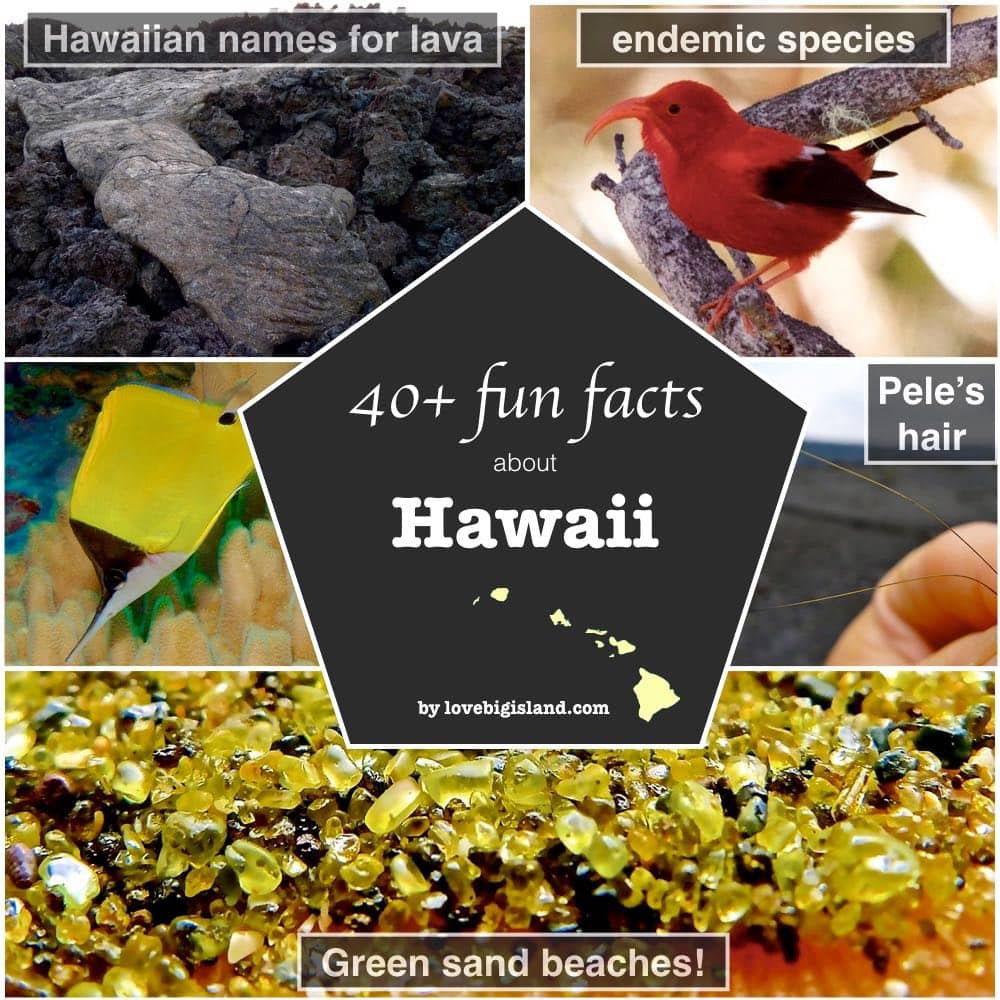
For the adventurous traveler, Hawaii’s volcanic landscapes offer unparalleled opportunities for exploration. Hawaii Volcanoes National Park is a must-visit, providing ranger-led tours, extensive hiking trails, and the chance to drive through diverse volcanic terrain. Imagine walking across a solidified lava lake or peering into a steaming crater; these are experiences unique to the Big Island. Beyond the national park, the island boasts other incredible natural phenomena such as the Papakolea Green Sand Beach, one of only four green sand beaches in the world, its color derived from olivine crystals eroded from volcanic rocks.
On Maui, a visit to the summit of Haleakala is an almost spiritual experience. Witnessing the sunrise from 10,023 feet above sea level, with the clouds spread out beneath you, is unforgettable. The crater itself offers numerous hiking trails, allowing visitors to explore its unique ecosystem, home to endemic species found nowhere else on Earth. The famed Road to Hana, while not directly a volcanic landmark, winds through the lush, rain-fed eastern slopes of Haleakala, revealing countless waterfalls, bamboo forests, and black sand beaches that owe their existence to the island’s geology and climate.
Even on Oahu, the remnants of ancient volcanoes define the landscape. Hiking to the summit of Diamond Head offers panoramic views of Waikiki and the coastline, showcasing the classic volcanic cone that has become a symbol of Hawaii. The Koʻolau Mountains, which form the backdrop to Honolulu, are the eroded remains of a massive shield volcano, their steep, fluted ridges a stunning natural landmark. These natural wonders are not just backdrops but integral parts of the Hawaiian experience, inviting travelers to engage directly with the powerful forces that shaped this land.
Experiencing Luxury and Adventure Amidst Volcanic Landscapes
The unique geology of Hawaii also profoundly influences its accommodation and lifestyle offerings. Resorts and hotels are often designed to integrate with or provide stunning views of these natural wonders. On the Big Island, properties like the Mauna Lani, Auberge Resorts Collection or the Fairmont Orchid, Hawaii on the Kona-Kohala Coast are built atop ancient lava flows, with their golf courses winding through stark black rock juxtaposed against vibrant green fairways and azure waters. These luxury resorts often feature lava rock pools, open-air lanais, and architecture that respectfully nods to the island’s origins.
On Maui, the famous Wailea and Ka’anapali resort areas offer an array of upscale options, from the Grand Wailea, A Waldorf Astoria Resort to the Hyatt Regency Maui Resort and Spa. While these might not be directly atop active lava, their stunning oceanfront locations and views are a testament to the island’s coastal formation over millennia. Many offer excursions that highlight the island’s geology, from guided hikes up Haleakala to boat tours along the Maui coastline, revealing ancient sea caves and volcanic rock formations.
Luxury travel in Hawaii isn’t just about opulent suites; it’s about unparalleled access to breathtaking natural environments. Imagine a private helicopter tour over the active vents of Kilauea, a gourmet meal overlooking a sunset from Haleakala, or a private villa with views of the rugged Na Pali Coast. These experiences are directly born from the islands’ fiery past, offering unique perspectives on a landscape still very much in the making. Budget travelers, too, can find ways to immerse themselves, with numerous camping options in state parks and affordable guesthouses providing access to hiking trails and natural wonders across all islands.
The Deep Roots of Hawaiian Culture and Heritage: An Enduring Spirit
A second profoundly interesting fact about Hawaii is the incredible resilience and active revitalization of its indigenous culture. Far from being a mere tourist facade, Hawaiian culture is a living, breathing entity, a vibrant tapestry woven from ancient Polynesian roots, shaped by centuries of isolation, and now proudly sustained and celebrated by its people. Despite historical challenges, including the overthrow of the Hawaiian monarchy in 1893 and decades of cultural suppression, the Hawaiian spirit, language, and traditions have experienced a powerful resurgence, influencing everything from the local cuisine and music to the philosophy of sustainable tourism.
This cultural depth is what truly distinguishes Hawaii from other tropical destinations. It’s not just about “aloha” as a greeting; it’s a profound philosophy of love, peace, compassion, and respect for the land (aina) and its people. For visitors, engaging with this rich heritage offers a far more meaningful and immersive experience than simply enjoying the beaches. It means understanding the history behind the hula, appreciating the nuances of Hawaiian language, tasting the flavors of traditional foods, and recognizing the importance of responsible tourism that honors the host culture. This deep cultural foundation enriches every interaction and adds layers of meaning to any Hawaiian vacation.
From Ancient Polynesia to Modern Aloha Spirit
The first Hawaiians were intrepid Polynesian navigators who sailed thousands of miles across the Pacific Ocean, guided by stars and ocean currents, arriving on the islands between 300 and 800 AD. They brought with them plants, animals, and a sophisticated societal structure, developing a unique culture that thrived for centuries in isolation. Their traditions, including the reverence for nature, the practice of hula, surfing, and a complex system of kapu (taboos), laid the groundwork for modern Hawaiian identity.
The arrival of Captain James Cook in 1778 marked the beginning of significant changes, culminating in the unification of the islands under King Kamehameha I and later, the establishment of the Kingdom of Hawaii. The 19th century saw a complex interplay of foreign influence, missionary work, and economic shifts, leading to the eventual overthrow of Queen Liliʻuokalani and the annexation by the United States. This period led to a decline in Hawaiian language use and cultural practices.
However, beginning in the 1970s, a powerful Hawaiian Renaissance emerged. This movement championed the revival of the Hawaiian language (ʻōlelo Hawaiʻi), traditional navigation techniques (like those used by the Hokuleʻa), the hula, ancient chants, and spiritual practices. Today, Hawaiian culture is vibrant and dynamic. You’ll hear Hawaiian spoken on the streets, see hula performances not just for tourists but as a living art form, and experience a pervasive “aloha spirit” that encourages hospitality, respect, and community. Institutions like the Bishop Museum in Honolulu serve as vital centers for preserving and sharing this rich heritage, while the Polynesian Cultural Center on Oahu’s North Shore offers an immersive look at Polynesian traditions, including those of Hawaii.
Savoring Local Flavors and Unique Traditions
The cultural richness of Hawaii is perhaps most deliciously experienced through its food. Traditional Hawaiian cuisine, deeply rooted in the islands’ agricultural bounty and Polynesian heritage, offers unique flavors that tell stories of migration, adaptation, and fusion. Dishes like poi (taro paste), lau lau (pork or fish wrapped in taro leaves and steamed), and kalua pig (slow-cooked pork traditionally roasted in an imu, an underground oven) are staples that connect diners to the land and ancient customs. Seafood, naturally, plays a huge role, with fresh poke (diced raw fish) being a ubiquitous and beloved dish.
Beyond these traditional foods, Hawaii’s culinary scene is a vibrant fusion, incorporating influences from Japan, China, the Philippines, Portugal, and more, creating a unique “local food” identity. Visitors can indulge in everything from gourmet farm-to-table experiences in Upcountry Maui to casual plate lunches from food trucks in Honolulu or Kona. Exploring local farmers’ markets, like the one in KCC (Kapiʻolani Community College) on Oahu, is an excellent way to sample local produce and support small businesses, immersing yourself in the everyday rhythm of island life.
Activities and events steeped in Hawaiian tradition also abound. A luau, while often designed for tourists, provides an entertaining introduction to Hawaiian music, hula, and food. More authentic cultural experiences can be found at community events, hula festivals like the Merrie Monarch Festival on the Big Island, or workshops where you can learn to string a lei, play the ukulele, or paddle an outrigger canoe. Respecting these traditions and engaging with them thoughtfully enhances the travel experience significantly. Many luxury hotels, such as The Royal Hawaiian, a Luxury Collection Resort in Waikiki, integrate cultural programs into their offerings, from hula lessons to lei making and storytelling.
Sustainable Tourism and Preserving the Hawaiian Lifestyle
The powerful resurgence of Hawaiian culture has naturally led to a strong emphasis on sustainable tourism, recognizing that the islands’ unique environment and traditions are precious resources that must be protected. The concept of malama aina – to care for the land – is central to this ethos. Travelers are increasingly encouraged to “travel pono,” meaning to travel responsibly and ethically, showing respect for the environment, the local community, and the culture.
This translates into practical tips for visitors: supporting local businesses, avoiding coral reefs, staying on marked trails, volunteering for conservation efforts, and simply being mindful of one’s impact. Many tour operators and accommodations are now certified in sustainable practices, promoting eco-tourism and cultural immersion. The Four Seasons Resort Maui at Wailea, for instance, often highlights local artists and culinary traditions, connecting guests with the island’s authentic cultural fabric.
Understanding the history and enduring spirit of Hawaiian culture is not just about appreciating the past; it’s about participating in its future. By embracing the principles of aloha and malama aina, visitors can contribute positively to the preservation of this extraordinary place. Whether through a luxury travel experience focused on cultural immersion or a budget trip centered on community engagement, the cultural fact of Hawaii’s resilience transforms a simple vacation into a journey of discovery, connection, and respect for a living heritage that continues to thrive against all odds. These two profound facts – Hawaii’s incredible geological genesis and its vibrant, resilient culture – truly underscore why this island paradise remains one of the world’s most fascinating and enriching destinations for travelers of all kinds.
LifeOutOfTheBox is a participant in the Amazon Services LLC Associates Program, an affiliate advertising program designed to provide a means for sites to earn advertising fees by advertising and linking to Amazon.com. Amazon, the Amazon logo, AmazonSupply, and the AmazonSupply logo are trademarks of Amazon.com, Inc. or its affiliates. As an Amazon Associate we earn affiliate commissions from qualifying purchases.