
The question of abortion legality in Texas is a complex and highly scrutinized issue, particularly in the wake of significant legal shifts at the national level. For residents of Texas and those planning to travel to or from the state, understanding the current legal landscape is crucial, especially when considering healthcare-related travel decisions. This article will delve into the specific laws governing abortion in Texas, explore the implications for individuals seeking care, and discuss the burgeoning trend of travel to other states for reproductive healthcare services, connecting these sensitive topics to the broader world of travel, accommodation, and lifestyle choices.
The Current Legal Landscape in Texas
Since the overturning of Roe v. Wade in June 2022, the legal framework for abortion in Texas has undergone a dramatic transformation. What was once a state with some restrictions but still legal access, has now become one of the most restrictive environments in the United States.
Understanding the Post-Roe v. Wade Environment
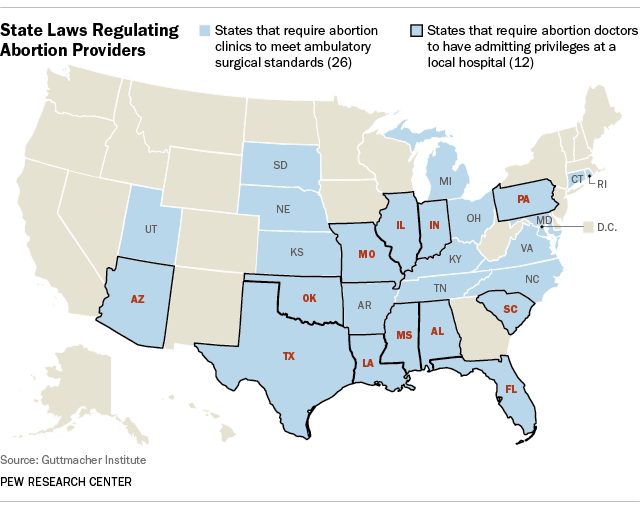
Following the Supreme Court’s decision in Dobbs v. Jackson Women’s Health Organization, which eliminated the constitutional right to abortion, Texas rapidly implemented a near-total ban. This immediate shift was largely due to a “trigger law” that had been enacted in anticipation of Roe v. Wade‘s reversal. The profound legal change meant that the state’s previous, less restrictive laws were superseded, ushering in an era of stringent prohibitions on abortion access. This drastic change has significant implications not just for healthcare providers and patients within the state, but also for those who find themselves needing to navigate the complex intersection of personal health decisions and interstate travel. Understanding the nuances of this legal environment is the first step for anyone considering their options.
Key Provisions of Texas Law (S.B. 8 and Enforcement)
The primary legislation governing abortion in Texas is Senate Bill 8 (S.B. 8), also known as the “Heartbeat Act,” which effectively bans abortion after embryonic or fetal cardiac activity is detected, typically around six weeks of pregnancy. This timeframe is often before many individuals even realize they are pregnant, making the law exceptionally restrictive.
Crucially, S.B. 8 stands out for its unique enforcement mechanism. Unlike traditional laws enforced by state officials, S.B. 8 relies on private citizens to sue anyone who “aids or abets” an abortion. This “bounty hunter” provision allows individuals to sue abortion providers or anyone who helps someone obtain an abortion, with successful plaintiffs eligible for at least $10,000 in damages. This civil enforcement mechanism has created a chilling effect on abortion providers and support networks within Texas.
The law offers extremely limited exceptions, primarily to save the life of the pregnant individual in a medical emergency. There are no exceptions for cases of rape or incest, a provision that has drawn significant criticism and concern. Physicians who perform abortions outside of these narrow exceptions face severe penalties, including potential life in prison and fines exceeding $100,000. This punitive environment means that healthcare providers in Texas operate under immense legal scrutiny and fear of prosecution, further limiting the availability of care. This stringent legal framework has inevitably led many Texas residents to look beyond their state borders when faced with these difficult healthcare decisions, highlighting the growing importance of travel logistics in accessing essential services.
Navigating Healthcare Decisions: The Travel Imperative
Given the near-total ban in Texas, many residents who require abortion services are faced with the difficult reality of needing to travel out of state. This necessity introduces a layer of complexity that transforms a personal healthcare decision into a significant travel undertaking, complete with logistical, financial, and emotional considerations.
The Necessity of Out-of-State Travel
For many Texas residents, traveling out of state is not merely an option but a necessity to access legal abortion care. The journey often involves significant distances, crossing state lines into jurisdictions where abortion remains legal and accessible. This imperative has sparked a notable increase in travel from Texas to neighboring states and beyond, creating what some describe as a “medical travel corridor.” The federal government has clarified that interstate travel for abortion services remains protected, offering a crucial legal safeguard for individuals making these journeys. This protection, however, does not alleviate the practical challenges associated with such travel, which extend to planning, budgeting, and securing appropriate accommodations. Understanding this legal protection is vital, yet the focus for travelers must shift to the practicalities of the journey itself.
Planning Your Journey: Essential Considerations
Undertaking travel for healthcare, especially for sensitive medical procedures, requires careful and discreet planning. This is not a leisure trip, but a purposeful journey demanding attention to detail regarding destinations, timing, and resources.
Firstly, individuals must identify states where abortion is legal and accessible, considering factors such as gestational limits, waiting periods, and the availability of appointments at clinics. Popular destinations for Texas residents include New Mexico, Colorado, and Kansas, but also states further afield like California or Illinois for those seeking more robust protections or specific services. Researching clinics, understanding their requirements, and booking appointments in advance are paramount.
Secondly, logistical planning involves transportation. Depending on the distance, this could mean driving for several hours or even days, or booking flights. For those opting for a road trip, mapping out the route, estimating fuel costs, and considering rest stops are crucial. If flying, securing tickets well in advance can help manage costs and ensure availability, particularly for discreet travel. Airports in major Texas cities like Houston, Dallas, and Austin serve as common departure points.
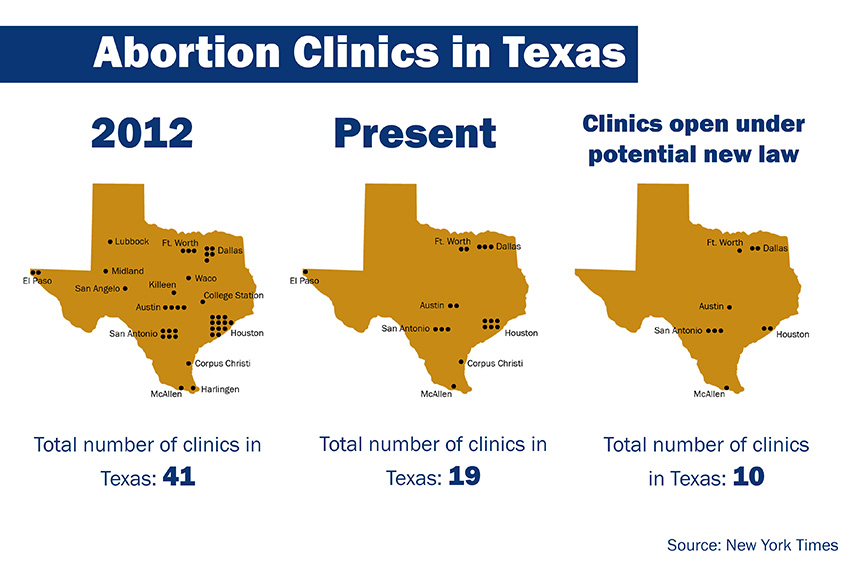
Thirdly, financial planning is a major concern. The costs associated with out-of-state abortion care extend beyond the procedure itself to include travel expenses, accommodation, food, and potential time off from work. Many organizations offer financial assistance for these journeys, and researching these resources can be a vital part of the planning process. Lifestyle choices like budgeting for affordable travel and accommodation become critically important in these circumstances. This multifaceted planning ensures that the journey is as smooth and stress-free as possible under challenging circumstances.
Destinations for Out-of-State Care
When Texas residents seek abortion care, the decision of where to travel often hinges on proximity, legal protections, and the availability of services. A few states have emerged as primary destinations due to their accessible healthcare laws and geographical location relative to Texas.
Neighboring States and Their Protections
New Mexico: This state has become a primary destination due to its direct border with Texas and its strong legal protections for abortion access. New Mexico has some of the most liberal abortion laws in the United States, with no gestational limits for abortion care. Cities like Albuquerque and Santa Fe are common destinations, easily reachable by car from western Texas and within reasonable flying distance from other parts of the state. Travelers heading to New Mexico might appreciate the unique cultural blend and stunning natural landscapes, though their focus remains on healthcare.
Colorado: While not directly bordering Texas, Colorado is another popular choice. It has enshrined the right to abortion in state law, offering robust protection regardless of gestational age. Denver, the capital, is a major hub with numerous clinics and a diverse range of accommodation options. The journey to Colorado typically involves a longer drive or a flight, with major airports connecting Denver to Texas’s metropolitan centers. For those who travel, the mountainous scenery and vibrant city life of Denver offer a stark contrast to the flat plains of much of Texas.

Kansas: Despite its conservative reputation, Kansas has surprised many by maintaining abortion access, largely due to a state supreme court ruling in 2019 that found a right to abortion under the state constitution. Voters also overwhelmingly rejected a ballot measure that would have removed these protections. Kansas City, particularly the Missouri side (where many clinics are located), is a feasible option for northern Texas residents. This journey might involve an overnight stay, making comfortable and discreet accommodation a priority.
These states represent critical safe havens, providing essential services that are unavailable in Texas. Each offers a distinct travel experience, from the desert hues of New Mexico to the Rocky Mountains of Colorado and the heartland charm of Kansas, though the underlying purpose of travel remains serious.
Beyond the Immediate Border: Exploring Further Options
While neighboring states are often the first choice due to proximity, some individuals may need or prefer to travel further afield for various reasons, including specific service availability, privacy concerns, or longer gestational limits.
California: As a state with some of the strongest abortion protections in the nation, California has positioned itself as a “sanctuary state” for reproductive healthcare. Major cities like Los Angeles, San Francisco, and San Diego offer a wide array of clinics and medical facilities. Travel to California from Texas almost always requires air travel, involving flights from Texas’s major airports directly to California’s bustling hubs. For travelers, California offers diverse landscapes, from coastal beauty to vibrant urban centers, along with a multitude of accommodation options, from luxury resorts to budget-friendly hotels and vacation rentals.
Illinois: Located in the Midwest, Illinois is another state that has codified abortion rights into law, making it a reliable destination. Chicago, the state’s largest city, is a major medical and travel hub. Flights from Texas to Chicago are frequent, making it an accessible option despite the greater distance. Chicago is renowned for its architecture, world-class museums, and diverse culinary scene, offering a potentially more comforting environment for those undergoing a difficult journey. Accommodation options in Chicago range from iconic hotels in the Loop to more private apartment rentals, catering to various budgets and preferences for discreet travel.
While these further destinations require more extensive travel planning and increased costs, they provide crucial options for individuals seeking care that aligns with their specific needs or preferences. The decision to travel further is a deeply personal one, weighing the logistical challenges against the peace of mind offered by more robust legal protections and service availability.
Travel Logistics and Accommodation for Sensitive Journeys
The act of traveling for medical care, particularly for sensitive procedures, necessitates careful attention to travel logistics and accommodation. For individuals traveling from Texas to other states for abortion services, securing comfortable, discreet, and affordable lodging is paramount, as is efficient transportation.
Securing Comfortable and Discreet Accommodation
Choosing the right accommodation is a critical part of planning a sensitive medical journey. The primary goal is to find a place that offers privacy, comfort, and peace of mind. While luxury resorts and amenity-rich hotels are often associated with leisure travel, for medical travel, the focus shifts to practicality and discretion.
- Hotels near clinics or transportation hubs: Opting for a hotel within close proximity to the medical facility reduces travel time and stress. Many clinics are located in urban centers, where a wide range of hotel options, from budget-friendly chains to more upscale boutique hotels, are available. Checking reviews for quietness and ease of access to public transport or ride-sharing services can be beneficial.
- Extended Stay Suites or Apartments: For journeys that require multiple days or recovery time, extended stay hotels or serviced apartments can be an excellent choice. These typically offer kitchenettes, providing the ability to prepare simple meals and maintain a sense of normalcy, which can be particularly comforting during a stressful time. Websites like lifeoutofthebox.com often feature guides to finding such accommodation types in various cities, highlighting amenities like Wi-Fi, laundry facilities, and private entrances.
- Booking Tips for Discretion: When booking, consider using online travel agencies or hotel websites directly. Some travelers prefer to book under a single individual’s name if traveling with a companion, or to use generic loyalty programs to avoid flagging specific travel patterns. Opting for hotels with 24-hour front desks and minimal interaction requirements can also contribute to a smoother, more discreet experience.
Regardless of the choice, the goal is to create a temporary home base that supports rest and recovery, away from the stresses of the journey and the medical procedure itself. Focusing on comfort, privacy, and convenience can significantly ease the overall experience.
Navigating Transportation and Travel Costs
Efficient and cost-effective transportation is another crucial element of out-of-state medical travel. The choice between driving, flying, or using public transportation will depend on distance, budget, and personal preference.
- Road Trips from Texas: For destinations like New Mexico or Kansas, driving is often the most common and flexible option. This allows for personal control over the schedule, privacy, and the ability to pack personal items without airline restrictions. Budgeting for fuel, potential overnight stops, and vehicle maintenance is essential. Mapping out the route using online guides can help identify the most direct and safest paths.
- Air Travel for Longer Distances: For states like Colorado, California, or Illinois, flying is usually more practical. Flights from major Texas airports in Houston, Dallas, Austin, and San Antonio connect directly to major hubs like Denver International Airport, Los Angeles International Airport, or Chicago O’Hare International Airport. Booking tickets in advance and considering budget airlines can help manage costs. Once at the destination, travelers should plan for ground transportation, whether through pre-booked ride services, taxis, or public transit, depending on the city.
- Budgeting for the Entire Journey: Beyond the cost of the medical procedure, travel expenses can be substantial. This includes not just transportation and accommodation, but also food, potential childcare costs, and lost wages from time off work. Many non-profit organizations and abortion funds exist to provide financial assistance to individuals traveling for care. Researching these resources is a vital step in easing the financial burden and making such necessary travel feasible. Considerations for budget travel, finding deals on flights and hotels, and planning meals carefully can make a significant difference in the overall financial impact.
Navigating these logistical challenges effectively ensures that individuals can access the care they need with as little additional stress as possible. It underscores how critical robust travel planning, often associated with leisure or business, becomes in the context of essential healthcare.
Understanding the Broader National Context and Future Outlook
The situation in Texas is part of a larger national landscape where abortion legality varies dramatically from state to state. This patchwork of laws creates a complex environment for individuals seeking care and shapes the future outlook for reproductive rights across the United States.
A Patchwork of Laws Across the United States
Following the Dobbs decision, the United States has become a nation divided on abortion access. Some states, like Texas, have implemented near-total bans, with very limited exceptions. These “ban states” often have trigger laws or have passed new restrictive legislation. On the other hand, many states, particularly on the coasts and in the Northeast, have taken steps to protect or even expand abortion access, enshrining these rights in their state constitutions or statutes. These “safe haven” states include California, Illinois, New Mexico, Colorado, New York, and Washington, among others.
This stark contrast means that a person’s access to abortion care is largely determined by their geographical location. For those living in ban states, the only legal option is often to travel to a state where abortion is protected. This geographical disparity has intensified the focus on interstate travel as a means of accessing healthcare, transforming what used to be a local issue into a national travel concern. The implications for tourism and accommodation in “safe haven” states are also notable, as clinics in these areas see increased demand, and related travel services adapt to serve these specific needs.
Ongoing Legal Battles and the Path Forward
The legal status of abortion in Texas and across the nation remains subject to ongoing legal challenges and political shifts. In Texas, for instance, there have been legal battles concerning the scope of the “medical emergency” exception, with plaintiffs in cases like Zurawski v. Texas seeking clarification and expansion of these narrow provisions. While an appellate court temporarily blocked a ruling that would have allowed abortions in certain medical cases, the Texas Supreme Court ultimately maintained the ban, pending a final decision. These legal skirmishes underscore the dynamic and uncertain nature of abortion law.
Looking ahead, continued legal challenges are expected at both state and federal levels. Future elections will also significantly impact the legislative and judicial landscape, potentially leading to further restrictions or, conversely, attempts to restore or expand access. While federal legislation to protect abortion access nationwide is often discussed, its passage remains unlikely given the current political climate.
For travelers, the evolving legal landscape means that information and planning are more critical than ever. Staying informed about the latest legal developments in both their home state and potential destination states is essential. The journey for abortion care is not just a physical one across state lines, but also a constant navigation of a shifting legal and political terrain. The interconnectedness of healthcare access with travel, accommodation, and the broader lifestyle choices of individuals highlights a profound shift in the American experience, underscoring the vital role of resources that facilitate well-informed and practical travel decisions.
LifeOutOfTheBox is a participant in the Amazon Services LLC Associates Program, an affiliate advertising program designed to provide a means for sites to earn advertising fees by advertising and linking to Amazon.com. Amazon, the Amazon logo, AmazonSupply, and the AmazonSupply logo are trademarks of Amazon.com, Inc. or its affiliates. As an Amazon Associate we earn affiliate commissions from qualifying purchases.