
The allure of a Hawaiian sunset is legendary, a spectacle of nature that draws millions of visitors to its shores each year. Beyond being a simple daily occurrence, it’s an integral part of the Polynesian experience, blending vibrant hues with the tranquil rhythm of the Pacific Ocean. For anyone planning a trip to this island paradise, understanding “What Time Is Hawaii Sunset?” is key to unlocking some of the most memorable moments of their travel itinerary. This guide dives deep into everything you need to know about experiencing the magic of sunset in Hawaii, from exact timings to the best viewing spots and how to enhance your overall visit.
The Enchantment of a Hawaiian Sunset
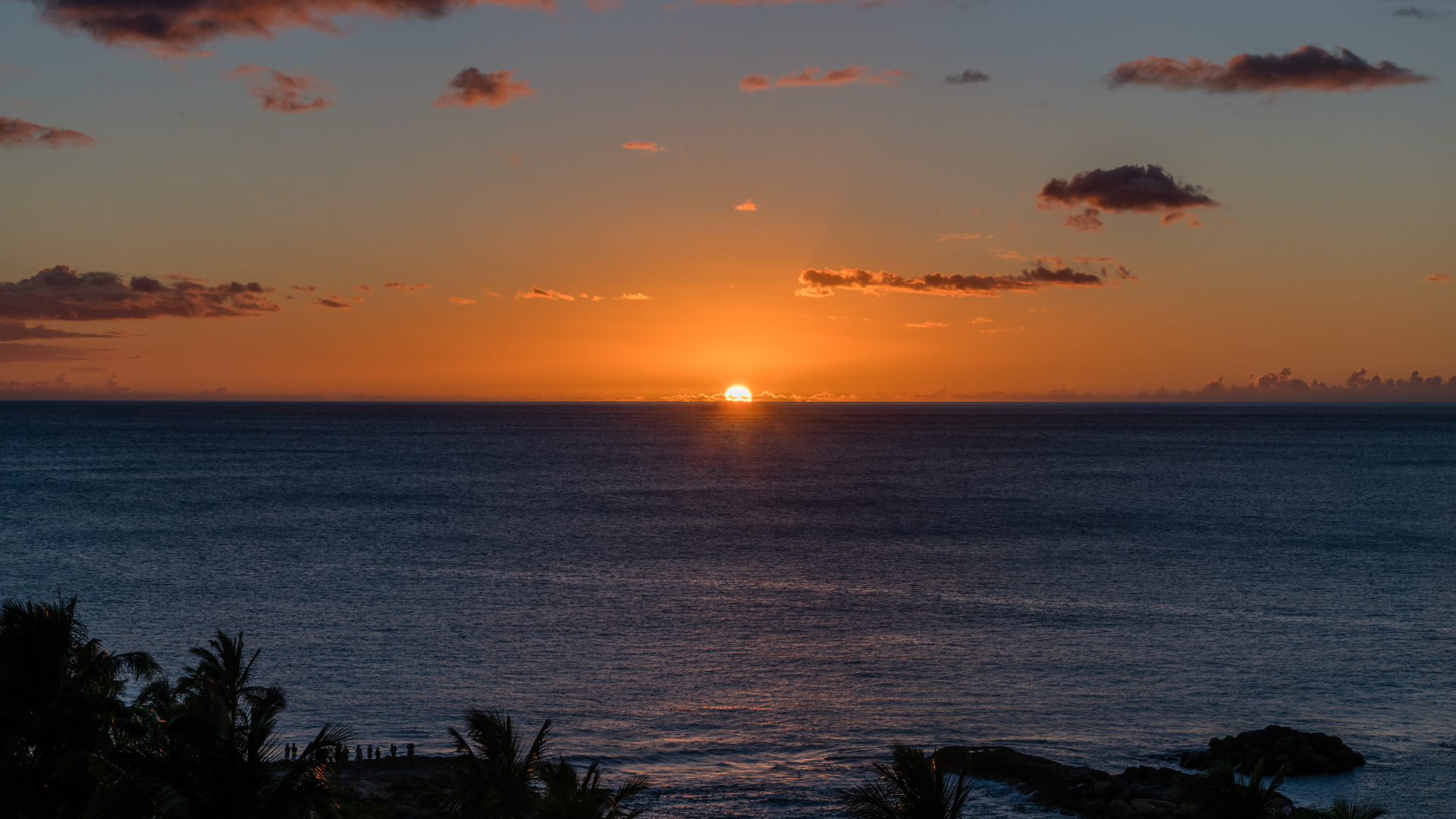
There’s something inherently magical about a Hawaiian sunset. It’s more than just the sun dipping below the horizon; it’s a sensory symphony. The sky erupts in a canvas of fiery oranges, deep purples, soft pinks, and brilliant reds, often reflecting off the calm waters, creating a mirror image of celestial beauty. The air cools, the gentle trade winds whisper through palm trees, and the distant sound of crashing waves provides a soothing soundtrack. This daily ritual offers a moment of profound peace and connection, whether you’re on a romantic getaway, a family vacation, or a solo adventure.
The geographical position of the United States’ southernmost state, relatively close to the equator, contributes to the distinct quality of its sunsets. Unlike higher latitudes where sunsets can linger, Hawaiian sunsets are often swift and dramatic, with the light fading quickly once the sun has disappeared. This means every second counts, urging viewers to be present and fully immerse themselves in the unfolding grandeur. It’s a cherished daily event that exemplifies the ” Aloha spirit” – a sense of harmony, peace, and mutual respect, best shared with loved ones.
Decoding Sunset Times in Hawaii
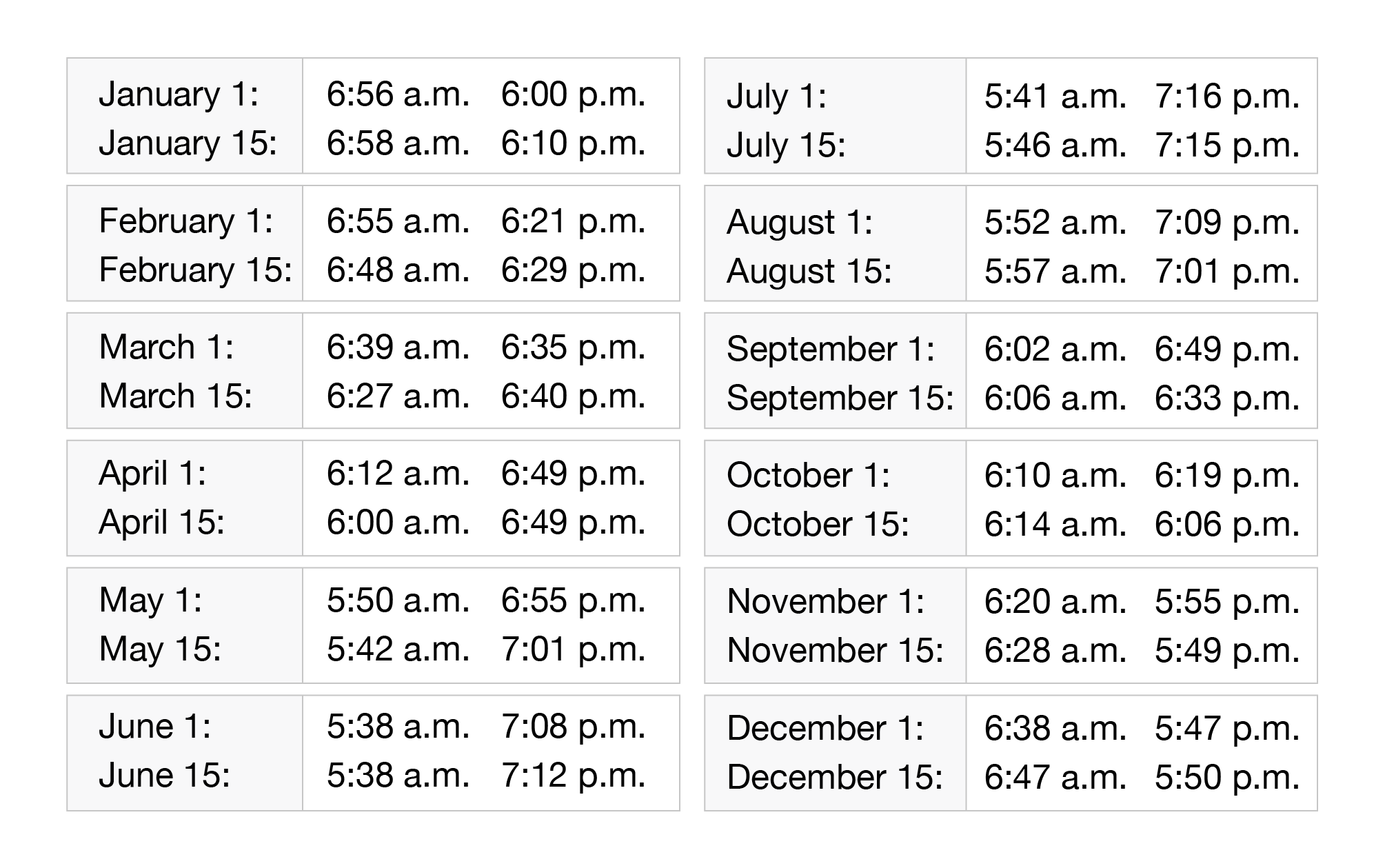
Pinpointing the exact moment of sunset in Hawaii isn’t as simple as picking a single time. Several factors influence when the sun bids adieu each day, primarily the time of year and your specific location within the Hawaiian archipelago. Generally speaking, sunsets in Hawaii occur earlier than on the mainland United States due to its western longitude and close proximity to the equator.
Hawaii does not observe Daylight Saving Time, so its time zone, Hawaii Standard Time (HST), remains consistent year-round. This simplifies planning somewhat, but seasonal changes in daylight hours still mean significant variations.
Seasonal Variations:
- Winter Months (November – February): Sunsets tend to be earlier, typically between 5:30 PM and 6:30 PM. The shortest daylight hours are in December, so expect the sun to dip even earlier, around 5:45 PM.
- Spring Months (March – May): As the Northern Hemisphere tilts towards the sun, sunsets gradually get later, ranging from 6:30 PM to 7:00 PM.
- Summer Months (June – August): These months offer the latest sunsets, often between 7:00 PM and 7:30 PM, with the longest daylight hours occurring in June and July.
- Autumn Months (September – October): Sunset times begin to recede, moving from around 6:45 PM down to 6:00 PM by the end of October.
Island-Specific Differences:
While the general timeframe holds true across the islands, there are slight variations. Islands further west, like Kauai, will experience sunset a few minutes later than those further east, such as the Big Island (officially called Hawaii Island). For instance, a sunset on Oahu might be at 6:30 PM, while on Kauai it could be 6:35 PM, and on Maui 6:28 PM. These differences are minimal but can be notable for photographers seeking the perfect light.
To get the most accurate, real-time sunset information for your specific day and location, it’s always best to consult local weather apps, reputable weather websites, or your hotel concierge. These resources can provide precise times down to the minute, allowing you to plan your evening perfectly.
Prime Locations for Sunset Spectacles
Hawaii is blessed with countless incredible spots to watch the sunset, each offering a distinct ambiance and visual feast. Whether you prefer the lively energy of a popular beach, the serenity of a remote lookout, or the luxurious comfort of a resort, there’s a perfect spot waiting for you.
Oahu’s Iconic Views
The bustling island of Oahu offers a mix of urban backdrops and pristine natural settings for sunset viewing.
- Waikiki Beach: Perhaps the most famous spot, Waikiki Beach in Honolulu provides a vibrant setting. Watch the sun dip below the horizon, often silhouetting surfers, outrigger canoes, and distant sailboats. The atmosphere is electric, with street performers, beachfront dining, and the iconic Diamond Head Lookout standing sentinel.
- Sunset Beach: On Oahu’s North Shore, this legendary surf spot lives up to its name. While known for its massive winter waves, it offers breathtaking, unobstructed views of the setting sun over the Pacific Ocean year-round. It’s a more laid-back, natural experience compared to Waikiki.
- Tantalus Lookout: For panoramic views of Honolulu, Diamond Head, and the coastline, head to the Puu Ualakaa State Park, often referred to as Tantalus Lookout. While the sun sets behind you, the changing colors reflecting on the city and ocean below are spectacular.
Maui’s Serene Settings
Maui, the “Valley Isle,” is renowned for its romantic sunsets and diverse landscapes.
- Ka’anapali Beach: This stunning stretch of sand, lined with world-class resorts, is a classic choice. Beyond the sun’s descent, don’t miss the daily cliff diving ceremony at Black Rock (Pu’u Keka’a), where a diver lights torches and leaps into the ocean, a dramatic end to the day. The entire Kaanapali Resort area is designed to maximize sunset views.
- Haleakala National Park: For a truly unique and often chilly sunset experience, ascend to the summit of Haleakala volcano. Watching the sun set from above the clouds, with panoramic views spanning the entire island and beyond, is an ethereal experience. Reservations are required for sunrise, but not typically for sunset, though it’s wise to check the National Park Service website.
- Wailea: The upscale resort area of Wailea on Maui’s south shore offers luxurious beachfront access and exquisite dining experiences, often accompanied by live music, making for a sophisticated sunset viewing.
Big Island’s Volcanic Drama
The Big Island offers a dramatic contrast of black sand beaches, lush rainforests, and volcanic landscapes.
- Kona Coast: The west side of the Big Island, particularly around Kailua-Kona, is famous for its calm waters and fiery sunsets. Beachfront restaurants and lively bars along Ali’i Drive offer prime vantage points.
- Mauna Kea Summit: Similar to Haleakala, the summit of Mauna Kea offers an unparalleled celestial show. While sunset itself is spectacular above the clouds, the subsequent stargazing at one of the world’s premier astronomical sites is an absolute must-do. Be prepared for cold temperatures.
Kauai’s Lush Landscapes
Kauai, the “Garden Isle,” provides a backdrop of verdant cliffs and pristine beaches.
- Poipu Beach: On the sunny south shore of Kauai, Poipu Beach is a family-friendly spot known for its golden sands and consistent surf. It offers beautiful sunset views, often with Hawaiian Monk Seals basking on the sand nearby.
- Napali Coast: While best experienced from a boat tour, witnessing the sunset illuminate the majestic, emerald cliffs of the Napali Coast is an unforgettable sight. The dramatic topography catches the last rays of sun, creating a stunning glow. Many catamaran tours specifically time their excursions for this moment.
- Hanalei Bay: On Kauai’s north shore, Hanalei Bay offers a picturesque setting with mountains, waterfalls, and a charming pier. The sunsets here, especially when the clouds are just right, can be incredibly vibrant and romantic.
Enhancing Your Sunset Experience
Watching the sunset in Hawaii is an experience in itself, but there are countless ways to elevate it, turning a simple moment into a cherished memory.
Activities & Tours
- Sunset Cruises: A classic choice, sunset catamaran or dinner cruises offer unobstructed ocean views, often accompanied by cocktails, delicious meals, and live music. Many depart from harbors in Lahaina, Honolulu, and Kailua-Kona.
- Luau Experiences: Immerse yourself in Hawaiian culture with a traditional luau. These festive gatherings typically include an authentic feast, hula dancing, and storytelling, often culminating with the sunset as a stunning natural backdrop. Many resorts offer their own luaus, such as the famous Old Lahaina Luau on Maui or the Paradise Cove Luau on Oahu.
- Beach Picnics: For a more intimate experience, pack a gourmet picnic basket with local delicacies, find a secluded spot on the beach, and enjoy the show. Many local delis and markets offer pre-made picnic options.
- Photography Workshops: If you’re a keen photographer, consider joining a specialized sunset photography tour or workshop. Local experts can guide you to the best vantage points and offer tips on capturing the perfect shot.
Dining with a View
Hawaii boasts an array of restaurants and bars that capitalize on its stunning natural beauty, offering exquisite dining experiences paired with unparalleled sunset views.
- Beachfront Restaurants: From casual eateries to fine dining establishments, many restaurants situated directly on the beach or with oceanfront terraces offer spectacular sunset views. Make reservations in advance, especially for tables near the railing during peak season.
- Rooftop Bars: In cities like Honolulu, chic rooftop bars provide a sophisticated setting to sip cocktails as the city lights begin to twinkle against the fading sky.
- Private Dining: For ultimate romance, some luxury resorts offer private, candlelit dinners on the beach or on a secluded lanai, tailored to your preferences, with the sunset as your exclusive backdrop.
Accommodation with a Sunset Advantage
Choosing the right accommodation can significantly enhance your sunset experience. Many hotels and resorts are strategically designed to maximize ocean and sunset views.
- Resorts with Ocean-Facing Rooms: Properties like The Royal Hawaiian in Waikiki, the Grand Wailea, A Waldorf Astoria Resort on Maui, or the Four Seasons Resort Hualalai on the Big Island offer rooms and suites with private lanais that face west, guaranteeing a front-row seat to nature’s evening show.
- Villas and Apartments: For longer stays or group travel, consider booking a private villa or apartment, such as those found through Hawaii Sunset Villas. Many come with expansive balconies or private pools that offer stunning, uninterrupted views. This option provides a more private and personalized sunset experience.
- Boutique Hotels: Smaller, boutique properties like Hotel La Croix Waikiki often feature unique architectural designs or common areas (like a rooftop deck) specifically crafted for enjoying sunset. When booking, always specify your preference for an ocean-view room and inquire about the direction it faces to ensure a sunset perspective.
Practical Tips for Your Hawaiian Sunset Journey
To make the most of your Hawaiian sunset experience, a little planning goes a long way.
- Arrive Early: The “golden hour” leading up to sunset offers some of the most beautiful light for photography and simply enjoying the ambiance. Arriving 30-45 minutes before the official sunset time allows you to find parking, secure a good spot, and soak in the pre-show colors.
- Check Weather Forecasts: While Hawaii is famous for its sunny weather, clouds can sometimes obscure the view. A quick check of the local forecast can help you choose the best evening for your sunset outing. However, even partly cloudy skies can create dramatic, colorful displays as the sun’s rays interact with the clouds.
- Bring Essentials: Depending on your chosen location, you might want to bring a light jacket or wrap (especially at higher elevations like Haleakala or Mauna Kea), bug spray (especially if near lush vegetation), a camera and tripod, and perhaps a beach blanket or chairs.
- Respect Local Customs and Nature: When visiting any natural site, always practice responsible tourism. Stay on marked paths, do not disturb wildlife (like Hawaiian Monk Seals or sea turtles), and pack out everything you pack in. The beauty of Hawaii depends on everyone’s stewardship.
- Consider Less-Crowded Spots: While iconic locations are popular for a reason, exploring a lesser-known beach or viewpoint can offer a more intimate experience. Ask locals for their favorite hidden gems.
- Post-Sunset Activities: The magic doesn’t end when the sun disappears. The twilight period, known as the “blue hour,” can be equally stunning. On clear nights, Hawaii’s dark skies offer incredible stargazing opportunities, especially away from city lights. Many towns also have night markets or evening strolls that become even more enchanting after sunset.
From the vibrant energy of Oahu to the tranquil beauty of Kauai, the romantic allure of Maui, and the dramatic landscapes of the Big Island, every Hawaiian island offers a unique perspective on this daily masterpiece. By understanding the timing, choosing the perfect spot, and embracing the local Aloha spirit, you’re not just watching the sunset; you’re living a quintessential Hawaiian experience. So, check the local sunset time, grab your camera, and prepare to be mesmerized by one of nature’s most spectacular daily performances.
