
For travelers embarking on an unforgettable journey to the breathtaking islands of Hawaii, particularly the lush paradise of Kauai, understanding the local time isn’t just a matter of setting your watch; it’s a fundamental aspect of planning, experiencing, and truly embracing the rhythm of island life. Hawaii operates on a distinct time zone that sets it apart from much of the rest of the world, offering both unique challenges and unparalleled opportunities for those who master its nuances.
The question “What time is it in Hawaii Kauai?” is more than a simple inquiry; it’s the gateway to understanding how to best enjoy your travel experience, mitigate jet lag, and synchronize your activities with the tranquil pace of the Aloha State. From coordinating flights and hotel check-ins to planning sunrise hikes or sunset luaus, time becomes a crucial element of your Hawaii adventure. This guide delves deep into Hawaii Standard Time (HST), its global implications, and practical tips for making the most of every precious moment on the Garden Isle.
Understanding Hawaii Standard Time (HST)
At the heart of Hawaii’s temporal identity lies Hawaii Standard Time (HST). This unique time zone governs all the Hawaiian Islands, including Kauai, Oahu, Maui, and the Big Island of Hawaii. It is an immutable constant, a steady pulse that defines the day-to-day existence across the archipelago.
The Core of Hawaii’s Time Zone
Hawaii Standard Time is precisely 10 hours behind Coordinated Universal Time (UTC). This means it is designated as UTC-10:00. This fixed offset provides a consistent reference point, regardless of the season, making it easier to calculate the time difference with other parts of the world once you understand the core principle.
For instance, if it’s noon (12:00 PM) in London, which observes Greenwich Mean Time (GMT) or UTC, then in Hawaii, it would be 2:00 AM the same day. This significant difference highlights the geographical isolation and unique positioning of the Hawaiian Islands in the central Pacific Ocean.
No Daylight Saving: A Year-Round Constant
One of the most significant characteristics of Hawaii Standard Time is its unwavering consistency: Hawaii does not observe Daylight Saving Time. While many regions globally, particularly across the United States and Europe, adjust their clocks forward in spring and back in autumn, Hawaii remains steadfast. This means that for half the year, the time difference between Hawaii and areas observing Daylight Saving Time shifts by an hour.
This “no Daylight Saving Time” policy simplifies calculations for locals and provides a stable routine, but it requires an extra layer of awareness for visitors. For example, during the summer months, when most of the US Mainland is on Daylight Saving Time, the time difference with Hawaii will be one hour greater than during the winter. This seemingly small detail can significantly impact communication schedules with home, flight connections, and even the feeling of jet lag.
The Global Perspective: How HST Compares
Understanding Hawaii Standard Time in isolation is one thing, but truly appreciating its impact on your travel to Kauai requires comparing it to the time zones you’re departing from. The significant difference can feel like traveling to another dimension, impacting everything from your biological clock to your ability to communicate with loved ones.
West Coast, East Coast: Bridging the US Mainland Gap
For travelers from the US Mainland, the time difference with Hawaii can range from three to six hours, depending on their location and whether Daylight Saving Time is in effect.
-
Pacific Standard Time (PST) / Pacific Daylight Time (PDT):
- During standard time (winter), Hawaii is 2 hours behind PST. So, if it’s 12:00 PM in Los Angeles or San Francisco, it’s 10:00 AM in Hawaii.
- During Daylight Saving Time (summer), Hawaii is 3 hours behind PDT. So, if it’s 12:00 PM in California, it’s 9:00 AM in Hawaii.
-
Mountain Standard Time (MST) / Mountain Daylight Time (MDT):
- During standard time, Hawaii is 3 hours behind MST.
- During Daylight Saving Time, Hawaii is 4 hours behind MDT.
-
Central Standard Time (CST) / Central Daylight Time (CDT):
- During standard time, Hawaii is 4 hours behind CST.
- During Daylight Saving Time, Hawaii is 5 hours behind CDT.
-
Eastern Standard Time (EST) / Eastern Daylight Time (EDT):
- During standard time, Hawaii is 5 hours behind EST.
- During Daylight Saving Time, Hawaii is 6 hours behind EDT. So, if it’s 12:00 PM in New York City or Miami, it’s 6:00 AM in Hawaii.
This considerable shift, especially for those traveling from the East Coast, is a prime contributor to jet lag and underscores the importance of proper preparation for a seamless transition to island time.
Across the Pacific and Atlantic: Europe, Asia, and Beyond
For international travelers, the time difference can be even more pronounced, making Hawaii feel truly a world away.
- Europe: Most of Europe is 10 to 12 hours ahead of HST during their standard time and 11 to 13 hours ahead during their Daylight Saving Time (e.g., London is 10-11 hours ahead, Paris is 11-12 hours ahead). This means waking up in Kauai might mean your friends and family in Europe are already winding down their day.
- Asia: Countries in East Asia like Japan and South Korea are typically 19 hours ahead of HST (e.g., Tokyo is 19 hours ahead, meaning if it’s 10:00 AM Monday in Hawaii, it’s 5:00 AM Tuesday in Tokyo). This is due to crossing the International Date Line.
- Australia and New Zealand: These nations are also significantly ahead, often 20 to 22 hours ahead of Hawaii, depending on their specific time zones and Daylight Saving Time observance. For example, Sydney during its summer Daylight Saving Time could be 21 hours ahead.
These vast time differences emphasize the need for diligent planning, particularly for those with business commitments or family who require consistent communication across continents. World clock applications on smartphones become invaluable tools for such international travelers.
Time Travel: Managing Your Arrival on Kauai
The journey to Kauai often involves significant time zone shifts, which can lead to the unwelcome guest known as jet lag. However, with proactive strategies and a mindful approach, you can minimize its effects and swiftly adapt to the island’s serene pace, ensuring your accommodation experience is restful and your travel seamless.
Conquering Jet Lag: Tips for a Smooth Transition
Jet lag is a physiological condition resulting from alterations to the body’s circadian rhythms due to rapid long-distance trans-meridian travel. The symptoms can range from fatigue and insomnia to digestive issues and irritability. Here’s how to fight back:
- Adjust Before You Go: A few days before your trip, try to shift your sleep schedule closer to Hawaii Standard Time. Go to bed earlier and wake up earlier if traveling west, or vice versa if traveling east (though most travelers to Hawaii go west).
- Hydrate, Hydrate, Hydrate: Drink plenty of water before, during, and after your flight. Dehydration can exacerbate jet lag symptoms. Avoid excessive caffeine and alcohol, which can disrupt sleep patterns.
- Reset Your Clock Immediately: As soon as you board your flight to Lihue or even before, change your watch and phone to HST. Start thinking in local time right away.
- Embrace Sunlight: Upon arrival, expose yourself to natural light, especially in the mornings. Sunlight helps regulate your body’s natural clock. Spend time outdoors at Poipu Beach or walking along The Royal Coconut Coast.
- Stay Active (Gently): Light exercise, like a swim or a walk, can help alleviate fatigue and promote better sleep later.
- Prioritize Sleep: Resist the urge to nap for too long during the day. Go to bed at a reasonable local time, even if it feels unnaturally early to your body. Consider using an eye mask and earplugs to create a conducive sleep environment in your hotel or resort. Hotels like the Grand Hyatt Kauai Resort & Spa are designed for ultimate relaxation, so leverage those amenities.
- Eat Locally: Align your meal times with Kauai’s schedule. Eating at the appropriate local times helps reinforce your new circadian rhythm.
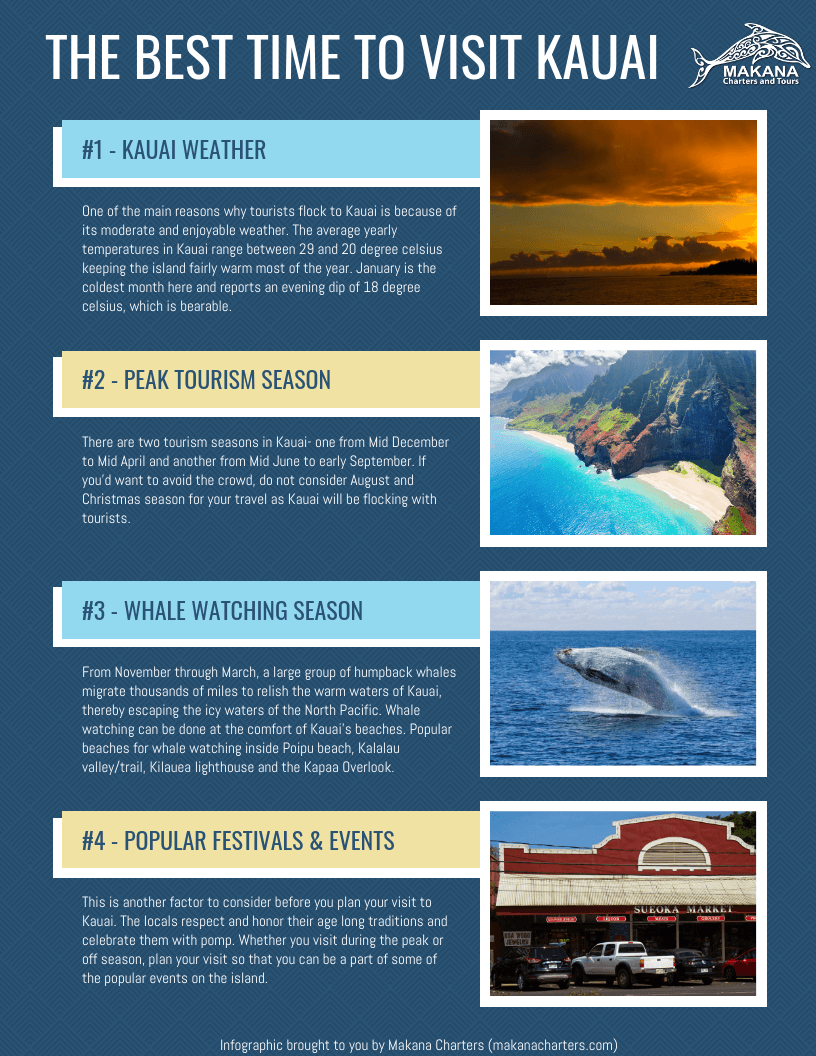
By consciously managing these factors, you can significantly reduce the impact of jet lag and ensure you’re refreshed and ready to explore the moment you land.
Synchronizing Your Schedule: Activities, Dining, and Relaxation
Once your internal clock begins to align with HST, you can fully immerse yourself in the planned activities without feeling perpetually out of sync.
- Booking Tours and Experiences: When reserving popular attractions like a Na Pali Coast boat tour, a helicopter ride over Waimea Canyon, or a spot at a traditional luau like Smith Family Garden Luau, remember that all times listed will be in HST. Factor in travel time from your accommodation and plan to arrive a bit early.
- Dining Reservations: Kauai boasts incredible dining experiences, from casual beachside cafes to upscale restaurants in Princeville or Kapaa. Making dinner reservations is common, especially for popular spots during peak season. Be mindful of early evening slots (5:00 PM or 6:00 PM) which might feel like a much later meal to your body, or later ones (8:00 PM) which could feel like bedtime.
- Embracing Flexibility: While planning is essential, the Aloha Spirit also encourages a degree of flexibility. Some of the best experiences on Kauai might be spontaneous. Allow room in your schedule for unhurried moments, like lingering over a local coffee or finding an unexpected lookout point.
Experiencing Kauai by the Clock: Maximizing Your Stay
Kauai’s natural beauty is timeless, but your experience of it can be significantly enhanced by understanding and working with the island’s daily rhythm. From the first blush of dawn to the deep hues of sunset, each part of the day offers distinct opportunities for exploration and relaxation.
Early Birds and Sunset Lovers: Embracing Kauai’s Rhythms
The relatively early sunrises and sunsets in Hawaii (due to its position near the equator and the UTC-10:00 offset) shape the ideal times for various activities.
-
Morning Magic: Many of Kauai’s most rewarding landmarks and natural attractions are best experienced in the early morning.
- Hiking: Trails like those in Koke’e State Park or the renowned Kalalau Trail (portions accessible for day hikes) are cooler and less crowded at dawn. You’ll also have better chances for clear views before afternoon clouds roll in.
- Sunrise Views: Catching the sunrise over the ocean is a quintessential Hawaiian experience. Head to the east shore, perhaps Kapaa Beach Park, for spectacular colors painting the sky.
- Surfing/Snorkeling: Early mornings often bring calmer waters and fewer people to popular surf spots or snorkeling areas.
-
Afternoon Adventures: The middle of the day is perfect for exploring towns like Lihue, visiting historical sites, or simply relaxing on the beach.
- Waimea Canyon State Park: While mornings offer dramatic views, the canyon remains majestic throughout the day. Plan for a drive and stops at various lookouts, marveling at the “Grand Canyon of the Pacific.”
- Waterfalls: Iconic Wailua Falls is easily accessible and picturesque at any time.
- Beach Time: The sun is high, and the ocean beckons. Spend your afternoon swimming, sunbathing, or building sandcastles at Hanalei Bay or Shipwreck Beach.
-
Sunset Serenity: As the day draws to a close, Kauai offers some of the most stunning sunsets anywhere in the world.
- West and South Shores: Head to the west or south side of the island, such as Poipu Beach, Salt Pond Beach Park, or Spouting Horn Park, to watch the sun dip below the horizon, painting the sky in fiery oranges, purples, and pinks.
- Sunset Dining: Many restaurants, particularly along the coast, offer prime seating for sunset views, transforming your meal into an unforgettable experience.
Planning Your Days: Iconic Sites and Hidden Gems
Leveraging your understanding of Hawaii Standard Time allows for optimized daily itineraries. Early risers can seize the quiet mornings for adventurous hikes or peaceful beach walks, while those who prefer a more relaxed pace can focus on mid-day exploration and stunning sunsets.
Consider structuring your days around specific regions to minimize driving time. For instance, dedicate a day to the North Shore, exploring Hanalei, Princeville, and the beginning of the Kalalau Trail. Another day could be dedicated to the South Shore, including Poipu and Old Koloa Town. The West Side calls for exploring Waimea Canyon and Koke’e State Park. This geographical and temporal planning is key to a fulfilling tourism experience.
Remember to factor in the specific operating hours of any museums, botanical gardens like Allerton Garden, or commercial attractions you wish to visit. While the natural world is always open, managed sites adhere to strict schedules in HST.
Staying Connected: Time Zones and Communication
In our increasingly interconnected world, maintaining communication with home, whether for family updates or professional responsibilities, is often a part of the travel experience. The significant time difference with Hawaii requires strategic planning to ensure seamless communication without disrupting your serene island lifestyle.
Keeping in Touch with Home
For most leisure travelers, the primary concern is communicating with family and friends. A general rule of thumb is to identify a “sweet spot” of overlapping hours.
-
For US Mainland travelers:
- West Coast: Early mornings in Hawaii (e.g., 7:00 AM HST) will correspond to mid-morning on the West Coast, offering a good window for calls or video chats.
- East Coast: The window is narrower. A late afternoon call in Hawaii (e.g., 4:00 PM HST) will be 10:00 PM on the East Coast, potentially suitable for quick updates but not lengthy conversations. Mornings in Hawaii will be very early for those on the East Coast, perhaps before they’ve even woken up.
-
International Travelers: Communication becomes even more challenging.
- Europe: A morning call in Hawaii might fall in Europe’s late evening, while a Hawaii evening call will be early morning the next day in Europe.
- Asia / Australia: Due to crossing the International Date Line, communication often involves jumping a full day. You might find it easier to send asynchronous messages (email, text) rather than rely on real-time calls.
Utilizing world clock features on your smartphone or dedicated apps can immensely simplify this. Clearly communicate your available times with those you wish to contact to avoid frustration and missed connections.
Business and Remote Work Considerations
For those integrating work with their Kauai vacation (a growing trend in the lifestyle of modern travel), the time difference can be either a hindrance or a strategic advantage.
- Early Starts for US Mainland Business Hours: If your work requires interaction with colleagues on the US Mainland, a very early start in Hawaii can align perfectly with their morning business hours. For example, starting your workday at 6:00 AM HST means you’re available for calls with West Coast colleagues starting at 9:00 AM PST or Noon EST. This allows you to complete your crucial work by early afternoon and still enjoy the rest of Kauai’s offerings.
- Late Evenings for International Collaboration: For those working with teams in Asia or Australia, late evenings in Hawaii might be the only viable overlap for real-time meetings.
- Leveraging Asynchronous Work: For tasks that don’t require immediate collaboration, the time difference can be an asset. You can work uninterrupted while others are asleep, sending updates that will be ready for them when they wake.
- Reliable Internet and Workspace: Ensure your chosen accommodation offers robust Wi-Fi and a comfortable workspace if you plan to work remotely. Many hotels and villas in Kauai cater to this need, providing business centers or well-equipped rooms.
In conclusion, knowing what time it is in Hawaii Kauai is far more than a trivial detail. It is the rhythmic pulse of your Hawaiian getaway, dictating everything from your body’s adaptation to the scheduling of your adventures. By understanding Hawaii Standard Time, preparing for jet lag, and strategically planning your days, you can ensure your visit to Kauai is not just a trip, but a perfectly timed symphony of relaxation, exploration, and unforgettable moments in paradise. Embrace the island time, and let Kauai’s magic unfold.
LifeOutOfTheBox is a participant in the Amazon Services LLC Associates Program, an affiliate advertising program designed to provide a means for sites to earn advertising fees by advertising and linking to Amazon.com. Amazon, the Amazon logo, AmazonSupply, and the AmazonSupply logo are trademarks of Amazon.com, Inc. or its affiliates. As an Amazon Associate we earn affiliate commissions from qualifying purchases.