
The question of “What time is check out at hotels?” is far more than a simple query about a specific hour. It’s a cornerstone of the entire hotel experience, impacting everything from your travel itinerary and last-minute sightseeing plans to the efficiency of hotel operations and the overall comfort of your stay. For any traveler, whether embarking on a luxury getaway, a bustling business trip, or a family adventure, understanding check-out times, policies, and available flexibilities is essential for a seamless departure. This comprehensive guide delves into the standard practices, the reasons behind them, and practical strategies to navigate check-out day like a seasoned globetrotter, ensuring your final moments at your accommodation are as relaxed and enjoyable as your arrival.
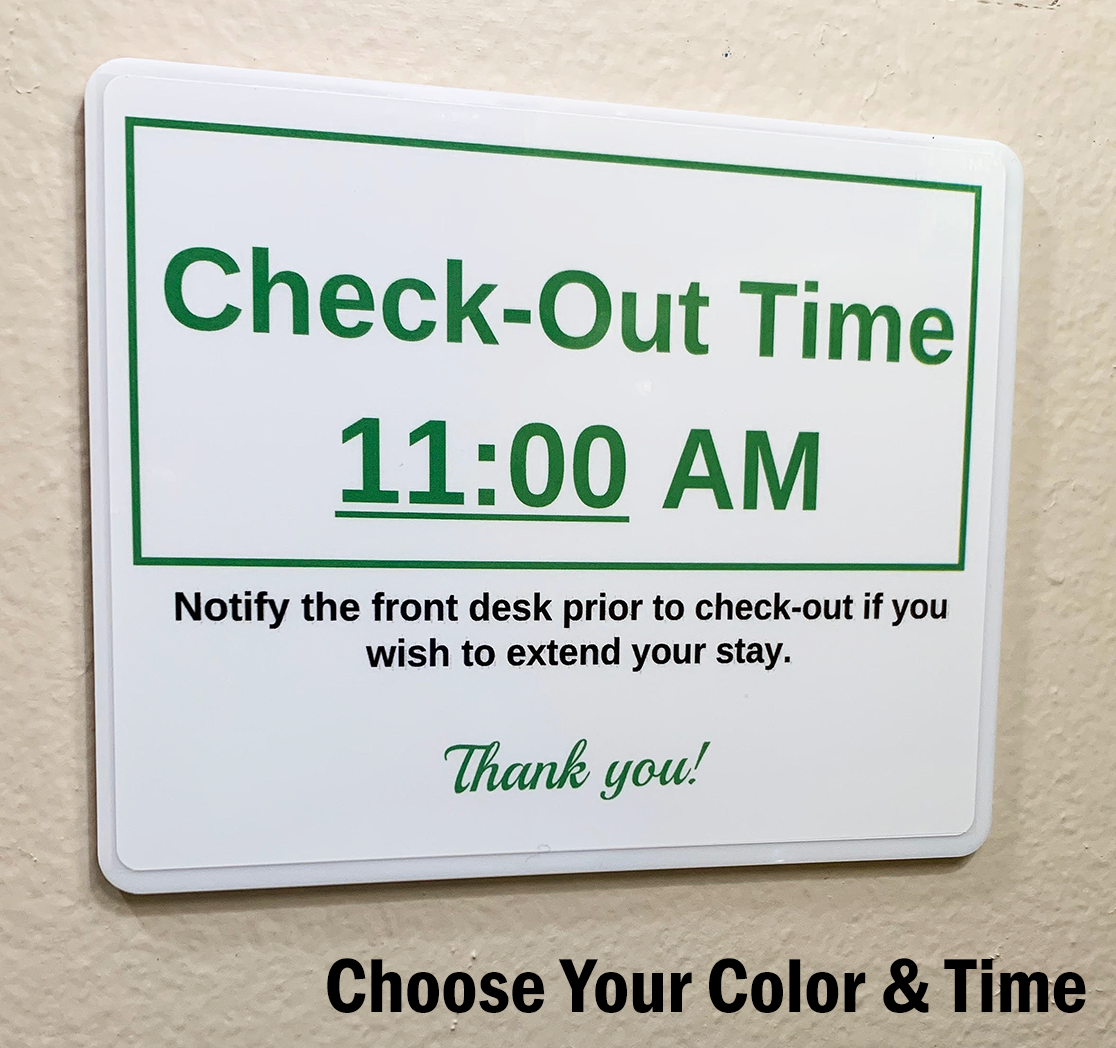
The Standard Check-Out Time: Why 11 AM or Noon?
Most travelers arriving at a hotel are familiar with the 3 PM or 4 PM check-in time. Consequently, it’s often surprising to find that standard check-out times typically fall much earlier, usually between 11 AM and 12 PM (noon). This isn’t an arbitrary decision designed to rush guests out the door, but rather a carefully orchestrated logistical necessity that underpins the smooth operation of any hospitality establishment, from a quaint boutique hotel in Paris to a sprawling resort in the Maldives.
Behind the Scenes: The Logistics of Hotel Operations
The seemingly short window between check-out and check-in is a hive of activity, a meticulously choreographed dance involving various departments. Once a guest departs, a cascade of tasks must be completed before the next guest can arrive. The most prominent of these is housekeeping. Each room requires thorough cleaning, sanitization, and restocking – a process that can take anywhere from 30 minutes to over an hour, depending on the room type, occupancy duration, and the extent of use.
Consider a large hotel like the Grand Hyatt Hotel in New York City. With hundreds of rooms, the housekeeping team operates under immense pressure to turn over rooms efficiently. Linens need to be changed and sent to laundry, bathrooms meticulously scrubbed, floors vacuumed, amenities replenished, and every surface disinfected. Furthermore, maintenance issues identified during cleaning must be addressed, and supervisors conduct inspections to ensure quality standards are met. This entire process is tightly scheduled to ensure that by the official check-in time, a sufficient number of clean, inspected rooms are available for incoming guests, minimizing wait times and ensuring a positive first impression. Without these dedicated hours, hotels would quickly fall behind, leading to disgruntled guests and operational chaos.

Impact on Guest Experience and Hotel Efficiency
The fixed check-out time also plays a crucial role in maintaining overall hotel efficiency and optimizing the guest experience for everyone. By having a predictable departure window, hotels can:
- Allocate Resources Effectively: Housekeeping staff, bellhops, and front desk personnel can be scheduled optimally, ensuring adequate coverage during peak check-out and check-in periods.
- Manage Room Inventory: Knowing which rooms will be vacant by a certain time allows the reservations team to accurately predict availability and assign rooms to arriving guests, including those who might have specific requests (e.g., a room with a view, adjoining rooms).
- Ensure Cleanliness Standards: The dedicated buffer time guarantees that every room can be brought back to immaculate condition, which is paramount for guest satisfaction and brand reputation. Imagine arriving at a hotel to find your room not yet cleaned from the previous guest – a scenario that early check-out times prevent.
- Maintain Flow for Amenities: While not directly tied to room turnover, a staggered check-out/check-in helps manage the flow of guests using hotel amenities like swimming pools, gyms, and restaurants, preventing overcrowding at specific times.
In essence, the standard check-out time is a delicate balance between accommodating guest needs and ensuring the operational viability of a hospitality business. It’s a system designed to keep the entire hotel ecosystem running smoothly, providing a consistent and high-quality experience for every visitor.
Navigating Check-Out Options: Early Departures and Late Stays
While the standard 11 AM or 12 PM check-out time serves a vital operational purpose, modern travel often demands flexibility. Whether you have a late flight, an afternoon meeting, or simply wish to enjoy a few more hours in your room, hotels frequently offer solutions. Understanding these options, from early departures to late check-out requests, can significantly enhance your travel experience and alleviate the stress of departure day.
Requesting Late Check-Out: Tips for Success
Securing a late check-out isn’t always guaranteed, but there are strategies to increase your chances. The key is to communicate proactively and understand the hotel’s situation.
- Request in Advance, but Confirm Closer to Departure: While you can mention your preference at the time of booking or check-in, the most effective time to request late check-out is often the morning of your departure or the evening before. At this point, the front desk will have a clearer picture of their occupancy for the following night and which rooms are not slated for immediate turnaround.
- Be Polite and Flexible: A polite request goes a long way. If your specific room isn’t available, the hotel might offer an alternative room or access to other facilities.
- Join Loyalty Programs: Guests who are members of a hotel loyalty program, especially those with elite status, often receive complimentary late check-out as a perk. For instance, members of Marriott Bonvoy or Hilton Honors may be granted late check-out based on availability or even guaranteed until a certain time, depending on their tier.
- Consider Your Room Type: If you’re staying in a standard room, your chances might be higher than if you’re in a specialized suite or a room category that is consistently in high demand.
- Avoid Peak Periods: During high-occupancy seasons, holidays, or major events in a city like London or Tokyo, late check-out is much less likely to be granted due to the tight turnover schedule.
Understanding Late Check-Out Fees and Policies
It’s important to be aware that late check-out often comes with a cost. Policies vary widely between different hotel brands, independent establishments, and even specific locations.
- Complimentary Extension (1-2 Hours): Many hotels will offer a complimentary one- or two-hour extension (e.g., until 1 PM or 2 PM) if their occupancy allows, especially for valued guests or if you simply ask nicely.
- Half-Day Rate: For extensions into the mid-afternoon (e.g., 3 PM or 4 PM), hotels might charge a half-day rate, which could be 30-50% of your nightly room rate. This is a common practice, as it covers the potential loss of revenue if the room cannot be sold to an early arriving guest.
- Full-Day Rate: If you require the room significantly past the standard check-out time, particularly into the evening, you might be charged for an entire additional night. This ensures the hotel is compensated for the lost opportunity to rent the room.
- Day Use Rooms: Some hotels, particularly near airports or in major business districts, offer “day use” rates. These are rooms booked specifically for a few hours during the day, ideal for long layovers or quick refresh before a flight, often at a reduced rate compared to an overnight stay.
Always clarify any potential fees with the front desk when requesting late check-out. Understanding their policy upfront will help you make an informed decision and avoid any surprises on your bill.
The Benefits of a Flexible Check-Out
The ability to secure a late check-out, whether paid or complimentary, offers numerous advantages, transforming your final hours at the hotel and in the destination.
- Stress Reduction: No more rushing to pack or feeling pressured to vacate your room by an early deadline. This added time allows for a more leisurely morning, perhaps a final hotel breakfast or a last dip in the pool.
- Enhanced Comfort: Having access to your room for an extra few hours means you can shower, change, or relax before heading to the airport or your next destination, especially beneficial after a long day of sightseeing or before a red-eye flight.
- Productivity for Business Travelers: For those on business trips, an extended check-out allows for a few more hours of work in a quiet environment, making conference calls, or catching up on emails before departure.
- Maximizing Exploration: An afternoon check-out frees up your morning to visit a nearby landmark, enjoy a local cafe, or do some last-minute souvenir shopping without the burden of luggage.
- Family Convenience: Traveling with children can be demanding. A late check-out provides crucial extra time for naps, feeds, and general relaxation, making the departure process much smoother for families.
Ultimately, flexibility around check-out times is a valuable amenity that can significantly elevate the guest experience, offering peace of mind and the opportunity to truly make the most of your final moments in a destination.
Maximizing Your Departure Day: Strategies for Travelers
The end of a trip doesn’t have to be a scramble. Even if a late check-out isn’t an option, clever planning can transform your departure day into an extension of your travel experience. From leveraging hotel amenities to exploring the local area unburdened by luggage, there are numerous strategies to ensure your final hours are productive and enjoyable.
Leveraging Hotel Amenities Post-Check-Out
Once you’ve surrendered your room key, your connection to the hotel isn’t necessarily severed. Many hotels, especially those catering to tourism or business travel, understand the needs of departing guests and offer invaluable services and facilities.
- Luggage Storage: This is perhaps the most common and beneficial service. Most hotels will happily store your luggage for several hours, or even the entire day, free of charge. This allows you to explore the city without dragging heavy bags around, making your final moments of sightseeing infinitely more pleasant. Imagine visiting the Eiffel Tower in Paris or the Colosseum in Rome with only a small daypack, rather than a suitcase.
- Access to Common Areas: Even after check-out, you can usually continue to use the hotel lobby, lounge areas, business center, or even the hotel restaurant and bar. These spaces provide comfortable spots to relax, catch up on emails, or enjoy a final meal or drink before heading to the airport.
- Fitness Centers and Spa Facilities: Depending on the hotel’s policy, you might still have access to the gym or pool facilities. Some resorts or luxury hotels even offer courtesy changing rooms or shower facilities for guests who have checked out but have late flights. Always inquire at the front desk.
- Concierge Services: The hotel concierge can still be a valuable resource for directions, transportation arrangements, restaurant recommendations, or last-minute activity bookings, even after you’ve checked out.
Exploring Local Landmarks and Attractions
With your bags safely stored, your departure day opens up a world of possibilities for further exploration. This is where the blend of travel, tourism, and accommodation truly shines.
- Visit Nearby Landmarks: Use your free morning or afternoon to revisit a favorite attraction or finally see that one landmark you didn’t have time for earlier. For instance, if you stayed near the British Museum in London, a final visit for a few hours is perfectly feasible.
- Immerse in Local Culture: Wander through a local market, discover a charming neighborhood, or simply sit at a cafe and observe daily life. This less-structured time can often lead to some of the most authentic and memorable cultural experiences.
- Enjoy a Farewell Meal: Seek out a local eatery for a final taste of the regional cuisine. This could be a bustling street food stall in Bangkok or a quaint bistro in Rome.
- Souvenir Shopping: This is the perfect time for last-minute souvenir shopping without the hassle of dragging your purchases back to your room.
Planning for Flights and Further Travel Arrangements
Beyond sightseeing, smart planning for your onward journey is crucial.
- Confirm Transportation: Reconfirm your airport transfer, taxi booking, or public transport routes and schedules well in advance. Traffic patterns can change, and being prepared is key.
- Check Flight Status: Always check your flight status before heading to the airport. Delays or gate changes can happen, and it’s better to be aware early.
- Allocate Ample Time: Give yourself plenty of buffer time, especially if you’re traveling during peak hours or to a busy airport like Heathrow or LAX. Unexpected queues at security or check-in can easily derail tight schedules.
- Consider Airport Amenities: If you have a long wait at the airport, look into lounges (if you have access), restaurants, or shops to pass the time comfortably. Some airports themselves are destinations, like Singapore Changi Airport with its gardens and cinema.
By proactively planning your departure day, you can extend the enjoyment of your trip and ensure a smooth, stress-free transition from your accommodation to your next destination.
Check-Out Considerations for Different Travel Lifestyles
The impact of check-out times and policies ripples differently across various traveler profiles. What might be a minor inconvenience for a solo business traveler could be a significant hurdle for a family with young children or a couple on a romantic getaway. Understanding these nuances allows for more tailored planning and a smoother departure experience for every lifestyle.
Family Travel and the Check-Out Crunch
Family travel often involves more luggage, more people, and a slower pace. The standard 11 AM or 12 PM check-out can feel particularly restrictive for families.
- Packing Logistics: Packing up multiple suitcases, organizing children’s toys, and ensuring no essential items are left behind takes significantly longer with a family. Rushing this process can lead to forgotten items or increased stress for parents.
- Naps and Feeding Schedules: Young children often have strict nap and feeding schedules. An early check-out can disrupt these routines, leading to overtired and fussy children, making the onward journey more challenging.
- Entertainment and Transition: After check-out, finding ways to entertain children for several hours before a flight or train can be a logistical nightmare. While hotel luggage storage is helpful, a comfortable waiting area or access to a kids’ club (if available) becomes invaluable.
- Strategy for Families: Families should prioritize requesting late check-out, even if it incurs a fee. The added peace of mind and comfort for both parents and children often outweighs the cost. Choosing family-friendly hotels or resorts with dedicated children’s facilities and flexible policies can also make a significant difference. Utilizing on-site restaurants for a leisurely final breakfast can also buy some extra time and keep everyone fed and content.
Business Travelers and Productivity
For business travelers, time is money, and efficiency is paramount. Check-out policies can directly impact their productivity and schedule.
- Meeting Schedules: Many business meetings or conferences conclude in the early afternoon. An early check-out means business travelers may have to juggle luggage during their final meetings or find alternative spaces to prepare.
- Work Environment: The quiet, private environment of a hotel room is ideal for making calls, sending emails, or finalizing presentations. Losing access to this space prematurely can be disruptive.
- Connectivity: Reliable Wi-Fi and power outlets are crucial. After check-out, finding a suitable public space with good connectivity can be a challenge.
- Strategy for Business Travelers: Loyalty programs are a lifeline for business travelers, often providing complimentary late check-out as a perk. If not, requesting a late check-out, even if it’s paid, can be a worthy investment to maintain productivity. Utilizing hotel business centers or executive lounges (if access is available) after check-out provides a professional environment to continue working.
Luxury vs. Budget Accommodation Perspectives
The type of accommodation often correlates with the flexibility and services offered around check-out.
- Luxury Hotels and Resorts: These establishments often pride themselves on personalized service and guest comfort. Guests at a Four Seasons Hotel or a St. Regis Resort are more likely to be granted complimentary late check-out, especially if they are repeat guests or part of a loyalty program. They also typically offer superior luggage storage facilities, more comfortable common areas, and sometimes even dedicated shower facilities for checked-out guests. The expectation in this segment is that the hotel will go above and beyond to ensure a smooth departure.
- Budget Hotels and Hostels: While still striving for good service, budget accommodations operate on tighter margins and typically have less flexibility. Late check-out might be less available or always incur a fee. Luggage storage might be simpler (e.g., a designated corner rather than a secure room), and common areas might be more basic.
- Apart-hotels and Villas: These types of accommodation often have more rigid check-out times, as they may not have a 24/7 front desk or the same operational flexibility as a traditional hotel. Cleaning schedules for individual units can be less adaptable.
- Strategy Across Segments: Regardless of the type of accommodation, clear communication is key. In budget options, inquire about luggage storage and any available facilities. In luxury settings, don’t hesitate to leverage your loyalty status or simply ask for an extended stay, knowing the hotel is typically more amenable.
In conclusion, while the standard check-out time is a universal practice driven by operational efficiency, the modern traveler has a wealth of options and strategies to mitigate its impact. By understanding the underlying reasons, proactively communicating with hotel staff, and leveraging available amenities and services, you can transform your departure day from a hurried exit into a seamless and enjoyable part of your overall travel experience, ensuring your journey truly ends on a high note.
LifeOutOfTheBox is a participant in the Amazon Services LLC Associates Program, an affiliate advertising program designed to provide a means for sites to earn advertising fees by advertising and linking to Amazon.com. Amazon, the Amazon logo, AmazonSupply, and the AmazonSupply logo are trademarks of Amazon.com, Inc. or its affiliates. As an Amazon Associate we earn affiliate commissions from qualifying purchases.