
The name “Overlook Hotel” evokes an immediate chill for many, conjuring images of isolated grandeur, psychological terror, and supernatural menace. It is, without a doubt, one of the most famous and unsettling fictional hotels ever conceived. Yet, the question “Where is the Overlook Hotel?” persists, blurring the lines between fiction and reality, drawing travelers and enthusiasts alike into a fascinating exploration of literary inspiration, cinematic locations, and the enduring appeal of the macabre in travel. While the terrifying events of Stephen King‘s novel, “The Shining,” and Stanley Kubrick‘s iconic film adaptation are purely fictional, the physical representations and inspirations behind this infamous establishment are very real, offering unique travel experiences for those brave enough to seek them out.
Our journey to uncover the Overlook Hotel takes us through the rugged landscapes of the United States, from the majestic peaks of the Rocky Mountains in Colorado to the volcanic grandeur of Mount Hood in Oregon. These locations not only provided the backdrop for a masterpiece of horror but have since become landmarks in their own right, attracting tourists who wish to delve into the history, folklore, and cinematic legacy of the Overlook Hotel. For fans of the supernatural, cinematic history buffs, or simply those seeking a unique hotel stay that transcends the ordinary, understanding the real-world connections to this fictional edifice offers a compelling reason to travel.
The Fictional Icon: A Descent into Horror
The Overlook Hotel is more than just a setting; it’s a character in its own right, a sentient entity that preys on its inhabitants, slowly driving them to madness. Its isolated location high in the mountains, cut off by heavy snows for months, contributes significantly to its menacing atmosphere, making it a perfect storm for psychological horror and supernatural occurrences.
Stephen King’s Vision and the Novel’s Setting
In Stephen King’s original novel, the Overlook Hotel is depicted as a sprawling, Victorian-era resort with a dark and bloody past. It has witnessed murders, suicides, and unspeakable acts, all of which have seeped into its very foundations, creating a malevolent presence. The story centers on Jack Torrance, a recovering alcoholic and aspiring writer, who takes a job as the winter caretaker, bringing his wife Wendy Torrance and their son Danny Torrance with him. As the family becomes isolated by the snow, the hotel’s sinister influence begins to corrupt Jack, amplifying his inner demons and turning him against his family. Danny, who possesses psychic abilities known as “the shining,” is particularly sensitive to the hotel’s evil, experiencing terrifying visions and encounters with its spectral residents.
King’s novel vividly describes the hotel’s labyrinthine corridors, its grand ballroom, the infamous Room 217 (changed to Room 237 in Kubrick’s film at the request of an actual hotel), and the sinister topiary animals in its garden that seem to come to life. This rich, terrifying detail is what makes the Overlook Hotel so indelible in the minds of readers, establishing it as the ultimate haunted destination. The novel explores themes of domestic violence, addiction, isolation, and the corrupting power of evil, all masterfully interwoven with the hotel’s pervasive malevolence.

Stanley Kubrick’s Masterpiece and its Cinematic Power
Stanley Kubrick’s 1980 film adaptation of “The Shining” cemented the Overlook Hotel’s place in cinematic history, though it took significant liberties with King’s narrative. Kubrick’s vision of the hotel is stark, symmetrical, and deeply unsettling, characterized by its overwhelming scale and oppressive atmosphere. The iconic long tracking shots of Danny riding his tricycle through the endless hallways, the geometric patterns of the carpet, and the haunting emptiness of its vast spaces contribute to a pervasive sense of dread.
The film’s visual language, from the stark exteriors to the meticulously designed interiors (many built on sound stages), made the Overlook Hotel immediately recognizable. Scenes like the encounter in Room 237, the blood-filled elevator, the ghostly bartender Lloyd, and Jack Nicholson’s chilling performance as Jack Torrance are etched into the collective consciousness. For many, the film’s depiction is the Overlook Hotel, defining its aesthetic and solidifying its status as a landmark of horror cinema.
Unveiling the Real-Life Inspirations
While the Overlook Hotel is a work of fiction, its eerie presence is deeply rooted in real places that ignited Stephen King’s imagination and served as visual templates for Stanley Kubrick. These genuine hotels offer travelers a tangible link to the horror icon, transforming a fictional nightmare into a compelling travel destination.
The Stanley Hotel: King’s Nightmare, Our Reality
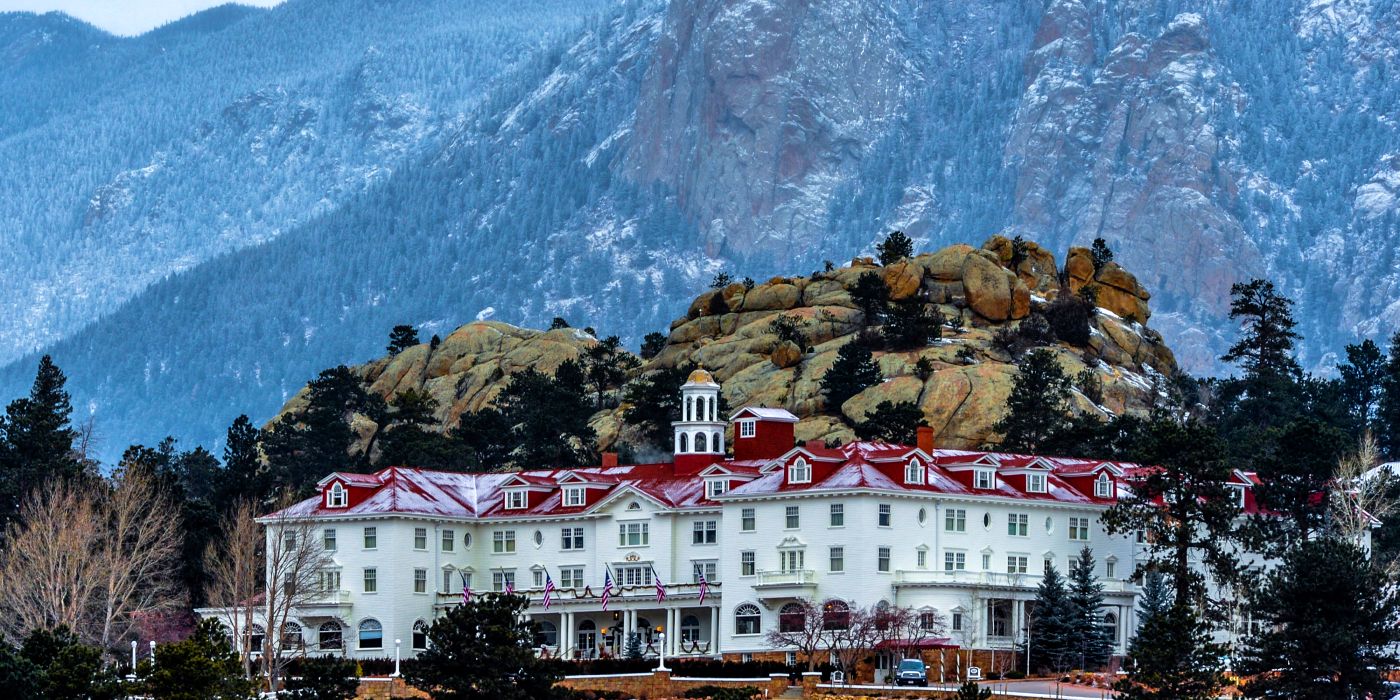
The primary inspiration for the Overlook Hotel is undoubtedly The Stanley Hotel, located in Estes Park, Colorado. In 1974, a then-struggling writer, Stephen King, and his wife stayed overnight at the Stanley Hotel just before it closed for the winter season. They were the only guests in the grand, empty hotel, and their eerie experience—particularly a dream King had of his son being chased by a fire hose through the hotel’s corridors—sparked the idea for “The Shining.”
Built in 1909 by Freelan Oscar Stanley, inventor of the Stanley Steamer automobile, the Stanley Hotel is a magnificent example of Colonial Revival architecture nestled against the backdrop of the Rocky Mountains and the Rocky Mountain National Park. It boasts 140 rooms and offers breathtaking views. Today, it proudly embraces its connection to “The Shining,” offering “ghost tours,” themed rooms, and even a permanent “The Shining” exhibit. For fans, staying at The Stanley Hotel is an immersive experience, combining historical charm with the thrilling possibility of a supernatural encounter. It’s a prime example of how pop culture can transform a historic landmark into a vibrant tourism attraction, drawing visitors interested in both its past and its fictional ties.
The Timberline Lodge: A Cinematic Star
While The Stanley Hotel inspired the novel, the exterior shots for Stanley Kubrick’s film version of “The Shining” were filmed at the Timberline Lodge on Mount Hood in Oregon. This majestic, historic lodge provides the iconic, imposing facade that instantly identifies the Overlook Hotel for filmgoers.
The Timberline Lodge is a National Historic Landmark, constructed in 1937 by the Works Progress Administration during the Great Depression. It stands at an elevation of 6,000 feet, offering stunning views of the Cascade Range and year-round skiing opportunities. Its rustic yet grand architecture, with soaring ceilings and massive stone fireplaces, perfectly encapsulated the isolated magnificence that Kubrick sought for his film. The lodge even had to request that the film crew change the infamous Room 217 to Room 237 to prevent guests from avoiding a real room number due to its fictionalized horror.
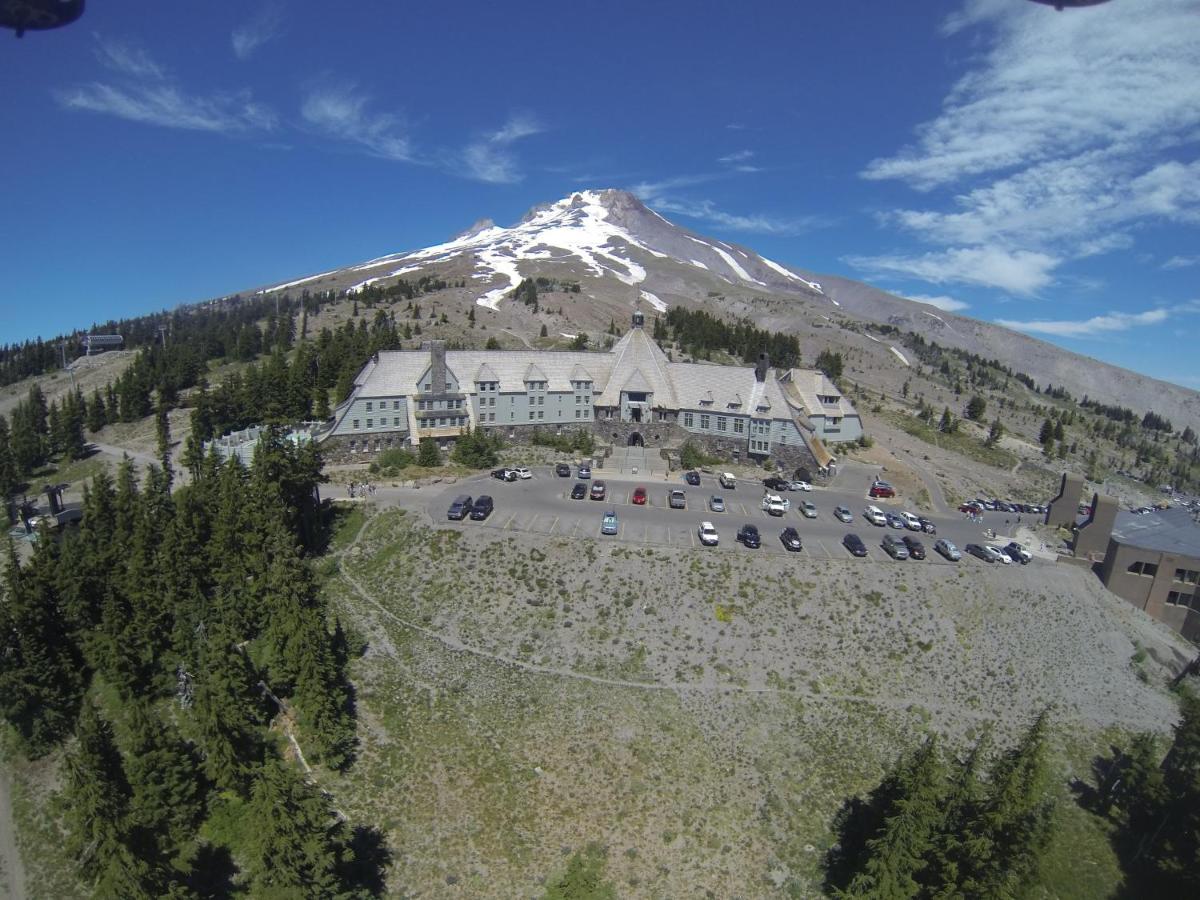
As a functional hotel and ski resort, Timberline Lodge offers a different kind of immersion. Guests can stay in the very building whose exterior became synonymous with terror, then enjoy world-class skiing, hiking, and fine dining. It blends natural beauty and outdoor adventure with a touch of cinematic history, making it a unique destination for travelers who appreciate both luxury accommodation and iconic landmarks.
Beyond the Fiction: Experiencing the Legacy
The legacy of the Overlook Hotel extends far beyond the pages of a book or the frames of a film. It has created a niche for literary and cinematic tourism, allowing travelers to walk in the footsteps of their favorite characters (or authors) and experience the magic (or dread) firsthand.
Planning Your Visit to These Legendary Locations
For those planning a trip to experience the real-world inspirations of the Overlook Hotel, both The Stanley Hotel in Estes Park and the Timberline Lodge on Mount Hood offer distinct and memorable experiences.
A trip to Estes Park, Colorado, can easily combine a stay at The Stanley Hotel with exploring the breathtaking Rocky Mountain National Park. The Stanley Hotel provides a range of accommodations, from standard rooms to more luxurious suites, many of which claim to have paranormal activity. Taking a ghost tour is highly recommended for those seeking a thrill, delving into the hotel’s storied past and alleged hauntings. The town of Estes Park itself offers charming local culture, excellent dining, and outdoor activities like hiking and wildlife viewing.
Visiting the Timberline Lodge in Oregon offers a different kind of adventure. Located high on Mount Hood, it’s a paradise for outdoor enthusiasts. Guests can enjoy skiing or snowboarding almost year-round, hike scenic trails, or simply relax by a roaring fire in the lodge’s magnificent common areas. The Timberline Lodge is not specifically marketed as a haunted location like The Stanley Hotel, but its cinematic connection imbues every corner with a sense of awe and recognition. Its remote location in the Cascade Range provides the same sense of majestic isolation seen in the film. Both hotels offer unique amenities and experiences, catering to different travel styles from the thrill-seeker to the nature lover.
The Enduring Appeal of Literary and Cinematic Travel
The allure of places like The Stanley Hotel and the Timberline Lodge highlights a growing trend in tourism: the desire to connect with beloved stories in a tangible way. Literary and cinematic travel allows fans to step directly into the worlds they’ve cherished, whether it’s exploring the streets of London inspired by Sherlock Holmes or visiting the filming locations of Game of Thrones. This type of travel enriches the experience, adding layers of meaning and excitement beyond typical sightseeing.
For destinations, embracing these connections can be a powerful draw. It transforms a historical building into a living piece of cultural history, appealing to a broad demographic from film buffs and horror fans to general travelers seeking unique experiences. It allows hotels and landmarks to diversify their appeal, offering themed stays and attractions that stand out in a competitive global tourism market.
A Traveler’s Perspective: More Than Just a Stay
Beyond the horror and the history, these hotels offer genuine hospitality and a chance to experience accommodation that is steeped in character and prestige. They represent a blend of luxury, history, and a touch of the extraordinary that caters to a diverse range of lifestyles.
Amenities and Experiences at Historic Lodges
Both The Stanley Hotel and the Timberline Lodge are not just movie sets; they are fully functional, high-quality accommodations. The Stanley Hotel offers elegant rooms, a fine dining restaurant, a spa, and even a historic concert hall that hosts events. Its location in Estes Park makes it a gateway to outdoor adventures, but its indoor amenities and ghost tours are often the main draw. It’s a destination for those who appreciate old-world charm, a bit of luxury, and a healthy dose of the paranormal.
The Timberline Lodge, on the other hand, excels in combining rustic elegance with outdoor adventure. Guests can expect comfortable rooms with stunning views, multiple dining options ranging from casual to gourmet, and direct access to year-round skiing and hiking on Mount Hood. It’s an ideal choice for families, adventure seekers, and those looking for a luxurious mountain retreat. The blend of impressive architecture, natural beauty, and modern comforts makes it a standout choice for accommodation.
The Thrill of Themed Stays and Unique Accommodations
Choosing to stay at hotels like The Stanley Hotel or the Timberline Lodge is part of a broader lifestyle choice for travelers seeking unique accommodations. It’s about more than just a place to sleep; it’s about the experience itself. Themed stays, whether they involve haunted histories, cinematic connections, or unique architectural styles, offer a richer and more memorable journey.
For budget travelers, exploring the exteriors and public areas might suffice, while luxury travelers can indulge in the finest suites and dining experiences these historic hotels offer. Family trips can be transformed into adventures, and solo travelers might find solace in the grandeur and solitude (or thrilling company) of these iconic locations. The appeal lies in the narrative woven into their very fabric, turning a simple stay into an unforgettable story.
In conclusion, while the terrifying Overlook Hotel of “The Shining” may only exist in the realm of fiction, its spirit lives on in the very real, very remarkable hotels that inspired its creation and brought it to the silver screen. The Stanley Hotel and the Timberline Lodge stand as compelling landmarks, inviting travelers to explore a unique intersection of literature, cinema, history, and hospitality. They are destinations that promise not just a place to stay, but a truly immersive journey into the heart of a cultural phenomenon.
LifeOutOfTheBox is a participant in the Amazon Services LLC Associates Program, an affiliate advertising program designed to provide a means for sites to earn advertising fees by advertising and linking to Amazon.com. Amazon, the Amazon logo, AmazonSupply, and the AmazonSupply logo are trademarks of Amazon.com, Inc. or its affiliates. As an Amazon Associate we earn affiliate commissions from qualifying purchases.