
For travelers heading to the vibrant heart of Nevada, the question of tap water safety is a common one, especially when visiting a desert metropolis like Las Vegas. The shimmering mirages of the Strip, the endless entertainment, and the scorching desert sun often lead visitors to wonder if the local tap water is truly potable. The good news, and a relief to budget-conscious and environmentally aware travelers alike, is a resounding yes. The tap water in Las Vegas is not only safe to drink but also meets stringent quality standards, making it a reliable and accessible source of hydration throughout your stay.
This comprehensive guide delves into the specifics of Las Vegas’s water supply, addressing common concerns about its safety, taste, and the practicalities for tourists. From understanding its origins to making eco-conscious hydration choices, we’ll equip you with all the knowledge you need to confidently quench your thirst in the Entertainment Capital of the World.
The Verdict: A Resounding Yes to Tap Water in Las Vegas
When planning a trip, questions about local infrastructure and amenities are paramount. For many, the safety of drinking tap water is a significant concern, particularly in foreign cities or arid regions. In Las Vegas, you can set those worries aside. The city’s water supply is among the safest in the United States, rigorously treated and monitored to ensure it meets, and often exceeds, all federal and state regulations.
Understanding Las Vegas’s Water Source and Treatment
The primary source of Las Vegas’s tap water is the magnificent Colorado River, channeled into the massive Lake Mead reservoir. This engineering marvel, crucial for the entire Southwest, provides over 90% of the potable water for the Southern Nevada Water Authority (SNWA), the utility responsible for water management in the region. The journey of water from Lake Mead to your tap is a testament to modern water treatment technology.
The SNWA operates several state-of-the-art water treatment facilities. Here, the water undergoes a multi-step purification process designed to remove impurities, contaminants, and pathogens. This process typically includes:
- Coagulation and Flocculation: Chemicals are added to make tiny particles clump together.
- Sedimentation: The heavier clumps settle to the bottom.
- Filtration: Water passes through layers of sand, gravel, and charcoal to remove remaining particles.
- Disinfection: Chlorine and sometimes chloramines are added to kill bacteria, viruses, and other microorganisms.
- Fluoridation: Optimal levels of fluoride are added for dental health benefits.
This meticulous process ensures that by the time water reaches your hotel faucet or a restaurant glass, it is clean, safe, and ready for consumption.
Meeting and Exceeding Water Quality Standards
The dedication to water quality in Las Vegas is unwavering. The Southern Nevada Water Authority adheres strictly to the guidelines set by the Environmental Protection Agency (EPA), the federal body responsible for safeguarding public health by regulating drinking water quality. The EPA sets National Primary Drinking Water Regulations, which legally enforceable standards for over 90 contaminants.
The SNWA conducts thousands of tests annually, monitoring water at every stage, from its source in Lake Mead to the distribution system that supplies homes, hotels, and businesses across Las Vegas Valley. These tests check for everything from bacteria and viruses to heavy metals, pesticides, and industrial chemicals. The results are consistently published in annual water quality reports, which are publicly accessible, demonstrating full transparency and accountability. This commitment to rigorous testing and purification means visitors can have full confidence in the safety of Las Vegas tap water.
Beyond Safety: Exploring the Taste and Hydration Factor
While safety is paramount, taste and the practicalities of staying hydrated in a desert climate are equally important considerations for any traveler. Las Vegas tap water, while safe, has a distinctive character, and maximizing your hydration is crucial in the dry Nevada air.
The Distinctive Taste of Desert Water
Many visitors comment on the unique taste of Las Vegas tap water. This is largely due to its mineral content. Water sourced from the Colorado River and stored in Lake Mead naturally contains a higher concentration of minerals like calcium and magnesium, making it “hard water.” While harmless, these minerals can impart a slightly different flavor compared to softer tap waters found in other regions. Additionally, the presence of chlorine, essential for disinfection, can sometimes be detected, especially by those with sensitive palates.
For some, this taste is barely noticeable; for others, it might be a subtle adjustment. If the taste is a concern, simple solutions exist. Many travelers opt for a personal water filter bottle, which can improve the taste by reducing chlorine and other compounds. Alternatively, adding a slice of lemon or lime can refresh the flavor. Rest assured, the taste does not indicate any lack of safety; it’s merely a reflection of the source and treatment process.
Staying Hydrated in the Nevada Heat
The Las Vegas desert climate, characterized by low humidity and high temperatures, particularly during the summer months, makes staying adequately hydrated non-negotiable. Dehydration can quickly diminish your energy levels and overall enjoyment of your trip. Symptoms like headaches, fatigue, and dizziness can easily be mistaken for a “Vegas hangover” when in reality, they’re often a sign of insufficient water intake.
Carrying a reusable water bottle and refilling it frequently with tap water is the smartest and most cost-effective way to combat dehydration. Whether you’re exploring the shops at Caesars Palace, admiring the Fountains of Bellagio, or venturing out on a day trip to the Hoover Dam or even the Grand Canyon, constant access to water is key. Don’t wait until you feel thirsty; sip water regularly throughout the day. Remember, alcoholic beverages, coffee, and sugary drinks do not count towards your daily water intake and can even contribute to dehydration.
Tap Water vs. Bottled Water: A Cost and Convenience Comparison
The allure of bottled water is strong, with its pristine marketing and perceived purity. However, relying solely on bottled water in Las Vegas can quickly become an expensive habit, especially given the sheer volume you’ll need to consume to stay hydrated. A single bottle can cost several dollars at hotel gift shops or convenience stores on the Strip. Over a multi-day trip, these costs can accumulate significantly, eating into your budget for shows, dining, or attractions.
Tap water, on the other hand, is virtually free and endlessly available. Most hotels, including major resorts like the MGM Grand, will gladly provide a glass of tap water, often with ice, at their bars and restaurants upon request. Public water fountains are also available in various locations, though less common within the casino floors themselves. Choosing tap water is not only financially savvy but also incredibly convenient, eliminating the need to constantly search for bottled water suppliers or carry heavy packs of bottles back to your room.
Sustainable Hydration: Making Eco-Conscious Choices in the Entertainment Capital
In an era of increasing environmental awareness, travelers are actively seeking ways to reduce their ecological footprint. Opting for tap water in Las Vegas offers a significant opportunity to travel more sustainably. The city, known for its larger-than-life experiences, is also making strides towards greener practices, and your hydration choices can contribute positively to these efforts.
Reducing Your Environmental Footprint
The production, transportation, and disposal of single-use plastic water bottles have a considerable environmental impact. Billions of plastic bottles end up in landfills or pollute our oceans each year, taking hundreds of years to decompose. By choosing to refill a reusable bottle with Las Vegas tap water, you directly contribute to reducing plastic waste.
This simple act aligns perfectly with a responsible travel lifestyle, minimizing your contribution to landfill waste and conserving the resources required to produce and transport bottled water. Many hotels and resorts are also encouraging this practice by installing water stations or making it easy for guests to access potable water. Your sustainable choice in hydration becomes a small but meaningful step towards preserving the planet, even while enjoying the extravagance of Las Vegas.

What to Expect from Hotels and Resorts
Las Vegas’s hotels and resorts, from budget-friendly options to luxury suites, universally provide safe tap water in guest rooms. You can confidently drink water directly from the bathroom faucet. While some high-end establishments might offer complimentary bottled water in your room as part of a premium service, this is more of a convenience or luxury amenity rather than an indication that tap water is unsafe. Many hotels are also becoming more environmentally conscious and are likely to have water dispensers in fitness centers, lobbies, or even dedicated hydration stations. Don’t hesitate to ask the front desk or concierge about the availability of such facilities. They can also often provide ice buckets to keep your water cool.
Practical Tips for Travelers: Embrace the Tap
Embracing Las Vegas tap water into your travel routine is straightforward and beneficial:
- Pack a Reusable Water Bottle: This is perhaps the most crucial tip. Choose an insulated bottle to keep your water cold in the desert heat.
- Refill Often: Carry your bottle everywhere and refill it from your hotel room faucet, water fountains, or by asking at restaurant and bar counters.
- Consider a Filtered Bottle: If you’re particularly sensitive to the taste of hard water or chlorine, a reusable bottle with an integrated filter can enhance your drinking experience.
- Request Tap Water at Meals: When dining out, specify “tap water” to avoid being served (and charged for) bottled water.
- Stay Ahead of Thirst: In the dry climate, thirst can creep up quickly. Drink small amounts frequently throughout the day, even if you don’t feel parched.
By following these simple practices, you’ll stay well-hydrated, save money, and make an environmentally responsible choice during your Las Vegas adventure.
Dispelling Common Myths and Embracing Local Practices
Travel often comes with its fair share of myths and misconceptions, and water quality is a common target. Understanding why some people might question Las Vegas’s tap water and observing how locals manage their hydration can further solidify your confidence.
Addressing Traveler Concerns and Misconceptions
The arid environment of Las Vegas is often a primary driver of skepticism about tap water. People instinctively associate deserts with scarcity and poor water quality. However, thanks to advanced water management by the SNWA and a robust system drawing from the Colorado River and Lake Mead, this assumption simply doesn’t apply. Another misconception might stem from the perceived “hardness” of the water. While minerals are present and can affect taste or cause limescale buildup, they are not health risks. The water is filtered and disinfected to remove harmful contaminants, not beneficial minerals.
Concerns about the distant past, when water infrastructure might not have been as advanced, are also irrelevant today. Modern Las Vegas operates with a water supply system that is continually upgraded and monitored, reflecting the highest standards in public health and safety.
How Locals Stay Hydrated
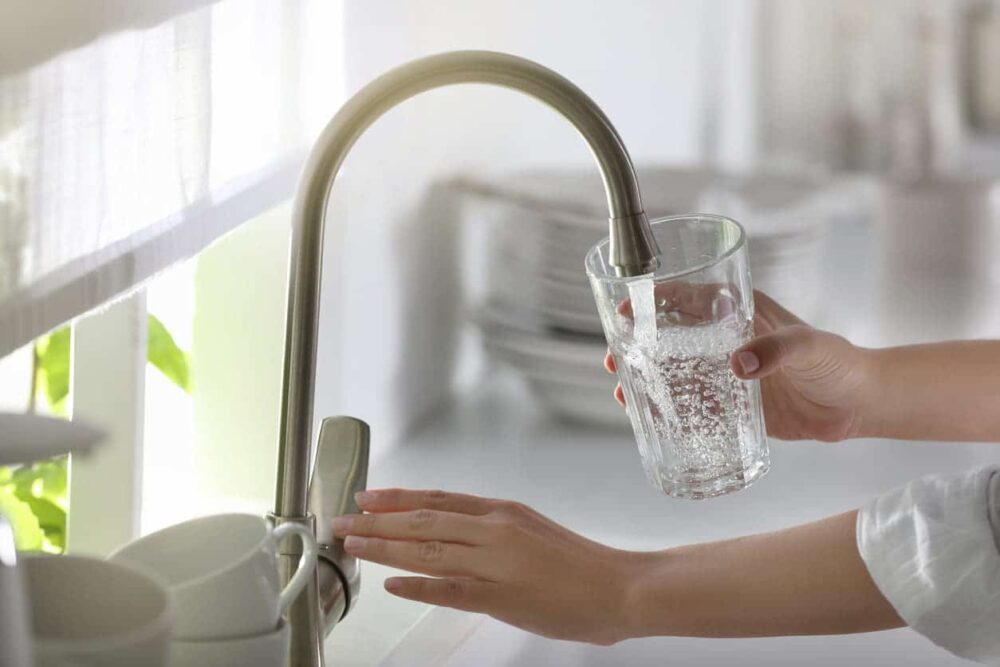
Take a cue from the locals: they drink the tap water. Residents of Las Vegas regularly consume tap water, whether at home, in restaurants, or at their workplaces. Many use home filtration systems for taste preferences, but the underlying safety of the municipal supply is not in question. You’ll see locals carrying reusable water bottles, especially during the hotter months, underscoring the practical and accepted nature of hydrating with tap water. This collective trust in the local water system should provide additional reassurance for visitors.
In conclusion, when you’re planning your unforgettable trip to Las Vegas, you can confidently cross “Is the tap water safe to drink?” off your list of worries. Not only is it safe, clean, and readily available, but choosing to drink tap water also offers a host of benefits—from saving money and reducing plastic waste to simply staying well-hydrated and energized for all the excitement Las Vegas has to offer. So, grab your reusable bottle and enjoy the convenience of high-quality water directly from the tap, allowing you to focus on creating lasting memories in this dazzling desert oasis.
LifeOutOfTheBox is a participant in the Amazon Services LLC Associates Program, an affiliate advertising program designed to provide a means for sites to earn advertising fees by advertising and linking to Amazon.com. Amazon, the Amazon logo, AmazonSupply, and the AmazonSupply logo are trademarks of Amazon.com, Inc. or its affiliates. As an Amazon Associate we earn affiliate commissions from qualifying purchases.