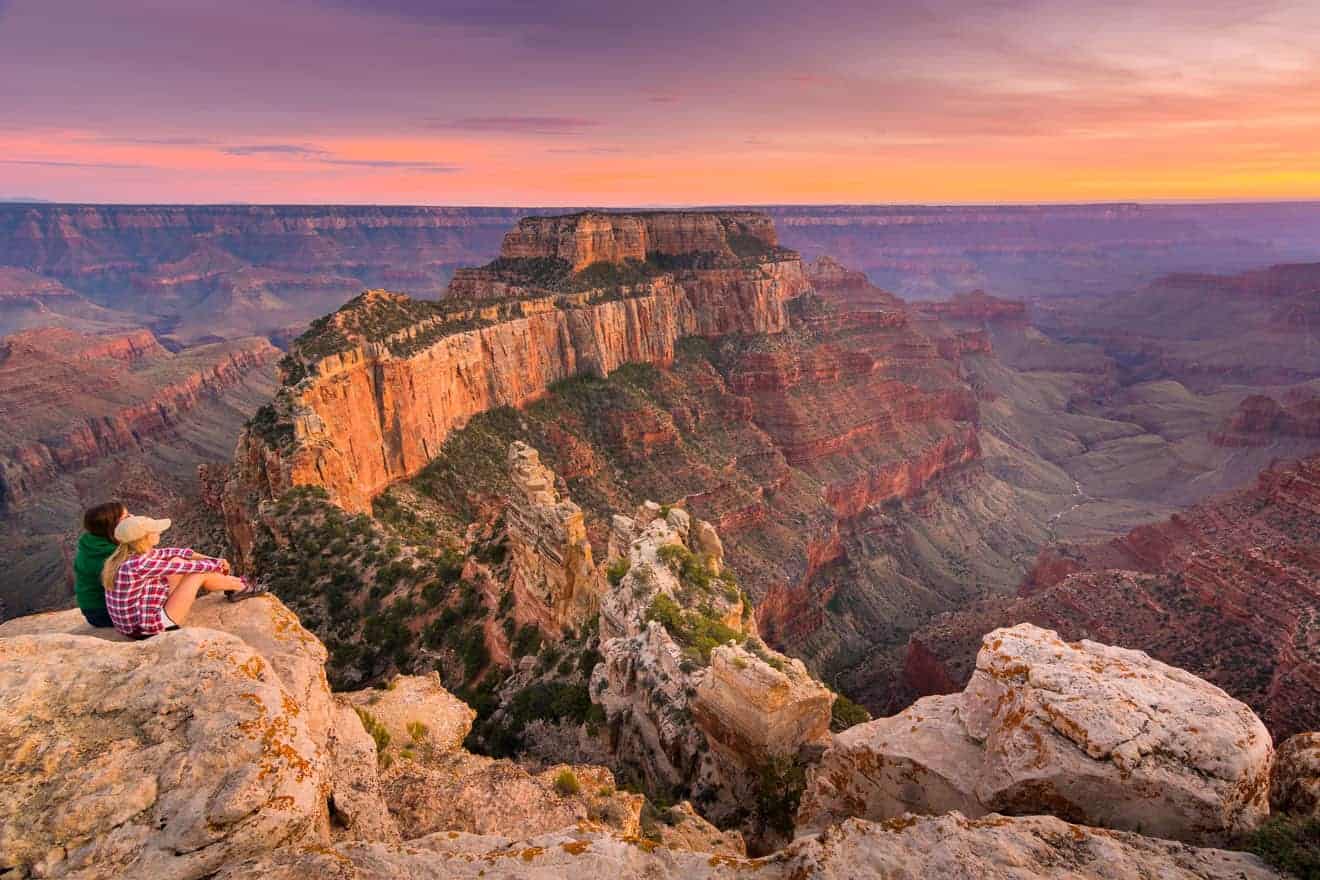
The allure of the American Southwest is undeniable, a vibrant tapestry woven with the neon glow of Las Vegas and the timeless grandeur of the Grand Canyon. For countless travelers flocking to the entertainment capital of the world, the call of nature’s most spectacular masterpiece echoes loud and clear. The question isn’t if one should visit the Grand Canyon from Las Vegas, but rather how far it is, and what the journey entails. This guide delves into the distances, travel options, and essential tips for transforming your Las Vegas getaway into an unforgettable Grand Canyon adventure.
The answer to “how far” isn’t a single number, as the Grand Canyon is vast, divided into distinct rims, each offering unique perspectives, experiences, and varying distances from Las Vegas. Understanding these differences is key to planning the perfect itinerary, whether you’re seeking a quick day trip or an immersive multi-day exploration. We’ll explore the Grand Canyon West Rim, the South Rim, and the less-visited North Rim, outlining their accessibility, typical travel times, and what makes each one special. Beyond mere mileage, we’ll also consider the myriad ways to traverse this iconic landscape, from scenic drives and comfortable bus tours to exhilarating helicopter and plane rides, ensuring every traveler finds their ideal path to one of the world’s most breathtaking natural landmarks.

Navigating the Distance: Grand Canyon Rims and Their Proximity to Las Vegas
The Grand Canyon is a monumental natural wonder, stretching over 277 miles long, up to 18 miles wide, and a mile deep. Its sheer scale means there isn’t one single “Grand Canyon” destination. Instead, it’s accessed via distinct “rims,” each offering a different vantage point and travel experience from Las Vegas.
The Grand Canyon West Rim: The Closest Option
For those based in Las Vegas and looking for the quickest and most accessible Grand Canyon experience, the Grand Canyon West Rim is undoubtedly the prime choice. Operated by the Hualapai Tribe, it’s specifically tailored for day-trippers from Las Vegas.
- Distance and Travel Time: Approximately 130 miles (210 km) from the Las Vegas Strip. The driving time typically ranges from 2 to 2.5 hours, making it perfectly feasible for a half or full-day excursion.
- Key Attractions: The West Rim is home to the famous Grand Canyon Skywalk, a horseshoe-shaped glass bridge extending 70 feet out over the canyon rim, offering unparalleled views straight down to the canyon floor 4,000 feet below. Other significant viewpoints include Eagle Point (named for a natural rock formation resembling an eagle) and Guano Point, which provides a 360-degree panorama. Visitors can also explore Hualapai Village, experience native culture, and even take a helicopter descent to the canyon floor for a pontoon boat ride on the Colorado River.
- Why Choose the West Rim: Its proximity makes it ideal for a spontaneous day trip, avoiding long drives. The Skywalk offers a unique, thrilling experience not found at other rims. It’s also often included in many organized Las Vegas tour packages, simplifying the travel planning process.
The Grand Canyon South Rim: The Classic Experience
For many, the South Rim is the Grand Canyon experience. It’s the most visited and iconic section, renowned for its panoramic vistas, extensive hiking opportunities, and comprehensive visitor services.
- Distance and Travel Time: The South Rim is considerably further, approximately 280 miles (450 km) from Las Vegas. The driving time typically ranges from 4.5 to 5 hours without significant stops. This makes it a long day trip, but more comfortably experienced as an overnight stay.
- Key Attractions: This rim boasts the most famous viewpoints, including Mather Point, Yavapai Point, and Hopi Point (famous for sunsets). It’s also the gateway to challenging but rewarding inner-canyon hikes like the Bright Angel Trail and the South Kaibab Trail, leading down to the Colorado River. Grand Canyon Village offers historic lodges, restaurants, and museums, providing a complete experience.
- Why Choose the South Rim: If you’re looking for the classic, awe-inspiring, and expansive views that define the Grand Canyon, the South Rim is unparalleled. It offers more infrastructure, ranger programs, and opportunities for deeper exploration. While possible as a long day trip, staying overnight in or near Grand Canyon Village is highly recommended to fully appreciate its beauty, especially sunrise and sunset.
The Grand Canyon North Rim: Secluded Wilderness
The North Rim presents a stark contrast to its southern counterpart. Higher in elevation, more remote, and with a shorter visitor season, it offers a distinct, more secluded experience.
- Distance and Travel Time: The North Rim is the least accessible from Las Vegas, requiring a drive of approximately 270 miles (435 km) to Jacob Lake, followed by another 45 miles (72 km) to the rim itself. The total driving time is around 6 hours or more. It’s also important to note that the North Rim is typically closed from mid-October to mid-May due to snow.
- Key Attractions: Viewpoints like Bright Angel Point, Cape Royal, and Point Imperial offer unique perspectives, often with more greenery due to the higher elevation. It provides a more intimate and less crowded interaction with nature.
- Why Choose the North Rim: This rim is for the traveler seeking solitude, tranquility, and a different perspective of the canyon. It’s often incorporated into longer Southwest road trips that include destinations like Zion National Park or Bryce Canyon National Park, rather than a direct round trip from Las Vegas.
Travel Options from Las Vegas to the Grand Canyon
Once you’ve decided which rim suits your itinerary, the next step is choosing your mode of transportation. Each option offers a distinct blend of convenience, cost, and perspective.
Driving: The Most Flexible Way
For many, driving offers the ultimate freedom and flexibility, allowing for spontaneous stops and personalized itineraries. Car rental agencies are abundant in Las Vegas, catering to all budgets and group sizes.
- To the West Rim: The most direct route involves taking US-93 S towards Boulder City and then continuing on Pierce Ferry Road or Dolan Springs to Grand Canyon West. This route passes near the iconic Hoover Dam, a worthy stop for photographs and historical appreciation.
- To the South Rim: The journey involves driving US-93 S to Kingman, Arizona, then taking I-40 E to Williams, Arizona. From Williams, you’ll take AZ-64 N directly to the [South Rim](https://lifeoutofthebox.com/south-rim entrance). This route offers opportunities to explore segments of historic Route 66 in towns like Seligman or Williams, adding a nostalgic touch to your adventure.
- Considerations: Be prepared for varying road conditions (especially towards the North Rim), ensure your vehicle is well-maintained, and factor in fuel stops. Ample parking is available at all rims, though it can fill up quickly during peak season at the South Rim. Always carry physical maps or download offline maps, as cell service can be spotty.
Bus Tours: Convenience and Guided Experience
For those who prefer to sit back and let someone else handle the logistics, bus tours are an excellent option. Numerous operators in Las Vegas offer guided tours to both the West and South Rims.
- What They Offer: Most bus tours include round-trip transportation from your Las Vegas hotel, entrance fees to the park, and a knowledgeable guide who shares insights into the canyon’s geology, history, and ecology. Many also include meals, often a picnic lunch or a sit-down meal depending on the package.
- Pros: Stress-free travel, no need to navigate or worry about parking, often includes additional stops like the Hoover Dam. Guides provide valuable information, enhancing the educational aspect of your visit.
- Cons: Less flexibility in itinerary, fixed departure and return times, and potentially less time at specific viewpoints than you might desire. This option is generally more suited for the West Rim due to its closer proximity, as a South Rim bus tour from Las Vegas can involve a very long day.
Air Tours: A Breathtaking Perspective
For an unparalleled perspective and a truly luxurious lifestyle experience, air tours are unbeatable. Both helicopter and fixed-wing aircraft tours depart frequently from Las Vegas, offering stunning aerial views of the Grand Canyon, Lake Mead, and the Hoover Dam.
- Helicopter Tours: Often considered the ultimate Grand Canyon experience, helicopter tours offer intimate views and, particularly at the West Rim, may even include landings on the canyon floor for a Champagne picnic or a pontoon boat ride on the Colorado River. These tours are swift, allowing you to maximize your time, and the sensation of flying through the canyon is truly unforgettable.
- Fixed-Wing Aircraft Tours: These tours typically cover more ground and are often a more budget-friendly air tour option than helicopters. They provide magnificent panoramic views from above, flying over the vast expanse of the canyon and often including the South Rim or even beyond towards Monument Valley on longer excursions.
- Pros: Incredible, unique perspectives that ground tours cannot offer, significant time savings (a 4-5 hour round trip by air to the West Rim, including travel to the airport), and a sense of luxury travel.
- Cons: Higher cost compared to driving or bus tours, and while you see a lot, you don’t get as much time for ground exploration or hiking.
Planning Your Grand Canyon Excursion: Tips for a Memorable Trip
A trip to the Grand Canyon is a truly special experience, and a little forethought can make it even more rewarding. Considering accommodation, packing essentials, and how to maximize your time are crucial elements for any successful journey.
Accommodation and Stays
While many opt for a day trip from Las Vegas, especially to the West Rim, considering an overnight stay can significantly enhance your Grand Canyon experience, particularly if you’re visiting the South Rim.
- Near the Grand Canyon: For the South Rim, lodging inside Grand Canyon National Park is highly sought after. Historic hotels and resorts like the El Tovar Hotel, Bright Angel Lodge, or Maswik Lodge offer unparalleled access to rim trails and viewpoints, as well as a rich sense of history. Due to high demand, these often require booking a year in advance. Outside the park, the town of Tusayan, Arizona, just a few miles south of the entrance, provides various hotel options. Further afield, Williams, Arizona, offers more choices and the charm of Route 66. For the West Rim, limited lodging is available at Hualapai Ranch for a rustic experience.
- In Las Vegas: If you choose to use Las Vegas as your base, the city offers an incredible array of accommodation options, from luxury resorts with lavish suites to more budget-friendly hotels. Many of these resorts also serve as pickup points for Grand Canyon tours, adding to the convenience.
Essential Packing and Preparation
The Grand Canyon is a natural environment, and being prepared for varying conditions is vital for a comfortable and safe visit.
- Hydration: Always carry plenty of water, especially if hiking. Dehydration is a serious risk in the arid desert climate.
- Sun Protection: The sun can be intense. Pack a wide-brimmed hat, sunglasses, and high SPF sunscreen, even on cloudy days.
- Layers of Clothing: Temperatures can fluctuate dramatically, especially between day and night, or between the rim and the canyon floor. Dress in layers that you can easily add or remove.
- Comfortable Shoes: Whether you’re just strolling along the rim or embarking on a serious hike, sturdy, comfortable walking shoes are non-negotiable.
- Camera: This goes without saying! You’ll want to capture the magnificent vistas.
- Snacks: While food options are available, having your own snacks can be convenient and save money.
- Park Entrance Fees: Be aware of entrance fees for the national parks (South and North Rims) or attraction fees for the West Rim. An America the Beautiful Pass is a great investment if visiting multiple national parks.
Maximizing Your Experience
To truly make your Grand Canyon trip unforgettable, consider these tips:
- Sunrise and Sunset: These times offer the most dramatic lighting and vibrant colors, transforming the canyon into an ever-changing masterpiece. Fewer crowds also make for a more serene experience.
- Stargazing: Away from city lights, the Grand Canyon offers some of the clearest night skies, perfect for stargazing.
- Combine with Other Attractions: If driving, consider weaving in other nearby Southwest gems like Lake Mead National Recreation Area, the Hoover Dam, or iconic Route 66 towns. This turns a simple day trip into a richer, multi-faceted tourism adventure.
- Respect the Environment and Local Culture: The Grand Canyon is a sacred place for many indigenous tribes, including the Havasupai and Hualapai. Follow “Leave No Trace” principles, stay on marked trails, and appreciate the cultural significance of the region.
Grand Canyon and Las Vegas: A Perfect Travel Pairing
The journey from the dazzling spectacle of Las Vegas to the ancient, enduring majesty of the Grand Canyon offers a quintessential American travel experience. It’s a study in contrasts – the man-made marvels of the Las Vegas Strip set against the natural wonder carved by millennia of geological forces. Yet, these two iconic destinations complement each other beautifully, providing a diverse vacation that caters to every lifestyle and interest.
Whether you’re indulging in luxury travel with a scenic helicopter tour, enjoying a family trip with a guided bus tour, or embarking on a budget travel adventure by car, the transition from the bustling energy of the city to the profound silence of the canyon is a journey both physical and spiritual. Las Vegas serves as an ideal gateway, offering world-class accommodation, dining, and entertainment, acting as a vibrant launchpad for your natural exploration. From lavish resorts and suites to convenient apartments and villas, the city provides the perfect return point after a day of awe-inspiring landscapes.
In conclusion, “How far is Las Vegas from the Grand Canyon?” is a question with multiple answers, ranging from a 2-hour drive to the West Rim to a 5-hour trek to the South Rim, or even a longer expedition to the secluded North Rim. Each option promises a unique encounter with one of Earth’s most magnificent landmarks. By understanding the distances, exploring the various travel methods, and preparing wisely, you can seamlessly integrate a visit to the Grand Canyon into your Las Vegas itinerary, creating a travel memory that truly balances the best of human ingenuity and natural wonder. This incredible combination offers a profound shift in perspective, making the journey from the glittering Nevada desert to the heart of Arizona’s majestic canyon an essential part of any Southwest exploration.