
The mention of Skid Row often conjures images of profound urban hardship, and for many, it represents a challenging facet of the urban landscape. In Los Angeles, a city celebrated for its glamour, innovation, and diverse cultural tapestry, Skid Row stands as a stark contrast, embodying the complex social issues that exist even in the most prosperous regions. Understanding its location, history, and the realities of life within its boundaries is crucial for anyone seeking a comprehensive grasp of Los Angeles beyond its postcard-perfect facade. For travelers and those interested in the broader social fabric of major destinations, delving into areas like Skid Row offers a powerful, albeit often sobering, perspective on urban life and the challenges many communities face.
Pinpointing Skid Row: Geographical and Historical Context
To answer the fundamental question, “Skid Row in Los Angeles is centrally located within the eastern part of Downtown Los Angeles (DTLA).” It is not a formal neighborhood in the same way as Beverly Hills or Hollywood, but rather an informally recognized area known for its high concentration of homeless individuals, shelters, and service providers. This district is a significant focus of social welfare efforts in the city and represents one of the largest concentrations of homeless people in the United States.
Defining the Boundaries
While the exact boundaries of Skid Row can be somewhat fluid depending on who you ask, a generally accepted geographical definition places it roughly between Third Street to the north, Seventh Street to the south, Alameda Street to the east, and Main Street or Los Angeles Street to the west. This rectangular zone covers an area of approximately 50 city blocks.
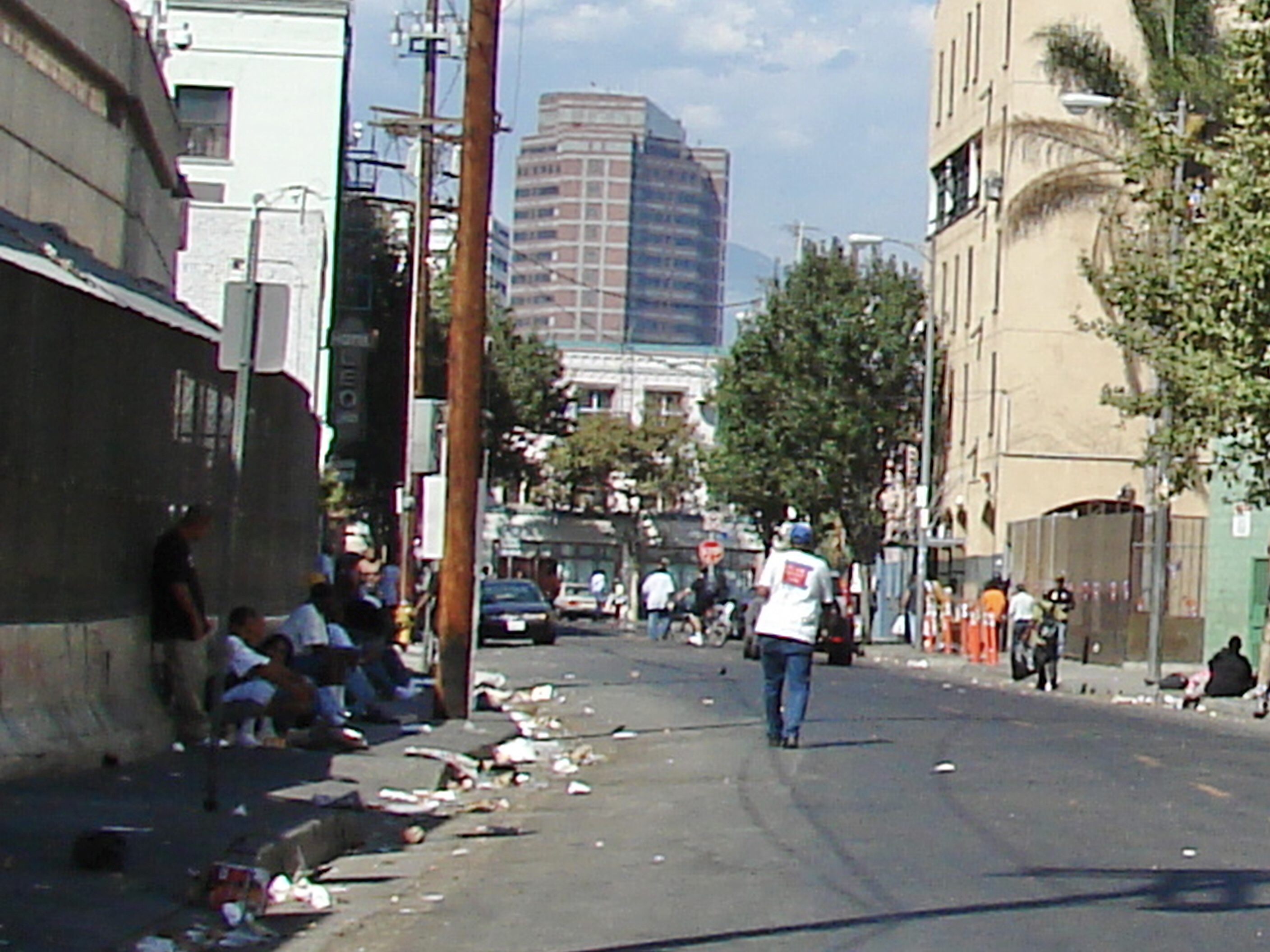
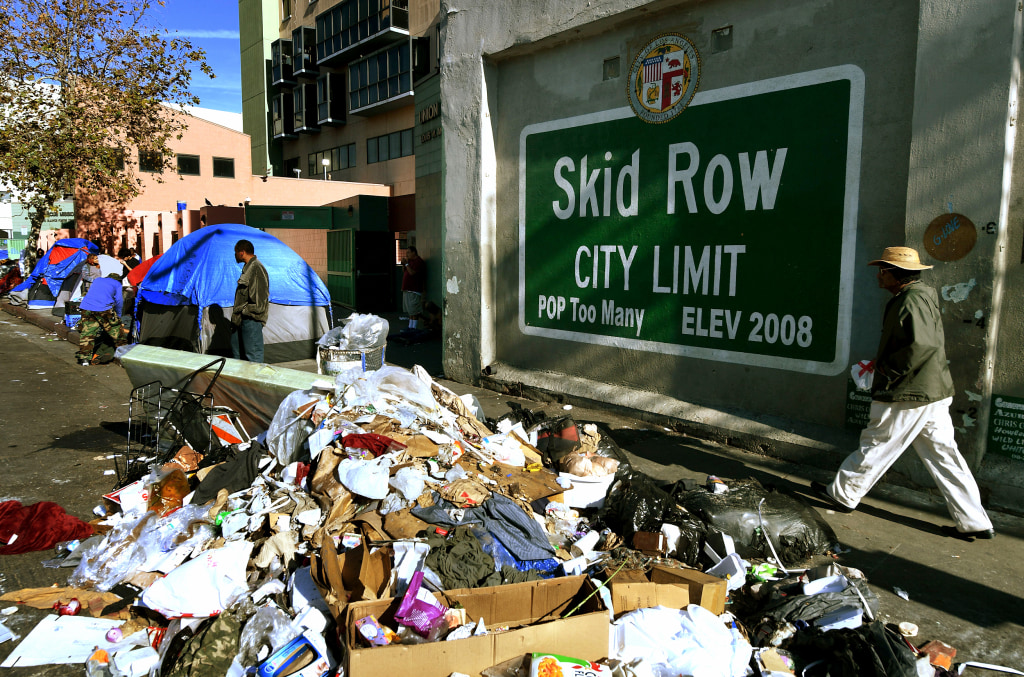
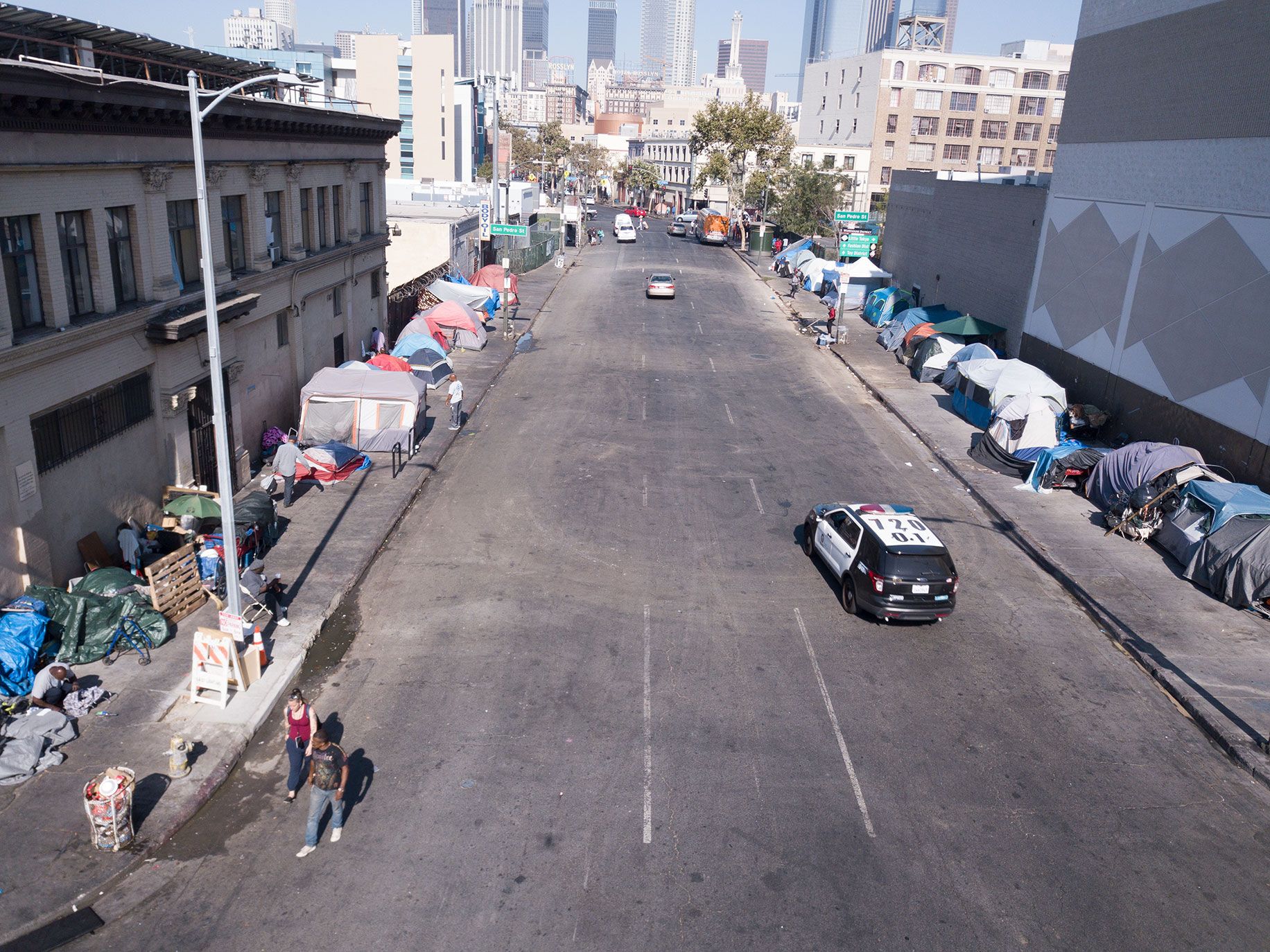
Within these boundaries, one finds a densely packed environment of tents, makeshift shelters, and the various social services designed to assist the vulnerable population. Key streets such as San Julian Street are particularly well-known for their visible encampments. Adjacent to Skid Row are other vibrant Downtown Los Angeles districts, including the revitalized Arts District to the east, the bustling Fashion District to the west, and the historic Little Tokyo and Historic Core to the north and northwest. This proximity highlights the dramatic socio-economic contrasts that define modern urban centers like Los Angeles.
A Brief History of Its Formation
The term “skid row” itself originates from the logging industry, referring to the path over which felled logs were “skidded” to a mill or river. These areas often attracted transient workers, leading to the establishment of cheap lodging houses, taverns, and missions. As industrial cities grew, these areas became associated with transient populations, poverty, and often, social decay.
Los Angeles’s Skid Row began to take shape in the late 19th and early 20th centuries. Its strategic location near the city’s old rail yards and industrial zones made it a natural hub for transient laborers, particularly single men seeking work. The area developed numerous cheap hotels, single-room occupancy (SRO) buildings, bars, and missions. Over decades, as economic conditions shifted, industries moved, and social support systems changed, the population of vulnerable individuals grew. Factors such as deindustrialization, cuts to mental health services, the rise of substance abuse, and escalating housing costs have all contributed to the increasing numbers of people experiencing homelessness in Skid Row and across Los Angeles. The area became a de facto containment zone for the city’s poorest and most vulnerable, a grim reflection of broader societal issues.
The Complexities of Life in Skid Row
Life in Skid Row is profoundly challenging, marked by a pervasive sense of struggle and survival. It is an area where human resilience meets immense adversity, and where a vast network of dedicated individuals and organizations work tirelessly to provide relief and hope.
Understanding the Challenges: Homelessness, Poverty, and Health
The most striking feature of Skid Row is its concentrated population of people experiencing homelessness. Thousands live on the streets, in tents, or in temporary shelters, facing daily struggles for basic necessities. The root causes are multifaceted, encompassing deep-seated issues like chronic poverty, mental illness, substance abuse, lack of affordable housing, and a history of systemic disadvantages. Many residents suffer from untreated physical and mental health conditions, exacerbated by the harsh realities of street life, lack of hygiene facilities, and exposure to the elements. The cycle of homelessness can be incredibly difficult to break, as individuals face barriers to employment, stable housing, and reintegration into society. The environmental conditions are often unsanitary, contributing to public health concerns. The challenges faced by the residents of Skid Row are not isolated incidents but symptoms of larger societal inequalities and a scarcity of adequate support systems.
The Ecosystem of Support: Organizations and Initiatives
Despite the overwhelming challenges, Skid Row is also a hub for an extensive network of social service providers, non-profit organizations, and community advocates. These groups form a critical lifeline for the population, offering a wide range of services designed to address immediate needs and work towards long-term solutions.
Prominent organizations like the Union Rescue Mission, The Midnight Mission, and The Weingart Center provide emergency shelter, meals, clothing, and medical care. They also offer longer-term programs focused on rehabilitation, job training, and housing assistance. Legal aid services, such as the Inner City Law Center, advocate for the rights of the homeless and work to prevent evictions. Mental health professionals and outreach workers are present daily, attempting to connect individuals with treatment and support.
Beyond direct services, there are also arts and cultural organizations, such as the Los Angeles Poverty Department, which use performance and community engagement to give voice to the experiences of Skid Row residents and challenge stereotypes. These initiatives are not just about providing basic needs; they are about restoring dignity, fostering community, and advocating for systemic change. The collective efforts of these organizations represent a testament to compassion and a commitment to addressing one of Los Angeles’s most pressing social issues.
Skid Row’s Place in the Larger Los Angeles Narrative
While Skid Row is geographically contained, its presence is a profound part of the broader Los Angeles narrative. It stands as a powerful reminder of urban inequality, juxtaposed against the city’s famed affluence and vibrant tourist attractions. For visitors and residents alike, understanding Skid Row’s context is essential to grasping the full spectrum of life in this complex metropolis.
Beyond the Boundaries: Exploring Downtown LA
Skid Row exists within a dynamic Downtown Los Angeles that has undergone significant revitalization over the past two decades. Just blocks away, one can find world-class cultural institutions like the Walt Disney Concert Hall, iconic landmarks such as Grand Park and Pershing Square, and culinary destinations like Grand Central Market. The Arts District, once a gritty industrial zone, has transformed into a trendy neighborhood with galleries, boutiques, and gourmet restaurants, attracting a new wave of residents and tourists. Similarly, the Historic Core boasts beautifully preserved early 20th-century architecture and a burgeoning nightlife.
The proximity of these thriving areas to Skid Row underscores the profound disparities that define Los Angeles. It’s a city where luxury hotels and high-rise apartments stand within walking distance of desperate poverty. This geographic closeness means that any comprehensive exploration of Downtown Los Angeles will inevitably bring one into the vicinity, if not the direct presence, of Skid Row. Travelers exploring the Fashion District, the Toy District, or even catching a Metro train from the nearby 7th Street/Metro Center station might find themselves on the periphery of the area.
Responsible Tourism and Social Awareness
For visitors to Los Angeles, it is crucial to approach the existence of Skid Row with sensitivity and awareness. While it is not a tourist attraction, its presence shapes the character of Downtown Los Angeles and the broader city. Ethical travel involves understanding the places we visit in their entirety, including their social complexities.
If you find yourself near Skid Row while exploring Downtown LA, it’s important to do so with respect and discretion. Avoid taking photographs of individuals without their explicit consent, and be mindful of your surroundings. For those wishing to engage meaningfully with the issues, consider volunteering or donating to the many reputable organizations working within Skid Row. This approach allows travelers to contribute positively rather than merely observe, fostering a deeper understanding of the local culture and challenges. Many organizations offer opportunities for participation that align with a socially conscious travel lifestyle, bridging the gap between exploration and meaningful impact.
Navigating and Understanding Los Angeles’s Diverse Landscape
Los Angeles is a mosaic of vastly different neighborhoods and communities. From the glitzy beaches of Santa Monica and the exclusive enclaves of Malibu to the historic charm of Olvera Street and the bustling energy of Chinatown, the city offers an unparalleled range of experiences. Skid Row, while difficult, is an undeniable part of this diversity, representing the extreme end of the city’s socio-economic spectrum.
Proximity to Downtown Attractions
Visitors staying in Downtown Los Angeles hotels, exploring the Grand Arts District, or attending events at the Crypto.com Arena (formerly Staples Center) will likely be within a few miles of Skid Row. The boundaries are permeable, and the lives within Skid Row are not entirely isolated from the rest of the city. Public transportation, provided by Metro, connects all parts of Downtown LA, making it possible to traverse these diverse areas with ease. However, understanding the geography and the social implications of each district is paramount for a respectful and informed visit. This nuanced understanding enhances the travel experience, moving beyond superficial sightseeing to a genuine appreciation of a destination’s multifaceted reality. The juxtaposition of glittering skyscrapers and struggling communities is a defining characteristic of many global cities, and Los Angeles presents this contrast vividly.
Engaging with the City’s Social Fabric
To truly experience Los Angeles is to acknowledge its full spectrum, from its celebrated achievements to its profound challenges. Engaging with the social fabric of a city means recognizing that behind every landmark and luxury resort, there are communities grappling with complex issues. For those interested in deeper travel experiences that go beyond conventional tourism, learning about areas like Skid Row provides invaluable insight into urban sociology, public policy, and human resilience. It encourages travelers to consider the impact of their visits and to seek opportunities for responsible engagement. This can include supporting local businesses in transitioning neighborhoods, learning about housing initiatives, or simply fostering a more empathetic understanding of the diverse lives that constitute a major metropolitan area.
In conclusion, Skid Row is located in the eastern part of Downtown Los Angeles, an area of immense social need and concentrated homelessness. Its history is intertwined with Los Angeles’s industrial past, and its present is shaped by ongoing struggles and dedicated efforts to alleviate suffering. While not a tourist destination, its presence is a vital part of the city’s identity, offering a powerful lens through which to view the complexities of urban life in one of the world’s most dynamic cities. For anyone seeking to understand Los Angeles comprehensively, acknowledging and respectfully learning about Skid Row is an essential step.
LifeOutOfTheBox is a participant in the Amazon Services LLC Associates Program, an affiliate advertising program designed to provide a means for sites to earn advertising fees by advertising and linking to Amazon.com. Amazon, the Amazon logo, AmazonSupply, and the AmazonSupply logo are trademarks of Amazon.com, Inc. or its affiliates. As an Amazon Associate we earn affiliate commissions from qualifying purchases.