
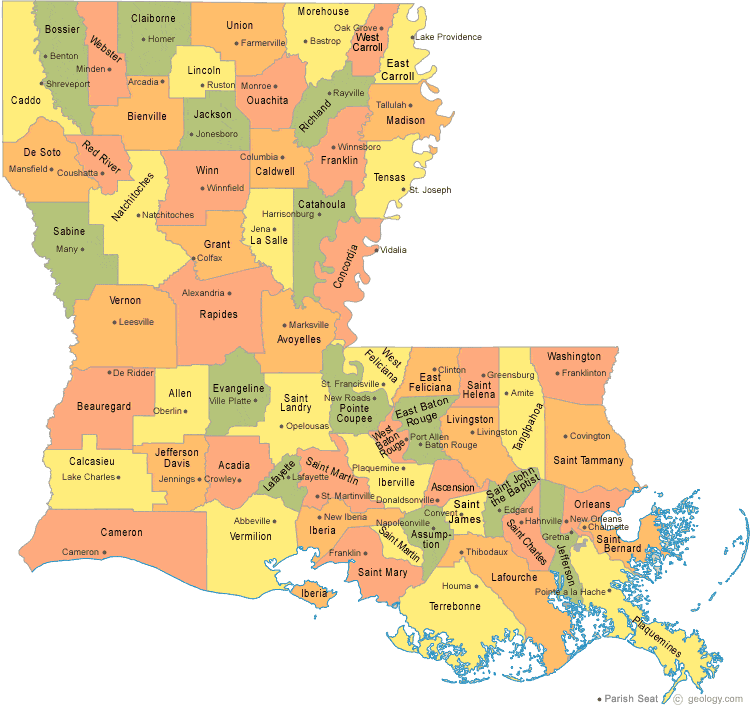
For travelers exploring the diverse tapestry of the United States, the state of Louisiana often stands out as a destination unlike any other. Its vibrant culture, rich history, and unique blend of influences are immediately apparent, but one administrative distinction frequently piques the curiosity of visitors: why does Louisiana have “parishes” instead of “counties”? The direct answer to the question “How many parishes in Louisiana?” is 64. These 64 parishes serve the same governmental function as counties do in the other 48 contiguous United States, yet their historical roots and cultural significance paint a much richer picture for anyone interested in travel, tourism, and experiencing the authentic Louisiana lifestyle.
Understanding these parishes is key to unlocking the full potential of a visit to the Bayou State, offering insights into everything from local culture and unique attractions to diverse accommodation options and memorable culinary experiences. From the bustling streets of New Orleans to the tranquil bayous of Acadiana, each parish presents its own distinct charm and a wealth of opportunities for exploration.
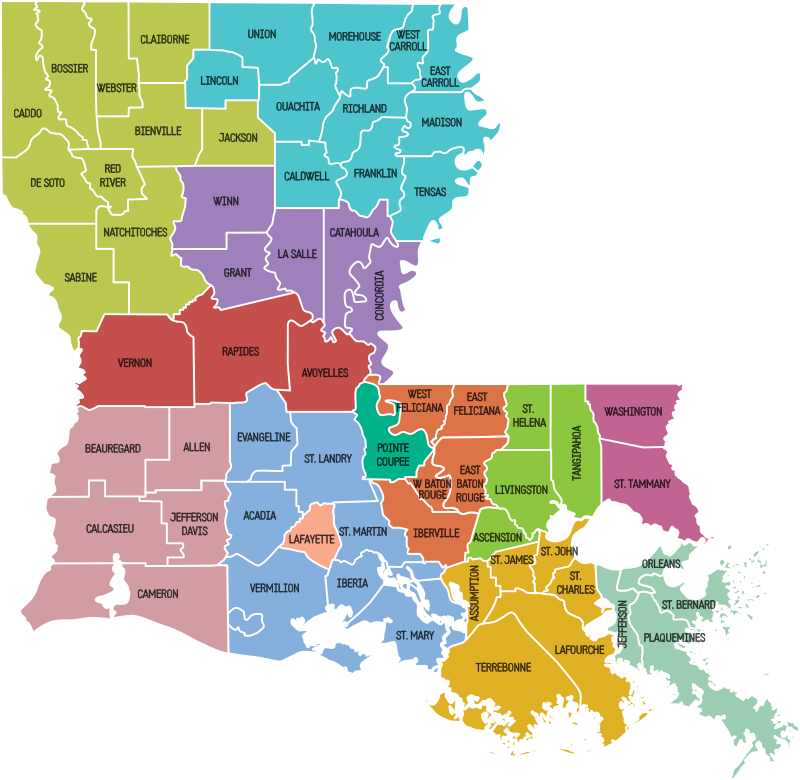
The Unique Administrative Landscape: Understanding Louisiana’s Parishes
The term “parish” immediately signals Louisiana’s exceptional heritage. Unlike the overwhelming majority of the United States, which adopted English common law and its administrative subdivisions, Louisiana’s legal and governmental framework is deeply rooted in its colonial past.
A Historical Overview: Why Parishes, Not Counties?
The story of Louisiana’s parishes begins with its European colonization. Initially settled by the French in the late 17th century, the territory then came under Spanish rule before reverting to France and finally being acquired by the United States with the Louisiana Purchase in 1803. Throughout these shifts in sovereignty, the existing administrative divisions largely remained.
Under both French and Spanish colonial governance, the primary local administrative units were often tied to ecclesiastical districts—the parishes of the Catholic Church. These church parishes served not only religious functions but also governmental roles, acting as centers for record-keeping, community organization, and local administration. When Louisiana became a U.S. territory and later a state, it maintained these historically established boundaries and adopted the familiar term “parish” to describe its civil subdivisions, rather than conforming to the “county” nomenclature prevalent elsewhere. This decision wasn’t merely semantic; it reflected the deep cultural and legal traditions that had already taken root, setting Louisiana apart and giving it a unique identity within the American federal system.
The Role of Parishes in Local Governance and Culture
Today, the 64 parishes of Louisiana function much like counties across the rest of the nation. Each parish has its own local government, responsible for everything from law enforcement and infrastructure to public services and education. However, the legacy of their name continues to influence the state’s distinct cultural fabric. Travel guides and tourism boards often use parishes as a natural way to segment and describe the diverse regions of Louisiana, highlighting the specific attractions, local festivals, and culinary traditions unique to each area.
For instance, the cultural landscape of Orleans Parish (home to New Orleans) is vastly different from that of Lafayette Parish in the heart of Cajun Country, or the timber-rich northern parishes. These administrative boundaries help preserve and promote the localized identities that make Louisiana such a compelling destination for travelers seeking an authentic experience. From the intricate legal system, which still bears the mark of Napoleonic Code, to the way local communities organize their unique festivals, the parish system remains an integral part of Louisiana’s charm and complexity.
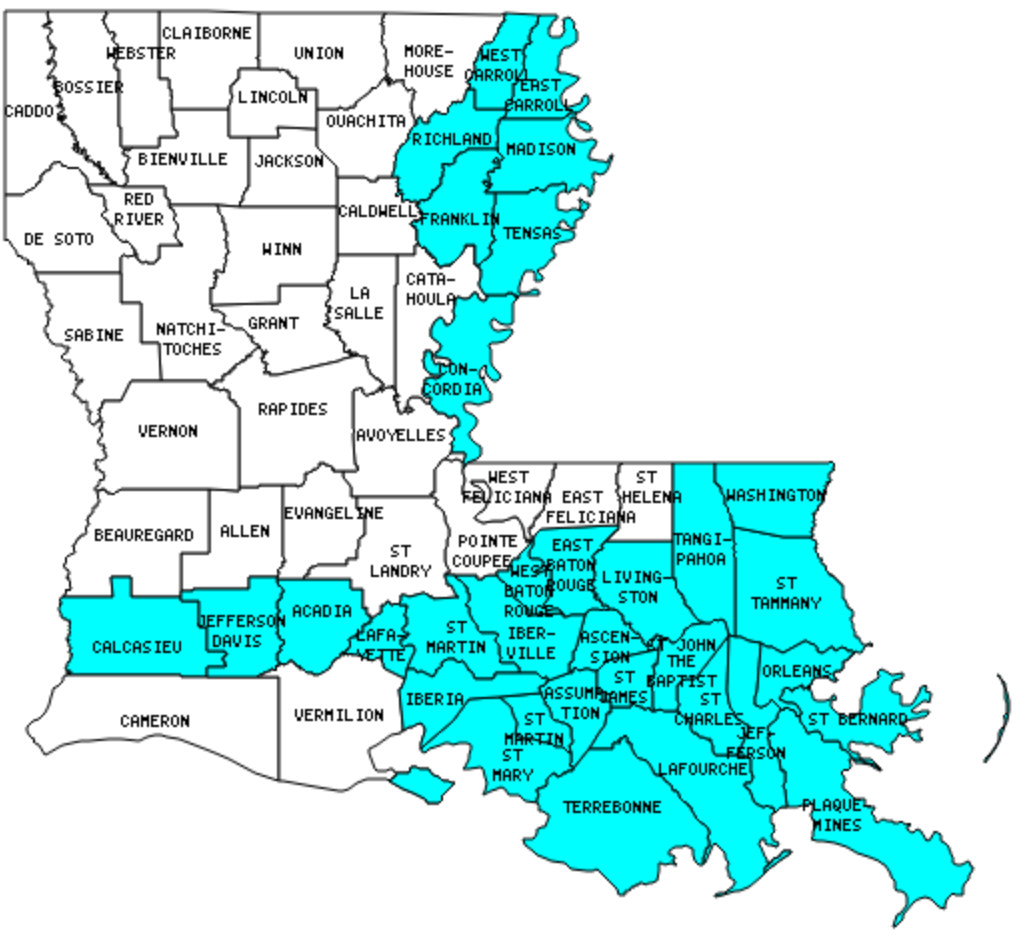
A Journey Through Louisiana’s 64 Parishes: Diversity and Discovery
The sheer number of parishes hints at the incredible diversity awaiting visitors. Each of the 64 parishes contributes its own flavor to the state’s rich gumbo of culture, history, and natural beauty. Exploring them is like embarking on a series of mini-adventures, each revealing a new facet of Louisiana’s captivating personality.
Iconic Parishes and Their Allure for Travelers
While all 64 parishes offer something unique, several stand out as primary draws for tourism, offering a concentrated blend of landmarks, attractions, and cultural experiences.
-
Orleans Parish (New Orleans): The jewel in Louisiana’s crown, New Orleans is world-renowned for its vibrant music scene, distinctive architecture, and legendary festivals. Visitors flock to the historic French Quarter, where jazz spills from every doorway, and iconic landmarks like St. Louis Cathedral stand proudly. Beyond the revelry of Bourbon Street, the elegant mansions of the Garden District, the solemn history of The National WWII Museum, and the sprawling beauty of City Park offer diverse experiences. Hotels in New Orleans range from luxury resorts like The Roosevelt New Orleans, A Waldorf Astoria Hotel and Hotel Monteleone to charming boutique inns and budget-friendly guesthouses. The city’s culinary scene, with its Creole and Cajun influences, is an attraction in itself.
-
Jefferson Parish: Directly bordering Orleans Parish, Jefferson Parish offers a blend of suburban convenience and natural beauty. Cities like Metairie and Kenner provide easy access to New Orleans International Airport and a more relaxed pace. The parish is a gateway to the state’s famous bayous, with numerous tour operators offering swamp excursions that delve into the unique ecosystem of Lafitte National Historical Park and Preserve.
-
East Baton Rouge Parish (Baton Rouge): As the state capital, Baton Rouge is a hub of political activity, higher education, and historical sites. The imposing State Capitol Building, a magnificent example of Art Deco architecture, dominates the skyline. Visitors can explore the sprawling campus of Louisiana State University (LSU) and delve into the region’s plantation history, with grand estates like Oak Alley Plantation and Houmas House Plantation and Gardens just a short drive away. Baton Rouge also serves as a central point for business stays and offers a variety of accommodation options, from international hotel chains to local establishments.
-
Lafayette Parish (Lafayette): Considered the heart of Acadiana and Cajun Country, Lafayette is where visitors can truly immerse themselves in Cajun culture. Here, the French dialect of Louisiana Creole and Cajun French is still spoken, and the air pulsates with the sounds of Zydeco and Cajun music. Attractions like Vermilionville and Acadian Village offer living history experiences, showcasing traditional Cajun homes, crafts, and music. The food scene is legendary, with authentic gumbos, etouffees, and boudin. Lafayette hosts numerous festivals, including the internationally renowned Festival International de Louisiane.
-
Caddo Parish (Shreveport): Located in the northwestern part of the state, Shreveport and neighboring Bossier City form a metropolitan area rich in entertainment and history. Known for its riverboat casinos along the Red River, a vibrant arts scene, and the annual Red River Revel Arts Festival, Shreveport-Bossier City offers a different taste of Louisiana. Visitors can also explore Barksdale Air Force Base for a glimpse into military history.
-
St. Tammany Parish (Northshore): Situated across Lake Pontchartrain from New Orleans, the “Northshore” region encompassing towns like Mandeville, Covington, and Slidell is known for its scenic beauty, outdoor activities, and family-friendly atmosphere. It offers a quieter, more relaxed lifestyle, with charming downtowns, nature trails, and opportunities for kayaking and fishing.
-
Other Notable Parishes:
- Calcasieu Parish (Lake Charles): This southwestern parish is a hub for industrial activity, but also boasts a thriving casino resort scene, beautiful Gulf Coast beaches, and a vibrant Mardi Gras celebration distinct from New Orleans.
- Rapides Parish (Alexandria): Geographically central, Alexandria offers historical sites, museums, and serves as a gateway to the Kisatchie National Forest, perfect for nature enthusiasts.
- Ouachita Parish (Monroe): In north Louisiana, Monroe provides access to the Black Bayou Lake National Wildlife Refuge and the region’s rich agricultural history.
This glimpse into just a handful of the 64 parishes illustrates the immense variety that defines Louisiana. From urban explorations and historical immersion to natural beauty and culinary adventures, each parish invites travelers to discover its unique story.
Planning Your Louisiana Adventure: Travel, Accommodation, and Lifestyle
Embarking on a journey through Louisiana’s 64 parishes requires careful planning, but the rewards are countless. Whether you’re a luxury traveler, on a budget, planning a family trip, or visiting for business, the state’s diverse offerings cater to every type of lifestyle.
Navigating Louisiana: Travel and Transportation Between Parishes
Getting around Louisiana is relatively straightforward, with a well-developed network of interstate highways connecting the major cities and regions. Interstate 10, running east-west, serves as a crucial artery connecting New Orleans, Baton Rouge, and Lake Charles. Interstate 49 links south Louisiana (including Lafayette and Alexandria) to Shreveport in the north, while Interstate 55 connects New Orleans to points north.
For those arriving by air, Louisiana is served by several key airports:
- New Orleans International Airport (MSY) is the largest and busiest, providing excellent connectivity to domestic and international destinations.
- Baton Rouge Metropolitan Airport (BTR) serves the state capital and surrounding parishes.
- Lafayette Regional Airport (LFT) is the primary gateway to Acadiana.
- Additional regional airports like those in Shreveport and Monroe further facilitate travel within the state.
A road trip is arguably the best way to experience the transition between parishes, allowing travelers to stop at quaint towns, roadside eateries, and hidden gems that reveal the authentic charm of Louisiana life. Rental cars are readily available at all major airports and cities.
Accommodation Choices Across the Parishes
Accommodation options in Louisiana are as varied as its landscapes, catering to every preference and budget. Whether you’re looking for opulent luxury or a cozy, authentic stay, the parishes deliver.
- Luxury & Resorts: In major tourist destinations like New Orleans and Lake Charles, you’ll find world-class hotels and resorts offering premium amenities. Examples include the historic grandeur of The Roosevelt New Orleans, A Waldorf Astoria Hotel or the excitement of casino resorts like Harrah’s New Orleans. These often feature fine dining, spas, and entertainment, perfect for luxury travel or a sophisticated business stay.
- Boutique Hotels & Historic Inns: Many parishes, especially those with historic downtowns, boast charming boutique hotels and bed & breakfasts. These accommodations often reflect local architecture and offer a personalized experience, sometimes in beautifully restored antebellum homes or colonial buildings.
- Chain Hotels & Budget-Friendly Options: Throughout the state, particularly in larger cities and along major interstates, visitors will find a wide array of familiar hotel chains offering comfortable stays at various price points, suitable for budget travel or family trips.
- Vacation Rentals & Long-term Stays: For those seeking more space, privacy, or an extended visit, vacation rentals such as apartments, villas, and cabins are popular choices. Platforms offering booking and reviews make it easy to find a home away from home, particularly in popular areas like the French Quarter or near the scenic bayous.
- Plantation Stays: For a truly unique historical experience, some plantations offer overnight accommodation, allowing guests to immerse themselves in the bygone era of the South, combining history with elegant comfort.
Regardless of your choice, it’s advisable to book well in advance, especially if traveling during peak festival seasons like Mardi Gras or Jazz Fest.
Experiencing Louisiana Lifestyle: Food, Festivals, and Culture
The lifestyle in Louisiana is defined by its vibrant culture, which is deeply interwoven with its parishes. Food, music, and celebrations are not just attractions; they are the essence of daily life.
- Cuisine: Louisiana’s cuisine is a pilgrimage for foodies. Each parish, and even individual communities, might have its own twist on classics. From spicy Cajun dishes like jambalaya, gumbo, and etouffee in Lafayette Parish to the sophisticated Creole flavors of New Orleans (think Gumbo, Po’boys, and Beignets at Cafe Du Monde near the Mississippi River), the culinary journey is endless. Seafood, fresh from the Gulf Coast and local waters, is a staple.
- Music: Music is the soul of Louisiana. New Orleans is the birthplace of jazz, and its clubs in the French Quarter and along Frenchmen Street still host world-class musicians. In Acadiana, the sounds of Zydeco and Cajun music fill dance halls and festivals. The blues also have a strong presence, particularly along the Mississippi River region.
- Festivals: Louisiana is known as the “Festival Capital of the World” for good reason. Beyond the iconic Mardi Gras celebrations in New Orleans and across many parishes, there’s a festival for almost anything: seafood, strawberries, rice, sugar, and more. Jazz Fest (New Orleans Jazz & Heritage Festival) is another global draw, celebrating music, food, and culture.
- Outdoor Activities: The natural landscapes of Louisiana offer abundant opportunities for outdoor enthusiasts. Swamp tours in Jefferson Parish or other rural parishes provide thrilling encounters with alligators and diverse wildlife. Fishing, birdwatching, kayaking through bayous, and hiking in state parks or national forests are popular activities for those seeking to connect with the state’s unique environment.
- Historical & Architectural Exploration: From grand antebellum plantations along River Road (such as Oak Alley Plantation) to the distinctive Creole cottages and shotgun houses of New Orleans, the architecture tells a story of centuries of influence. Museums and historical sites across the parishes delve into everything from Native American heritage to the complexities of the Civil War.
In essence, experiencing the Louisiana lifestyle means embracing its spontaneous joy, its deep respect for tradition, and its unshakeable sense of community – all of which are shaped by the distinct identities of its 64 parishes.
Conclusion
The question “How many parishes in Louisiana?” is more than a simple query about administrative divisions; it’s an invitation to explore a state unlike any other. With its 64 unique parishes, Louisiana offers an incredibly diverse and rich experience for any traveler. From the historic streets of New Orleans and the political gravitas of Baton Rouge, to the soulful sounds of Cajun Country and the natural beauty of its bayous, each parish holds a piece of the state’s captivating story.
Whether you’re planning an itinerary focused on culinary delights, historical landmarks, vibrant festivals, or tranquil natural escapes, understanding the distinct characteristics of Louisiana’s parishes is the key to a truly enriching journey. Each of the 64 parishes promises not just a destination, but an immersive experience into the heart and soul of this remarkable American state. So pack your bags, prepare your palate, and get ready to discover the unparalleled charm and hospitality of Louisiana and its many unique parishes.
LifeOutOfTheBox is a participant in the Amazon Services LLC Associates Program, an affiliate advertising program designed to provide a means for sites to earn advertising fees by advertising and linking to Amazon.com. Amazon, the Amazon logo, AmazonSupply, and the AmazonSupply logo are trademarks of Amazon.com, Inc. or its affiliates. As an Amazon Associate we earn affiliate commissions from qualifying purchases.