
For travelers planning an escape to the sun-drenched landscapes and vibrant cities of Arizona, a crucial detail often overlooked is its unique approach to time. While most of the United States observes Daylight Saving Time, Arizona largely does not, creating a fascinating temporal quirk that can significantly impact travel plans, hotel bookings, and the overall experience of exploring this diverse state. Understanding Arizona’s time zone isn’t just a matter of setting your watch; it’s a fundamental aspect of seamless travel planning, allowing you to maximize every moment, from hitting the hiking trails at dawn to enjoying a sunset dinner at a luxurious resort. This guide delves into the intricacies of Arizona’s time, and how it interweaves with the rich tapestry of travel, tourism, accommodation, landmarks, and lifestyle opportunities the Grand Canyon State offers.
Understanding Arizona’s Unique Time Zone
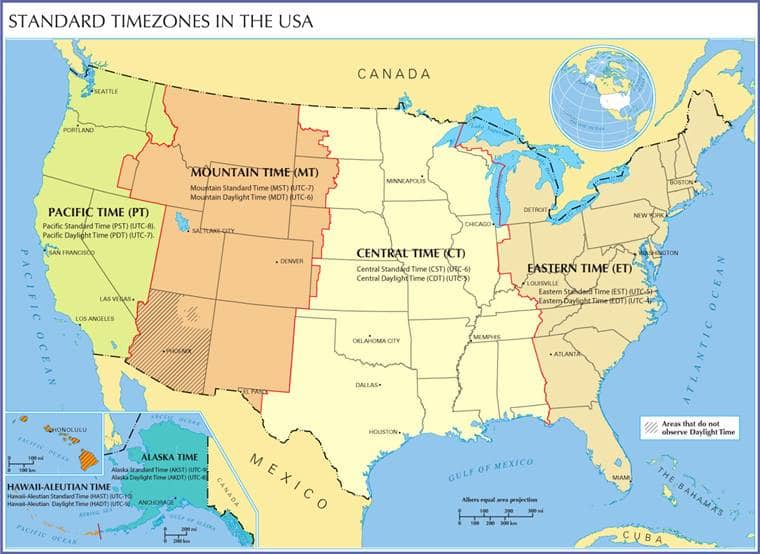
At first glance, the question “What is the time in Arizona right now?” seems straightforward. However, the answer comes with a distinctive twist for most of the year. For the majority of its landmass, Arizona adheres strictly to Mountain Standard Time (MST) year-round. This means that unlike its neighboring states, Arizona does not “spring forward” or “fall back.” This unique characteristic can be a source of confusion for first-time visitors or those planning complex itineraries across multiple states.
Arizona Standard Time: A Year-Round Constant
Throughout the year, Arizona generally remains on Mountain Standard Time (MST), which is GMT-7 (Greenwich Mean Time minus seven hours). This consistency simplifies things in one sense, but during the summer months when other states transition to Daylight Saving Time, the time difference relative to other regions can shift.
For instance, during the winter months, Arizona observes the same time as Mountain Daylight Time (MDT) states. However, from March to November, when states like California, Nevada, and Utah switch to Daylight Saving Time, they move one hour ahead. This means:
- During Daylight Saving Time (March/April to October/November): Arizona will be on the same time as Pacific Standard Time (PST), which is one hour behind Mountain Daylight Time (MDT). So, if it’s 10:00 AM in Phoenix, it’s 10:00 AM in Los Angeles, 11:00 AM in Denver, 12:00 PM in Chicago, and 1:00 PM in New York City.
- During Standard Time (November to March/April): Arizona observes Mountain Standard Time (MST). If it’s 10:00 AM in Phoenix, it’s 11:00 AM in Denver (also MST), 9:00 AM in Los Angeles (PST), 12:00 PM in Chicago (Central Standard Time), and 1:00 PM in New York City (Eastern Standard Time).

This subtle shift is paramount for travelers, especially those crossing state lines or connecting flights. Always double-check local times, particularly when booking activities or communicating with locals.
The Navajo Nation Exception
Complicating matters further, but critical for those exploring the northern reaches of the state, is the exception of the Navajo Nation. As an autonomous tribal land that spans parts of Arizona, New Mexico, and Utah, the Navajo Nation does observe Daylight Saving Time. This means that during the months when Daylight Saving Time is in effect, the Navajo Nation will be one hour ahead of the rest of Arizona.
This is particularly important for visitors heading to iconic landmarks like Monument Valley, Antelope Canyon, or other attractions within the Four Corners region. Tours, permits, and meeting times for these experiences are often scheduled according to Navajo Nation time. Travelers must be diligent in confirming the correct local time to avoid missing excursions or appointments. Imagine planning to catch a sunrise tour at Monument Valley only to find you’re an hour off – a situation easily avoided with a simple check of the local time zone.

Why Time Matters for Your Arizona Adventure
Understanding Arizona’s time zone nuances goes beyond mere trivia; it’s a practical necessity for maximizing your travel experience. From coordinating itineraries to ensuring you don’t miss a critical booking, an awareness of the local time significantly enhances the fluency of your trip.
Seamless Travel Planning: Flights, Check-ins, and Tours
Precise time management is the bedrock of stress-free travel. For those flying into Arizona’s major airports, such as Phoenix Sky Harbor International Airport, understanding the time difference upon arrival is crucial for ground transportation, rental car pickups, and especially connecting flights. A flight scheduled to land at 10:00 AM local time might feel like 1:00 PM to someone arriving from the East Coast during Daylight Saving Time, impacting everything from hunger levels to onward travel arrangements.
Similarly, hotel check-in and check-out times are strictly enforced. Whether you’ve booked a luxurious suite in Scottsdale or a cozy apartment in Sedona, arriving at the correct time ensures a smooth transition into your accommodation. Organized tours and guided experiences, from white-water rafting in the Grand Canyon to jeep tours through the red rocks of Sedona, operate on strict schedules. Missing a departure time due to time zone confusion can lead to missed opportunities and wasted funds, highlighting the importance of a well-calibrated watch and itinerary.
Dining, Activities, and Local Experiences
Beyond transportation and accommodation, daily activities also hinge on accurate timekeeping. Making dinner reservations at a popular restaurant in Phoenix’s bustling downtown or planning to attend a local festival in Tucson requires knowing the correct local time. Many attractions, especially outdoor ones like Saguaro National Park, have specific opening and closing hours, and sometimes require timed entry, making punctuality non-negotiable.
For those interested in local culture and lifestyle, understanding the daily rhythm of Arizona life is essential. Sunset viewing, a popular pastime against the state’s stunning backdrops, demands accurate timing. Even casual outings like visiting local shops or museums are governed by their operating hours. Being an hour off can mean missing a unique gallery showing or the last entry to an archaeological site. Integrating seamlessly into the local environment often starts with being on the right time.
Exploring Arizona: Beyond the Clock
While time coordination is critical, it serves as a gateway to the boundless wonders of Arizona. The state is a treasure trove of diverse landscapes, rich history, and vibrant cultures, offering experiences for every type of traveler. From ancient geological formations to modern urban hubs, Arizona truly has it all.
Iconic Landmarks and Natural Wonders
Arizona is synonymous with breathtaking natural beauty and iconic landmarks. The majestic Grand Canyon, a UNESCO World Heritage site, is perhaps its most famous attraction, drawing millions each year to witness its awe-inspiring scale. Planning a visit here involves considering peak times for viewpoints, ranger programs, and helicopter tours, all of which are time-sensitive.
Further south, the red rock formations of Sedona offer spiritual retreats, world-class hiking, and stunning vistas, especially at sunrise and sunset. Monument Valley, located within the Navajo Nation, is another geological marvel, famous for its towering sandstone buttes. As mentioned, visits to Monument Valley and the ethereal slot canyons of Antelope Canyon require strict adherence to Navajo Nation time.
Other notable natural attractions include the petrified wood landscape of Petrified Forest National Park, the giant cacti forests of Saguaro National Park near Tucson, and the engineering marvel of Hoover Dam on the Arizona-Nevada border. Each destination offers unique experiences, from historical explorations to exhilarating outdoor activities, all requiring thoughtful scheduling.
Vibrant Cities and Diverse Accommodations
Arizona’s urban centers complement its natural wonders, providing a hub for culture, cuisine, and diverse accommodation options. Phoenix, the state capital and largest city, is a sprawling metropolis known for its upscale resorts, golf courses, and desert landscapes. Neighboring Scottsdale is renowned for its luxury hotels, vibrant nightlife, and Old Town Scottsdale charm, offering everything from boutique hotels to grand resorts like the Arizona Biltmore, A Waldorf Astoria Resort or Four Seasons Resort Scottsdale.
Tucson, a UNESCO City of Gastronomy, offers a rich blend of Native American, Mexican, and Spanish influences, with its historic adobe architecture and renowned culinary scene. Accommodation options range from charming guesthouses to luxury resorts nestled in the desert foothills, such as The Ritz-Carlton, Dove Mountain. Further north, Flagstaff provides a cooler mountain escape and serves as a gateway to the Grand Canyon, with cozy lodges and cabins.
The variety of hotels, suites, resorts, apartments, and villas across Arizona caters to every budget and preference. From amenity-rich stays offering spas, golf, and multiple dining options, such as the JW Marriott Desert Ridge Resort & Spa in Phoenix or The Boulders Resort & Spa Scottsdale, Curio Collection by Hilton, to more modest and unique vacation rentals, travellers have ample choice. Booking in advance, especially during peak seasons, is always recommended to secure preferred rates and availability, and being mindful of time zones ensures all booking confirmations are accurate.
Maximizing Your Arizona Lifestyle Experience
Whether you’re seeking a luxury escape, an adventurous family trip, or an efficient business stay, Arizona’s unique time zone structure has implications for various travel lifestyles. Thoughtful planning can transform potential confusion into a strategic advantage, ensuring a smoother and more enjoyable journey.
From Luxury Resorts to Budget-Friendly Stays
Arizona excels in offering diverse lifestyle experiences. For those indulging in luxury travel, the state’s world-class resorts provide unparalleled amenities, from championship golf courses and rejuvenating spas to gourmet dining and exclusive suites. Planning your stay at a five-star property, such as the Four Seasons Resort Scottsdale or The Ritz-Carlton, Dove Mountain, often involves coordinating sophisticated itineraries, including private tours, spa appointments, and fine dining reservations, where being on the correct time is paramount. Booking these experiences, particularly in high demand periods, requires precise timing to secure preferred slots.
Conversely, budget travel in Arizona can be equally rewarding. Backpackers might opt for hostels in cities like Flagstaff or camping grounds near the Grand Canyon or within Tucson Mountain Park. Even for budget-conscious travelers, timing is critical: catching an early shuttle to a trailhead or arriving at a campsite before dusk is essential for safety and comfort. Comparing accommodation options, from modest motels in Mesa, Chandler, Glendale, or Tempe, to finding the best deals on long-term stays, can often benefit from understanding the flow of demand related to local events and seasons, which are inherently time-dependent.
Business Travel and Family Adventures
For business travelers, managing schedules across time zones is a daily challenge. When heading to Arizona for conferences or meetings, knowing the local time and its relation to your home base is vital for virtual calls, deadlines, and in-person appointments. The consistent Mountain Standard Time can simplify internal scheduling once you’re on the ground, but coordinating with colleagues in other states observing Daylight Saving Time demands careful attention. Many business-focused hotels and resorts in Phoenix and Scottsdale offer dedicated business amenities, where reliable internet and meeting spaces are designed to support global connectivity.
Family trips to Arizona are about creating lasting memories, from exploring the interactive exhibits at the Arizona Science Center to embarking on a wild west adventure near Tombstone. Managing kids’ schedules, including meal times, naps, and bedtimes, becomes much smoother when you’re well-adjusted to the local clock. Choosing family-friendly hotels with amenities like pools, kids’ clubs, and spacious suites can enhance the experience, and coordinating activities like wildlife park visits or scenic train rides requires careful time management. Arizona’s diverse offerings cater to a wide range of interests, from outdoor exploration to cultural immersion in towns like Bisbee or wine tasting tours in Sonoita and Willcox, each with its own rhythm and operating hours.
In conclusion, while the question “What is the time in Arizona right now?” might seem simple, its answer opens up a world of practical considerations for any traveler. From the unique year-round adherence to Mountain Standard Time to the Navajo Nation’s exception, understanding Arizona’s temporal landscape is key to unlocking a truly seamless and unforgettable travel experience. By factoring in these time zone nuances, you can effortlessly navigate flight schedules, enjoy punctual hotel check-ins, participate in thrilling tours, savor local cuisine, and explore the breathtaking landmarks and vibrant cities that make Arizona a premier destination. So set your watch, and get ready to immerse yourself in the timeless beauty and exciting opportunities of the Grand Canyon State.
LifeOutOfTheBox is a participant in the Amazon Services LLC Associates Program, an affiliate advertising program designed to provide a means for sites to earn advertising fees by advertising and linking to Amazon.com. Amazon, the Amazon logo, AmazonSupply, and the AmazonSupply logo are trademarks of Amazon.com, Inc. or its affiliates. As an Amazon Associate we earn affiliate commissions from qualifying purchases.