
For travelers accustomed to the biannual ritual of adjusting clocks for Daylight Saving Time (DST), the question “What time is it in Arizona?” often leads to a moment of delightful confusion. Unlike most of the United States, the Grand Canyon State famously opts out of DST, maintaining a consistent time zone throughout the year. This distinctive approach to timekeeping is more than just a quirky fact; it profoundly shapes the rhythm of life, travel, and tourism across the state, from its bustling cities to its remote natural wonders.
Understanding Arizona’s unique temporal landscape is crucial for anyone planning a visit, booking accommodation, or coordinating activities. Whether you’re an intrepid explorer embarking on a Grand Canyon adventure, a leisure seeker relaxing at a Scottsdale resort, or a business traveler attending a conference in Phoenix, being aware of the local time zone can make all the difference between a seamless journey and an avoidable logistical headache. This comprehensive guide delves into the intricacies of Arizona’s time, offering insights into its history, practical implications for travel and tourism, and essential tips to ensure your visit is perfectly timed. From navigating flight schedules to planning sunset hikes and understanding local dining hours, we’ll equip you with all the knowledge you need to master the clock in this sun-drenched state.
Understanding Arizona’s Year-Round Time Zone
The core of Arizona’s time zone distinctiveness lies in its steadfast adherence to Mountain Standard Time (MST) throughout the entire year, opting out of the spring forward, fall back dance that much of the country performs. This decision, primarily influenced by the state’s intense summer heat and the desire to maximize cooler evening hours, has been in place since the 1960s, creating a unique temporal identity that fascinates visitors and occasionally perplexes those coordinating from afar.
Mountain Standard Time (MST): A Permanent Fixture
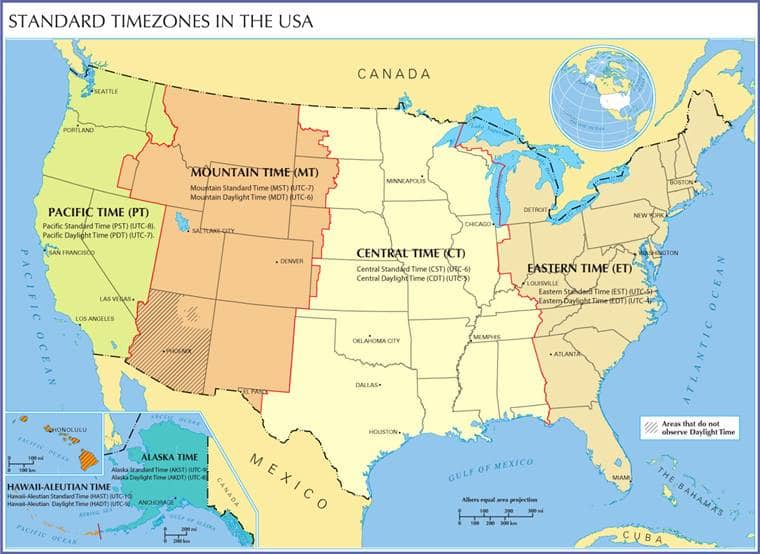
In essence, Arizona observes Mountain Standard Time (UTC-7) consistently, irrespective of the season. When most states shift to Daylight Saving Time in March, effectively moving to Mountain Daylight Time (MDT) or Pacific Daylight Time (PDT) depending on their geographical location, Arizona remains on MST. This means that during the summer months, Arizona effectively aligns with Pacific Daylight Time (PDT), sharing the same clock as cities like Los Angeles and Las Vegas. However, in the winter, once DST ends, Arizona reverts to being one hour ahead of Pacific Standard Time (PST), as it maintains its MST designation.
This fixed time has significant implications for daily life and travel. For locals, it means a stable schedule for work, school, and leisure, avoiding the minor disruptions associated with changing clocks. For tourists, it translates into a need for heightened awareness, particularly when crossing state lines or connecting with people in other parts of the United States. The motivation behind this choice is deeply practical: Arizona’s summers are notoriously hot, and an extra hour of daylight in the evening (which DST would provide) would only prolong the intense heat, shifting peak outdoor activities later into an already sweltering night. By sticking to MST year-round, the state effectively pushes daylight into the cooler morning hours during summer, making outdoor activities more pleasant before the midday sun becomes unbearable.
The Daylight Saving Time Exemption and Its Neighbors
Arizona’s decision to forgo Daylight Saving Time sets it apart from its surrounding states, creating a dynamic temporal relationship that travelers frequently encounter. During the summer months, when DST is in effect elsewhere:
- To the West: Arizona operates on the same time as California and Nevada (PDT).
- To the North and East: Arizona is one hour behind Utah, Colorado, and New Mexico, which observe Mountain Daylight Time (MDT).
Once Daylight Saving Time ends in the fall, and other states revert to standard time:
- To the West: Arizona becomes one hour ahead of California and Nevada (PST).
- To the North and East: Arizona is on the same time as Utah, Colorado, and New Mexico (MST).
This shifting relationship means that during half the year, you might gain an hour flying from Los Angeles to Phoenix, while during the other half, the time remains the same. The key takeaway is always to confirm the local time in Arizona relative to your point of origin or destination, especially when dealing with travel itineraries or virtual meetings.
The Navajo Nation Anomaly: A Critical Distinction
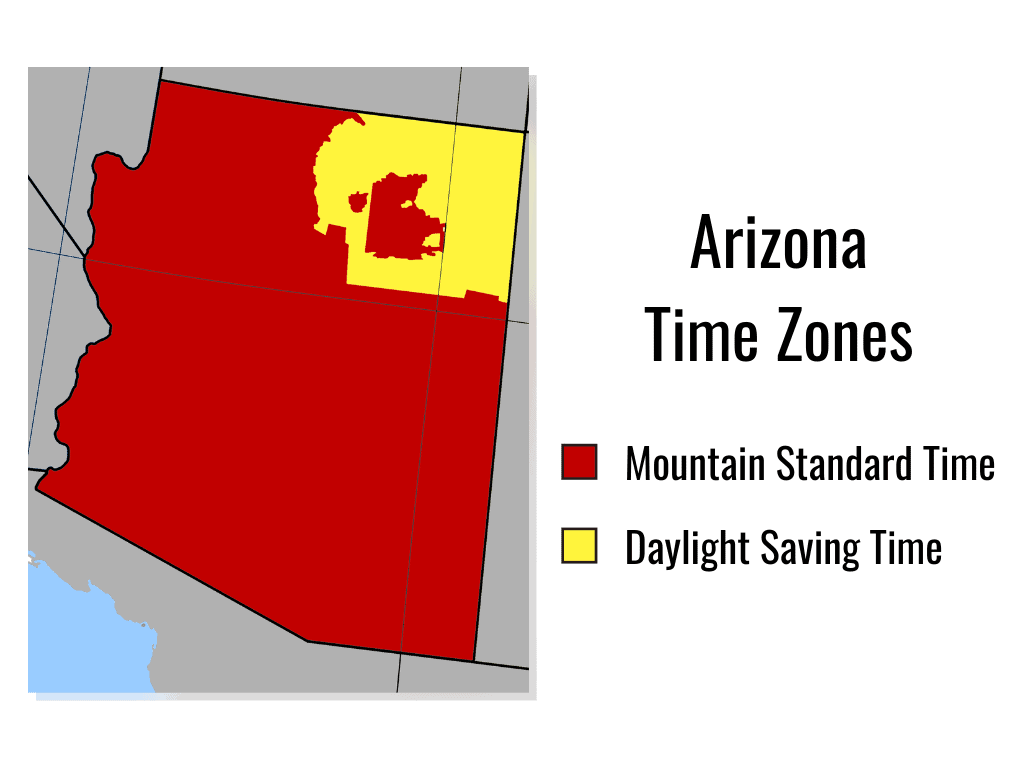
To add another layer of complexity to Arizona’s time puzzle, there’s one significant exception: the Navajo Nation. This vast tribal land, which extends into Utah and New Mexico, observes Daylight Saving Time. This means that for roughly half the year, the Navajo Nation is one hour ahead of the rest of Arizona.
This distinction is critically important for travelers venturing into northeastern Arizona, where many iconic landmarks like Antelope Canyon, Monument Valley, and parts of the Grand Canyon National Park are located. Many popular tours, particularly those for Antelope Canyon, originate from within the Navajo Nation, and their departure times will reflect the Navajo observance of DST.
For example, if you’re staying in Page, Arizona (which does not observe DST) and have booked an Antelope Canyon tour for 9:00 AM, you’ll need to remember that 9:00 AM on the Navajo Nation clock will feel like 8:00 AM to your Arizona-adjusted watch. Failing to account for this can lead to missed tours and significant frustration. The neighboring Hopi Reservation, however, does not observe DST, mirroring the rest of Arizona. Therefore, when traveling through these regions, always verify the local time, especially when arranging guided excursions or meeting local contacts.
The Impact on Your Arizona Travel Experience
Arizona’s consistent time zone, with the Navajo Nation exception, subtly weaves itself into every aspect of a traveler’s experience. From the moment you begin planning to the final souvenir purchase, an awareness of the local clock can enhance convenience and prevent unforeseen issues.
Planning Flights, Road Trips, and Connections
The most immediate impact of Arizona’s timekeeping is felt in transportation. When booking flights to Phoenix Sky Harbor International Airport (PHX) or Tucson International Airport (TUS), always pay close attention to the arrival and departure times listed, noting the time zone displayed by the airline. During the spring and summer, when much of the country is on DST, a flight from California (PDT) to Arizona (MST) will show the same time upon arrival, effectively meaning you don’t “lose” or “gain” an hour. Conversely, flying from Colorado (MDT) to Arizona (MST) will mean you “gain” an hour. In the fall and winter, these relationships reverse.
Road trippers, especially those coming from neighboring states, need to be particularly vigilant. Crossing the border from Nevada or Utah into Arizona can involve a sudden time change, depending on the season. This is crucial for pre-booked activities, dining reservations, or meeting up with friends. GPS devices and smartphone clocks usually adjust automatically, but it’s wise to double-check, especially if you’re relying on printed itineraries or older devices. For example, if you’re driving from Las Vegas to the Grand Canyon during summer, you’ll enter Arizona with no time change, but if you’re going to the Navajo Nation (e.g., Page), you’ll gain an hour.
Hotel Stays, Resort Activities, and Booking Considerations
Accommodation bookings and schedules for resort activities are another area where Arizona’s time difference comes into play. When booking a hotel or resort, confirm check-in and check-out times with respect to Arizona local time. This is usually standard practice, but an accidental miscalculation could lead to early or late arrivals/departures, potentially incurring extra fees or missed connections.
Many of Arizona’s world-class resorts, particularly in Phoenix and Scottsdale, offer a packed schedule of activities, from golf tee times and spa appointments to guided hikes and culinary classes. These are all run on local Arizona time. If you’re coordinating with family members or colleagues arriving from different time zones, ensure everyone is on the same page regarding the local schedule. For instance, during summer, an early morning golf tee time at 7:00 AM MST in Scottsdale might feel like 7:00 AM PDT to a Californian, but 8:00 AM MDT to someone from Denver. Clear communication is key to enjoying all the amenities a property has to offer, without a clock-related mix-up.
Exploring Attractions, Tours, and Dining Schedules
The vast array of attractions in Arizona, from national parks to vibrant cultural sites, all operate on local Arizona time. This includes opening and closing hours for museums, art galleries, national and state parks, and visitor centers. For guided tours, especially those involving sensitive timing like sunrise or sunset viewing at the Grand Canyon, or specific slot canyon tours in the Navajo Nation, understanding the local clock is paramount. As mentioned, tours departing from the Navajo Nation will run on Navajo time, which is one hour ahead of the rest of Arizona during DST. Always confirm the exact departure time with your tour operator, specifying “Navajo time” or “Arizona time” to avoid any ambiguity.
Dining experiences, from reservations at upscale restaurants in Phoenix to grabbing a casual bite in Sedona, are also governed by Arizona’s time. While most diners will naturally adjust, travelers making early dinner reservations for an 8:00 PM meal during summer might find it feels surprisingly late if they’re used to a DST schedule in their home state, as it would effectively be 9:00 PM in those areas. The extended daylight hours in summer, due to no DST, mean sunsets can be quite late, influencing when locals prefer to dine or start evening activities. This can provide a unique lifestyle experience, allowing for longer outdoor excursions before dinner.

Practical Tips for a Seamless Arizona Adventure
Navigating Arizona’s time zone needn’t be a source of stress. With a few simple strategies, you can ensure your trip unfolds smoothly and that you remain perfectly in sync with the local rhythm.
Setting Your Watch and Devices
The most fundamental step is to ensure all your timekeeping devices are correctly set. Modern smartphones, smartwatches, and GPS devices are generally excellent at automatically adjusting to local time zones. However, it’s always prudent to double-check. Upon arrival in [Arizona](https://lifeoutofthebox.com/arizona], glance at your phone’s clock. If it appears inconsistent with what locals are saying, or if you’re moving between Arizona and the Navajo Nation, manually verify your settings.
- Smartphones: Most phones have a “Set Automatically” option for time and date. While this usually works perfectly within Arizona (which defaults to MST), if you’re in the Navajo Nation, your phone might still display Arizona’s MST unless it specifically recognizes the Navajo DST observance. If in doubt, temporarily disable “Set Automatically” and manually set your phone to “Mountain Standard Time” when in Arizona proper, or “Mountain Daylight Time” (during summer) when in the Navajo Nation.
- Watches: For traditional wristwatches, manually adjust them upon arrival. Keep a mental note or a quick reference guide of the time difference to your home zone, especially during the DST period.
- Rental Cars: Check the clock in your rental vehicle. These often need manual adjustment and can be a common source of confusion if not updated.
Communicating Across Time Zones
Whether you’re calling home, coordinating with a tour guide, or setting up a business meeting, clear communication about time is essential. Always specify “Arizona time” or “Navajo time” to avoid ambiguity.
- Family and Friends: When scheduling calls or virtual meet-ups, state the time clearly, e.g., “Let’s call at 7 PM Arizona time.” This eliminates any guesswork.
- Tour Operators & Booking Agents: When confirming tour times, especially in the Grand Canyon or Page area, explicitly ask if the time quoted is “Arizona local time” or “Navajo Nation time.” Many operators are accustomed to this question and will clarify.
- Business Stays: For business travelers, being proactive about time zones in meeting invitations is courteous and efficient. Include both the local Arizona time and the corresponding time in other participants’ zones.
Embracing the Arizona Rhythm
Beyond the technicalities, Arizona’s unique timekeeping fosters a distinct lifestyle, especially during the hotter months. Embracing this rhythm can significantly enhance your travel experience. With no Daylight Saving Time in summer, mornings start earlier relative to the sun. This means the coolest, most pleasant part of the day is often from sunrise until mid-morning.
- Early Mornings: Plan your outdoor activities, such as hiking in Saguaro National Park or golfing in Scottsdale, for early morning. You’ll beat the heat and the crowds. Many locals are early risers for this very reason.
- Afternoon Respite: Use the peak afternoon heat for indoor activities like exploring museums, visiting art galleries, indulging in a spa treatment, or relaxing by the hotel pool (preferably shaded).
- Longer Evenings: The lack of DST means sunsets occur later in the summer than they would with DST. This creates wonderfully long evenings perfect for enjoying outdoor patios, exploring vibrant downtown areas like Old Town Scottsdale, or stargazing in the desert. Embrace the leisurely pace and the opportunity to extend your evening adventures under the desert sky.
Time Considerations for Iconic Arizona Destinations
Arizona’s diverse landscape offers an incredible range of destinations, each with its own rhythm and activities that can be subtly influenced by the state’s time zone.
Phoenix & Scottsdale: Urban Explorations
The bustling metropolitan areas of Phoenix and Scottsdale serve as primary gateways to Arizona. Here, the consistent Mountain Standard Time simplifies daily operations. Resorts like the Arizona Biltmore or JW Marriott Desert Ridge run all their amenities, from championship golf courses to spa services, on this reliable schedule. For visitors arriving from California during summer, there’s no time change, which makes adjusting to urban activities like visiting the Desert Botanical Garden or catching a professional sports game seamless.
During the summer months, the late sunsets are particularly noticeable in Phoenix, allowing for extended patio dining experiences or leisurely strolls through Old Town Scottsdale well into the evening, even past 8:00 PM. Businesses, including restaurants and shopping centers, adjust their hours to accommodate this, often staying open later to cater to evening patrons after the intense heat of the day has subsided.
Tucson: Desert Culture and History
Further south, Tucson offers a rich blend of desert beauty, Sonoran Desert culinary delights, and historical depth. Like Phoenix, Tucson adheres to year-round Mountain Standard Time. When exploring attractions such as Saguaro National Park or the Arizona-Sonora Desert Museum, remember that the early mornings are ideal for outdoor exploration. Planning a hike to catch the sunrise over the saguaro forests will require an earlier wake-up call than you might be used to if coming from a DST-observing state during summer, but the rewards are truly spectacular. Evening cultural events, concerts, or stargazing tours at Kitt Peak Observatory also benefit from the later sunsets, providing ample time for pre-event dining or sightseeing. The pace of life in Tucson often feels relaxed, and the stable time contributes to this steady, unhurried atmosphere.
The Grand Canyon & Northern Arizona: Nature’s Grandeur
Northern Arizona is home to some of the state’s most iconic natural wonders, including the majestic Grand Canyon, the spiritual vortexes of Sedona, and the high-altitude charm of Flagstaff. This region presents the most intricate time zone challenge due to the presence of the Navajo Nation.
- Grand Canyon National Park: The entire park, including both the South Rim and North Rim, observes Arizona time (MST year-round). This means if you’re planning to catch a breathtaking sunrise from Mather Point or sunset from Hopi Point during the summer, the sun will rise and set later than you might expect on a clock if you’re accustomed to DST. Always consult a specific sunrise/sunset schedule for the park and adjust your wake-up times accordingly.
- Sedona and Flagstaff: These popular destinations also adhere to Arizona time. Planning hikes in Sedona’s red rock country or exploring the historic streets of Flagstaff will follow this consistent schedule.
- Page & The Navajo Nation: This is where careful planning is vital. The town of Page, the gateway to attractions like Horseshoe Bend and Antelope Canyon, observes Arizona time. However, the famous Antelope Canyon itself, and the companies that run tours there, are on the Navajo Nation, which does observe Daylight Saving Time. During DST, if your tour from Page is scheduled for 10:00 AM Navajo time, you would need to depart Page at 9:00 AM Arizona time to be there promptly. Failing to account for this one-hour difference is a common mistake and often leads to missed tours. Always confirm the exact time zone with your tour operator for any activity within the Navajo Nation.
Your Timeless Arizona Journey Awaits
The question “What time in Arizona?” opens the door to understanding a fascinating aspect of this diverse state. Its steadfast commitment to Mountain Standard Time year-round, with the intriguing exception of the Navajo Nation, shapes daily life and significantly influences travel planning. While it might initially seem confusing, this unique time zone system is intrinsically linked to Arizona’s natural environment and the pragmatic lifestyle of its residents, allowing for optimal enjoyment of its sunny climate.
By being mindful of these nuances, carefully setting your devices, and communicating clearly, you can effortlessly navigate Arizona’s clock. This awareness empowers you to plan your itineraries with precision, ensuring you catch every majestic sunrise over the Grand Canyon, make every timely tour departure to Antelope Canyon, and never miss a reservation at a charming Sedona eatery. Embrace the rhythm of the Grand Canyon State, and you’ll find that its distinctive approach to time only adds to the magic and seamlessness of your adventure. Prepare to immerse yourself in the natural beauty, rich culture, and vibrant lifestyle of Arizona, knowing that your journey will be perfectly timed.
LifeOutOfTheBox is a participant in the Amazon Services LLC Associates Program, an affiliate advertising program designed to provide a means for sites to earn advertising fees by advertising and linking to Amazon.com. Amazon, the Amazon logo, AmazonSupply, and the AmazonSupply logo are trademarks of Amazon.com, Inc. or its affiliates. As an Amazon Associate we earn affiliate commissions from qualifying purchases.