
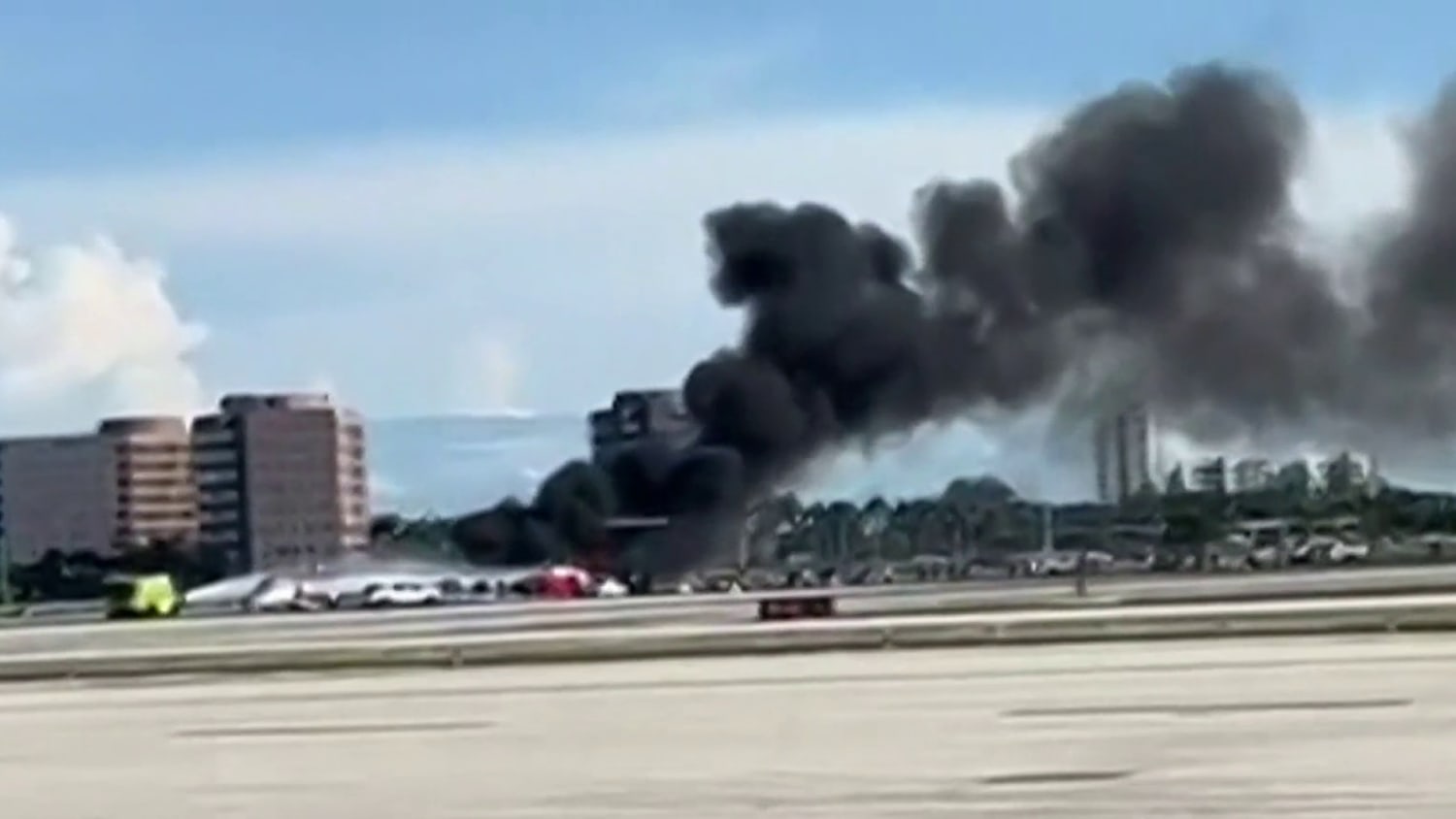
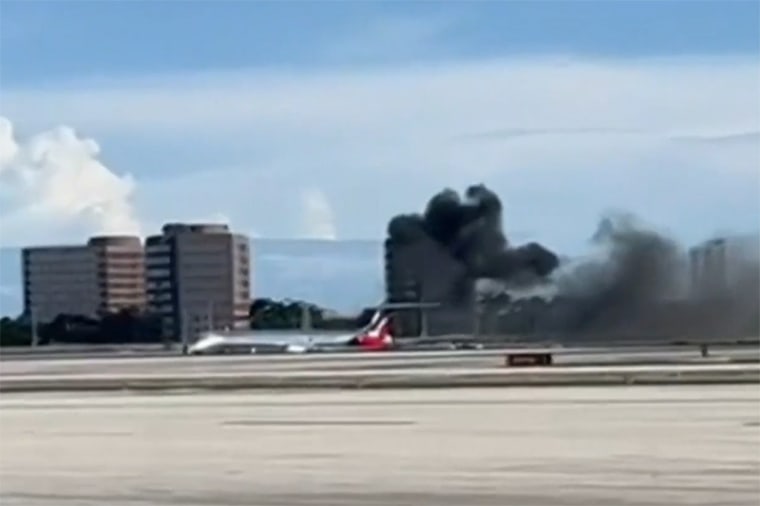
Today, a ripple of widespread disruption transformed the bustling hub of Miami International Airport (MIA) into a scene of unexpected chaos and prolonged waits for thousands of travelers. What began as a seemingly isolated technical glitch quickly cascaded into a system-wide malfunction impacting air traffic control communications, leading to significant delays, diversions, and ultimately, the cancellation of hundreds of flights. This unforeseen event not only grounded aircraft but also brought to the forefront the intricate dependencies of modern travel and the resilience of both passengers and the travel industry in adapting to sudden challenges. For those planning their next adventure or simply passing through Miami, today’s events at MIA serve as a stark reminder of travel’s inherent unpredictability and the importance of preparedness.
Unprecedented Disruption Grips Miami International Airport
The early hours at Miami International Airport hinted at a normal day, with the usual buzz of passengers checking in and aircraft preparing for departure. However, by mid-morning, reports of intermittent communication failures with air traffic control began to surface, initially causing minor delays. Within a couple of hours, the situation escalated dramatically. A comprehensive technical malfunction within a critical air traffic management system rendered large segments of the airspace around South Florida inoperable for a period, bringing flight operations to a near standstill. The Federal Aviation Administration (FAA) swiftly issued ground stops for all incoming and outgoing traffic, creating a ripple effect that spread across the United States and beyond, particularly impacting connections to the Caribbean, Latin America, and parts of Europe.
The Cause: Unraveling the Day’s Events
Preliminary investigations pointed to a complex software issue within a crucial data processing unit, which led to a breakdown in the secure communication channels between aircraft and ground control. This wasn’t a localized issue affecting a single airline; it was a systemic problem that necessitated a complete shutdown and reboot of critical infrastructure. While the FAA and airport authorities worked tirelessly to isolate and rectify the problem, the sheer scale of the technical challenge meant that restoration efforts were protracted. Engineers from various governmental and private sectors converged to address the malfunction, emphasizing the sophisticated, yet vulnerable, nature of the technological backbone supporting global air travel. The priority was not just to fix the issue but to ensure the integrity and safety of the system before any flights could resume, underscoring the unwavering commitment to passenger security above all else.
Immediate Impact on Flights and Travelers
The immediate aftermath was a scene of controlled chaos. Hundreds of flights were canceled, including those operated by major carriers like American Airlines, Delta Air Lines, and United Airlines. Thousands of passengers found themselves stranded, their travel plans abruptly derailed. Departure boards lit up with red “Canceled” or “Delayed” notifications, and long queues formed at airline customer service desks as travelers sought answers and alternative arrangements. Many international flights, already en route, were diverted to other airports in Florida and neighboring states, including Fort Lauderdale-Hollywood International Airport, adding further logistical complexity. The ripple effect extended to connecting flights globally, turning a day of travel into a logistical nightmare for many, highlighting the domino effect an incident at a major international hub can have on the intricate web of global air routes. Families on vacation, business travelers heading to crucial meetings, and individuals on personal journeys all felt the profound impact of the sudden disruption.
Navigating the Aftermath: Accommodation and Support
As the day progressed and the reality of extended delays or overnight stays set in, the immediate concern shifted from flight status to securing accommodation. With so many flights grounded, the demand for hotel rooms in and around Miami surged dramatically. The local tourism and accommodation sector quickly mobilized to support the influx of stranded travelers.
Securing a Stay: Hotels and Alternatives in Miami
For thousands of passengers, the immediate priority was finding a place to rest. Airlines, in many cases, provided vouchers for hotels, though availability became a significant challenge due to the sheer volume of affected individuals. Hotels across Miami, from the luxurious beachfront resorts of Miami Beach to the business-centric establishments in Downtown Miami and Brickell, quickly filled up. Properties like the Hyatt Regency Miami, JW Marriott Marquis Miami, and Four Seasons Hotel Miami near the airport and city center became hot commodities. Travelers with more flexibility or those seeking a taste of Miami’s vibrant lifestyle might have explored options further afield in South Beach, such as the Fontainebleau Miami Beach, W South Beach, or the Loews Miami Beach Hotel. Even boutique hotels and apartments in areas like Coral Gables or The Standard Miami Beach saw an unexpected boom in last-minute bookings. Online travel agencies and hotel comparison websites became invaluable tools for passengers desperately searching for available rooms. Many also turned to peer-to-peer accommodation services, highlighting the diverse range of choices available for those unexpected overnight stays, whether on a budget or seeking a luxury retreat. The immediate response from the hospitality industry in Miami underscored its capacity to handle large-scale, sudden demand, showcasing the city’s robust infrastructure for tourism and accommodation.
Airline Support and Passenger Rights
In the face of such a widespread incident, airlines activated their emergency protocols, though the scale of the disruption tested even the most prepared carriers. Assistance typically included rebooking on the next available flights, often across multiple days, and offering meal vouchers for prolonged waits at the airport. For those requiring overnight stays, the provision of hotel accommodation was a critical aspect of passenger support. However, with limited availability, many passengers had to seek and pay for their own lodging, hoping for reimbursement later.
Passenger rights, particularly in the United States, generally stipulate that airlines are not obligated to compensate passengers for “acts of God” or events beyond their control, which a system-wide air traffic control malfunction could be categorized as. However, many airlines chose to offer gestures of goodwill, such as travel credits or frequent flyer mile bonuses, in recognition of the significant inconvenience. Communication from airlines was a crucial element, with regular updates via apps, SMS, and email helping to manage expectations, though the sheer volume of affected passengers meant that direct, personalized assistance was often overwhelmed. The incident highlighted the ongoing debate regarding clearer, more comprehensive passenger rights in the event of major operational meltdowns, especially concerning compensation for lost time and pre-booked non-refundable activities at destinations.
Turning a Snag into an Opportunity: Exploring Miami
While the disruption was undoubtedly frustrating, some stranded travelers, particularly those with a flexible mindset and an unexpected extra day in Miami, seized the opportunity to explore the vibrant city. Miami offers a wealth of attractions, and for many, an unforeseen layover became an impromptu mini-vacation.
Unexpected Miami Adventures for Stranded Visitors
For those able to escape the airport, Miami presented itself as an exciting playground. The iconic Art Deco Historic District and the lively Ocean Drive in South Beach beckoned with their unique architecture, sandy beaches, and vibrant atmosphere. Travelers could take a short taxi ride to Vizcaya Museum & Gardens, an opulent estate offering a glimpse into Miami’s gilded age, complete with stunning architecture and picturesque bayfront views. Art enthusiasts might have found solace and inspiration at the Pérez Art Museum Miami or explored the interactive exhibits at the Phillip and Patricia Frost Museum of Science, both located in Downtown Miami overlooking Biscayne Bay. Even a leisurely stroll through the outdoor Bayside Marketplace offered a chance to enjoy the waterfront, browse shops, and dine at various restaurants. For adventurous souls, a day trip to Everglades National Park provided an unforgettable encounter with Florida’s unique wetland ecosystem and its abundant wildlife, including alligators. This unexpected twist allowed some travelers to experience Miami as a destination, not just a transit point, turning a frustrating delay into a memorable experience.

Culinary Delights and Cultural Immersion
Miami’s diverse cultural tapestry is best experienced through its food. Stranded passengers had the perfect excuse to delve into the city’s renowned culinary scene. A visit to Little Havana offered an authentic taste of Cuban culture, from strong Cuban coffee and pastelitos to lively street music and domino games. Restaurants in Coral Gables and Brickell provided a more upscale dining experience, ranging from exquisite seafood to innovative fusion cuisine. The colorful street art and trendy eateries of the Wynwood Walls district presented a different kind of cultural immersion, perfect for those seeking a bohemian vibe and unique culinary offerings. For cruise passengers whose departures from PortMiami might have been delayed, sampling Miami’s flavors was a delightful prelude to their sea voyage. This unplanned culinary journey added a silver lining to an otherwise stressful day, reinforcing Miami’s reputation as a world-class destination for food and culture.
Lessons Learned and Future Preparedness
Today’s incident at Miami International Airport serves as a critical case study for airports, airlines, and travelers worldwide. It underscores the fragility of complex systems and the need for continuous investment in redundant infrastructure and robust emergency protocols.
The Role of Technology in Crisis Management
The technical malfunction at MIA highlighted the absolute reliance on sophisticated technology in modern air travel. It exposed vulnerabilities that demand constant review and upgrade. Moving forward, authorities will likely intensify efforts to implement even more resilient, fail-safe systems, including enhanced backup protocols and real-time diagnostic tools to prevent similar widespread outages. The incident also demonstrated the critical role of digital communication platforms – airport apps, airline websites, and social media – in disseminating information to passengers, even if these channels were severely tested by the sheer volume of queries. Investing in AI-powered customer service tools and more dynamic rebooking systems could significantly mitigate future disruptions, improving the flow of information and efficiency of problem-solving for stranded travelers. The event provides a crucial impetus for a deeper look into cybersecurity measures and redundant systems that are essential for safeguarding the nation’s air travel infrastructure.
Enhancing the Traveler Experience
For travelers, the experience reiterated the importance of preparedness. Carrying essential items in carry-on luggage, having travel insurance that covers delays and cancellations, and subscribing to airline and airport alerts proved invaluable for those affected. The incident also underscored the value of flexible bookings and considering alternative modes of transportation when feasible. From the perspective of the travel industry, the event highlighted the need for seamless coordination between airports, airlines, hotels, and ground transportation providers during crises. Developing clearer, more accessible information on passenger rights and offering immediate, empathetic support can significantly improve the traveler experience during times of stress. Moreover, the incident in Miami may spur innovations in airport design and passenger flow management, ensuring that future disruptions, while unavoidable, can be handled with greater efficiency and less distress for the millions who rely on air travel. Ultimately, today’s events at MIA, while challenging, offer valuable insights for making global travel safer, more resilient, and ultimately, more enjoyable for everyone.
LifeOutOfTheBox is a participant in the Amazon Services LLC Associates Program, an affiliate advertising program designed to provide a means for sites to earn advertising fees by advertising and linking to Amazon.com. Amazon, the Amazon logo, AmazonSupply, and the AmazonSupply logo are trademarks of Amazon.com, Inc. or its affiliates. As an Amazon Associate we earn affiliate commissions from qualifying purchases.