
For travelers planning an adventure to the United States, understanding the local culture and sociopolitical leanings of a destination can significantly enhance the experience. Montana, often romanticized as the “Treasure State” with its vast open spaces and rugged beauty, frequently prompts the question: “Is Montana a blue or red state?” While a simplistic answer might satisfy a quick query, delving deeper reveals a fascinating landscape of political identity that subtly, and sometimes overtly, shapes the travel experience, local lifestyle, and even the types of tourism and accommodation you’ll encounter.
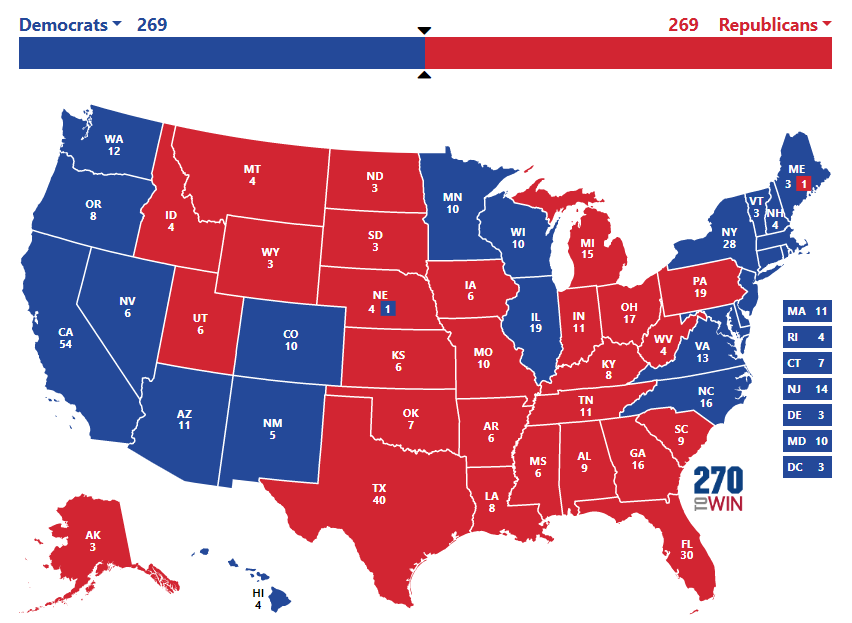
The short answer, particularly in a contemporary political context, is that Montana is overwhelmingly considered a red state. This means its electoral votes predominantly go to the Republican Party in presidential elections, and the state legislature, as well as its gubernatorial and congressional offices, are largely controlled by Republicans. However, to truly appreciate how this translates for a visitor, it’s essential to look beyond the ballot box and explore the historical, geographical, and cultural currents that define Montana’s unique identity. From the independent spirit of its rural communities to the burgeoning liberal pockets in its college towns, Montana offers a mosaic of experiences that reflect its complex political soul, impacting everything from local hospitality to conservation efforts of its breathtaking landmarks.
Understanding Montana’s Political Landscape Through a Traveler’s Lens
The perception of Montana as a red state is rooted in its demographics, history, and economic backbone. The vast majority of the state is rural, characterized by small towns, ranching communities, and a population that values self-reliance, gun rights, and limited government intervention – tenets often associated with conservative ideologies. This deeply ingrained ethos of independence and rugged individualism, inherited from its Wild West frontier days, forms the bedrock of its political identity. For a traveler, this often translates into encountering a strong sense of community, straightforward communication, and a deep respect for personal freedoms.
Historically, Montana had a more mixed political record, occasionally electing Democratic Party governors and senators, particularly during periods when mining and labor unions held significant sway. However, in recent decades, there has been a noticeable shift towards the Republican Party. This trend is evident in presidential elections; for instance, while Donald Trump won Montana comfortably in both 2016 and 2020, Joe Biden’s support was concentrated in the state’s few urban centers. This disparity highlights a crucial aspect for visitors: Montana is not a monolithic entity.
Historical Roots and Geographic Divides
The geographical layout of Montana plays a significant role in its political leanings. The eastern two-thirds of the state, dominated by the Great Plains, is sparsely populated and overwhelmingly conservative. This agricultural heartland, with its vast ranches and dryland farms, embodies traditional Montana values. In contrast, the western third, characterized by the majestic Rocky Mountains and more diverse landscapes, contains the state’s larger cities and popular tourist destinations.
Cities like Missoula (home to the University of Montana) and Bozeman (home to Montana State University), while still in a red state, exhibit more liberal tendencies. These areas attract a younger, more transient population, including students, academics, and outdoor enthusiasts who may hold more progressive views. This creates unique cultural pockets that feel distinctly different from the rest of the state. For travelers, this means that your experience in downtown Missoula or Bozeman might be akin to visiting a vibrant, progressive mountain town, while a journey through the small towns of eastern Montana will offer a glimpse into a more traditional, conservative way of life. Understanding these nuances is key to appreciating the full spectrum of Montana tourism and planning an authentic travel itinerary.
The Influence of Politics on Montana’s Travel and Tourism Scene
The dominant political leaning of Montana subtly influences various aspects of its travel and tourism industry, from the type of lifestyle promoted to the local cultural experiences available. While the state’s natural beauty remains its primary draw, the underlying conservative values shape how visitors engage with the landscape and its people.
Lifestyle and Culture Reflected in Local Experiences
In many parts of Montana, particularly outside the major urban centers, the lifestyle leans towards self-sufficiency, a strong work ethic, and a deep connection to the land. This translates into tourism experiences that often emphasize authenticity, rugged outdoor adventures, and a respect for traditional values. You’ll find dude ranches that offer genuine cowboy experiences, family-owned businesses that prioritize personal service, and local eateries that serve hearty, unpretentious fare. The local culture is often welcoming, though sometimes reserved, and directness is generally appreciated.
When seeking accommodation, you might notice a prevalence of independently owned cabins, lodges, and boutique hotels that reflect a more rustic, classic Montana aesthetic, rather than sprawling chain resorts (though these exist in key areas like Big Sky). Long-term stay options might include charming vacation rentals that offer a taste of rural living. These choices often cater to travelers seeking an escape from urban hustle, an opportunity to disconnect, and a chance to immerse themselves in nature. The “lifestyle” promoted through tourism often highlights outdoor recreation, wildlife viewing, hunting, and fishing – activities that resonate strongly with the state’s conservative, nature-loving populace.
Conservation Efforts and Outdoor Recreation
Montana’s political identity also intersects with its renowned natural attractions. Despite a conservative political bent, there’s a strong, bipartisan love for Montana’s wild spaces. This isn’t necessarily contradictory; many conservatives in the state are ardent hunters, anglers, and outdoor enthusiasts who are deeply invested in land stewardship and wildlife conservation. This shared value ensures that iconic landmarks like Glacier National Park and the gateway communities to Yellowstone National Park remain protected and accessible.
However, the approach to conservation can differ. While environmental protection is important, there’s often an emphasis on resource management that balances recreation, industry (like timber or mining), and conservation, rather than strict preservationist policies that might be favored by more liberal states. For visitors, this means that while access to vast public lands is abundant, you might also see evidence of resource industries alongside pristine wilderness. Organizations like the Montana Historical Society or the Museum of the Rockies frequently highlight the state’s natural history and the importance of its landscapes to its heritage. Understanding this balance helps travelers appreciate the complex relationship Montanans have with their environment.
Economic Impact and Local Businesses
The political climate can also influence local businesses and the overall tourism economy. In a state that generally favors less regulation and lower taxes, small businesses, including those in the hospitality sector, often thrive on a sense of community and entrepreneurial spirit. You’ll find unique local shops, family-run restaurants, and tour operators that offer specialized experiences. This can make for a more authentic travel experience, as tourists are often directly supporting local families and their livelihoods.
However, a strong conservative stance might also lead to different approaches in areas like public health policy or social programs, which, while not directly impacting a tourist’s vacation plans, can shape the broader social environment. For example, discussions around mask mandates or vaccine requirements, prevalent during the recent pandemic, often reflected the state’s conservative leanings, impacting how certain businesses operated and how tourists perceived local health guidelines. Nonetheless, the overarching goal of businesses catering to tourism, from charming bed and breakfasts to luxury resorts, remains to provide excellent service and an unforgettable Montana experience.
Navigating Montana: Tips for Visitors in a “Red” State
Traveling through Montana, regardless of your personal political views, is an incredibly rewarding experience. Its natural beauty is unparalleled, and its people are generally friendly and hospitable. However, being mindful of the prevailing cultural and political atmosphere can enrich your trip and ensure smoother interactions.
Respecting Local Values and Customs
The core of a positive travel experience in any destination is respect for local customs. In Montana, this often means appreciating the independent spirit, traditional values, and conservative outlook that many residents hold dear. While political discussions might arise, it’s generally advisable to approach them with an open mind and avoid contentious debates, especially in public settings. Simple courtesies, like acknowledging local traditions, appreciating the quietude of rural areas, and respecting private property, go a long way. This includes understanding the prevalence of gun ownership, which is deeply ingrained in the state’s culture, tied to hunting, self-defense, and historical traditions, particularly in the Rocky Mountain Front and other rural regions.
Diverse Experiences Across the State
Remember the geographic and demographic divides discussed earlier. If you’re seeking a more liberal, artsy, or bohemian vibe, focus your accommodation and activity searches on cities like Missoula and Bozeman. These college towns offer a diverse array of dining options, cultural events, and a more progressive social scene. For example, Bozeman has seen a significant influx of new residents, creating a dynamic environment that blends its roots with modern influences, making Gallatin County a vibrant hub.
Conversely, if you’re keen to immerse yourself in the quintessential “Big Sky Country” experience – ranches, rodeo, and a strong sense of tradition – explore areas like Helena (the state capital), Billings (the largest city, but with a more conservative lean), Great Falls, or towns within the eastern plains, such as those in Custer Country. Each region offers a distinct flavor of Montana lifestyle and tourism, ensuring there’s something for every preference, whether you’re looking for luxury travel or a more budget-friendly adventure.

Choosing Your Accommodation and Activities
When booking accommodation, consider the local context. In areas like Big Sky, you’ll find upscale resorts like Big Sky Resort catering to a more affluent, international clientele, alongside rustic cabins. In smaller towns, you might find charming bed and breakfasts or local motels. Utilize booking platforms to read reviews and get a sense of the vibe of specific establishments.
Activities are abundant and varied. For natural landmarks, head to Yellowstone National Park (accessible via the Yellowstone Country region, especially Park County), Glacier National Park, Flathead Lake, or state parks like Lewis and Clark Caverns State Park and Makoshika State Park. Embrace outdoor pursuits like hiking, fishing (on rivers like the Blackfoot River, Missouri River, or Yellowstone River), skiing in winter, or exploring charming towns like Whitefish in the Flathead Valley. For history buffs, the Dinosaur Trail and various historical sites offer deep dives into the state’s past. Wildlife viewing at the National Bison Range or the Grizzly & Wolf Discovery Center are popular choices, irrespective of political leanings. By focusing on your interests and doing a bit of research on specific locales, you can tailor a trip that perfectly aligns with your preferences.
Beyond the Political Label: Montana’s Undeniable Allure
While the political “red” label provides a framework for understanding Montana’s cultural backdrop, it ultimately fades into the background when confronted with the sheer magnitude of its natural beauty and the breadth of experiences it offers. Montana remains one of the most captivating travel destinations in the United States, beckoning adventurers, nature lovers, and those seeking a genuine escape from the ordinary.
Iconic Destinations and Natural Wonders
The state is a treasure trove of iconic landmarks. Yellowstone National Park, shared with Wyoming and Idaho, offers geothermal wonders, abundant wildlife, and endless hiking trails. To its north, Glacier National Park, often called the “Crown of the Continent,” boasts pristine forests, alpine meadows, rugged mountains, and spectacular lakes carved by ancient glaciers. Beyond the national parks, the Bitterroot Valley offers serene beauty, while Flathead Lake, the largest freshwater lake west of the Mississippi River, is perfect for boating and watersports. These destinations are not merely places to visit; they are experiences that define a lifestyle centered around the great outdoors, embodying the true spirit of Montana.
Unique Lifestyle and Outdoor Adventures
Montana provides a unique blend of rugged outdoor adventures and opportunities for a relaxed, nature-centric lifestyle. From world-class fly-fishing on the Madison River to thrilling skiing and snowboarding at Big Sky Resort, the state caters to all levels of outdoor enthusiasts. Wildlife viewing is a highlight, with opportunities to see bison, elk, moose, and even grizzly bears in their natural habitats. For those interested in a deeper immersion, ranch stays offer a glimpse into the agricultural traditions that underpin much of the state’s economy and culture. This vibrant outdoor lifestyle is a core element of Montana’s appeal, drawing visitors from across the globe who seek both thrill and tranquility.
Planning Your Montana Adventure
Ultimately, whether Montana is blue or red is less important than the incredible journey it promises. As you plan your trip, consider the diverse range of accommodation options, from luxury hotels in Bozeman to rustic cabins near Whitefish. Explore the local food scene, which often features hearty meats, fresh produce, and microbrews. Engage with locals, learn about their lives, and take the opportunity to experience a culture deeply connected to the land. Montana is a state that rewards curiosity and respect with unparalleled scenic beauty, authentic experiences, and a profound sense of place. So pack your bags, prepare for adventure, and discover for yourself why the “Treasure State” is an unforgettable destination, regardless of its political hue.
LifeOutOfTheBox is a participant in the Amazon Services LLC Associates Program, an affiliate advertising program designed to provide a means for sites to earn advertising fees by advertising and linking to Amazon.com. Amazon, the Amazon logo, AmazonSupply, and the AmazonSupply logo are trademarks of Amazon.com, Inc. or its affiliates. As an Amazon Associate we earn affiliate commissions from qualifying purchases.