
Planning a trip to the Heartland of America often involves meticulous preparation, from mapping out picturesque routes and booking charming accommodations to researching local cuisine and must-see landmarks. Yet, one crucial detail that can easily be overlooked, especially in states with diverse geography, is understanding the local time. For travelers heading to Nebraska, this is particularly relevant, as the state straddles two distinct time zones. Knowing the correct time isn’t just about punctuality; it’s fundamental to seamless travel, ensuring you catch your flights, arrive on time for reservations, and maximize every moment exploring the Cornhusker State’s rich tapestry of attractions.
Nebraska is primarily located within the Central Time Zone (CT), which observes Central Daylight Time (CDT) during Daylight Saving Time and Central Standard Time (CST) outside of it. However, the westernmost region of the state, encompassing a significant portion of the panhandle, operates on Mountain Time Zone (MT), transitioning between Mountain Daylight Time (MDT) and Mountain Standard Time (MST). This seemingly small detail can have a profound impact on your travel experience, from coordinating meetings to timing your visits to national parks and historical sites. Let’s delve deeper into Nebraska’s time zones and how this knowledge can enhance your adventure.
Navigating Nebraska’s Time Zones: An Essential Guide for Travelers
Understanding which time zone you’re in, and how it might change as you traverse the state, is paramount for any visitor to Nebraska. This dual time zone system is a fascinating geographical quirk that speaks to the state’s vastness and its position bridging the eastern and western halves of the United States.
Central Time Zone: The Heartbeat of Nebraska
The vast majority of Nebraska, including its two largest cities, Omaha and Lincoln, falls within the Central Time Zone. This means that during the spring and summer months, from early March to early November, these areas observe Central Daylight Time (CDT), which is UTC-5. For the rest of the year, they switch to Central Standard Time (CST), which is UTC-6.
Travelers arriving at Eppley Airfield in Omaha or Lincoln Airport will immediately find themselves on CT. This zone covers the bustling urban centers, the fertile farmlands of eastern Nebraska, and the sprawling Sandhills region, extending westward until a specific set of county lines. When planning your visits to major urban attractions like the Henry Doorly Zoo and Aquarium in Omaha or the Nebraska State Capitol in Lincoln, you can confidently set your watch to Central Time. This consistent time applies to nearly 90% of the state’s population and land area, simplifying much of the initial trip planning for most visitors.
Mountain Time Zone: Western Nebraska’s Unique Rhythm
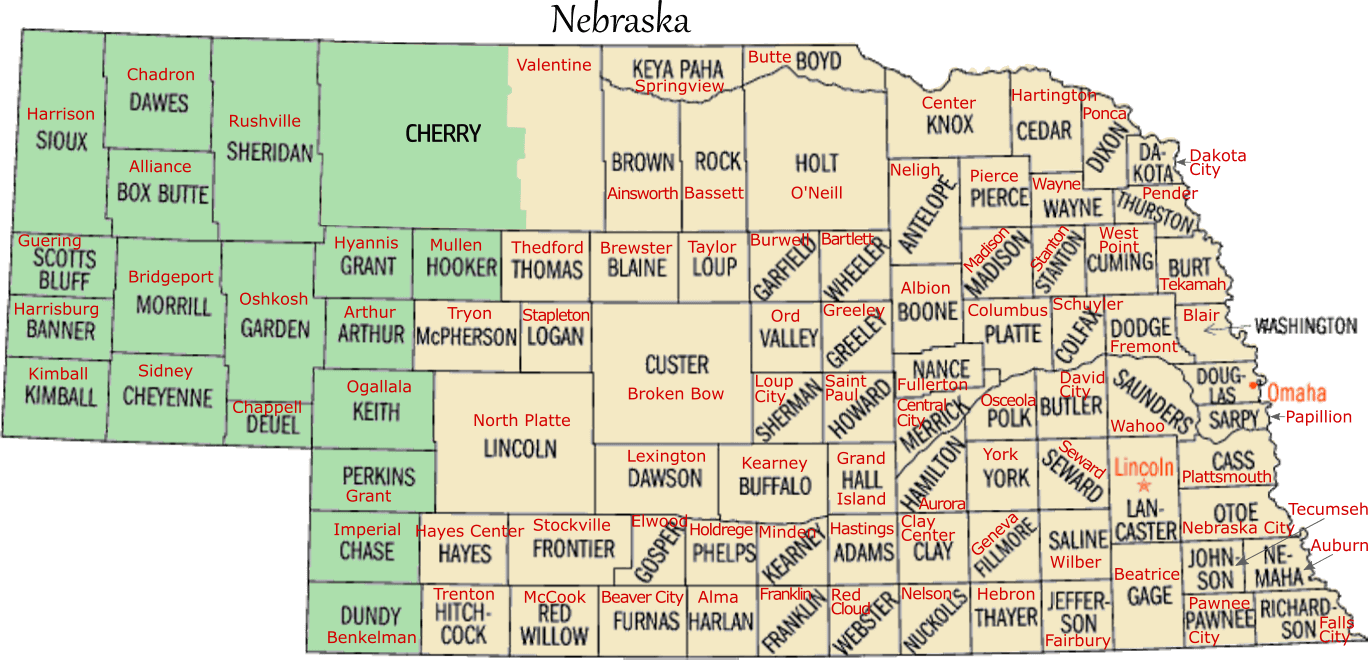
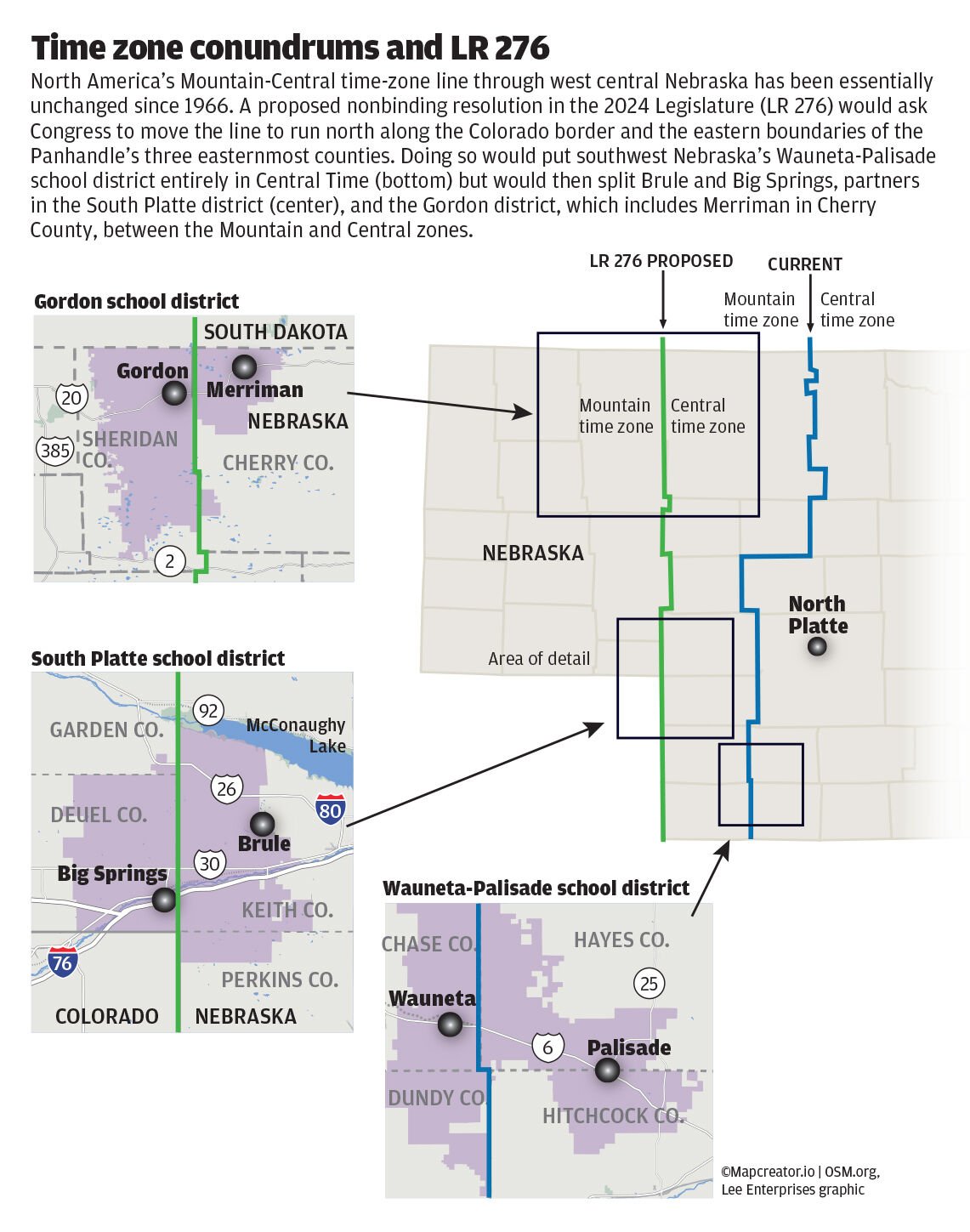
The western panhandle of Nebraska operates on Mountain Time Zone (MT), observing Mountain Daylight Time (MDT), which is UTC-6, during Daylight Saving Time, and Mountain Standard Time (MST), UTC-7, during the rest of the year. This shift occurs along specific county borders. Typically, Cherry County, Grant County, Hooker County, Arthur County, and McPherson County are the easternmost counties that straddle the CT/MT line, with their western halves in MT. All counties to their west, including Scotts Bluff County, Kimball County, Cheyenne County, Box Butte County, and others, are entirely within the Mountain Time Zone.
Cities like Scottsbluff, Gering, Alliance, and Chadron are notable population centers in this western region, all observing MT. This time zone delineation is largely influenced by the proximity of these areas to neighboring states such as Colorado and Wyoming, which also operate on Mountain Time. For visitors exploring the dramatic landscapes of western Nebraska, such as Scotts Bluff National Monument or Chimney Rock National Historic Site, it’s crucial to adjust your clocks by one hour when crossing into this zone. This hour difference can mean the difference between making it to a sunset viewing spot or missing the last entry time for a historic site. Always double-check your itinerary against local time in these regions to avoid any scheduling mishaps.
Beyond the Clock: Maximizing Your Nebraska Experience
Understanding the time zones is just the first step. Integrating this knowledge into your overall travel planning is key to a rewarding and stress-free journey through Nebraska. From booking your ideal accommodation to savoring the unique local culture, every aspect of your trip can benefit from this foresight.
Planning Your Itinerary: Time Zones and Travel Logistics
Effective itinerary planning is where your awareness of Nebraska’s dual time zones truly pays off. When making bookings for flights, rental cars, hotels, or guided tours, always confirm the local time of your destination. A flight departing from Omaha (CT) to a small airport in western Nebraska (MT) will have a scheduled arrival time that reflects the one-hour difference, potentially making your journey seem shorter on paper than it is in real-time. Similarly, if you’re driving across the state, factor in the time change when estimating arrival times for dinner reservations or hotel check-ins.
For example, if you plan to explore the bustling Old Market district in Omaha in the morning and then drive to the Strategic Air Command & Aerospace Museum near Ashland in the afternoon, both are firmly in Central Time, so no adjustments are needed. However, if your next day involves heading west towards the captivating Sandhills Journey Scenic Byway and eventually reaching Chadron (MT), remember to set your clock back an hour as you cross into the Mountain Time Zone. This ensures you arrive promptly for any pre-arranged activities or simply to catch the stunning western Nebraska sunset at your leisure. Utilizing time zone converters or reliable navigation apps that automatically adjust for time zones can be incredibly helpful tools for a smooth journey.

Must-Visit Destinations and Experiences Across Time Zones
Nebraska offers a diverse range of destinations and experiences, each with its unique appeal, spanning across both time zones.
Eastern Nebraska (Central Time Zone) Highlights
In the Central Time Zone, Omaha stands out with its vibrant urban lifestyle. The Henry Doorly Zoo and Aquarium is consistently ranked among the world’s best, offering immersive exhibits that transport visitors to diverse ecosystems. The Old Market, with its cobblestone streets, art galleries, boutiques, and diverse restaurants, is perfect for an evening stroll and a taste of Omaha’s local culture. Don’t miss the chance to try a Runza, a beloved Nebraska culinary institution. Further south, Lincoln, the state capital, boasts the iconic Nebraska State Capitol, an architectural marvel, and the serene Sunken Gardens. For history buffs and aviation enthusiasts, the Strategic Air Command & Aerospace Museum near Ashland provides a fascinating glimpse into military history and aerospace innovation.
Western Nebraska (Mountain Time Zone) Wonders
Venturing into the Mountain Time Zone reveals a different side of Nebraska, characterized by dramatic landscapes and rich pioneer history. Scotts Bluff National Monument offers breathtaking views from its summit, a historical landmark for pioneers on the Oregon Trail. Nearby, the instantly recognizable spire of Chimney Rock National Historic Site served as a beacon for westward-bound settlers. For a quirky and memorable roadside attraction, Carhenge near Alliance is a must-see, a unique homage to Stonehenge constructed entirely from vintage automobiles. Fort Robinson State Park, one of the most historic sites in the state, offers opportunities for horseback riding, hiking, and exploring old military buildings, blending history with stunning nature. These western Nebraska attractions truly embody the spirit of the Great Plains and the legacy of American expansion.
Accommodation & Lifestyle: Finding Your Perfect Stay in Nebraska
Your choice of accommodation significantly shapes your travel experience in Nebraska. Whether you’re seeking luxury travel, a budget-friendly stay, or a family trip, Nebraska offers diverse options, each contributing to the unique lifestyle and tourism landscape of the state.
Hotels and Resorts for Every Traveler
Nebraska’s hospitality sector caters to a wide array of preferences and budgets. In Omaha, Lincoln, and other larger towns in the Central Time Zone, you’ll find a selection of upscale hotels and resorts offering premium amenities. For instance, The Farnam Hotel in Omaha provides a touch of luxury with sophisticated design and excellent service, ideal for business stays or a pampered getaway. In Lincoln, the Embassy Suites by Hilton Lincoln Downtown Haymarket offers spacious suites perfect for families, complete with complimentary breakfast and evening receptions. For those exploring the Sandhills, unique lodges and ranches provide rustic charm and a true taste of the Nebraska outdoors, often providing a more intimate and immersive experience.
In the Mountain Time Zone of western Nebraska, accommodation options range from well-known chain hotels in cities like Scottsbluff to cozy bed and breakfasts near national monuments. For an unforgettable stay, consider Fort Robinson State Park, where you can stay in renovated historic buildings, including the former officers’ quarters, offering a blend of history and comfort. This type of unique accommodation offers not just a place to sleep but an integral part of your travel experience. Before booking, remember to check reviews and compare options to find the perfect fit for your travel style and budget, ensuring a comfortable base from which to explore Nebraska’s diverse offerings.
Experiencing Nebraska’s Unique Lifestyle and Hospitality
Nebraska’s lifestyle is deeply rooted in its agricultural heritage and the warm, welcoming spirit of the Midwest. From the urban sophistication of Omaha to the rugged charm of the Sandhills, the state offers a distinct blend of culture, food, and activities. Tourism here thrives on genuine encounters and a relaxed pace. Enjoy a perfectly grilled Nebraska steak, a testament to the state’s beef industry, or sample local craft beers at one of the many burgeoning breweries.
Activities vary widely depending on the region. In eastern Nebraska, you might catch a Husker football game at Memorial Stadium in Lincoln, an experience that truly captures the state’s passionate collegiate sports culture. Omaha hosts the College World Series annually, drawing baseball fans from across the nation. For those seeking outdoor adventures, the Platte River and Missouri River offer opportunities for fishing, kayaking, and birdwatching, especially during the spectacular sandhill crane migration.
In western Nebraska, the wide-open spaces invite hiking, stargazing, and exploring the vastness of the Great Plains. Rodeos and county fairs are common, offering a glimpse into the authentic cowboy lifestyle and agricultural roots of the region. These cultural experiences, combined with the ease of navigation once you account for time zones, make Nebraska a hidden gem for travelers seeking authenticity and wide-open spaces.
In conclusion, while the question “What is the time in Nebraska?” seems straightforward, the answer reveals a fascinating detail about the state’s geography and history. By understanding that Nebraska operates on both Central Time and Mountain Time, you empower yourself to plan a more efficient and enjoyable trip. From coordinating visits to iconic landmarks like the Henry Doorly Zoo and Aquarium or Scotts Bluff National Monument to immersing yourself in the genuine Midwestern hospitality and diverse accommodations, a little temporal awareness goes a long way. So, set your watch, embrace the journey, and discover the timeless beauty of Nebraska.
LifeOutOfTheBox is a participant in the Amazon Services LLC Associates Program, an affiliate advertising program designed to provide a means for sites to earn advertising fees by advertising and linking to Amazon.com. Amazon, the Amazon logo, AmazonSupply, and the AmazonSupply logo are trademarks of Amazon.com, Inc. or its affiliates. As an Amazon Associate we earn affiliate commissions from qualifying purchases.