
The State of Nevada holds a unique and often misunderstood position in the United States regarding the legality of prostitution. For many visitors planning a trip to iconic destinations like Las Vegas, the assumption might be that all forms of adult entertainment, including prostitution, are openly sanctioned across the entire state. However, the reality is far more nuanced, governed by a complex patchwork of state laws and individual county ordinances that dictate where, and under what strict conditions, prostitution is permitted. Understanding this legal landscape is crucial for anyone traveling through Nevada, whether for leisure, business, or simply exploring its vast and varied landscapes.
This article delves into the specifics of Nevada’s prostitution laws, clarifying common misconceptions and providing essential information for tourists and residents alike. We will explore where legal brothels operate, why they are prohibited in major urban centers, and the stringent regulations that govern their existence. Furthermore, we will touch upon the broader implications for tourism, lifestyle, and the overall visitor experience in a state renowned for its liberal approach to entertainment but equally firm on its legal boundaries.

The Legal Landscape of Prostitution in Nevada
Contrary to popular belief, prostitution is not legal throughout the entirety of Nevada. The law is quite specific: commercial sex work is explicitly illegal in any county with a population exceeding 700,000 residents. This critical demographic threshold effectively prohibits legal brothels from operating in the state’s most populous regions, notably Clark County (home to Las Vegas, Henderson, and other major cities) and Washoe County (where Reno is located). This means that if you are visiting a major Nevada city, any solicitation or engagement in prostitution outside of a legally licensed brothel in a permissible county is illegal and carries significant penalties.
The historical context of these laws dates back to the early days of Nevada’s statehood, evolving over time to reflect a blend of economic realities, moral considerations, and the desire to control an activity that existed regardless of its legal status. The current framework represents a compromise, allowing certain counties the autonomy to permit and regulate brothels, thereby bringing the industry under strict health and safety controls, while outright banning it in areas where the social and logistical challenges of regulation would be overwhelming.

Where it’s Legal: Understanding County Ordinances
For prostitution to be legal in Nevada, two primary conditions must be met: the county’s population must be below 700,000, and the county must explicitly pass an ordinance allowing and regulating brothels. Currently, there are a handful of rural counties that meet these criteria and have chosen to permit legal brothels. These counties include Storey County, Lyon County, Nye County, Elko County, White Pine County, Lander County, Mineral County, and Esmeralda County.
Within these counties, brothels operate as legitimate, licensed businesses. They are typically located in more isolated areas, often just outside small towns, to minimize their impact on residential areas and maintain a degree of discretion. These establishments are far removed from the glitz and glamor of Las Vegas casinos or urban tourist attractions. Instead, they are often unassuming buildings, sometimes resembling large ranch houses, discreetly advertising their services. Visitors seeking these establishments must be prepared to travel significant distances from major population centers, as they are part of the rural landscape of Nevada.
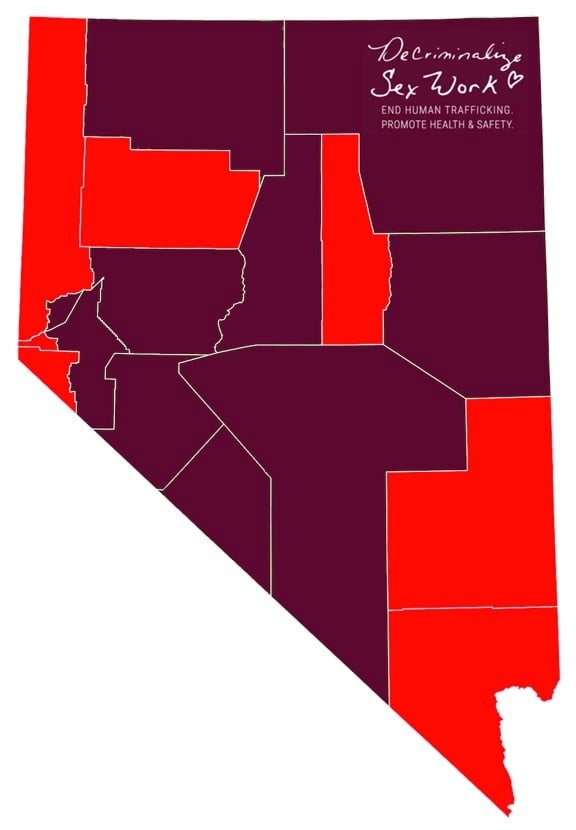
It is crucial to understand that even within these legal counties, the specific operation of brothels is subject to local zoning laws and municipal regulations. Not every town or city within a legal county will necessarily host a brothel, and some may have additional local ordinances that restrict their locations or advertising. For example, while Nye County permits brothels, the town of Pahrump within it has historically seen debates and challenges regarding brothel operations within its immediate vicinity.
The Illegality of Prostitution in Major Cities
The absolute illegality of prostitution in Clark County and Washoe County cannot be overstated. This means that engaging in, soliciting, or promoting prostitution in Las Vegas, Reno, Henderson, or Carson City (which is an independent city not part of any county, but operates under its own anti-prostitution statutes) is against the law. Despite the vibrant nightlife, the prevalence of adult entertainment shows, and the general “anything goes” reputation often associated with Las Vegas, street prostitution, illegal massage parlors, and unverified escort services operating outside of a licensed brothel are considered criminal offenses.
Law enforcement in these areas actively works to combat illegal prostitution, and penalties for both solicitors and providers can be severe, including fines, jail time, and a permanent criminal record. For tourists, an arrest for prostitution-related offenses can lead to significant legal complications, disrupt travel plans, and damage one’s reputation. It is a common misconception that because something is widely advertised or seems readily available, it must be legal. In the context of prostitution in Nevada’s major cities, this assumption is dangerously incorrect. Visitors should always adhere to the law to ensure a safe and enjoyable trip.
Regulations and Requirements for Legal Brothels
The operations of legal brothels in Nevada are subject to some of the most stringent regulations for sex work globally. These aren’t unregulated free-for-alls; rather, they are highly controlled environments designed to minimize health risks and prevent exploitation. The state’s approach is often described as harm reduction, aiming to bring an otherwise clandestine activity into the light of regulation to ensure safety and public health. These regulations cover everything from the licensing of the establishment itself to the health of the workers and the conduct of clients.
The robust regulatory framework is a key differentiator between legal brothels and illegal sex work. It’s what gives Nevada its unique position, aiming for a system where the activity is managed rather than driven entirely underground. This is a point of constant debate and scrutiny, but within the bounds of the law, these establishments operate under a watchful eye.
Licensing and Health Protocols
Before a brothel can open its doors, it must obtain a license from the local county government, which typically involves a rigorous application process, background checks, and adherence to specific zoning and operational requirements. Brothel owners and managers are responsible for ensuring all regulations are met, and their establishments are subject to regular inspections by local authorities.
Perhaps the most well-known aspect of Nevada’s brothel regulations concerns the health and safety of the sex workers. All legal brothel workers are required by law to undergo regular health screenings. These screenings include weekly tests for sexually transmitted infections (STIs), most notably HIV and syphilis. Workers are also mandated to use condoms with clients for all sexual activities. These strict health protocols are a cornerstone of the legal brothel system, designed to protect both the workers and the clients. Any worker found to have an STI is immediately removed from work until they are cleared by medical professionals. This rigorous health oversight is often cited by proponents as a reason why regulated prostitution is safer than its illegal counterpart.
Furthermore, workers are typically required to live on-site during their shifts, ensuring a degree of control over their environment and adherence to the brothel’s rules. They are independent contractors, not employees, and negotiate their own terms with clients, with a portion of the fee going to the brothel for overhead and services.
Age Restrictions and Client Conduct
Strict age restrictions are enforced within Nevada’s legal brothels. Only individuals who are 21 years of age or older are permitted to work in or patronize these establishments. Identification checks are standard practice to prevent underage involvement, and any violation of this rule would result in severe legal consequences for the brothel owner and potentially the client.
Client conduct within brothels is also subject to rules. While the specifics can vary slightly between establishments, general expectations include respectful behavior towards workers and staff, adherence to agreed-upon services and prices, and compliance with the brothel’s health and safety policies (such as condom use). Any form of coercion, harassment, or illegal activity beyond the scope of consensual, regulated sex work is strictly prohibited and would lead to immediate expulsion and potential legal action. Brothels operate under tight security, and violations are taken seriously.
These regulations reflect an attempt to professionalize and standardize an industry that, elsewhere, is often associated with exploitation and danger. By setting clear boundaries and enforcing strict controls, [Nevada](https://lifeoutofthebox.com/nevada] aims to manage the inherent risks while allowing the industry to exist where local communities permit it.
The Impact on Tourism and Lifestyle in Nevada
The legal status of prostitution in parts of Nevada undeniably contributes to the state’s multifaceted identity, drawing a certain level of curiosity and, for some, serving as an additional facet of the “adult playground” image. However, it’s essential to contextualize this aspect within the broader tourism and lifestyle landscape. While brothels are legal in certain rural counties, they are not a primary tourist attraction for the vast majority of visitors to Nevada.
For most travelers, the appeal of Nevada lies in its world-class entertainment, luxury hotels, diverse culinary scene, vibrant nightlife, stunning natural landscapes like Lake Tahoe or Red Rock Canyon, and unique cultural experiences. The brothels exist on the periphery of this mainstream tourism, catering to a specific niche rather than broadly defining the state’s allure. Travel guides and tourism boards rarely, if ever, feature brothels as recommended destinations, focusing instead on family-friendly attractions, outdoor adventures, and the iconic resorts and casinos of Las Vegas and Reno.
A Unique Aspect of Nevada’s Identity
Despite its limited role in mainstream tourism, the legal brothel system remains a significant and often debated part of Nevada’s social and economic fabric. It sets the state apart, making it the only place in the United States where prostitution can be legal under specific circumstances. This uniqueness is a point of contention for many, both within and outside the state. Proponents often highlight the regulatory benefits – enhanced safety for workers, health monitoring, and taxation – while opponents raise ethical concerns, arguing that any form of commercialized sex work is inherently exploitative, regardless of regulation.
From a lifestyle perspective, those who live in Nevada’s major cities are largely unaffected by the brothels, as they are located far from their daily lives. In the rural counties where brothels operate, they are often a long-standing, if sometimes controversial, part of the local economy, providing jobs and tax revenue. The existence of these establishments reflects a libertarian streak often associated with Nevada, emphasizing individual freedom and limited government intervention in personal choices, as long as public order and safety are maintained.
Ethical Considerations and Visitor Awareness
For tourists, understanding the legal nuances and ethical considerations is paramount. While some visitors might be curious about the brothel system, it is crucial to approach the topic with awareness and respect for the laws and the individuals involved. Engaging in discussions or activities that are illegal in a particular jurisdiction, even if perceived as legal elsewhere in the state, can lead to serious consequences.
Furthermore, visitors should be aware of the ethical debates surrounding prostitution. While Nevada’s system is regulated, the broader global context of sex work includes significant issues of human trafficking and exploitation. Tourists should exercise caution and rely only on verified, legal establishments if they choose to explore this aspect of Nevada’s offerings, ensuring they do not inadvertently support illegal or unethical practices. For the vast majority of travelers, Nevada’s rich array of conventional tourism options provides more than enough to explore without venturing into this specific niche.
Beyond Legal Brothels: The Risks of Illegal Activity
Even with the existence of legal brothels, illegal prostitution remains a concern, particularly in the major urban centers where sex work is completely outlawed. The distinction between legal and illegal activity is stark, and the risks associated with engaging in illegal prostitution are substantial for all parties involved. For tourists, succumbing to the allure of illicit offers can quickly turn a vacation into a legal nightmare, with ramifications that extend far beyond the borders of Nevada.
Law enforcement agencies in cities like Las Vegas and Reno are proactive in combating illegal prostitution through various means, including undercover operations and public awareness campaigns. They emphasize that while Nevada has a reputation for being lenient, this does not extend to illegal activities. The goal is to protect the public, prevent human trafficking, and maintain order.
Enforcement and Penalties
Individuals caught engaging in illegal prostitution – whether as a solicitor (john) or a provider – face arrest, criminal charges, and potentially severe penalties. These can include:
- Fines: Substantial monetary fines are common, often running into hundreds or even thousands of dollars.
- Jail Time: Sentences can range from a few days to several months, depending on the specifics of the offense and prior criminal history.
- Criminal Record: A conviction for prostitution-related offenses will result in a permanent criminal record, which can impact future employment, housing, and travel opportunities.
- Mandatory Counseling: In some cases, offenders may be required to attend counseling or educational programs.
- Public Exposure: Arrests for solicitation are sometimes publicized, particularly in areas with ongoing law enforcement efforts, leading to social and reputational damage.
For tourists, an arrest can also mean significant inconvenience and disruption to travel plans. It often involves spending time in custody, arranging for bail, hiring local legal counsel, and potentially having to return to Nevada for court appearances. The financial and emotional toll can be considerable, making it a risk not worth taking.
Moreover, illegal prostitution is often linked to other criminal enterprises, including drug trafficking, human trafficking, and organized crime. Those who engage with illegal sex workers may inadvertently expose themselves to dangerous situations, including robbery, assault, and exploitation. The lack of health regulations in illegal settings also poses significant health risks for all involved.
In conclusion, while Nevada offers a unique legal framework for prostitution in specific, highly regulated brothels in rural counties, it is imperative for all visitors to understand that this legality does not extend statewide. In major tourist destinations such as Las Vegas and Reno, prostitution is unequivocally illegal, and law enforcement rigorously enforces these prohibitions. Travelers to the Silver State are encouraged to enjoy its myriad of legitimate attractions and experiences, always adhering to the local laws to ensure a safe, enjoyable, and trouble-free visit.
LifeOutOfTheBox is a participant in the Amazon Services LLC Associates Program, an affiliate advertising program designed to provide a means for sites to earn advertising fees by advertising and linking to Amazon.com. Amazon, the Amazon logo, AmazonSupply, and the AmazonSupply logo are trademarks of Amazon.com, Inc. or its affiliates. As an Amazon Associate we earn affiliate commissions from qualifying purchases.